Categoría: Historia del Fútbol
-
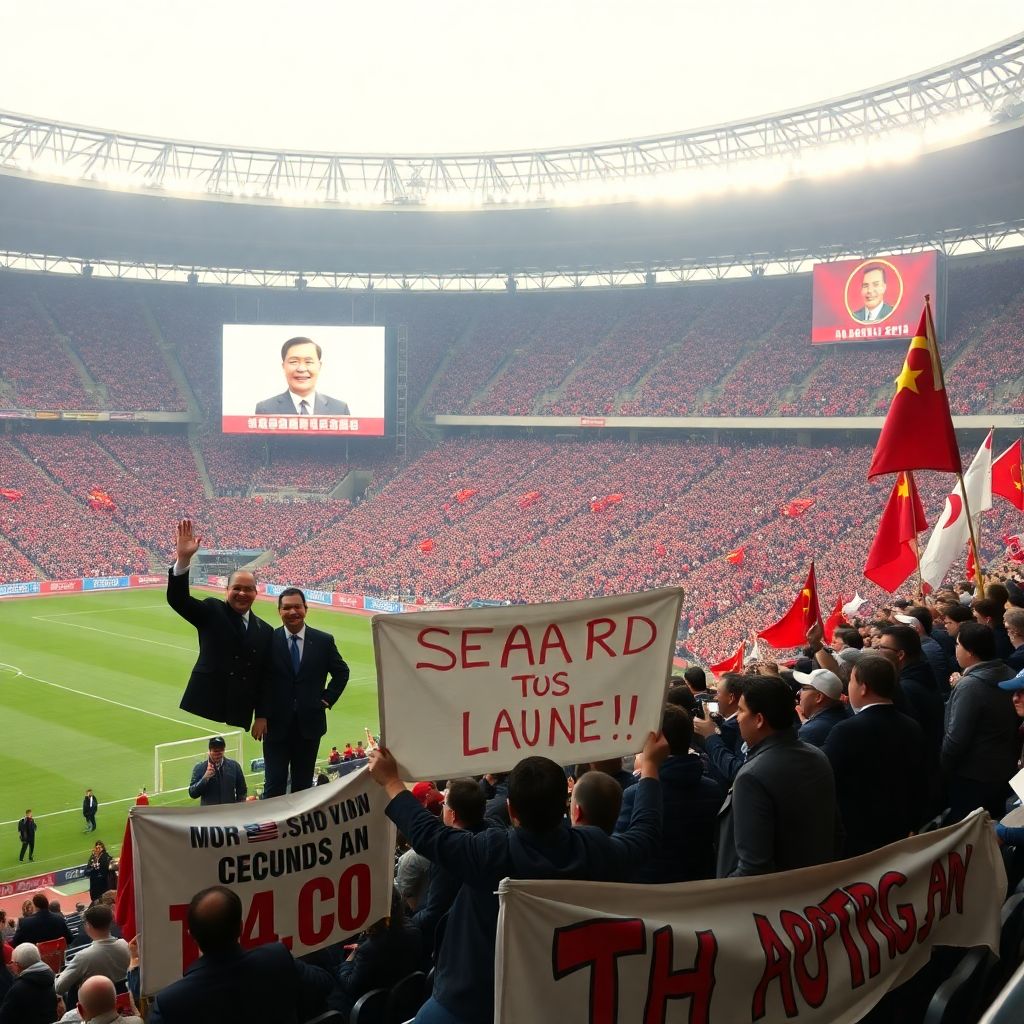
The political role of football: from state propaganda to resistance in the stands
Football has clear political roles: governments use it for soft power, propaganda and distraction, while fans use terraces to express dissent and alternative identities. Both strategies are relatively low cost, highly visible and emotionally intense, but they differ sharply in ease of control, credibility, legal risk and long‑term effectiveness. Persisting myths about football and politics…
-
Local clubs vs global empires: the silent battle for footballs soul
Neighbourhood clubs and global football empires serve different needs. If you value presence, community and affordable live games, clubes de barrio are usually the better choice. If you want the very best players, stable TV coverage and global storylines, global empires and an online subscription to see European leagues fit better. Core contrasts that define…
-

World cup football and national identity: how tournaments reshape history
Football World Cups help nations tell simplified stories about who they are, turning victories, defeats and star players into shared myths. These tournaments rewrite history from below: ordinary fans, media and politicians select certain matches, rituals and images to symbolise the past, while ignoring messy realities and internal diversity. Core Concepts: How World Cups Reframe…
-
Idols or products: how the footballer becomes a personal brand and the ethics behind it
Turning a footballer into a personal brand means treating their name, image and story as strategic assets to manage, protect and commercialise. If branding choices ignore ethical limits, then players risk exploitation, identity loss and fan backlash; if they are transparent and value‑driven, then branding can support careers, clubs and communities. Core propositions on the…
-
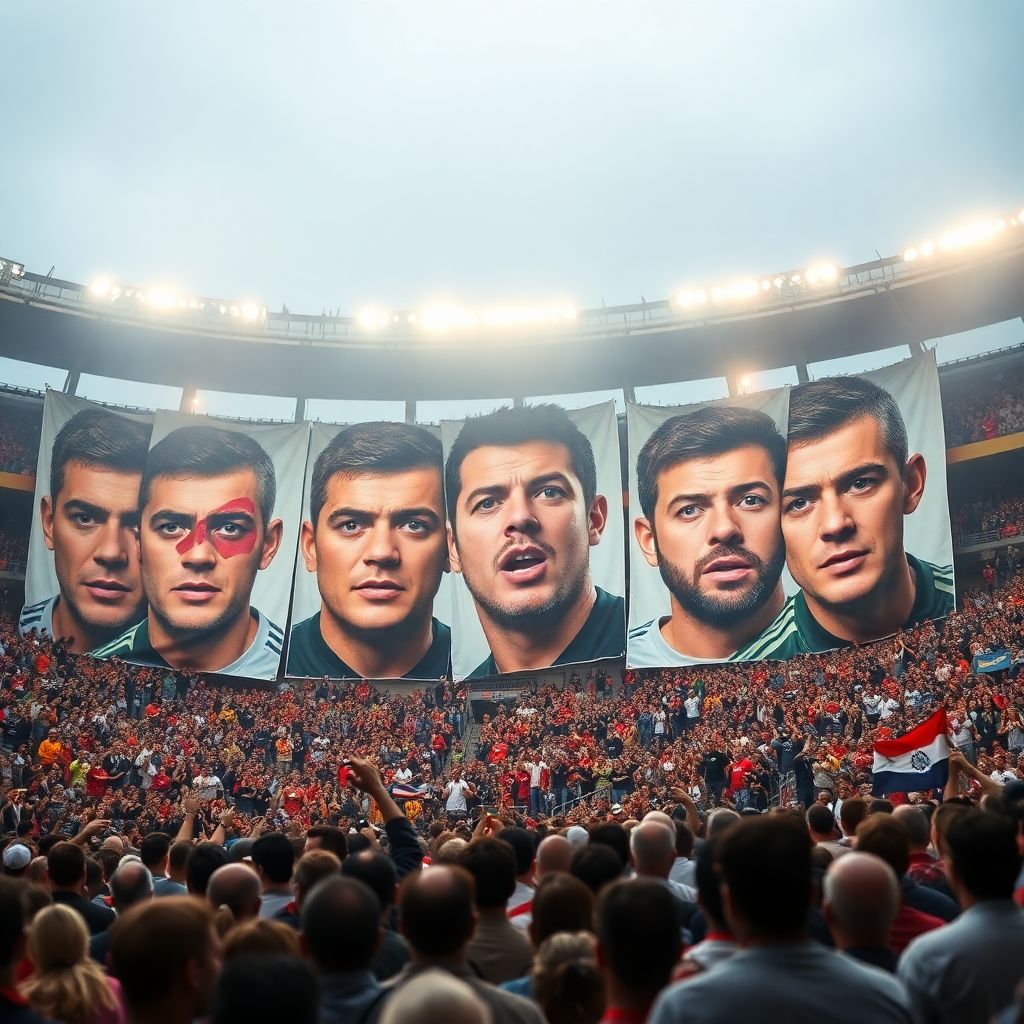
The fallen idol: why society needs football heroes and then loves to dethrone them
Football «fallen idols» are players first elevated as flawless heroes, then dramatically rejected when scandals, decline or contradictions appear. Society needs these footballers as emotional anchors, moral symbols and commercial brands, yet also enjoys destroying them because public downfall restores a sense of control, moral superiority and equality before shared norms. Central premises summarized Modern…
-

Super leagues and closed tournaments: end of sporting merit or business evolution?
Closed super leagues can stabilise revenues and global visibility, but they weaken sporting merit, local competition and broad fan trust. Open pyramids protect promotion-relegation and competitive integrity, yet struggle to match investor appetite. For Spanish and European football, hybrid models with conditional access and stricter redistribution are usually the most balanced compromise. Balancing sporting merit…
-
Grandes mundiales y sus contextos políticos: how football whitewashes regimes
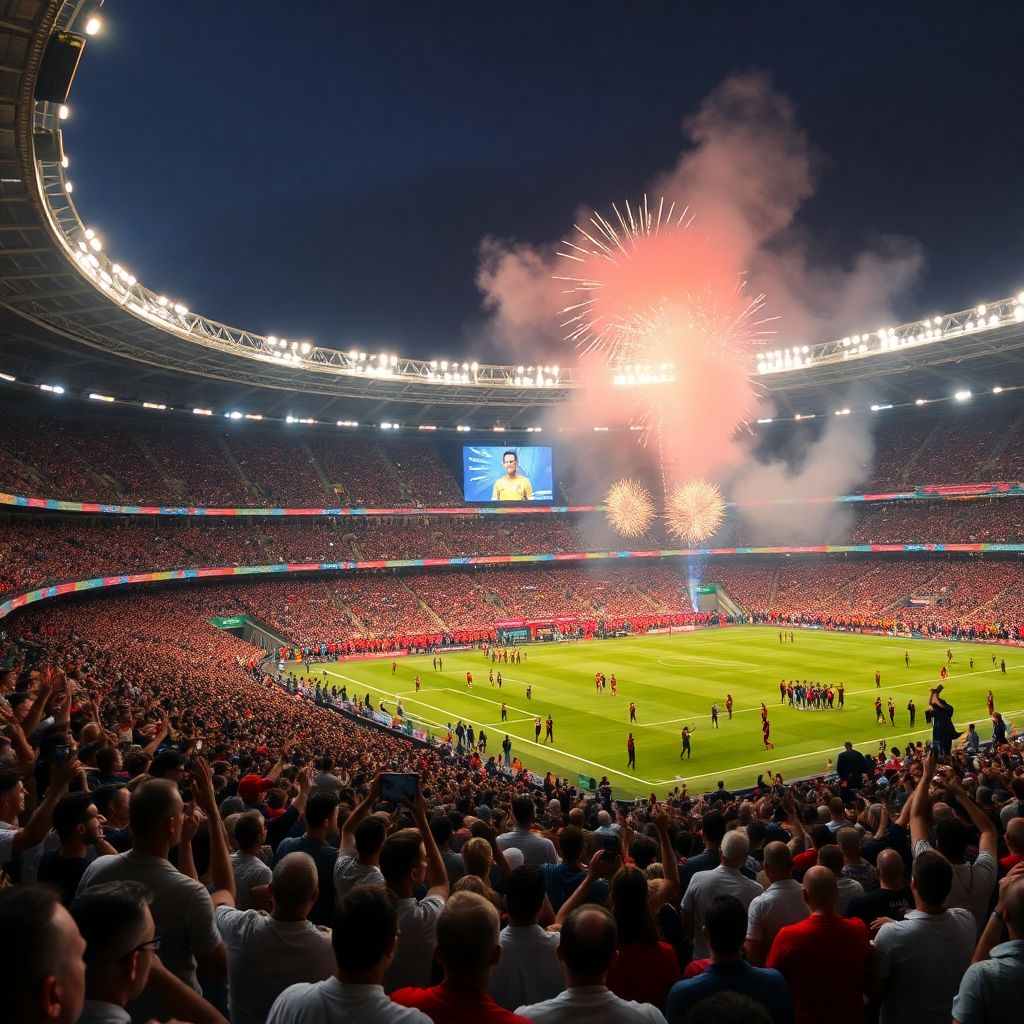
To assess when a World Cup helps whitewash regimes, map the political context, track state narratives, and compare them with independent reporting. Focus on censorship, repression spikes, and propaganda patterns. Use examples from the historia política de los mundiales de fútbol y regímenes autoritarios to design safe, documented, and realistic responses. Essential briefing: core lessons…
-

Advanced football stats vs intuition: against the algorithm in the beautiful game
Advanced football analytics and intuition are not enemies; the best option is a structured hybrid: use models to narrow options and challenge biases, and intuition to judge context, dressing room dynamics and risk. Pure «algorithms» or pure «mística» both fail; who you are (analyst, scout, coach, fan) should shape the mix. Core Arguments at a…
-
Soccer as a social laboratory: class, race and gender on and off the field
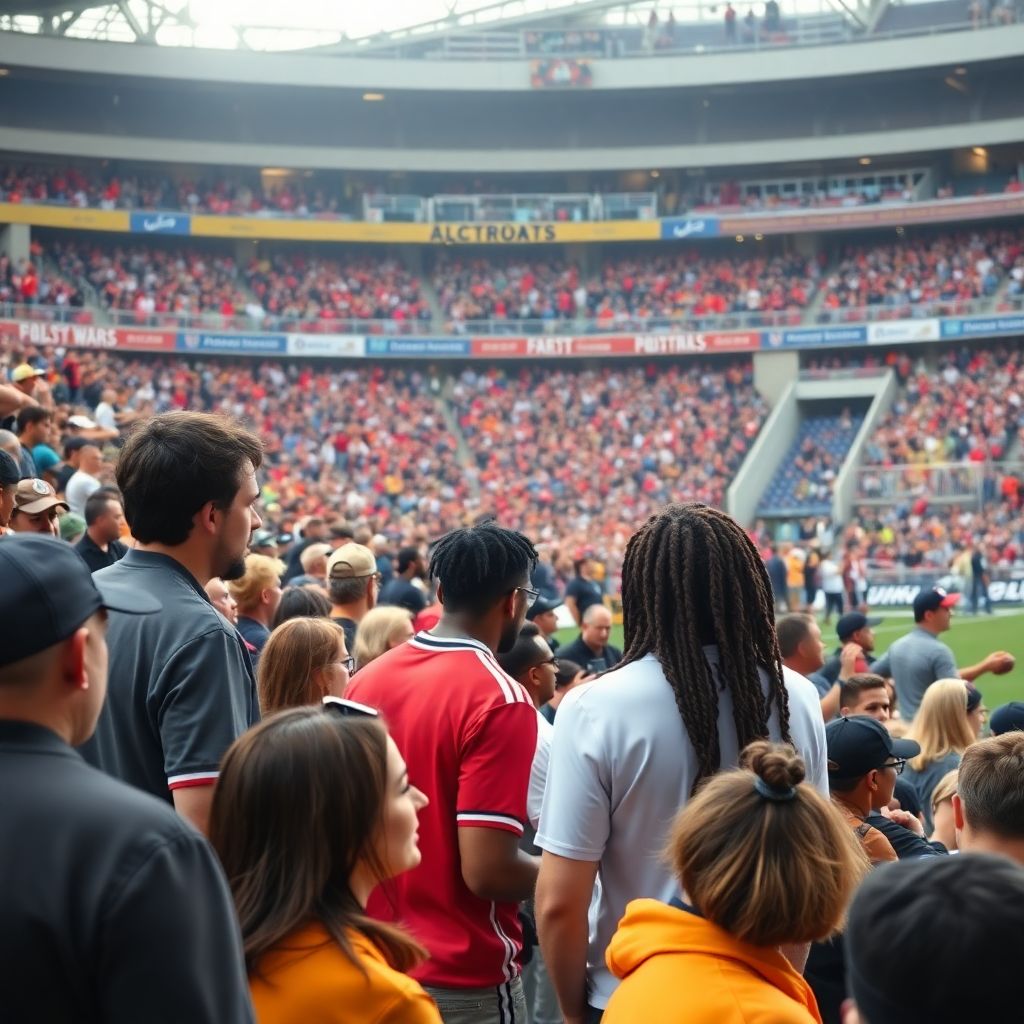
Football as a social laboratory means using what happens on and around the pitch to study class, race and gender in everyday life. Clubs, fan cultures and media act as micro-societies where power, discrimination and resistance are visible, allowing researchers and practitioners to test ideas and design concrete interventions. Essential concepts: football as a social…
-
Football and national identity: narratives, symbols and collective memories
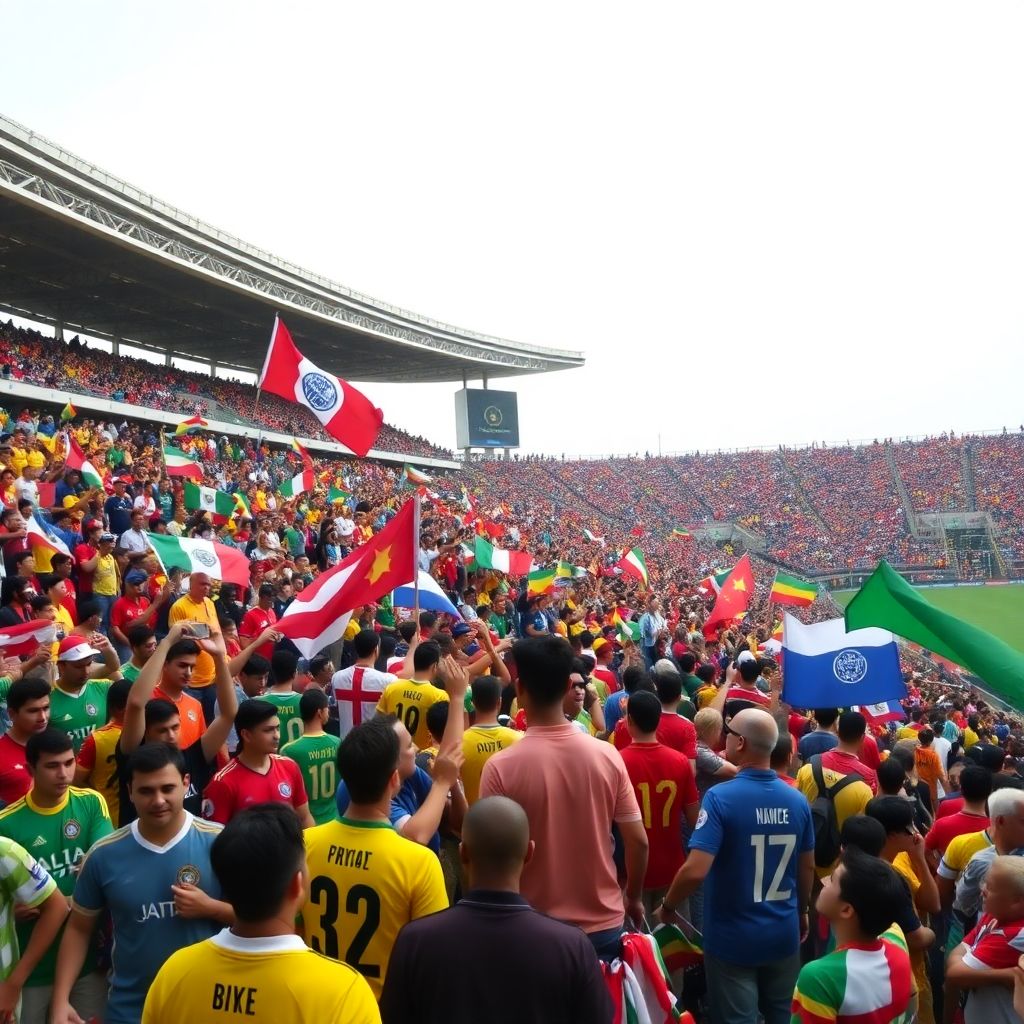
Football and national identity are co-produced through stories, symbols and shared memories that turn matches into political and emotional events. For practitioners, this means reading games as social texts: analysing rituals, media narratives, jerseys and stadium experiences to understand how nations are imagined, contested and remembered in everyday life. Defining football’s role in nation‑building Football…