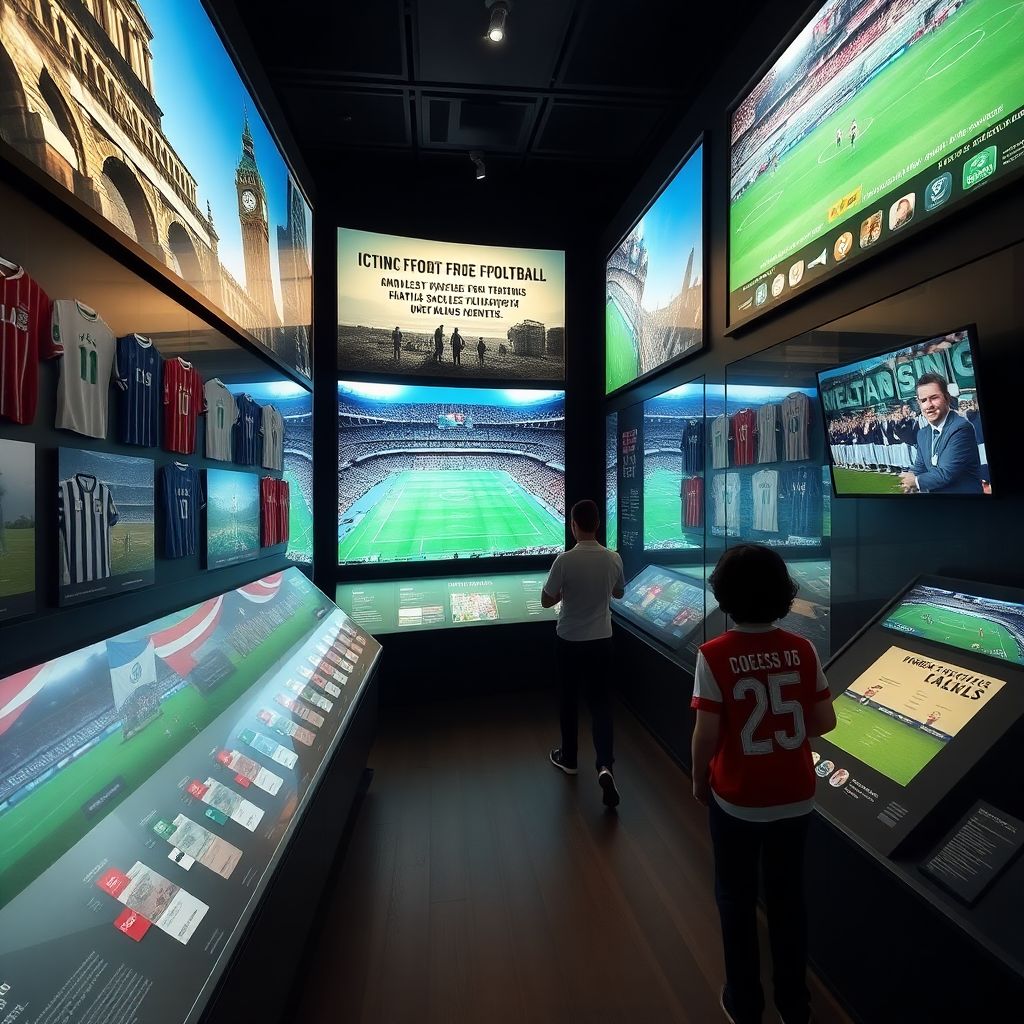
Historical football memory means how certain matches, clubs and players are remembered as moments that changed societies, not just results. It looks at how these events shaped politics, identities, and everyday life, and how that memory is kept alive through stories, media, commemorations and concrete objects like shirts or tickets.
Defining episodes of football’s historical memory
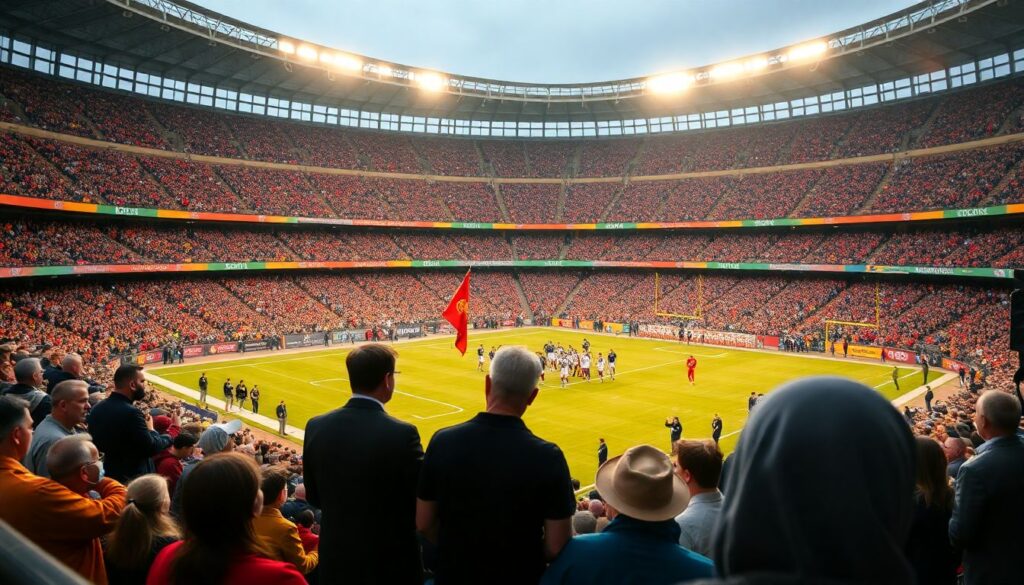
- Historical football memory focuses on games, clubs and players that altered political debates, social norms or national identity.
- It studies how these events are remembered: in stadium rituals, family stories, school lessons, media and public monuments.
- It always links three elements: the original event, how people experienced it, and how later generations reinterpret it.
- Objects like camisetas históricas de clubes de fútbol famosos or old match programmes work as portable memory anchors.
- It offers practical tools for educators, journalists and fans to connect football with broader debates on democracy, racism or migration.
- For self‑study, combining libros sobre historia del fútbol y su impacto social with local club archives is usually enough to start.
Matches that redirected national narratives
Some matches become turning points in how a country sees itself. They may coincide with regime changes, wars, economic crises or social movements. The result on the pitch matters less than the stories people build around the game and repeat for years.
To identify such matches, look for three signs: heavy media coverage at the time, political or social references in how people recall the game, and long‑term rituals (annual anniversaries, documentaries, special kits or commemorative friendlies).
For example, a derby played after a dictatorship may turn into a symbol of «new freedom». A women’s national team victory can reframe discussions about gender roles. A game involving a migrant‑founded club can shift narratives about who belongs to the nation.
Practical ways to study them in Spain:
- Pick one match that older fans in your city still talk about with emotion.
- Gather different sources: newspapers, radio archives, fan forums, and documentales de fútbol que cambiaron la historia related to that era.
- Compare what politicians and journalists said then with how fans narrate it today.
- Check if there are entradas para partidos conmemorativos de fútbol histórico or other events that keep the memory alive.
Clubs as political and cultural institutions
Clubs act like small parliaments and cultural centres. They organise space, symbols and regular gatherings, which make them powerful engines of collective memory and political meaning, even when they call themselves «neutral».
- Stadium geography – The location and architecture of a stadium connect clubs to specific districts, classes or minority groups.
- Symbols and colours – Badges, flags and anthems encode political or regional identities, even if expressed indirectly.
- Membership structures – Socios, fan clubs and grassroots assemblies turn sportive decisions into civic participation exercises.
- Commemorations and rituals – Anniversary matches, memorial banners and minute‑silences build a shared timeline of «our» history.
- Youth academies and community programmes – Training schemes, school partnerships and social projects transmit values to new generations.
- Merchandising and material culture – Scarves, shirts and posters allow political and cultural identities to circulate beyond the stadium.
Mini‑scenarios for applying this view on clubs
To turn this into practice, use these simple scenarios as analytical checklists:
- Neighbourhood conflict: A club wants to move its stadium. Map who loses and who gains: local bars, residents, ultra groups, sponsors, city hall. Ask what memories will be erased and which new ones will be promoted.
- Rebranding debate: A club updates its crest or colours. Compare the old and new symbols and list which historic episodes disappear (founding year, worker roots, local landmarks) and which new audiences the brand targets.
- Heritage project: A supporters’ group negotiates a small museum. Define three stories that must be told (e.g. anti‑racist struggle, women’s team, migrant players), and identify which physical objects best tell each story.
Players who became symbols of social change
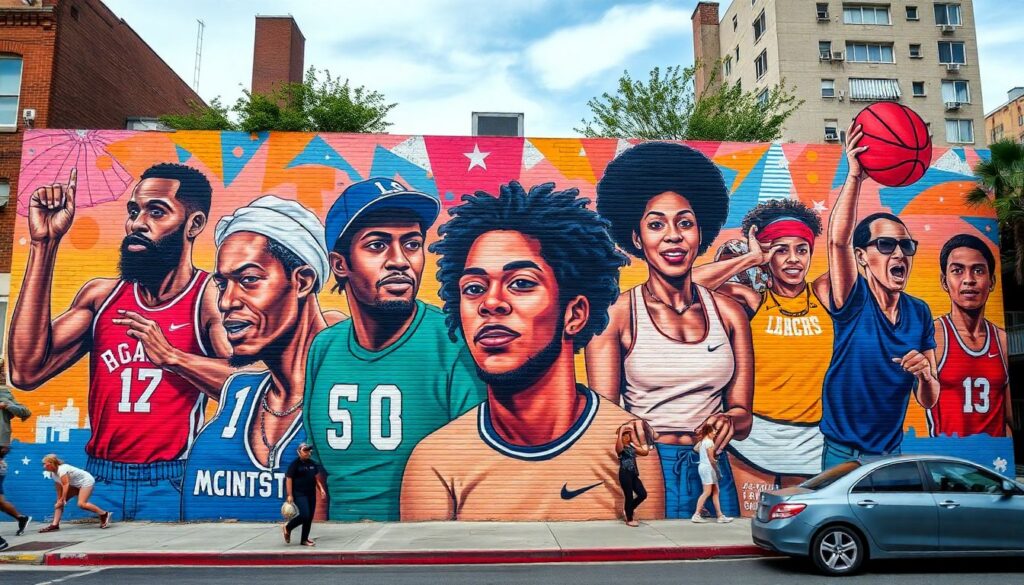
Some players become more than athletes; they crystallise social conflicts or hopes. They may represent anti‑racist resistance, regional pride, working‑class ascent or feminist breakthroughs. Their careers offer accessible entry points into complex histories for schools, museums and media.
- Anti‑racist and anti‑fascist icons
Players who faced racist abuse or authoritarian regimes and reacted publicly can symbolise broader fights against discrimination. Teachers often use their biographies to discuss citizenship, policing and fan culture. - Gender and LGBTQ+ pioneers
Early women footballers, openly queer players or those who challenged sexist treatment become focal points to talk about labour rights, media coverage and everyday sexism in sport. - Working‑class heroes
Players whose life stories go from factory work or unemployment to professional success help examine class mobility, union conflicts and the politics of wages and transfers. - Migration and diaspora figures
Players with dual nationality, refugee backgrounds or long careers abroad highlight debates on belonging, passports, and the emotional ties between diasporas and «home» national teams. - Reconciliation ambassadors
Some captains or ex‑players mediate in post‑conflict environments (regional tensions, club splits). Their public gestures-shirt swaps, visits, memorial statements-can model reconciliation rituals. - Digital‑era role models
Players who use social media to speak on climate, racism or labour issues show how contemporary activism and historical memory intersect in real time.
For classroom or fan‑club activities, ask participants to pick one player and build a simple timeline: key career moments, major political or social events happening at the same time, and how media framed the player’s actions.
Media, memory and the construction of football myths
Media-press, TV, radio, podcasts, social networks-decide which football stories are amplified and which are forgotten. They turn messy realities into clear narratives, often exaggerating heroes, villains and turning points. Understanding their logic helps separate myth from history without losing the emotional power of stories.
How media support constructive football memory
- Contextual documentaries and series – Quality documentales de fútbol que cambiaron la historia connect matches to dictatorship, migration, feminism or urban change, giving non‑fans tools to understand why games matter.
- Investigative journalism – Long‑form pieces can expose corruption, sexism or racism and link them to structural issues, not just individual scandals.
- Local radio and podcasts – Fan interviews and oral histories preserve accents, humour and small stories that never reach national headlines.
- Archival digitisation – Scanning old fanzines, photos and programmes protects fragile materials that carry everyday perspectives often missing from official club histories.
- Diverse voices in commentary – Women, racialised commentators and former grassroots players bring different memories and priorities into mainstream discussion.
Where media‑driven myths can mislead
- Over‑personalisation – Reducing complex processes to one «genius» coach or star hides institutional and social dynamics.
- Presentism – Judging past behaviour only by today’s standards without explaining the context can flatten understanding.
- Nostalgic idealisation – Romantic stories about «pure football» of the past often ignore violence, racism or exclusion that were common.
- Selective archiving – Clubs keep and promote what is good for their brand, discarding controversial or marginalised histories.
- Commercial bias – Big clubs, leagues or tournaments dominate memory simply because they sell better, not because they were always more socially important.
Grassroots movements and community resilience through football
Grassroots football-neighbourhood clubs, fan collectives, anti‑racist tournaments-often absorbs social tensions first and experiments with solutions. However, discussions about historical memory sometimes reproduce myths and blind spots that limit their impact.
- Myth: «Politics will divide us; football must stay neutral»
Ignoring politics tends to protect the status quo. Safer practice is to set basic anti‑racist and anti‑sexist principles and let members discuss how to apply them. - Myth: Community equals harmony
Local clubs can also reproduce sexism, homophobia or class hierarchies. Treat conflicts as chances to rewrite rules, not as personal dramas to hide. - Error: No archives, no memory
Grassroots groups often keep nothing but a few photos on a private phone. Simple steps-shared folders, labelled boxes, short written match reports-create a usable memory for future projects. - Error: Over‑focusing on men’s senior teams
Ignoring women’s, junior or disability teams erases key stories about care work, family logistics and inclusive innovation. - Myth: Only trophies matter
For many communities, survival of a pitch, safe spaces for migrants or LGBTQ+ players, or anti‑deportation campaigns are more historically significant than league tables. - Error: Treating material culture as clutter
Old banners, handmade trophies, photos, posters or balls are central for coleccionismo de recuerdos históricos de fútbol (posters, camisetas, balones); they can later sustain exhibitions, books or digital archives.
Transnational flows: migration, diaspora and football memory
Migration and diaspora turn football memory into a truly transnational phenomenon. Fans carry songs, flags and stories across borders; new clubs appear in destination countries; and matches between national teams or big clubs become emotional encounters between different migrant generations.
A concise example for the Spanish context:
- Starting point: A group of Latin American migrants in Madrid creates a Sunday league team named after a club from their home city.
- Practices: They use the same colours, watch games together in a bar, collect camisetas históricas de clubes de fútbol famosos from both Spain and their origin country, and share stories of legendary matches via WhatsApp.
- Memory effects: Children born in Spain grow up with dual reference points: La Liga and their parents’ club. Family discussions about team selection, racism in stadiums or transfer politics become a way to talk about belonging and discrimination in Spanish society.
- Public outcomes: Over time, local institutions may recognise the team in neighbourhood festivals or exhibitions. Donations of objects and photos feed municipal archives, while friendly matches with local clubs create new shared memories.
Collectors and curators can bridge these worlds using both entradas для partidos conmemorativos de fútbol histórico and informal memorabilia to tell stories of how football travels with people, not just TV rights.
Persistent research questions on football’s social memory
How can teachers in Spain integrate football memory into history or social science classes?
Use one local club or famous match as a case study and connect it to themes like dictatorship, migration, feminism or urban change. Combine clips from trustworthy documentaries with short readings and invite students to collect family stories or objects related to that club.
What simple steps can small clubs take to preserve their own history?
Designate one volunteer as an informal archivist, store photos and documents in shared digital folders with dates and names, and keep a physical box for shirts, badges and posters. Once a year, organise a «memory evening» where older members share stories that someone records.
How do I critically watch football documentaries without losing the emotion?
Enjoy the narrative, but then ask: whose voices are missing, which conflicts are simplified, and what social context is only briefly mentioned? Compare at least two sources on the same story-a documentary and a long article or chapter from libros sobre historia del fútbol y su impacto social.
Are commemorative matches and special shirts really useful for memory?
They can be meaningful if they are linked to education and dialogue. Commemorative games, shirts or entradas para partidos conmemorativos de fútbol histórico work best when accompanied by exhibitions, talks or written materials that explain what exactly is being remembered and why.
What is the role of fan‑driven collections and private memorabilia?
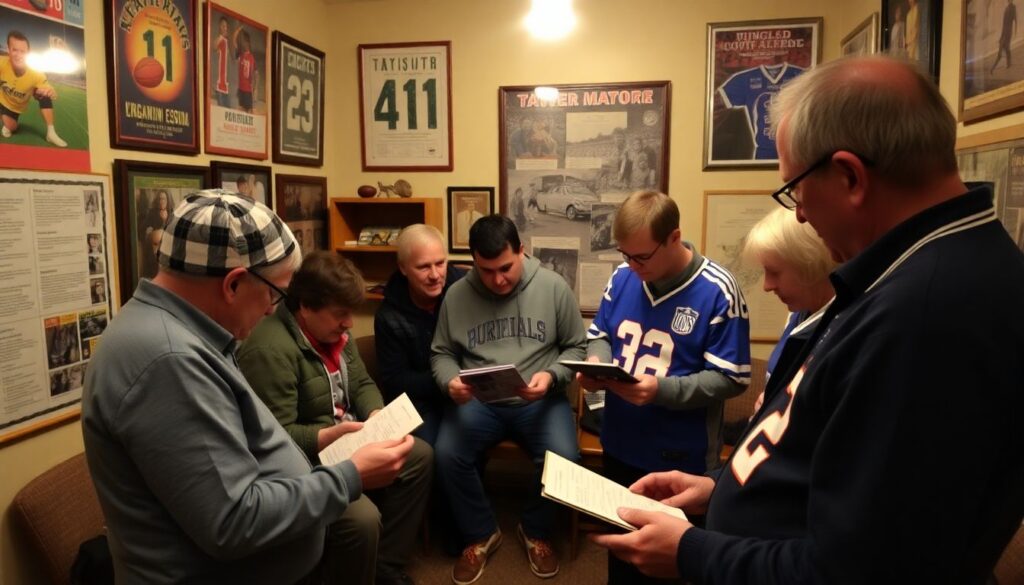
Fan collections-tickets, posters, balls, shirts-capture everyday experiences that official museums often ignore. Curators should collaborate with collectors to document context: who used an object, in which match, and what it meant for that person or group at the time.
How can researchers avoid romanticising clubs as naturally progressive spaces?
Combine interviews with fans and staff with a close reading of club policies on inclusion, pricing and policing. Always ask who feels unwelcome in the stadium and whose histories are rarely told in official communications and exhibitions.
What ethical issues appear when using players’ personal stories in research and exhibitions?
Respect privacy, obtain consent when possible, and avoid reducing players to victims or heroes only. Present their actions within broader structures-federations, media, legal systems-so audiences understand constraints and collective efforts behind individual stories.