Categoría: Impacto Sociocultural
-
Tabla de goleo mundial 2026: lucha por la bota de oro con mbappé y messi
Tabla de goleo Mundial 2026: así marcha la lucha por la Bota de Oro La Copa Mundial de la FIFA 2026 entra en sus últimos capítulos y el foco ya no está solo en el título que definirán España y Argentina, sino también en la vibrante batalla individual por la Bota de Oro. El máximo…
-

Así se cubre el mundial 2026: 3,000 kilómetros en bus para un sueño
Así se viven más de 3,000 kilómetros por carretera para alcanzar un sueño: cubrir el Mundial 2026 Cubrir una Copa del Mundo suele describirse como la meta máxima para periodistas deportivos, fotógrafos, narradores y comentaristas. No es sólo un privilegio para los aficionados que llenan las gradas; también es la culminación de años de trabajo…
-
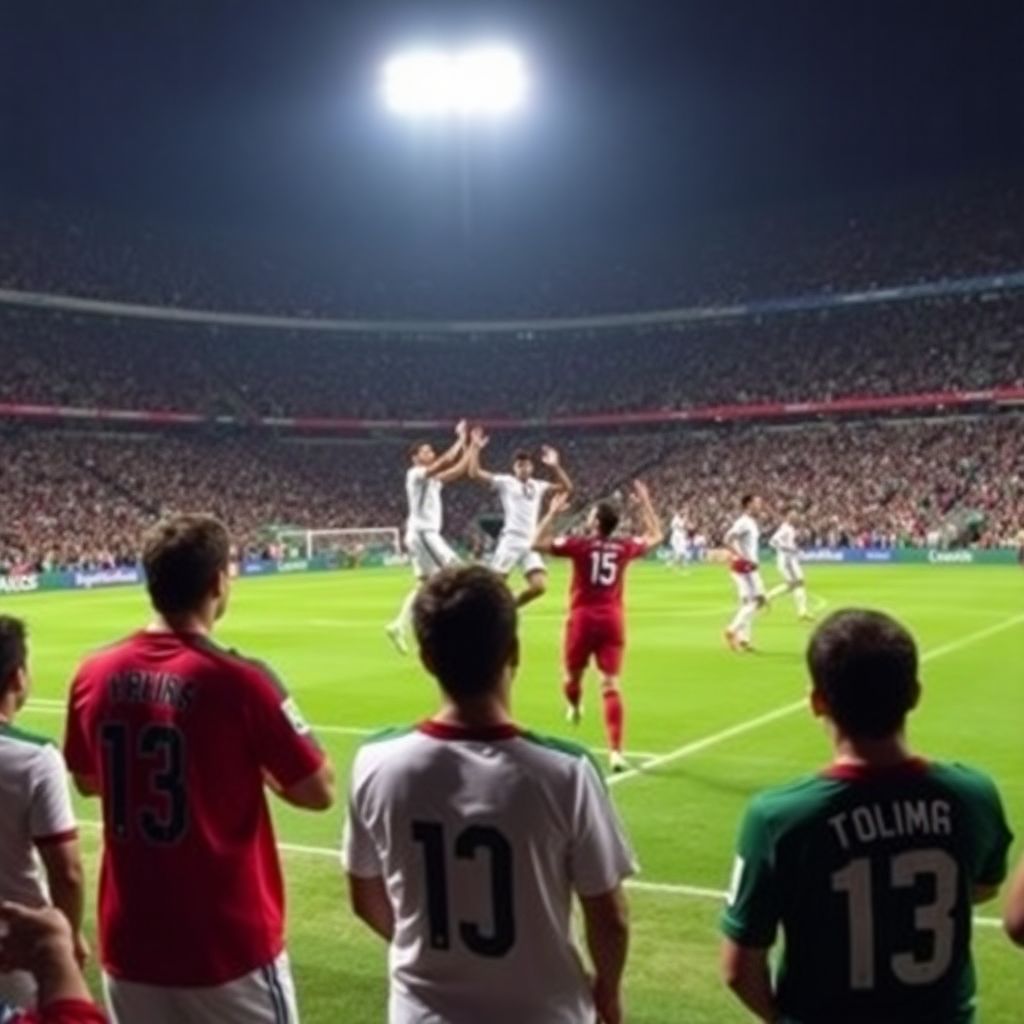
México vs inglaterra: 37 centros y una noche para el olvido en el azteca
Los centros en el México-Inglaterra se han convertido en el símbolo perfecto de una noche para el olvido. La Selección Mexicana, dirigida por Javier Aguirre, quedó fuera de la Copa del Mundo con una derrota dolorosa en el Estadio Azteca ante una Inglaterra que jugó gran parte del segundo tiempo con un hombre menos. Más…
-
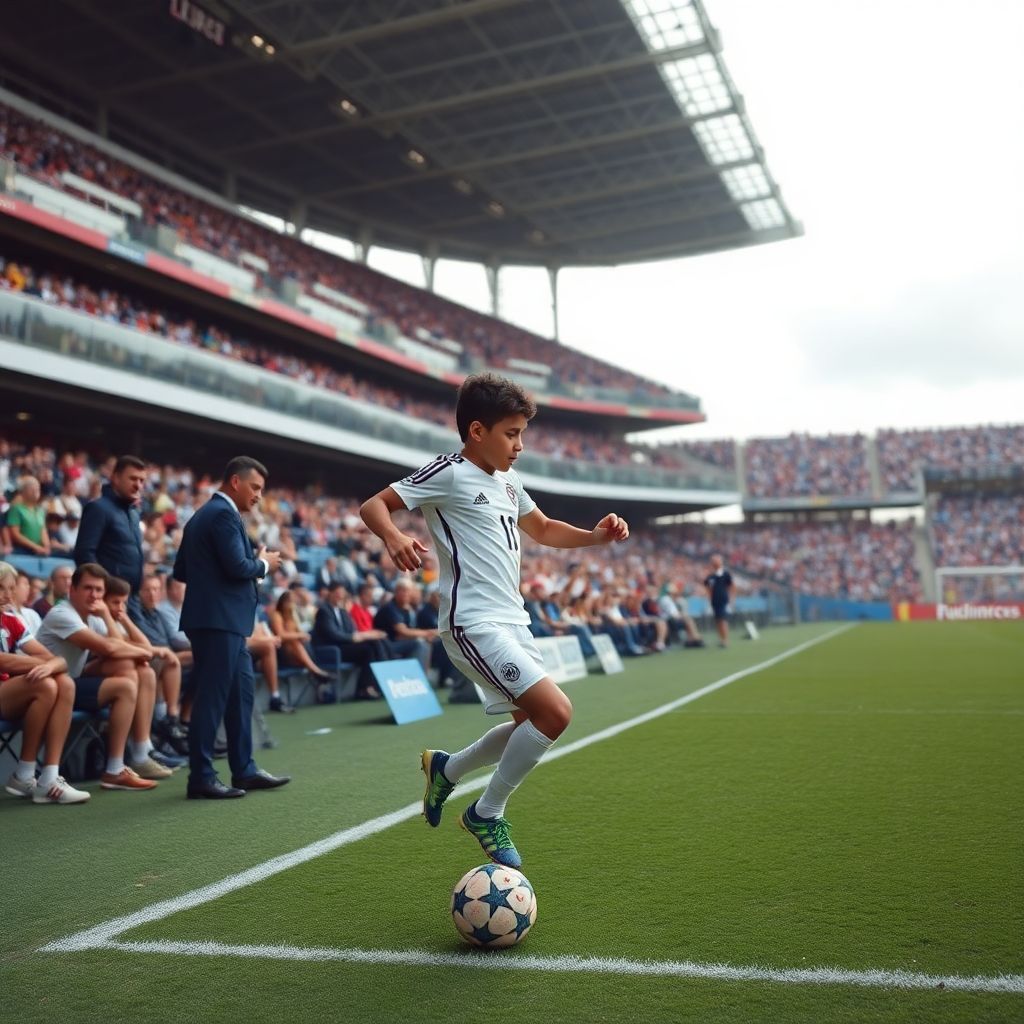
Gilberto mora, joya de xolos que acerca liverpool desde el mundial 2026
Gilberto Mora, la joya de Xolos que seduce a un gigante de la Premier League tras su irrupción en el Mundial 2026 Con apenas 17 años, Gilberto Mora ha pasado de ser una promesa conocida solo por los más atentos al fútbol mexicano a convertirse en uno de los nombres propios del Mundial 2026. Su…
-

Can you own a club?. Ethics and politics of investment funds in football
Owning a football club is legally possible but politically and ethically contested, especially when investment funds are involved. Law recognises shares and assets, not the soul of the club. The core debate is how far fondos de inversión en el fútbol europeo can control strategy, identity and competitions without undermining integrity and communities. Core ethical…
-

La táctica como arte in chess: positional play compared to artistic moves
Treating tactics as art means seeing each combination as emerging from positional foundations, like a bold brushstroke on a well-prepared canvas. For choosing your best training style, balance tactical sharpness, long-term strategic understanding, and your taste for creativity, then select methods that connect chess motifs with artistic ideas you intuitively understand. Core parallels between positional…
-
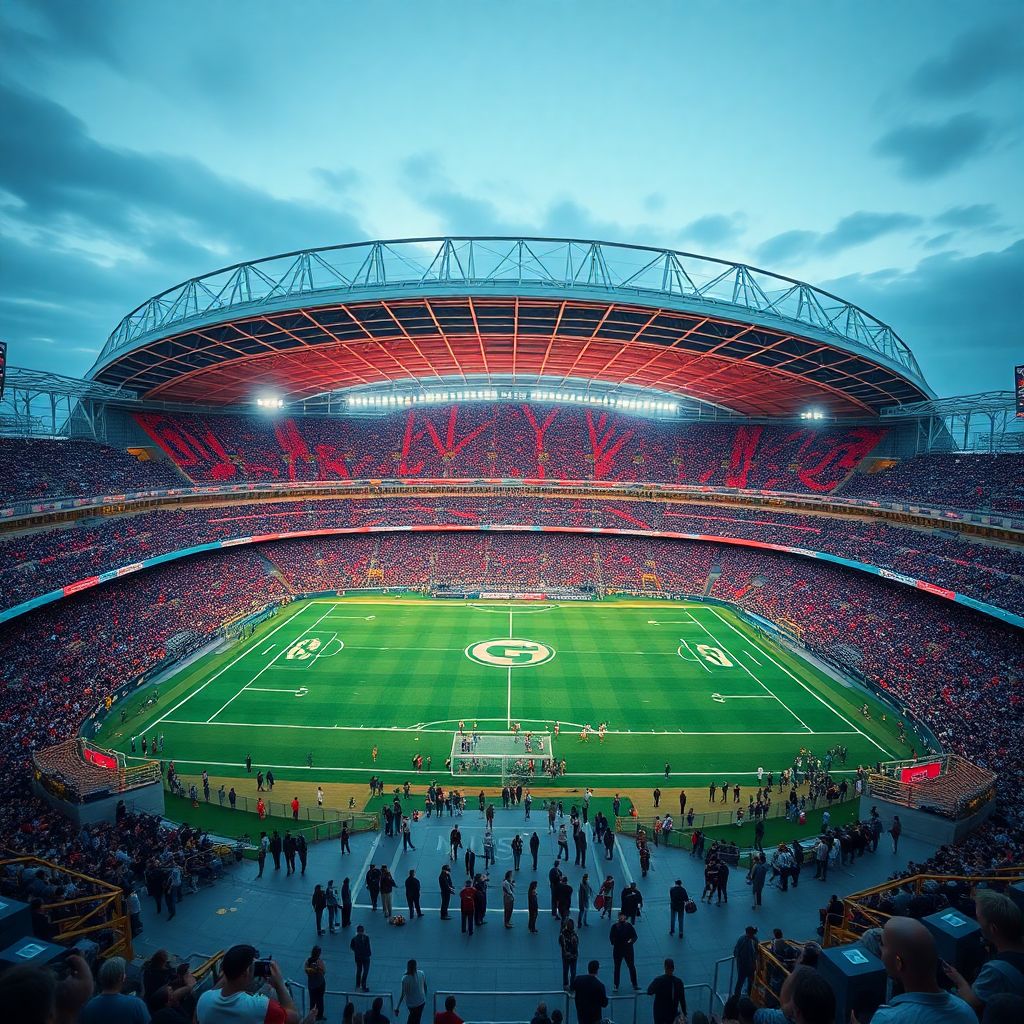
When the club stops being a club: a critical look at conversion into global brands
When a football club stops acting mainly as a local sporting community and behaves as a global brand, decisions prioritise worldwide visibility, commercial partners and entertainment formats over members, local culture and grassroots sport. This club-to-brand shift can be managed, limited or even reversed if trade-offs are recognised early. Core hypotheses on club-to-brand shifts Brand-driven…
-
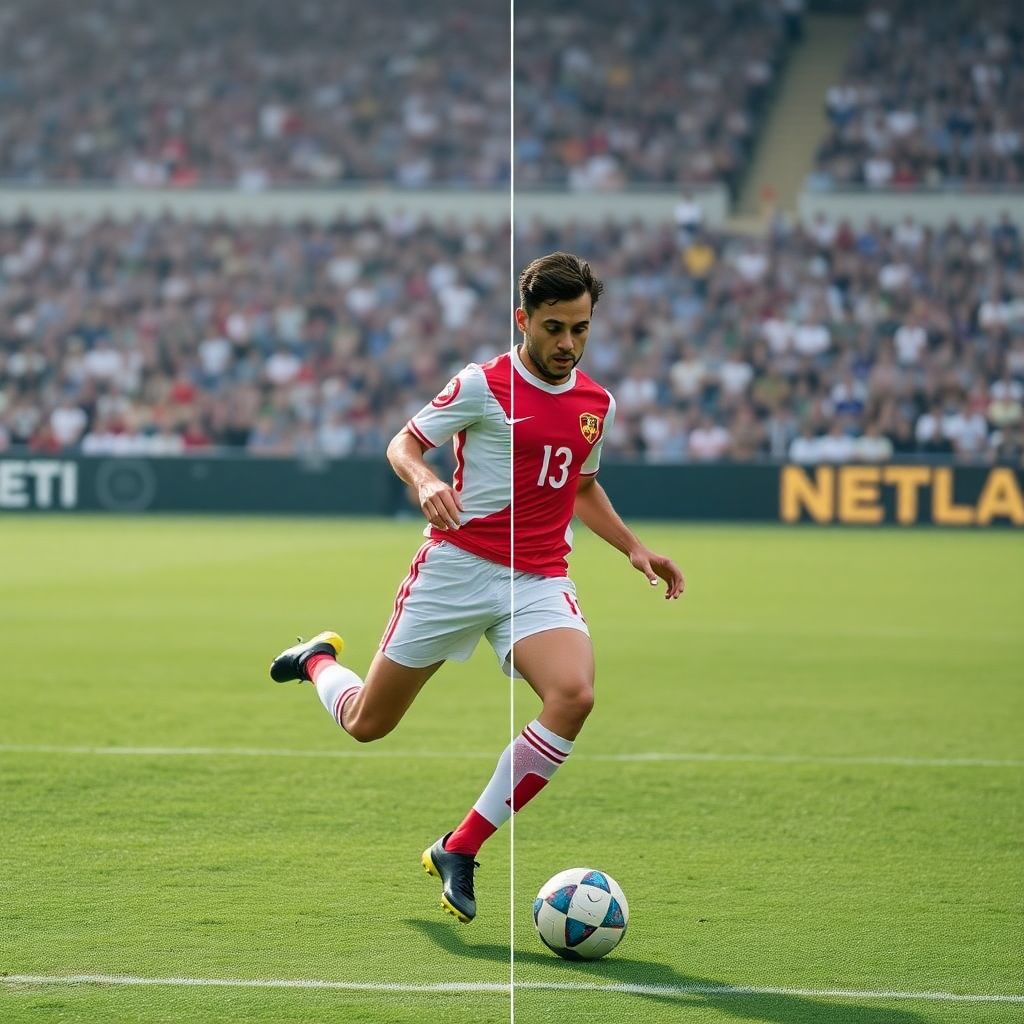
The evolution of the number 10 in football: from free creator to system cog
The evolution of the number 10 in football is the story of a free creative star becoming a tightly integrated system piece. If you coach or analyse modern 10s, you must balance freedom and structure: protect their creativity, but anchor it in pressing, spacing, and clear tactical if‑then rules. Core shifts in the 10’s tactical…
-
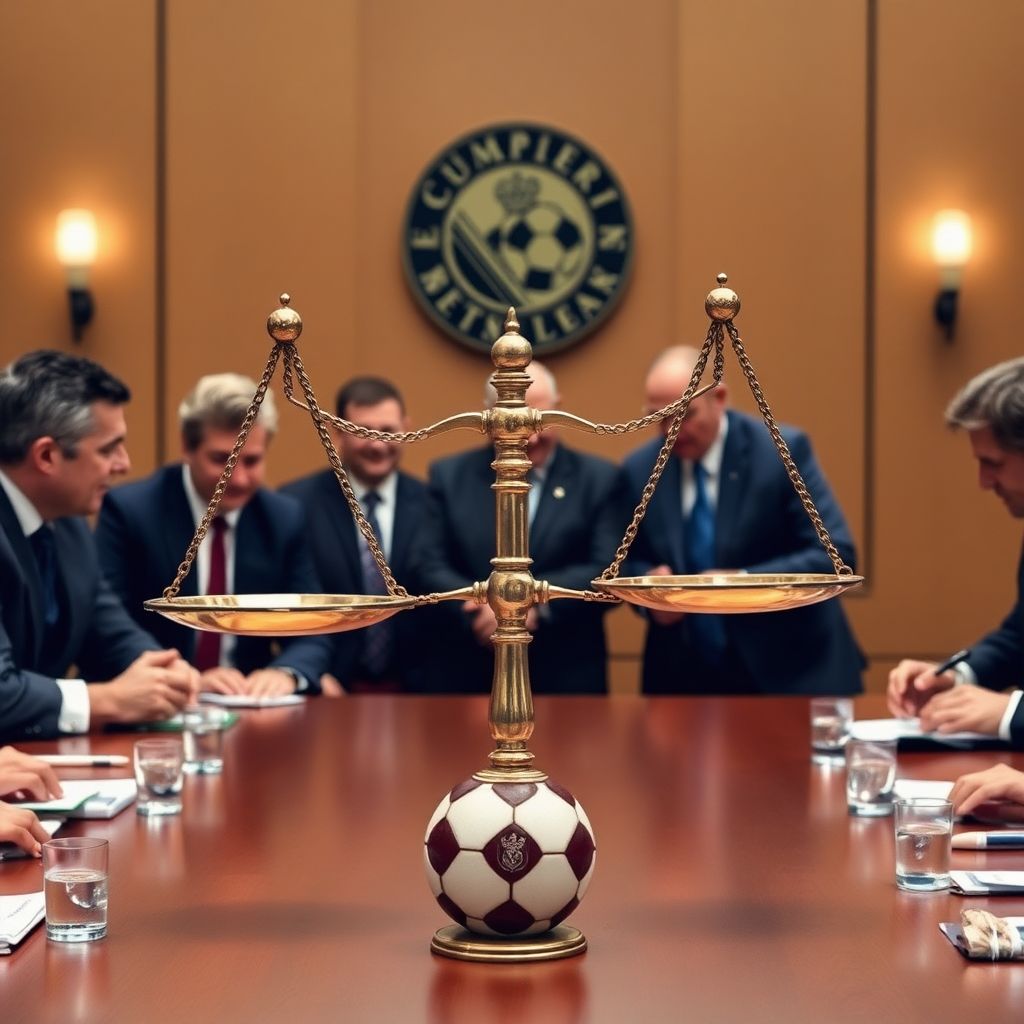
Financial fair play: real protection for football or shield for elite clubs?
Financial Fair Play can both protect competition and lock in existing elites. Used with strict, transparent reglas fair play financiero futbol europeo, it disciplines overspending and stabilises clubs. Applied with loopholes, political bargaining and weak audits, it favours big brands, complicates enforcement and pushes smaller teams toward riskier financial behaviour. Core contrasts: protection of competition…
-

When the club stops being the fans club: investment funds and lost identity
When investment funds buy football clubs, control shifts from supporters to financial actors focused on returns. Identity can erode through branding changes, ticketing policies and short-term decisions. Safe steps exist (fan governance rights, regulation, contracts), but they face hard limits against concentrated ownership and global capital. Common Misconceptions About Investor-Controlled Clubs «New investors automatically mean…