Categoría: Historia del Fútbol
-
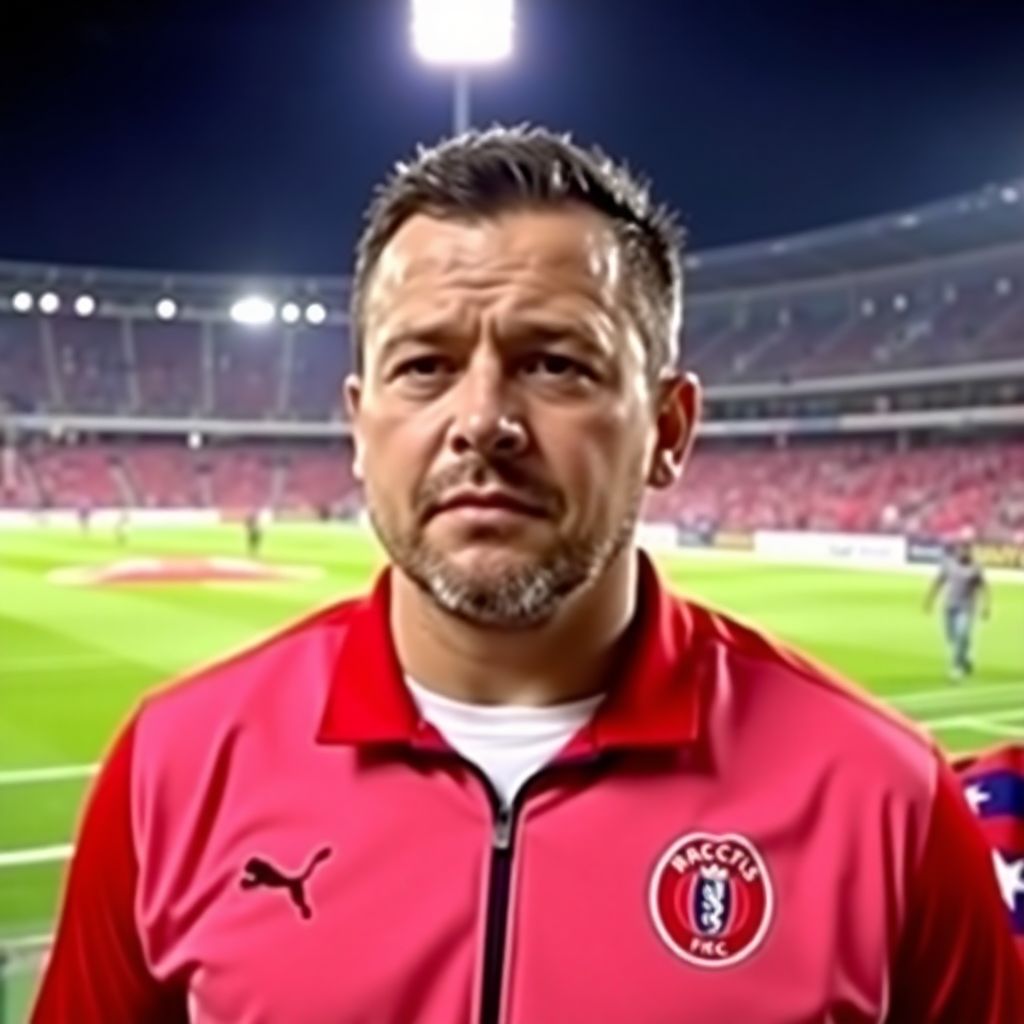
Se equivocó el viejo: julián quiñones y el polémico cambio de aguirre en 2026
«Se equivocó el viejo»: la dura confesión de Julián Quiñones sobre el cambio de Javier Aguirre ante Inglaterra en el Mundial 2026 Antes de que rodara el balón en la Copa del Mundo 2026, una de las grandes incógnitas en torno a la Selección Mexicana era si Javier «Vasco» Aguirre se atrevería a darle la…
-
Piojo alvarado mantiene el modo mundialista encendido y lidera a chivas
Piojo Alvarado mantiene el chip mundialista encendido en su vuelta con Chivas. El mediocampista ofensivo del Rebaño Sagrado atraviesa uno de los momentos más sólidos de su carrera, enlazando el impulso anímico y futbolístico de la Copa del Mundo con el arranque del Apertura 2026, donde se ha convertido en el principal generador de peligro…
-
Final del mundial 2026: españa favorita mundial frente a argentina según una encuesta
Final del Mundial 2026: España conquista al mundo (también por delante de Argentina) El Mundial suele partir al planeta futbolero en dos bloques irreconciliables. Sin embargo, en la hipotética final de 2026 entre España y Argentina, la balanza emocional mundial, al menos en internet, se está inclinando con claridad hacia el lado de la selección…
-
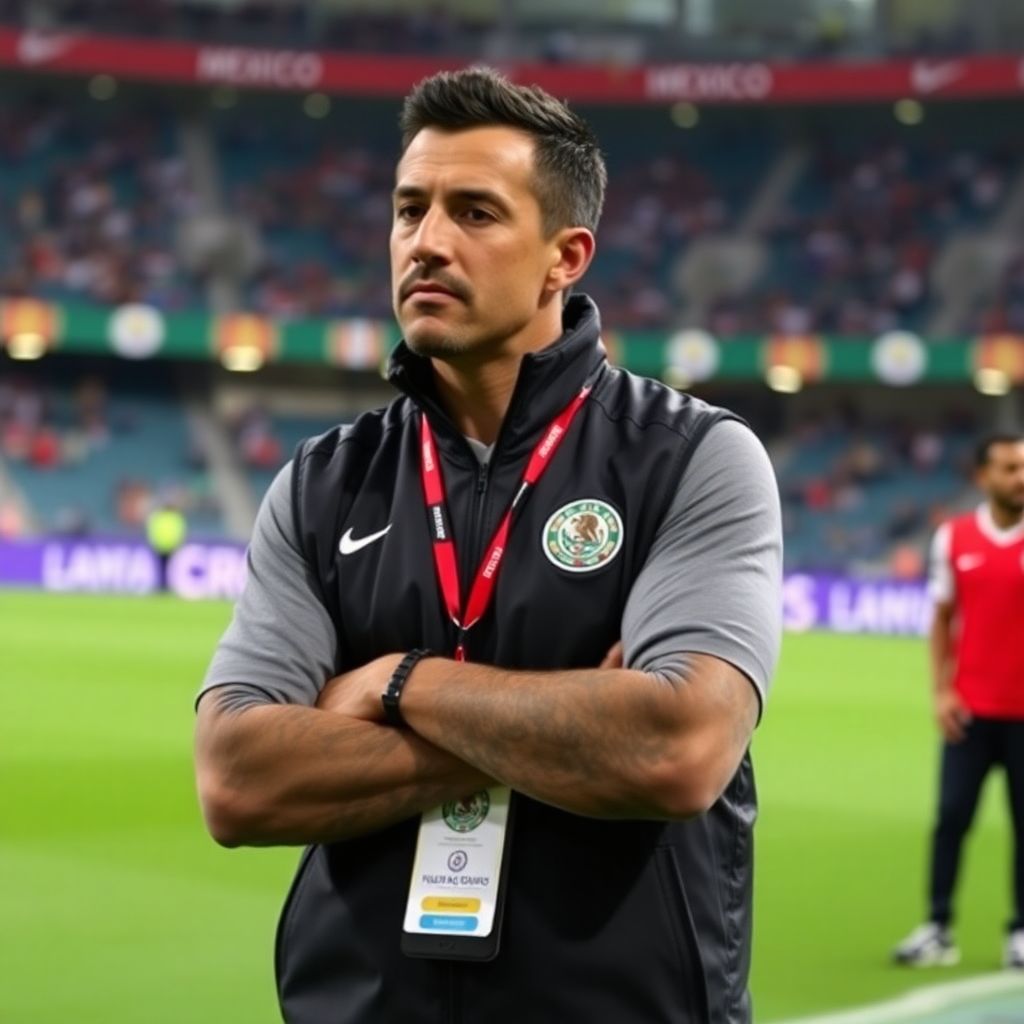
Liga Mx apertura 2026: pausas por fecha Fifa, leagues cup y era rafael márquez
Las pausas de la Liga MX en el Apertura 2026: Fecha FIFA, Rafael Márquez y el impacto de la Leagues Cup El futbol mexicano vuelve a escena con el arranque del Apertura 2026 de la Liga MX, pero el calendario no será lineal ni sencillo. El torneo tendrá varias interrupciones importantes: por un lado, las…
-
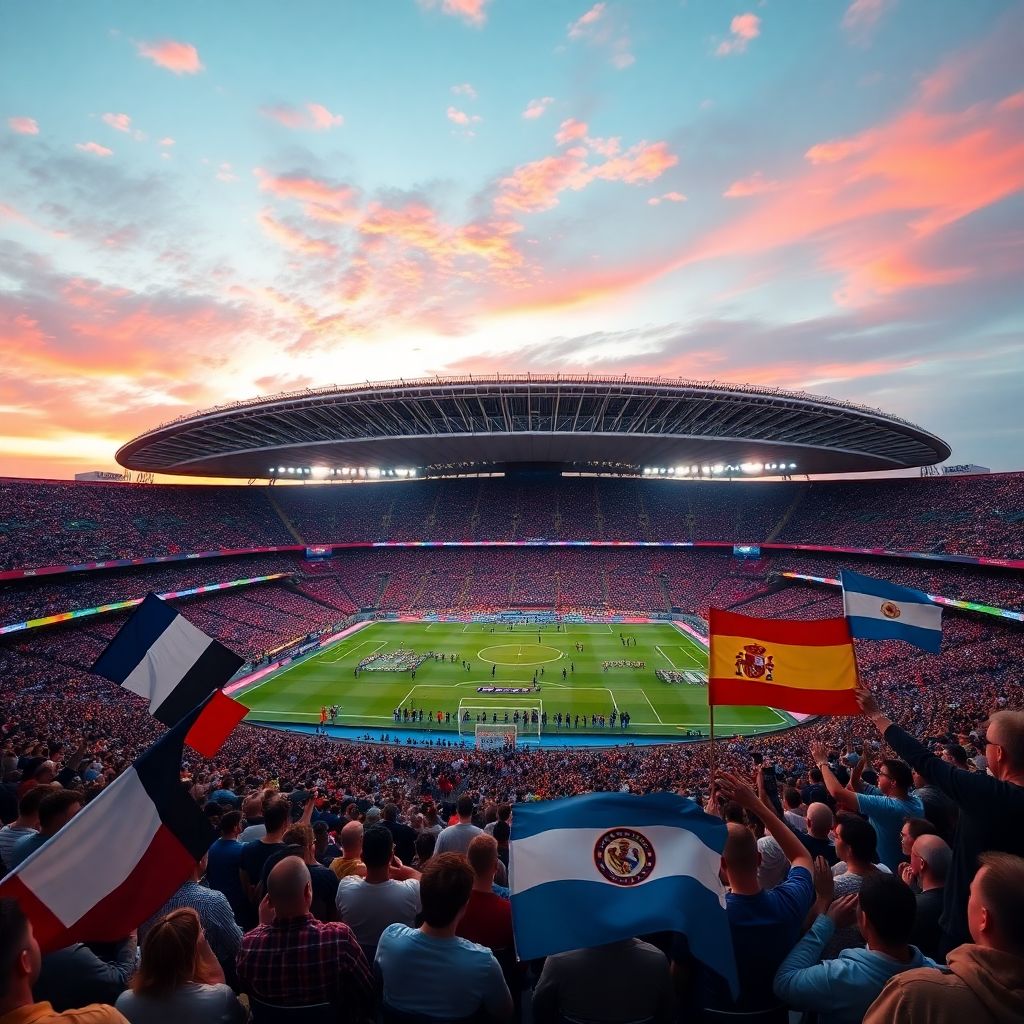
Cuadro mundial 2026: resultados, posiciones y favoritos a la final
Cuadro Mundial 2026: resultados, posiciones y quién puede llegar a la Final de la Copa Mundial 2026 La Copa Mundial de la FIFA 2026 ha entrado en su tramo decisivo. Con las Semifinales a la vuelta de la esquina, el torneo ya filtró a los cuatro mejores combinados nacionales del planeta, que se jugarán su…
-
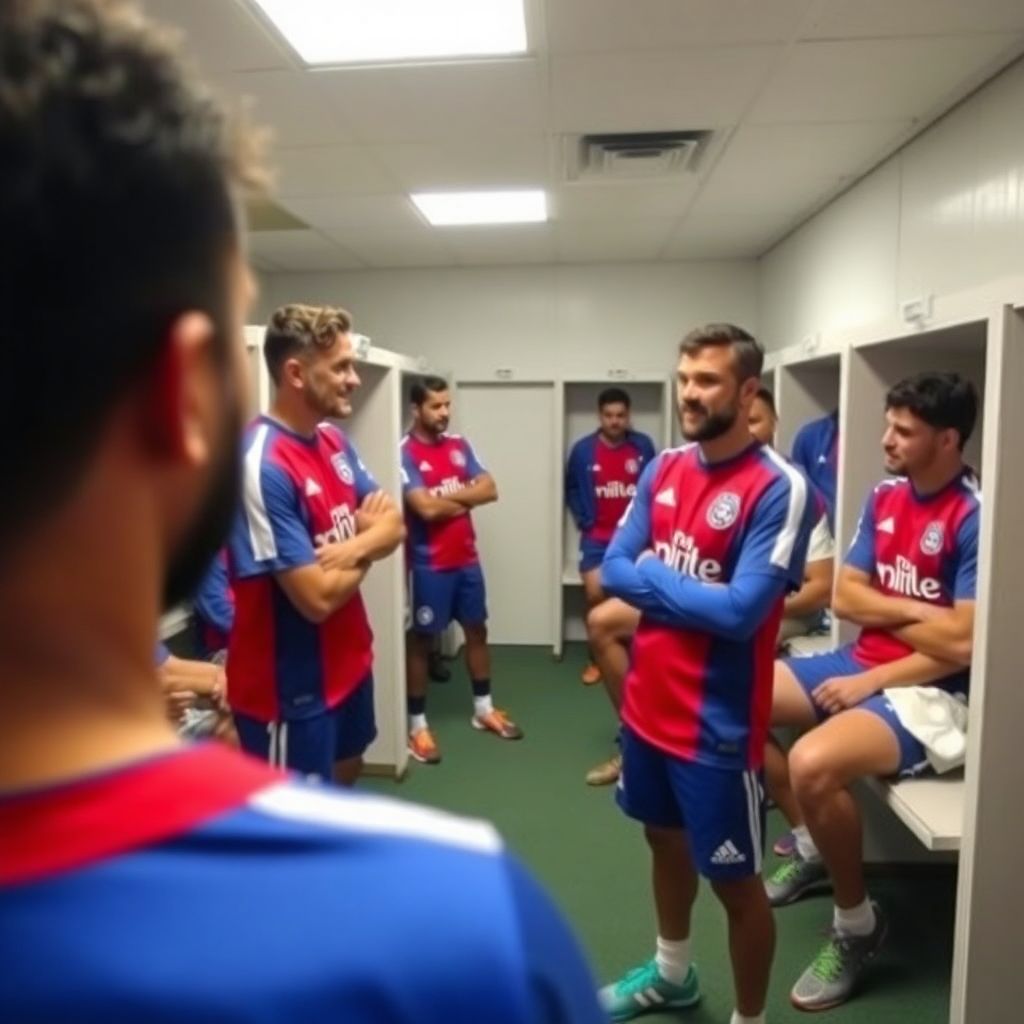
Escuché a los jugadores: joel huiqui y la nueva era campeona de cruz azul
«Escuché a los jugadores»: la fórmula de Joel Huiqui para llevar a Cruz Azul al título y marcar distancia con Larcamón El campeonato del Clausura 2026 no sólo significó una estrella más para Cruz Azul; también representó la confirmación de un nuevo liderazgo en el banquillo. Joel Huiqui, hoy al mando del equipo, explicó que…
-
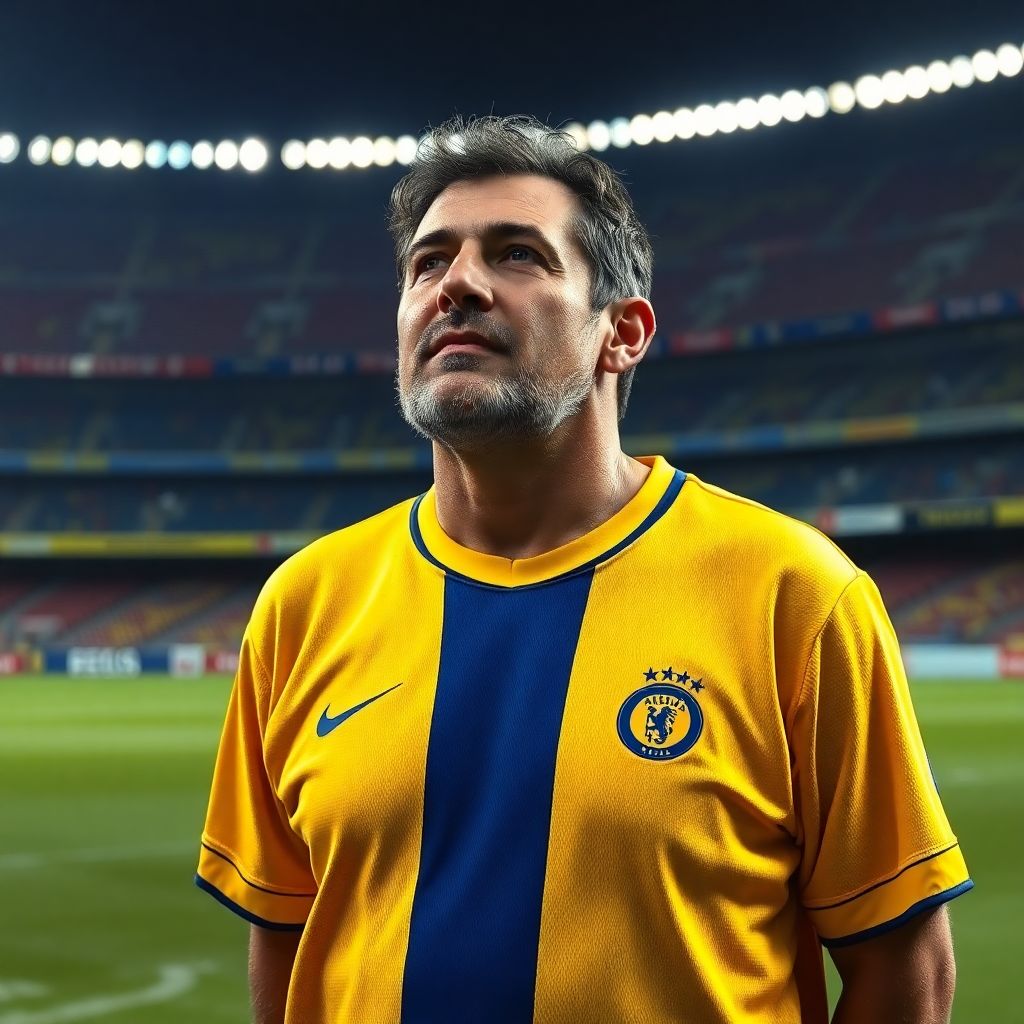
Henry martín en américa: el recorte salarial que definiría su futuro en coapa
El jugador del América que tendría que recortar su salario para continuar en Coapa Henry Martín ha sido, durante varios años, uno de los rostros más reconocibles del Club América. El delantero y capitán se convirtió en un símbolo azulcrema gracias a sus goles, su carácter dentro del vestidor y su peso específico en momentos…
-
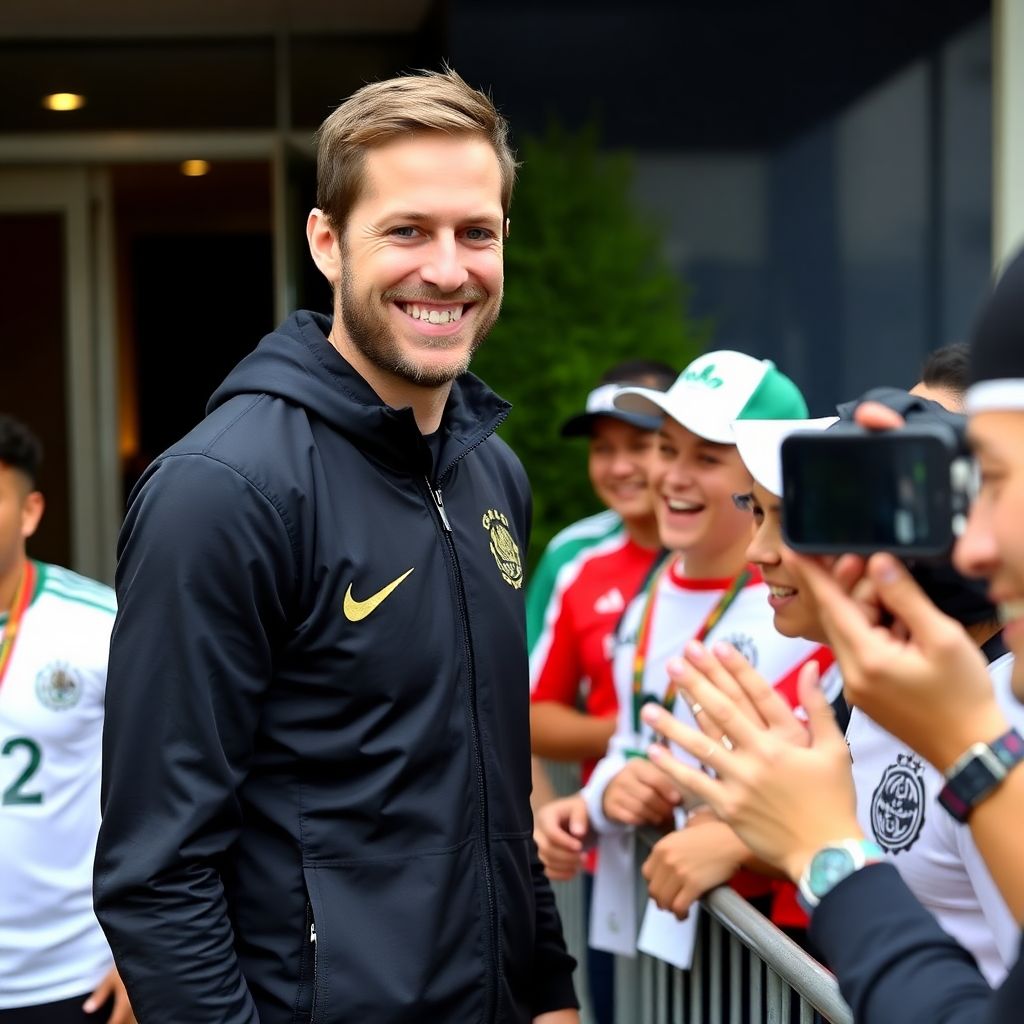
Thomas tuchel conquista a la afición mexicana antes del méxico vs inglaterra 2026
Thomas Tuchel conquista a la afición mexicana antes del México vs Inglaterra del Mundial 2026 La tensión crece conforme se acerca el esperado duelo de octavos de final entre México e Inglaterra en la Copa Mundial de la FIFA 2026. Sin embargo, en medio del ambiente de nerviosismo previo al partido, Thomas Tuchel, seleccionador de…
-
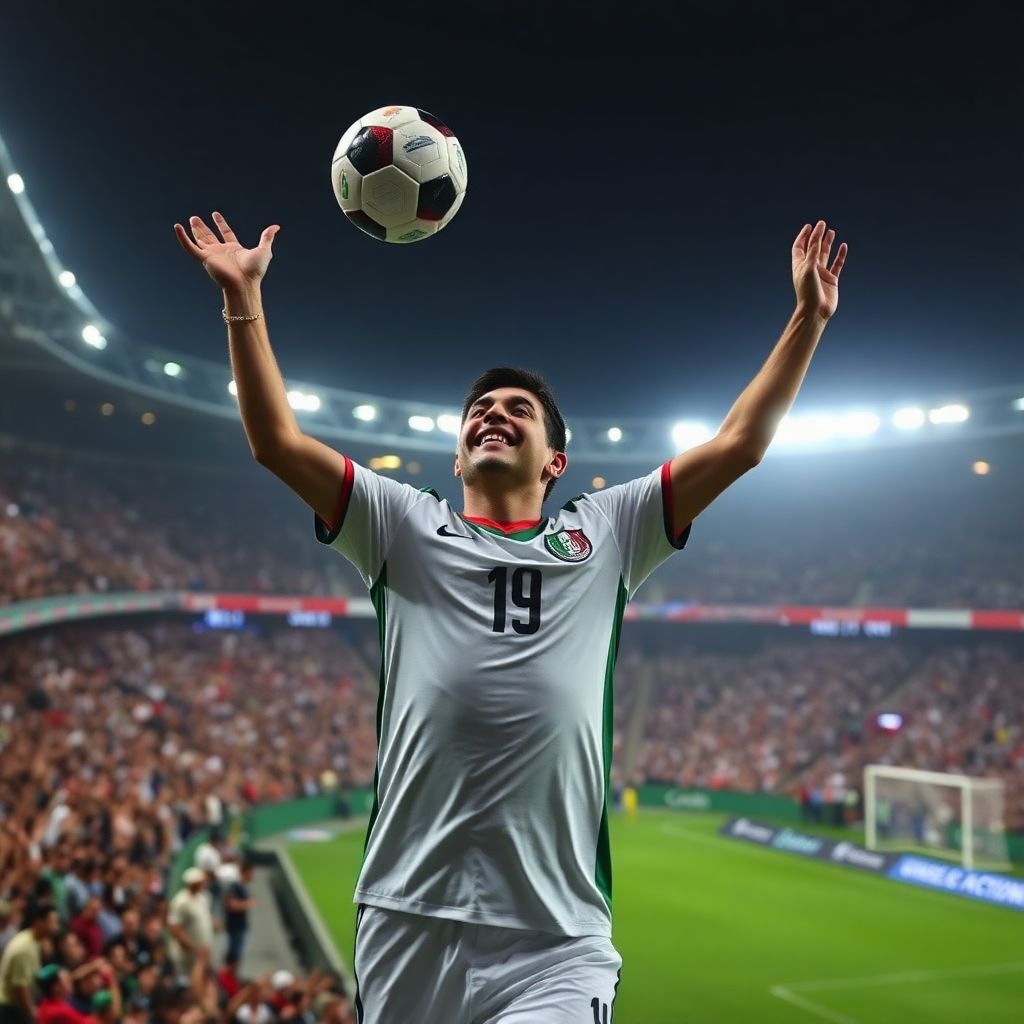
México vs inglaterra mundial 2026: fidalgo y el sueño de hacer historia en azteca
«Si quieres hacer historia, tienes que medirte a los mejores». Con esa frase, Álvaro Fidalgo resume el espíritu con el que la Selección Mexicana se prepara para enfrentar a Inglaterra en los Octavos de Final del Mundial 2026, un duelo que se jugará en un Estadio Azteca convertido en caldero y que podría marcar un…
-
Can football still be an act of cultural resistance in the hyper-capitalist era?
Football can still act as cultural resistance in a hyper‑capitalist era, but in partial, fragile ways. Resistance appears when communities use the game to defend local spaces, values and identities against commodification, while staying aware of co‑optation risks. The key is organised, safety‑minded, long‑term practice, not romantic, one‑off gestures. Core arguments: football as cultural resistance…