Categoría: Filosofía del Fútbol
-
Hermana de leandro paredes desata escándalo tras el mundial 2026 y las malvinas
Hermana de Leandro Paredes genera escándalo tras la pelea en la Final del Mundial 2026 La derrota de Argentina en la Final del Mundial 2026 frente a España sigue dejando coletazos dentro y fuera de la cancha. Esta vez, el centro de la polémica no fue solo Leandro Paredes, sino su hermana Bárbara, quien encendió…
-
Quiniela progol media semana 804: partidos, horarios y pronósticos expertos
Quiniela Progol Media Semana 804: partidos, horarios y pronósticos detallados La Quiniela Progol Media Semana 804 llega con una combinación muy atractiva de competencias: las semifinales de la Copa Mundial de la FIFA 2026, el inicio del Apertura 2026 de la Liga MX y duelos clave de la MLS y del Brasileirao. Es una de…
-
Luis romo tras el mundial 2026: descanso, cartas pokémon y foco en el apertura
Tras el Mundial 2026, Luis Romo cambia el chip: descanso, cartas Pokémon y mente puesta en el Apertura Luis Romo vive días de contraste. Menos de una semana después de haber terminado su participación en la Copa del Mundo de 2026 con la Selección Mexicana, el mediocampista de Chivas se encuentra en Nueva Jersey disfrutando…
-
Tigres y Ángel correa: river plate mantiene vivo el sueño para el apertura 2026
Tigres y Ángel Correa: el sueño de River Plate que sigue vivo rumbo al Apertura 2026 La Selección Mexicana ya cerró un capítulo doloroso en la Copa del Mundo 2026, tras caer 2-3 ante Inglaterra en un dramático duelo de octavos de final disputado en el Estadio Ciudad de México, el histórico Azteca. Con la…
-
Fan-consumer: how brands have colonized the modern stadium experience
The fan-consumer is the supporter whose matchday has been colonised by brands: every step in the stadium journey mixes emotion with purchase opportunities. In Spanish football grounds this means tickets, shirts, food, apps and content are designed as integrated commercial touchpoints, balancing revenue growth with reputational and cultural risk for clubs and sponsors. Defining the…
-

From field to trademark: how modern football lost its authentic soul
Modern football has shifted from the improvised potrero – street pitches, community-run clubs and informal creativity – to a global entertainment brand dominated by TV rights, sponsors and player marketing. Authenticity is lost when decisions prioritise visibility and monetisation over local culture, supporter agency and organic player development grounded in place and community. Core findings…
-
Tv rights and streaming platforms in football: how fragmentation shapes fans
Football TV rights define who can legally show matches, on which platforms, in which territories, and at what times. For Spanish fans, this explains why you need multiple services to follow La Liga and the Champions League. Understanding these rights helps you choose platforms smartly and manage fragmented match access. Core implications for football broadcasting…
-
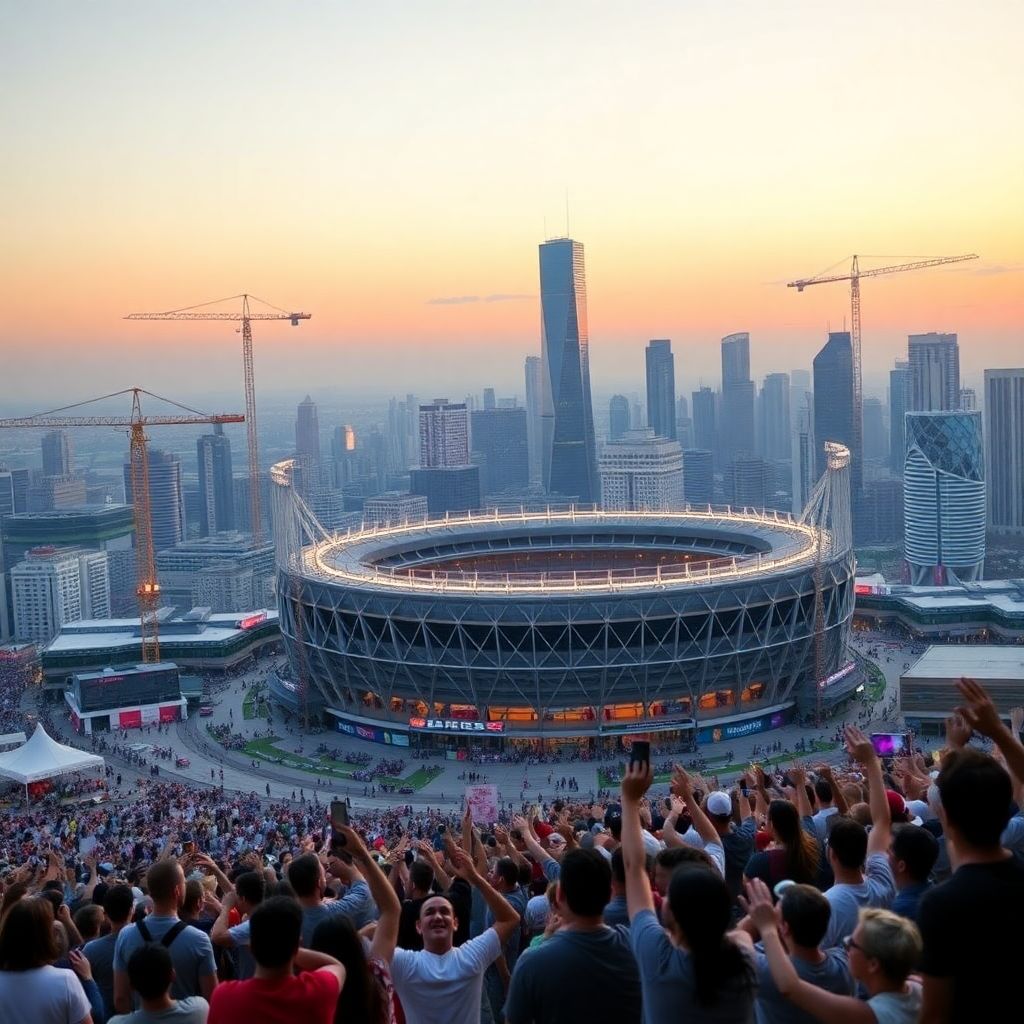
World cup impact on host city: urban, social and emotional legacy
The impact of a World Cup on a host city is a bundle of urban, economic, social and emotional changes that start years before the tournament and last long after. It includes new infrastructure, shifts in housing and tourism, community programs, memories and narratives, plus cheaper legacy options for cities with limited resources. Snapshot: how…
-
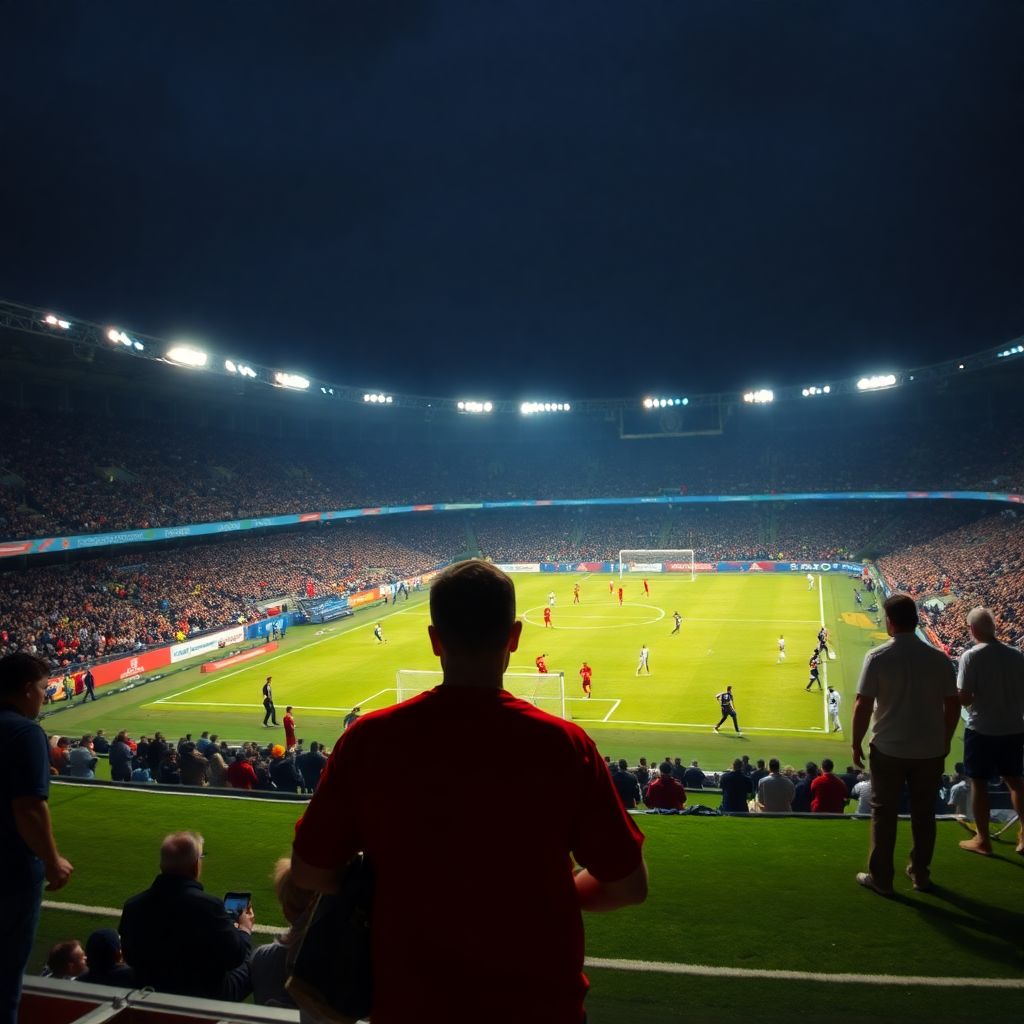
Can football be art?. A philosophical look at aesthetics and the spectator’s experience
Football can be considered art if we focus on its form, creativity and expressive power, not only on the result. Philosophical aesthetics helps distinguish when play acquires artistic value and when it remains mere entertainment. The spectator’s experience, institutions and media all shape this fragile, context‑dependent status. Thesis and Practical Implications for Viewing Football as…
-
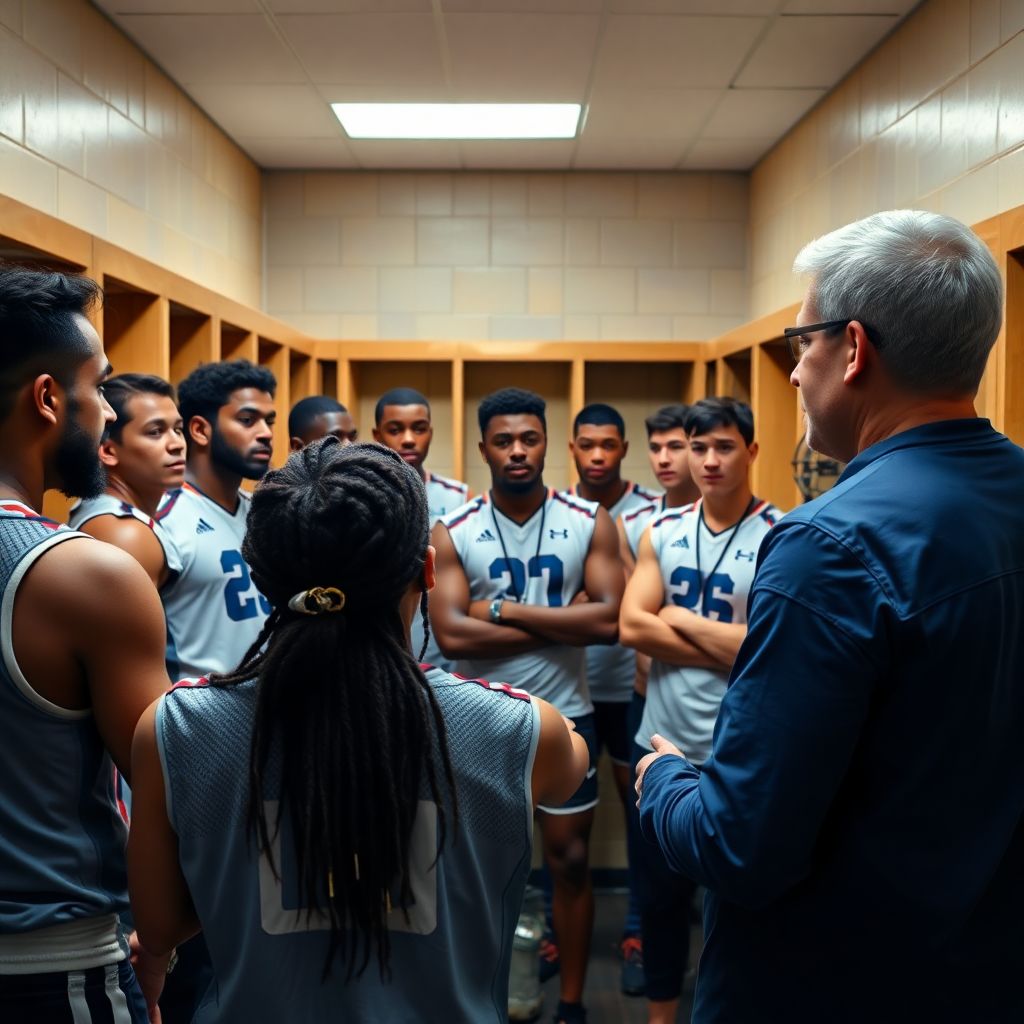
Captains, coaches and leadership: what authority do we need today
In the locker room and in society we need authority that combines clear role power (captain, coach, institution) with earned moral credibility and competence. Good captains and coaches do not rely only on shouting or titles: they give direction, listen, protect standards, and make others stronger and more autonomous. Core conclusions on captaincy, coaching and…