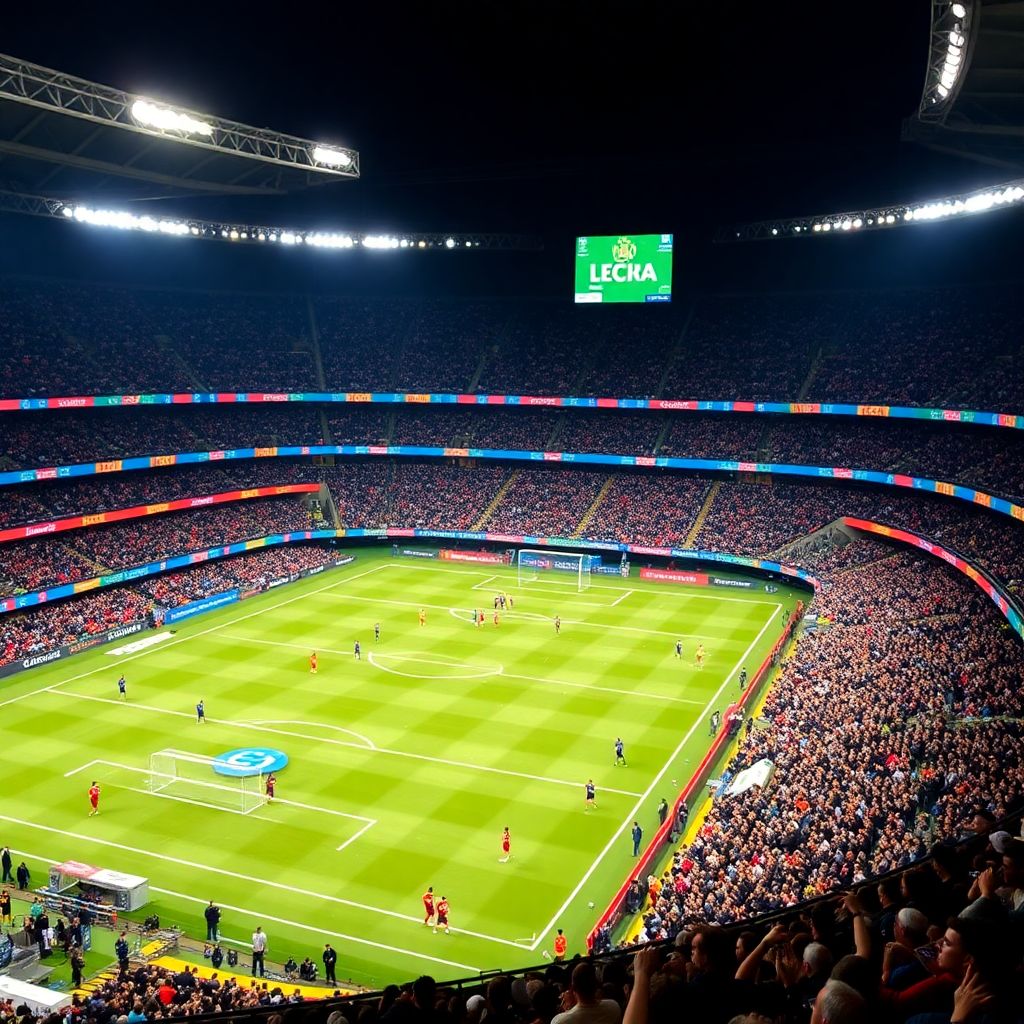
The fan-consumer is the supporter whose matchday has been colonised by brands: every step in the stadium journey mixes emotion with purchase opportunities. In Spanish football grounds this means tickets, shirts, food, apps and content are designed as integrated commercial touchpoints, balancing revenue growth with reputational and cultural risk for clubs and sponsors.
Defining the fan‑consumer in modern stadiums
- The fan is seen simultaneously as emotional supporter and high-intent consumer inside the venue.
- Brand touchpoints are embedded in every phase of the stadium journey, from approach to post-match.
- Sports marketing teams treat the matchday as a live retail and media platform.
- Convenience and entertainment are used to justify commercial saturation of the space.
- Risks include over-commercialisation, loss of identity and erosion of traditional supporter culture.
- Clubs need clear criteria to filter patrocinios de fútbol para marcas by fit, ethics and long-term impact.
Historical shift: from supporter culture to commercial audience
The move from «hincha» to «fan-consumer» accelerated when clubs professionalised marketing deportivo en estadios de fútbol. Stadiums in La Liga and across Europe stopped being just viewing spaces and became controlled environments for transactions, data capture and branded storytelling.
This created a hybrid identity. The same person sings, suffers and celebrates, but is also segmented, retargeted and measured as a customer. Tickets, memberships, dynamic pricing and hospitality packages treat loyalty as a monetisable asset. The match is still the core product, yet everything around it becomes inventory.
Brand involvement moved from simple static banners to naming rights, branded stands, partner-operated food courts and immersive experiencias de marca para aficionados en el estadio. Clubs realised that the emotional intensity of live football makes the stadium one of the most powerful environments to build and reinforce consumer preferences.
The tension lies in limits. Traditional supporter culture values authenticity, spontaneity and collective rituals. Commercial logic prioritises monetisation, data and sponsor delivery. The contemporary stadium is where these logics collide, and where the fan-consumer identity is negotiated in real time.
Mechanisms of brand integration inside the venue
Brand integration in football venues combines infrastructure, content and services. The following mechanisms are the most common, ordered roughly from easiest to implement and lowest risk to more complex and sensitive interventions.
- Static and digital signage – Classic publicidad de marcas en estadios de fútbol on LED boards, backdrops, tunnels and concourses. Operationally simple and relatively low risk if visual clutter is controlled.
- Product exclusivity and pouring rights – Beverages, snacks, betting, mobility or payments brands gain exclusive access. Easy revenue for clubs but risky when products clash with fan values or regulations.
- Matchday activations and experiences – Branded fan zones, half-time contests, AR games and photo points. Medium complexity; risk depends on whether experiences interrupt or enrich core rituals.
- Integrated digital layers – Apps, Wi‑Fi portals and social content connect in-stadium behaviour with online journeys. Higher tech and data compliance requirements, but strong upside for long-term fan profiling.
- Space naming and architectural branding – From stadium naming rights to branded gates, sectors and lounges. High impact and high risk: visible every match and constantly judged by supporters and media.
- Payment, loyalty and data ecosystems – Club wallets, co-branded cards, and tiered loyalty programs that reward spending more than chanting. Complex to manage and easily criticised if they create a «pay to belong» feeling.
Behavioral changes: how consumption reshapes fan rituals
Brand mechanisms translate directly into changed fan behaviour and new matchday habits. Understanding these scenarios helps clubs calibrate their estrategias de branding para clubes de fútbol.
Scenario 1: Arrival and pre-match build-up
Before kick-off, fans move through sponsor-branded transport hubs, gates and fan zones. Food and beverage partners push early arrivals with bundles and entertainment. The ritual of meeting at the bar or plaza evolves into a curated commercial corridor, convenient but heavily steered by contracts.
Scenario 2: In-bowl attention and second screens
Inside the bowl, LED boards, big screens and club apps compete with the game for attention. Push notifications, instant offers and interactive polls encourage fans to look at their phones. The match becomes both spectacle and trigger for in-game campaigns (discounts when a star scores, for example).
Scenario 3: Half-time as commercial peak
Half-time is now the prime window for activations: sponsor shows on the pitch, QR hunts, and premium seat upgrades. Traditional conversations about tactics share space with prize draws and promotions, reinforcing the perception that every pause is a shopping moment.
Scenario 4: Post-match exit and digital retargeting
After the final whistle, branded content wraps up the narrative: «moment of the match» by a sponsor, exclusive offers in the store, or transport discounts. Online journeys continue via email, push messages and social campaigns, turning each visit into a data point for future segmentation.
Scenario 5: Membership, identity and social status
Tiered memberships, VIP areas and hospitality zones sponsored by banks or airlines reposition status inside the fan base. Access and comfort become markers of belonging, while shared terraces and single-class stands shrink, subtly reconfiguring the community structure of the stadium.
Revenue models and the economics of in‑stadium activation
Clubs and brands choose between models by weighing ease of implementation against financial, reputational and regulatory risks. The comparison below focuses on typical trade-offs in Spanish and European football venues.
Advantages of intense brand integration
- Diversified, less volatile income – Sponsorship, naming rights and in-stadium sales partly shield clubs from on-pitch performance swings.
- Higher asset yield per seat – Each spectator becomes an opportunity for multiple transactions, improving revenue per visit.
- Data-enriched marketing – Digital tools and activations create detailed profiles, enabling more precise patrocinios de fútbol para marcas and dynamic pricing strategies.
- Co-investment in infrastructure – Major partners often fund renovations, technology and fan-zone build-outs that clubs could not finance alone.
Limitations and key risk areas
- Brand overexposure – Excessive publicidad de marcas en estadios de fútbol dilutes impact and irritates fans, reducing both sponsor ROI and atmosphere quality.
- Dependence on controversial sectors – Betting, alcohol or short-term fintech deals bring fast money but can clash with family positioning and regulatory trends in Spain and the EU.
- Erosion of perceived authenticity – If every chant, gate or historic stand is sponsored, fans question whether club identity is for sale, which harms long-term loyalty.
- Operational complexity – Overlapping contractual rights, restricted zones and activation calendars increase friction for stadium staff and can degrade the basic matchday experience.
- Unequal fan experience – Aggressive premiumisation risks creating a two-speed stadium: highly curated for high spenders, generic or neglected for regular supporters.
Regulation, ethics, and limits of brand presence
In Spain and Europe, public policy, league guidelines and social expectations increasingly shape what brands can and should do inside stadiums. Several recurring errors and myths distort decisions.
- Myth: «More logos mean more money» – Clutter reduces value. A smaller set of well-integrated partners, each with clear narrative territory, usually outperforms a wall of unrelated brands.
- Error: Ignoring youth and family sensitivity – Overexposing children to betting or high-sugar products can trigger backlash and regulatory scrutiny, undermining long-term marketing deportivo en estadios de fútbol plans.
- Myth: Naming rights always damage tradition – Resistance is real, but it can be mitigated by hybrid formulas (keeping part of the historic name) and transparent reinvestment of revenue into academy or community projects.
- Error: Weak consent and data governance – Collecting fan data via apps and Wi‑Fi without crystal-clear consent and controls risks reputational damage and sanctions under GDPR.
- Myth: Ethical partners are less profitable – In practice, value-aligned sponsors often stay longer, activate more deeply and fit better with estrategias de branding para clubes de fútbol centered on community and sustainability.
Practical design checklist for preserving fandom while monetizing
The following checklist helps Spanish clubs and brands design experiencias de marca para aficionados en el estadio that are commercially effective without emptying the game of meaning.
Step-by-step design logic (concept-to-practice)
- Map the sacred zones – Identify where commercial presence must stay minimal: club crest, anthem, key chants, ultras sections, memorial areas, and traditional gathering points.
- Define acceptable intensity per phase – For approach, entry, in-bowl, half-time and exit, set clear ceilings for messaging frequency and number of concurrent activations.
- Classify partners by risk – Segment potential sponsors as low, medium or high risk based on sector sensitivity, brand reputation and alignment with club values.
- Choose the lightest effective mechanism – For each objective (awareness, data, sales), start with the least intrusive tool: digital signage before naming rights; opt-in app offers before mandatory registrations.
- Test with fan panels – Present activation plans to diverse supporter groups, including season-ticket holders and away fans, and iterate based on concrete feedback.
- Build a red-line policy – Formalise what the club will never sell or rename, and which sectors are excluded, to give clarity to patrocinios de fútbol para marcas discussions.
- Measure both revenue and relationship – Track not only income but also satisfaction, atmosphere ratings and complaints, adjusting brand presence when negative signals appear.
Mini-case: contrasting two approaches
Two mid-table Spanish clubs seek extra income from a telecom sponsor. Club A sells full naming rights plus aggressive in-bowl promo. Implementation is easy contractually but triggers fan protests and media criticism, creating long-term risk despite the short-term cash injection.
Club B keeps the historic name, offers a branded stand, improved stadium Wi‑Fi and a data-driven app with opt-in benefits. Commercial upside is slightly lower at first, but the integration feels like added service rather than intrusion. Brand and club reputations improve, and future negotiations start from a position of trust.
Common operational questions about fan‑consumer dynamics
How do we decide which brands are a good fit for our stadium?

Assess sector risk, reputation in Spain, alignment with club values and capacity for useful activations. Prioritise partners who can improve the fan experience, not just pay high fees, and formalise exclusion criteria in advance.
What is the safest entry point for new sponsors inside the venue?
Start with limited, clearly framed assets: LED boards, content segments on big screens, and small fan-zone presences away from the most traditional stands. Evaluate fan reactions before expanding visibility or rights.
How much commercial content is too much during a match?
Monitor complaints, social media sentiment and in-bowl observation. If fans must constantly divert attention from play to ads or announcements, the threshold is exceeded. Use half-time and pre-match peaks rather than constant interruptions.
Can we monetise ultras or singing sections without killing the atmosphere?
Keep direct branding away from core visual and vocal identity. Offer indirect support instead: funding tifos, sound systems or travel in exchange for subtle recognition, avoiding logo dominance in those areas.
What role should our app play on matchdays?
The app should facilitate logistics (tickets, access, food ordering) and provide optional engagement layers. Avoid mandatory interactions or intrusive push messages that force fans to split attention from the game.
How do we balance exclusive deals with fan freedom of choice?
Limit exclusivity to reasonable categories and ensure the offer is good quality and fairly priced. Where possible, allow at least some diversity (e.g., multiple food options even with a main catering partner).
Do smaller clubs benefit from the same strategies as big clubs?
Smaller clubs should focus on fewer, deeper local partnerships and low-cost experiential tactics. Mega naming deals and heavy premiumisation are harder to sustain and may clash with strong community identities.