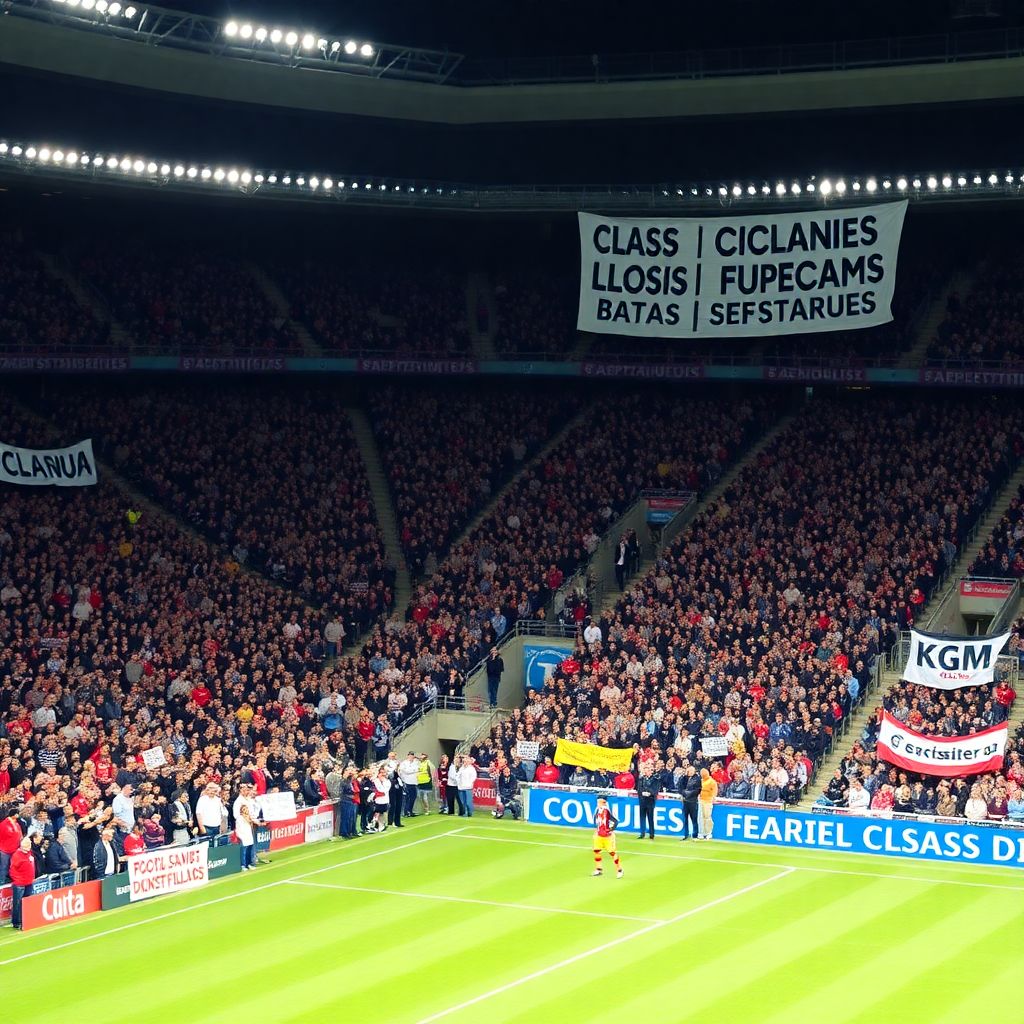
Football reflects how a society organises power, identity and conflict: who plays, who pays, who is heard and who is excluded. Pitches, clubs and stadiums expose class divides, political uses of emotion and patterns of racism or sexism. Reading the game critically helps detect and prevent these distortions.
Top findings at a glance
- Football never exists outside society; it amplifies existing hierarchies around money, gender, race and territory.
- Myths like football being apolitical or a perfect meritocracy hide structural inequalities on and off the pitch.
- From workers' clubs to ultras, local football cultures in Spain show how class and neighbourhood shape identities.
- Stadiums are tools for soft power: governments, brands and movements compete to occupy this symbolic space.
- Commercialisation improves infrastructure and visibility but deepens labour inequality between stars and precarious workers.
- Gender and racial inclusion advance slowly; quick wins come from transparent rules, data and consistent sanctions.
Debunking common myths about football and society
Speaking of football as a mirror of society means analysing how the game condenses broader social forces: class structure, political tension, urban change, media power and global markets. The mirror is not neutral; it enlarges some features, hides others and sometimes distorts what people believe about themselves.
A first widespread mistake is treating football as a closed bubble, separate from politics or economics. In reality, club ownership models, stadium locations, ticket prices and TV deals are political decisions that shape who belongs and who is pushed out, especially in leagues like La Liga.
A second myth is the idea of pure meritocracy: the belief that talent and effort alone explain success on the pitch. Access to quality pitches, academies, nutrition and time to train depends on family income, gender expectations and migration status. Ignoring this feeds unfair judgments about "hunger" or "attitude" in players.
A third error is romanticising fan culture as always authentic and harmless. Ultras, peñas and barras are powerful spaces of solidarity, but can also reproduce racism, sexism and violent nationalism. Prevention begins by accepting this dual nature instead of idealising "the atmosphere" and dismissing problems as isolated incidents.
Historical trajectories: how football reflected social change
- Industrialisation and workers' culture. Early clubs in Europe often emerged around factories, ports or railway companies. Football expressed new urban identities and gave workers a collective space to negotiate pride and resentment toward elites.
- Dictatorships and controlled passions. Under regimes such as Francoism, football in Spain served both as escape and as a controlled outlet for collective emotion. State authorities tried to manage stadiums as "safe" spaces for nationalism while censoring other forms of protest.
- Democratisation and regional identities. With the transition to democracy, clubs like FC Barcelona or Athletic Club became symbols of Catalan and Basque identity. Matches expressed debates about autonomy, language and memory that could not be fully solved in parliament.
- Globalisation and television. The rise of satellite TV and global sponsorships turned top clubs into brands with worldwide audiences. Local rivalries like Real Madrid-Barça became global spectacles, exporting domestic political narratives and creating new consumer-based identities.
- Migrant flows and multicultural squads. As migration intensified, squads reflected new demographic realities. Teams in La Liga and lower divisions now include players from Latin America, Africa and Eastern Europe, revealing tensions around integration, racism and national belonging.
- Digital media and fan influence. Social networks allowed fans to coordinate protests, launch campaigns and pressure clubs on decisions from signings to social causes. Football mirrors the broader shift towards participatory yet polarised digital politics.
Local pitches as identity markers: class, community and belonging
Local pitches, from barrio cages to municipal fields, show how class and territory shape who feels football "belongs" to them. Reading these spaces helps detect social fractures early and design inclusive policies in cities and small towns across Spain.
- Neighbourhood pitches and class lines. In many Spanish cities, well-maintained turfs cluster in wealthier areas or private schools, while working-class neighbourhoods make do with worn-out fields. This gap turns early talent development into a class issue rather than a simple question of discipline.
- Peñas, bars and street corners. Where and how fans gather says a lot about social structure: bar-based peñas in older barrios, mixed-gender fan clubs in new developments, family-oriented spaces near malls. Each configuration reflects who is allowed to occupy public space during match days.
- Rural clubs and depopulation. Small-town clubs often struggle with shrinking squads and budgets as young people migrate to cities. When a team disappears, the village loses a key ritual of cohesion, showing how demographic trends erode collective identities.
- Immigrant leagues and parallel worlds. Sunday leagues formed around Latin American or African communities can become parallel football ecosystems, vibrant yet invisible to local institutions. When there is no bridge to municipal structures, stereotypes and mistrust on both sides harden.
- School fields and early segregation. In school breaks, boys often occupy the central pitch, pushing girls and less confident kids to the edges. This everyday choreography mirrors gender norms and confidence gaps that later appear in professional pathways and media coverage.
Stadiums and statecraft: politics, propaganda and protest
Stadiums are strategic stages where governments, clubs, sponsors and movements compete to control symbols, chants and images. Understanding their advantages and limitations as political arenas helps avoid two symmetrical errors: overestimating their power or dismissing them as "just entertainment".
Political strengths of stadium spaces
- Mass visibility in a single frame. Choreographies, tifos and banners compress complex messages into images broadcast worldwide, giving local causes unexpected reach.
- Ritual repetition. Anthems, flags and routines reproduce narratives week after week, embedding ideas of nation, region or class into embodied habits.
- Emotional intensity. Victories and injustices generate strong affect; linking a cause to these moments makes it stick in collective memory more than formal speeches.
- Negotiation pressure. Coordinated fan protests can pressure club owners, sponsors or authorities, especially when they threaten the global brand or TV product.
Limits and risks when using football politically
- Control by owners and police. CCTV, ticketing systems and security protocols give institutions levers to censor banners, choreographies or chants they dislike.
- Commercial noise. Sponsors saturate the space with logos and campaigns, diluting or co-opting critical messages into marketing-friendly slogans.
- Fragmented audiences. VIP boxes, tourism and casual fans weaken the shared culture needed for sustained, coherent political messages.
- Scapegoating. Authorities may blame "radical fan minorities" for structural issues like poverty, racism or police violence, shifting attention away from policy choices.
The economics of the game: commercialization, labor and inequality
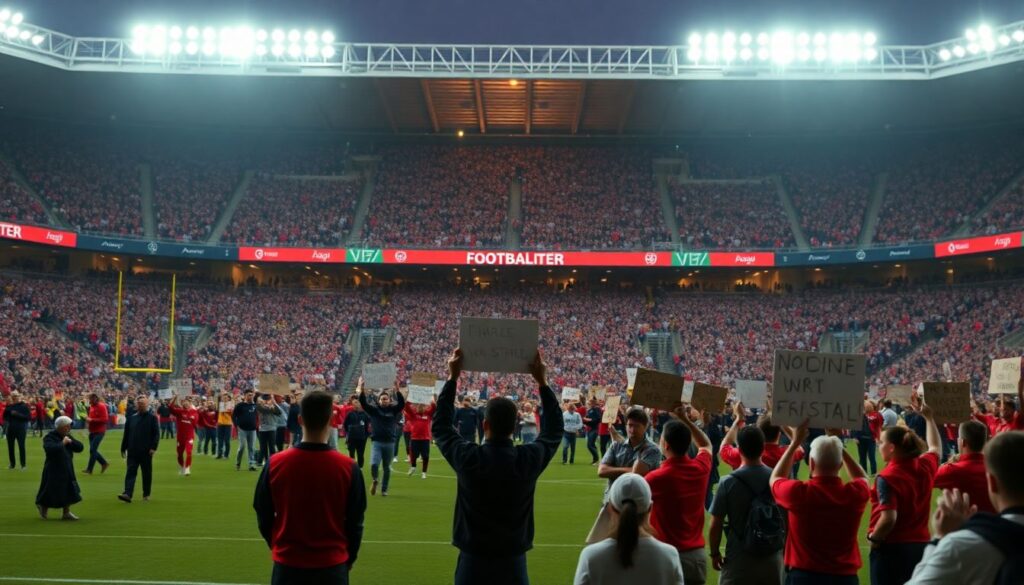
Money flows in football generate opportunity and exclusion at the same time. Several recurring misunderstandings prevent fans, journalists and even local officials from addressing inequality and labour abuse effectively.
- Error: assuming more money automatically improves fairness. New investment can mean better pitches, analytics and visibility, but without regulation it mostly benefits owners and star players. Quick fix: ask "who gains concretely?" from each reform, and track effects on youth academies, women's sections and non-playing staff.
- Error: equating club success with community well-being. A promoted team does not guarantee better jobs or services in the neighbourhood. Rapid gentrification around stadiums can actually push residents out. Quick fix: demand clear social clauses in urban projects, beyond symbolic CSR campaigns.
- Error: ignoring hidden labour behind the spectacle. Cleaners, stewards, caterers and youth coaches often work precarious shifts around matches. Quick fix: support transparency about contracts and subcontractors, and treat labour conditions as part of being a "good fan".
- Error: romanticising "local ownership" without scrutiny. Local businessmen are not automatically more ethical or democratic than foreign funds. Quick fix: evaluate ownership models by governance rules, fan representation and financial transparency, not passports or rhetoric.
- Error: blaming players alone for wage gaps. Star salaries symbolise inequality, but contracts reflect bargaining power within a bigger system of TV rights and sponsorships. Quick fix: follow the money upstream: how are broadcast revenues negotiated and distributed across divisions and genders?
Gender, race and inclusion: contested terrains on and off the field
Gender and racial dynamics in football show how inclusion is not a one-time reform but a continuous struggle. A short example illustrates how everyday decisions can either reinforce or challenge broader social patterns in Spain.
Consider a mid-level club in a Spanish provincial city deciding how to allocate new municipal funding. The board faces pressure to expand the men's first-team squad, while coaches from the women's and youth sections request better training slots on the main pitch and access to physios.
If the club simply follows tradition, the men's team receives most of the budget and prime-time slots; women and younger players train late at night on poorer surfaces. This "practical" choice reproduces gender hierarchy and narrows the pipeline for future talent, despite public commitments to equality.
Instead, the club could adopt three quick preventive measures: 1) publish clear criteria for budget and pitch allocation; 2) include representatives from women's and youth teams in planning meetings; 3) monitor participation and injury data by gender and age. These small steps do not solve every injustice, but they turn the pitch into a more accurate, and more just, reflection of the diverse society around it.
Concise answers to recurring questions
Why is football described as a mirror of society?
Because power relations, prejudices and aspirations that exist in everyday life reappear around clubs, pitches and fan cultures. Who gets resources, recognition and safety in football usually follows broader social patterns rather than existing outside them.
Can football really change society, or does it only reflect it?
Football reflects society but also shapes it by reinforcing or challenging norms. Decisions about access, language, sanctions and investment can reduce inequalities or make them worse, especially given the sport's emotional influence and media reach.
Is it possible to keep politics out of football?
Not realistically. Choices about flags, anthems, public funding, TV regulation and even match scheduling are political. The useful question is how to manage this political dimension transparently and fairly, rather than pretending it does not exist.
How can fans quickly spot social problems around their club?
Observe who is missing in the stands and on the pitch, who does unpaid or precarious work, and whose chants or banners are policed more harshly. These patterns point to issues of class, gender, race and power that deserve attention.
What practical steps can local clubs take to be more inclusive?
Set transparent criteria for budgets and facilities, diversify decision-making bodies, collect data on participation and incidents, and enforce clear codes against discrimination with real sanctions. Small, consistent measures usually work better than occasional high-profile campaigns.
Does commercialisation always damage the "soul" of football?
Commercialisation brings both risks and opportunities. It can fund infrastructures and women's sections, but can also price out local fans and deepen inequalities. The key is regulating how money is distributed and ensuring communities have a voice in big decisions.
Why focus so much on gender and race in the context of football?
Because stadiums, academies and fan zones are places where everyday sexism and racism become highly visible and normalised. Tackling these issues in football has spillover effects, challenging prejudices that also operate in schools, workplaces and politics.
Комментарии