Categoría: Historia del Fútbol
-
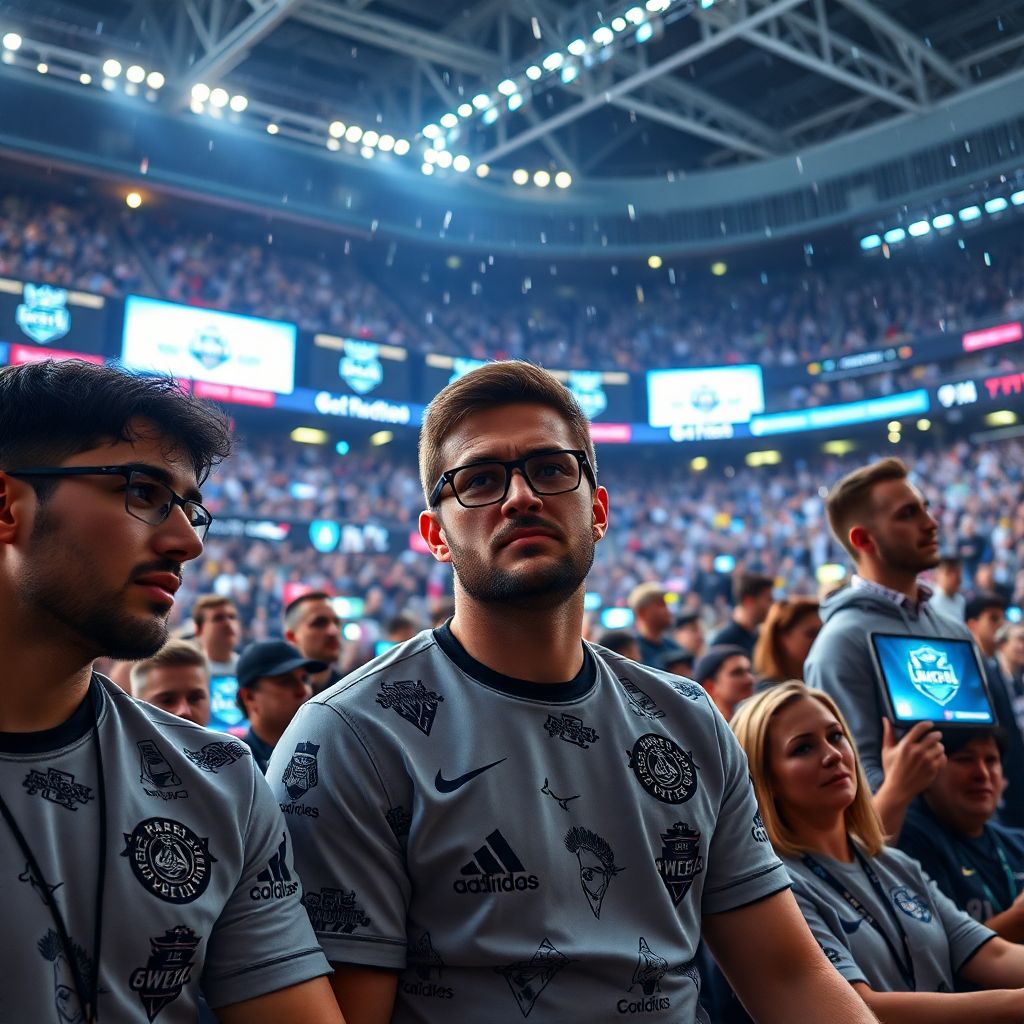
El hincha-consumidor: from passionate fan to client and its cultural consequences
The fan-consumer is a supporter redefined as a paying client whose value is measured through tickets, memberships, data and brand interactions. This shift transforms match-day passion into ongoing consumption, changes how clubs design experiences, and introduces tensions between community identity, revenue growth and cultural continuity in Spanish and global football. Core shifts defining the fan-to-consumer…
-
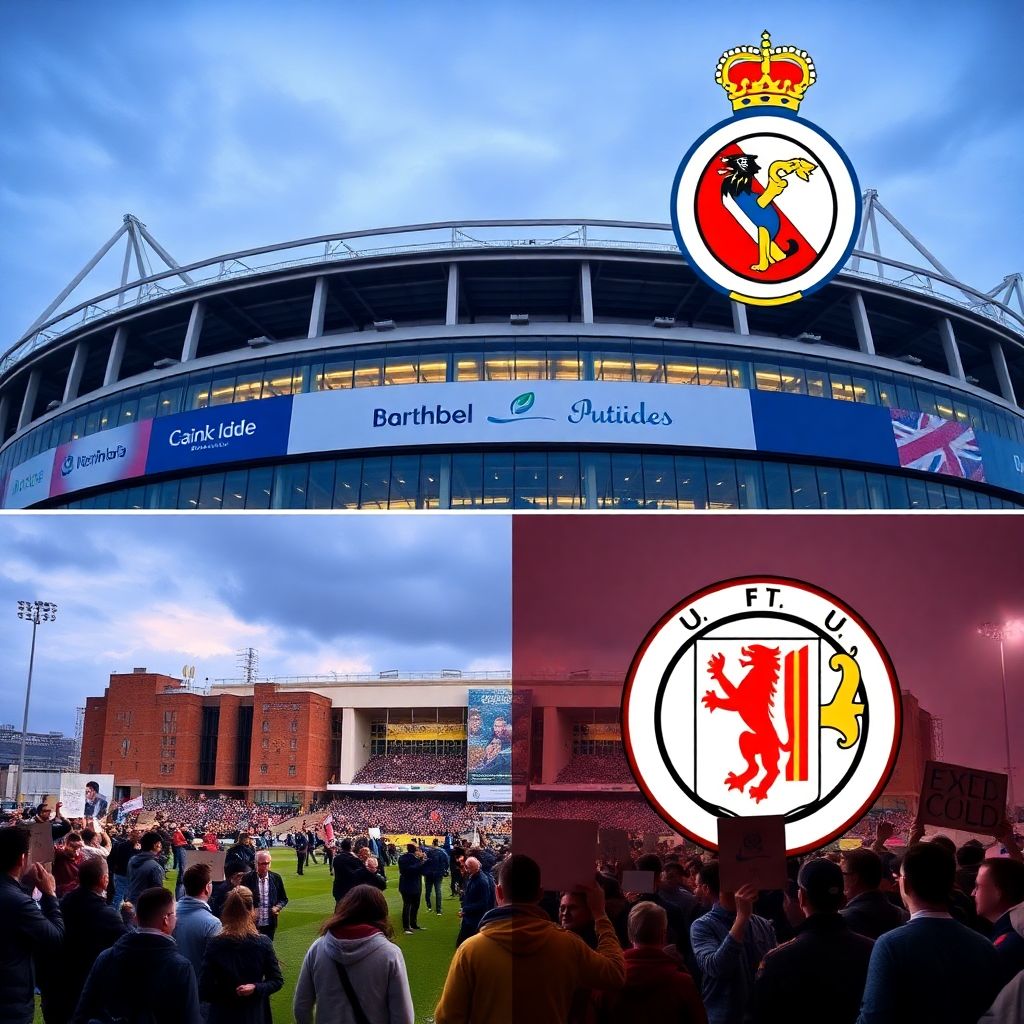
When the club becomes a brand: crest redesigns, naming-rights stadiums and lost history
When a football club becomes a brand, crest redesigns, stadium naming rights and aggressive sponsorship can raise revenue but also trigger backlash and loss of historical memory. The safest path is phased, participatory changes, clear limits on commercial use of symbols, and contracts that protect identity while monetising assets. Core essentials for the club-as-brand shift…
-
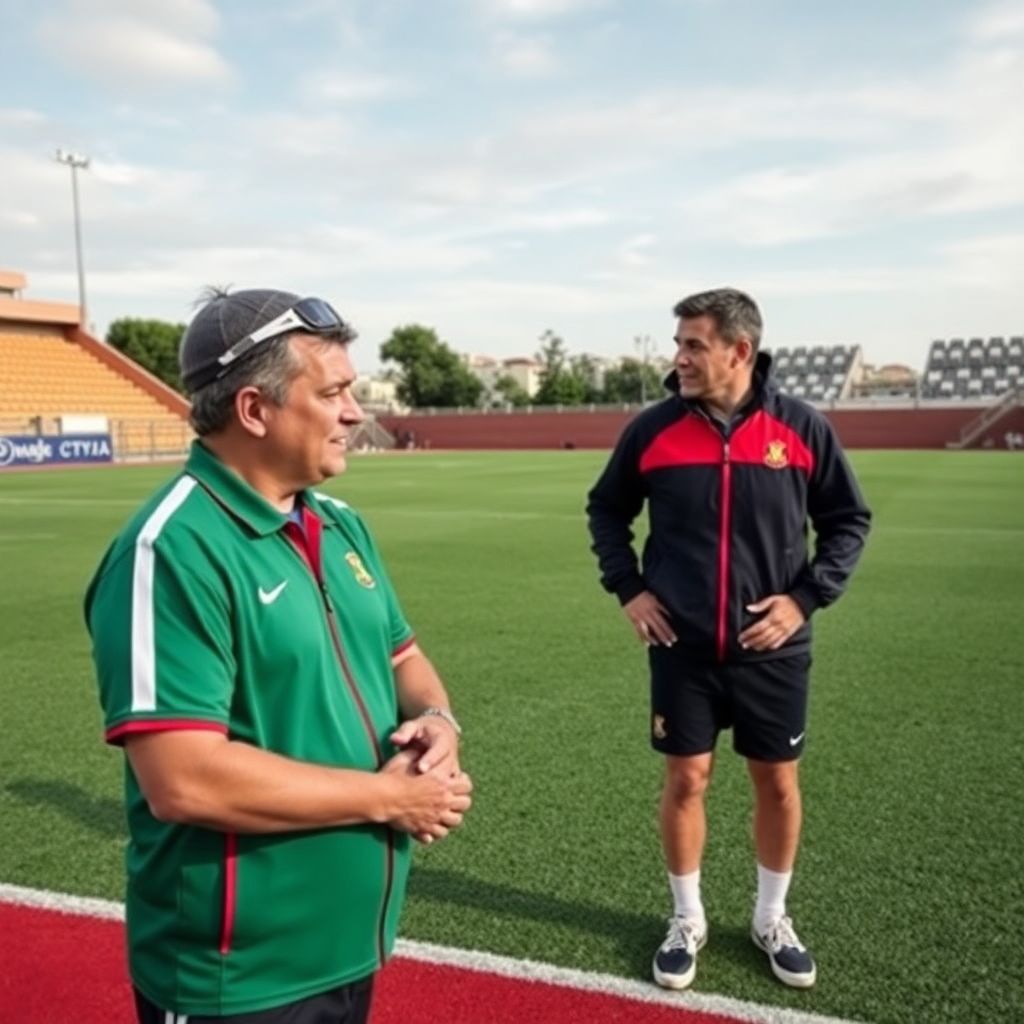
The strong man myth on the bench: authoritarian leadership, results and ethics
The «strong man» coach myth says harsh, authoritarian leadership guarantees results and respect. In reality, it sometimes produces short bursts of performance but often damages motivation, trust, and ethics. Safer, more sustainable coaching in Spanish sport combines clear authority, player voice, psychological safety, and robust safeguards against abuse and maltreatment. Myths That Shape the ‘Strong…
-

Fútbol and childhood: how play shapes imagination, friendship and justice
Football in childhood builds imagination, friendship and a sense of justice when adults protect free play, listen to kids’ rules and model fair behaviour. In playground matches, escuelas de fútbol para niños and campamentos de fútbol infantil verano, children rehearse cooperation, rivalry and conflict resolution in a low‑risk setting that shapes how they see others…
-
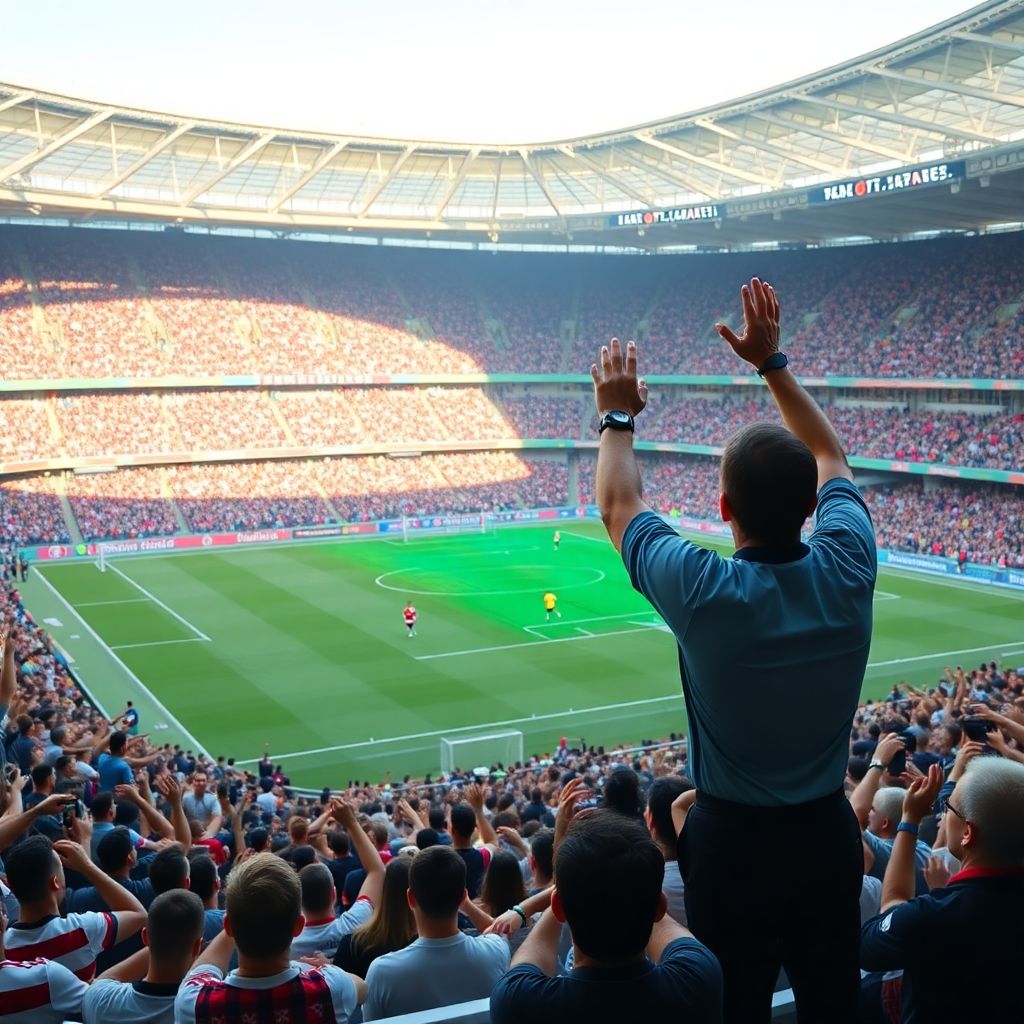
Var and the loss of epic drama: does it improve fairness or kill footballs soul?
VAR improves refereeing consistency but inevitably cuts into spontaneous emotion, especially in goal celebrations and dramatic finales. The best balance is not binary: leagues can tune protocols, communication, and time limits to protect epic moments while keeping clear errors rare. Your choice should follow your league’s culture, fan profile and commercial model. Quick verdicts on…
-
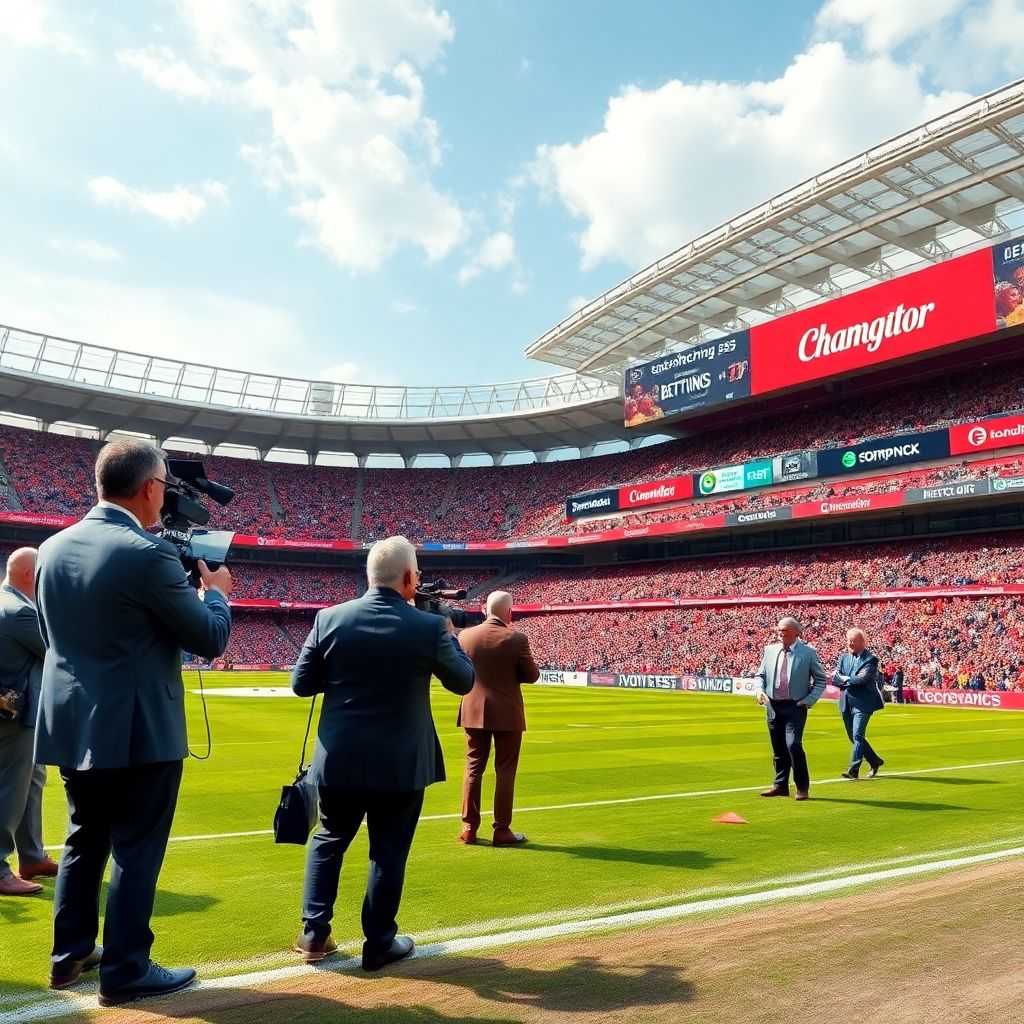
Sponsorships, betting firms and Tv rights: inside footballs money machine
Football sponsorships, betting companies and TV rights form a single commercial ecosystem: brands pay for visibility, broadcasters pay for exclusive content, and leagues and clubs monetise audiences. The real business of the ball is about packaging those audiences and negotiating long-term contracts that balance cash, risk, regulation and sporting integrity. Concise overview of the business…
-
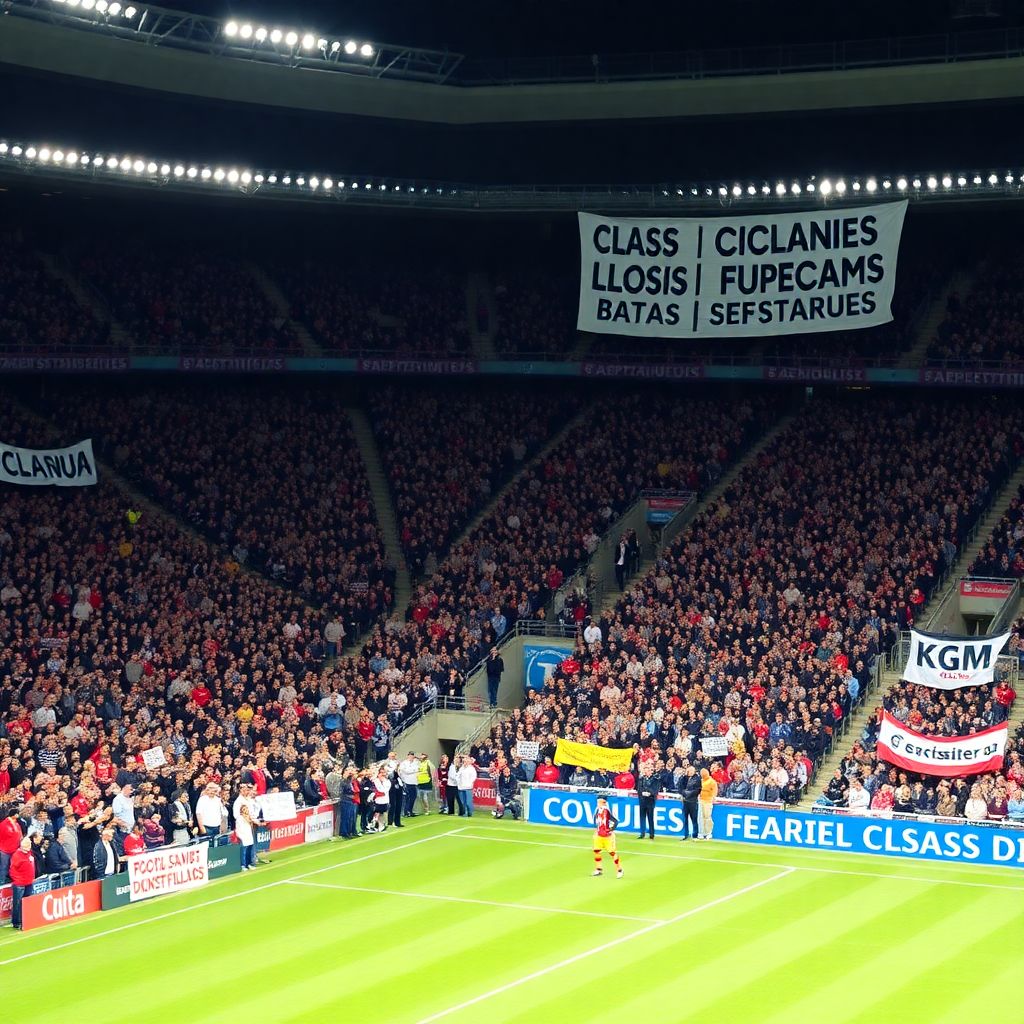
Football as a mirror of society: what our pitches reveal about us
Football reflects how a society organises power, identity and conflict: who plays, who pays, who is heard and who is excluded. Pitches, clubs and stadiums expose class divides, political uses of emotion and patterns of racism or sexism. Reading the game critically helps detect and prevent these distortions. Top findings at a glance Football never…
-
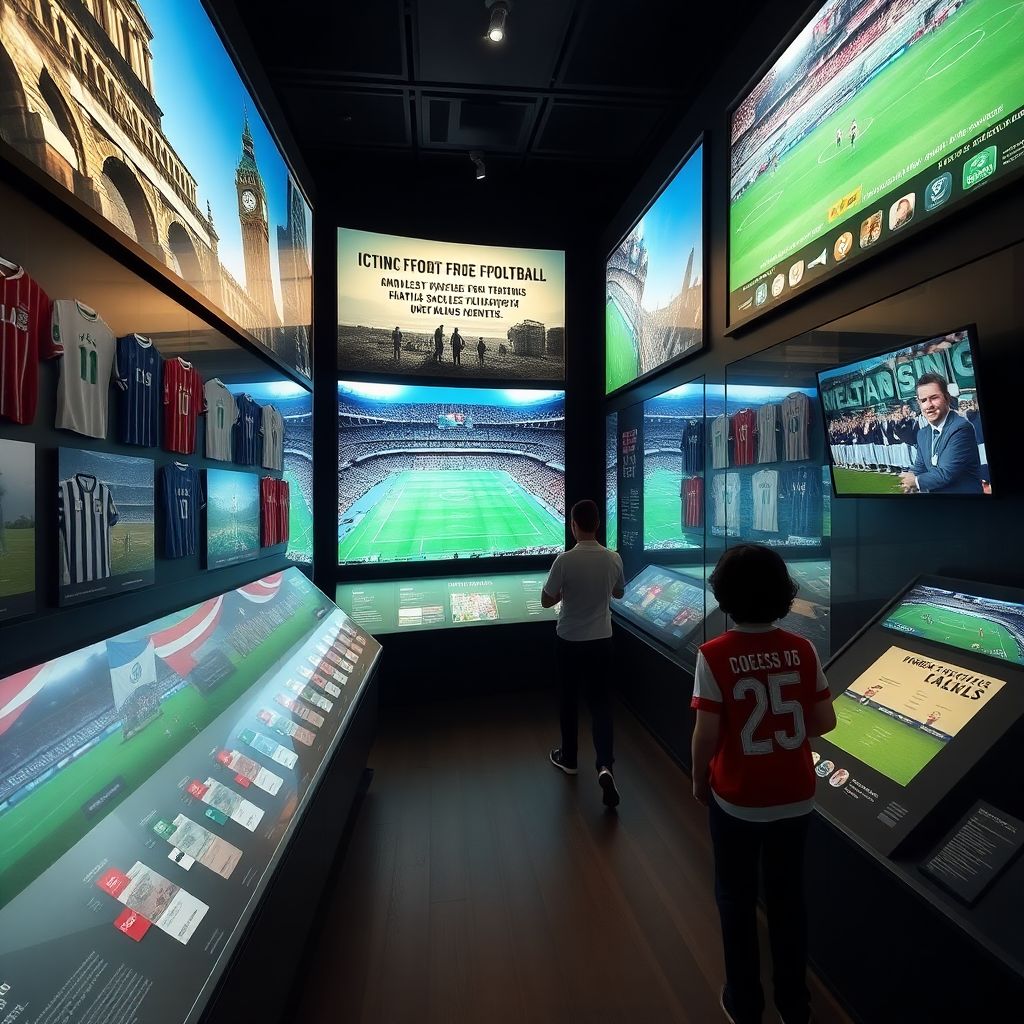
Historical memory of football: matches, clubs and players that changed societies
Historical football memory means how certain matches, clubs and players are remembered as moments that changed societies, not just results. It looks at how these events shaped politics, identities, and everyday life, and how that memory is kept alive through stories, media, commemorations and concrete objects like shirts or tickets. Defining episodes of football’s historical…
-

The boy who stopped playing: elite academies and the loss of innocence
Hyperprofessionalization in youth elite football means that a child’s game gradually turns into an adult-style job: early selection, intensive training, results-first culture and constant evaluation. The risk is loss of innocence, identity problems and burnout. If you want opportunity without damage, you must set clear boundaries, protect play, and keep school and wellbeing first. Common…
-

Media construction of the crack: myth, marketing and psychological pressure in sport
The media construction of the football «crack» is a cultural myth powered by marketing and amplified by constant exposure, which turns a talented player into a flawless hero. This label simplifies complex careers, serves commercial interests and intensifies psychological pressure, especially in Spain’s hyper‑competitive, football‑centred media ecosystem. Myths That Sustain the ‘Crack’ Persona The myth…