
Football sponsorships, betting companies and TV rights form a single commercial ecosystem: brands pay for visibility, broadcasters pay for exclusive content, and leagues and clubs monetise audiences. The real business of the ball is about packaging those audiences and negotiating long-term contracts that balance cash, risk, regulation and sporting integrity.
Concise overview of the business model
- Clubs and leagues sell three main assets: shirt and stadium sponsorship, betting partnerships and television rights.
- Broadcasters monetise through subscriptions, advertising and sublicensing of competitions and highlight packages.
- Bookmakers pay for access to engaged fans and for data feeds that improve odds and in play betting products.
- Regulation in Spain and Europe shapes how casas de apuestas patrocinio fútbol can appear on shirts, TV and digital channels.
- The price of derechos de televisión fútbol precio and sponsorships depends on audience size, exclusivity, competition level and contract length.
- Smart clubs integrate TV, digital content and on site activation so brands pay a premium for multi platform exposure.
Economic anatomy of sponsorship deals
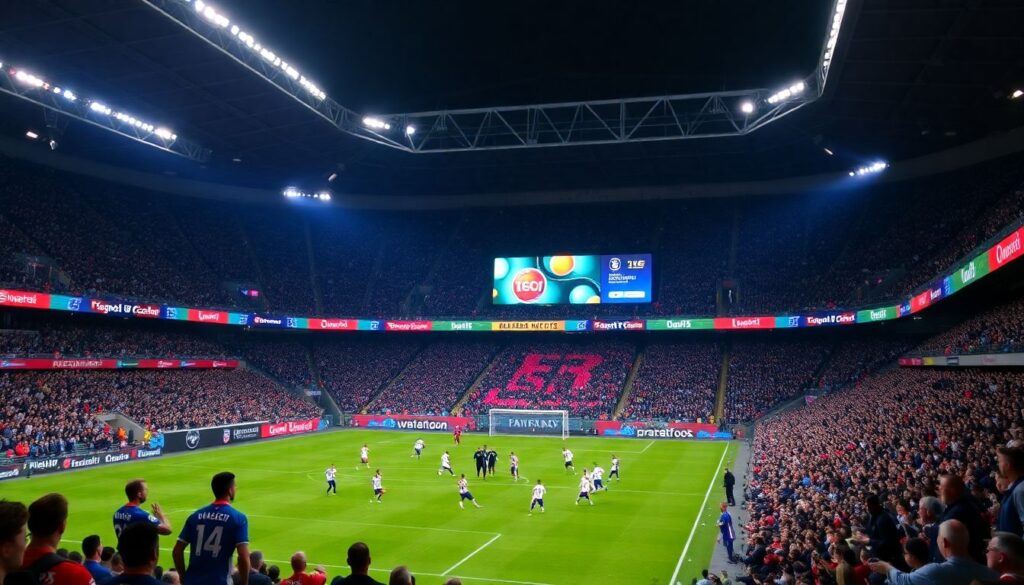
Sponsorship in football is a paid association between a brand and a rightsholder (club, league, competition) in exchange for marketing assets: logos on kits, LED boards, content, hospitality, ticketing and data. The brand buys access to the club's audience; the club trades visibility and emotional connection for cash and services.
When the sponsor is a betting company, patrocinios deportivos casas de apuestas usually combine shirt or sleeve exposure, joint campaigns, exclusive betting content and database sharing within legal limits. Regulation in Spain heavily restricts visibility, so more value moves to digital, database and VIP rights rather than pure logo space.
The negocio de los derechos de tv en el fútbol interacts with sponsorship because broadcasters guarantee a minimum volume of exposure. Higher average audiences make shirt and stadium real estate more valuable, which allows clubs to ask more money for primary and secondary sponsorship tiers.
Mini scenario – LaLiga mid table club in Spain: a club with limited international TV reach sells main shirt sponsorship to a regional brand, sells training kit and back of shirt to two national companies, and signs a strictly digital partnership with a betting operator focused on data and content instead of in stadium branding.
Bookmakers' investment models and ROI
Betting companies invest in football sponsorships as part of a broader customer acquisition and retention strategy. Their model aims to convert viewers into registered players and then into loyal, high lifetime value customers, while respecting regulatory limits on promotion and responsible gambling.
- Audience purchase: casas de apuestas patrocinio fútbol deals buy repeated exposure during matches, highlights and social media, targeting fans who bet more frequently than average viewers.
- Acquisition funnel: shirt or LED visibility pushes fans to visit the site or app, where welcome offers, odds boosts and simple UX try to convert traffic into new accounts.
- Activation rights: packages often include content co creation, predictor games, VIP experiences and social media integrations designed to increase engagement and opt ins.
- Data and segmentation: clubs share anonymised or permission based fan data so bookmakers can personalise campaigns to high intent segments, within GDPR and local law.
- ROI tracking: operators track cost per acquisition and lifetime value from each sponsored property, cutting underperforming deals and concentrating spend on properties that convert well.
- Regulatory hedge: when front of shirt is banned, bookmakers shift spend to lower visibility assets such as training kit, content series and international rights where regulation is lighter.
- Mini scenario – pan European bookmaker: an operator sponsors a top Spanish club mainly for brand legitimacy in Spain but justifies the fee with account growth in Latin America, where fans follow LaLiga and betting regulation allows stronger advertising.
TV rights: auctions, windows and revenue splits
Television and streaming rights define how, where and when matches are broadcast. They are usually sold in packages (live matches, highlights, clips, digital rights) through competitive tender processes that maximise revenue and ensure regulatory compliance with competition law.
Typical scenarios for derechos de televisión fútbol precio determination include:
- Centralised league sale: the league bundles all clubs' rights and sells domestic and international packages to broadcasters and platforms. Revenue is shared via a fixed formula that mixes equal shares, performance and audience metrics.
- Platform wars: pay TV operators, telecoms and streamers bid aggressively for exclusive live packages, while free to air channels fight for highlight windows and occasional big matches.
- Tiered competitions: top tier leagues and UEFA competitions command premium pricing, lower divisions often rely on collective deals that prioritise coverage over absolute price.
- Digital only or hybrid models: in some markets key matches move to streaming only, but regulators may require some free to air availability for major events of public interest.
- International sublicensing: a primary rights holder sells on packages to local broadcasters or betting streaming services in other territories, capturing extra value from global fandom.
- Mini scenario – Spanish league windowing: one broadcaster holds live rights for all matchdays in Spain, while another acquires delayed highlights and clip rights for news and social media, both feeding into how ganan dinero los clubes de fútbol con tv y patrocinio at home and abroad.
Intersections: sponsorship, betting and broadcast income
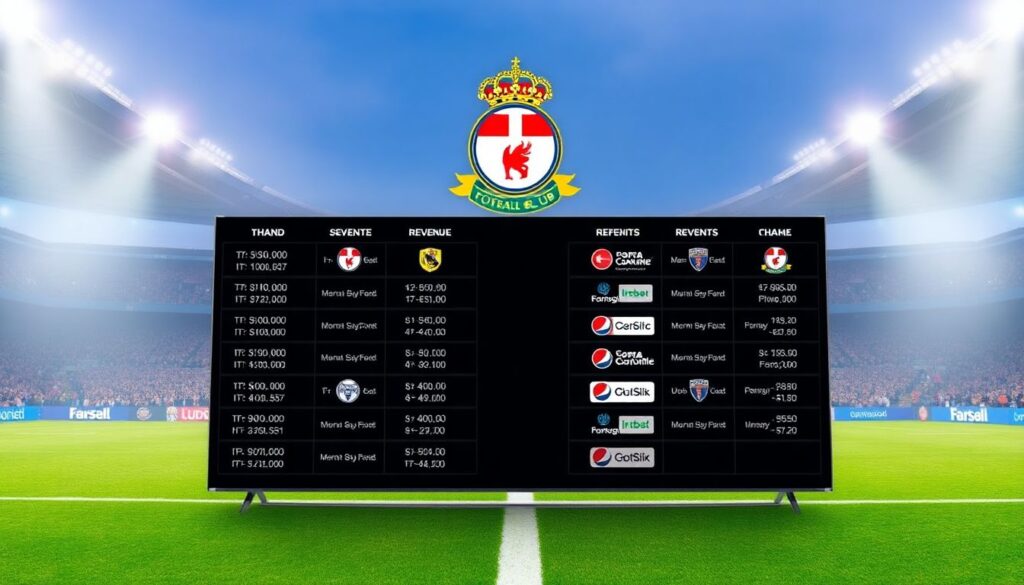
Most clubs operate a combined commercial strategy in which TV money reduces risk, while sponsorship and betting partnerships provide incremental upside. The challenge is protecting integrity, avoiding over dependence on one sector and complying with evolving advertising rules.
| Revenue source | Club share | League share | Broadcaster share | Main sponsor role | Betting partner role |
|---|---|---|---|---|---|
| Domestic live TV rights | Receives allocation via league formula | Manages central sale and distribution | Monetises via subscriptions and ads | Gains exposure through ad spots and mentions | May advertise in breaks where legal |
| International TV rights | Earns visibility and revenue from global fans | Aggregates rights and negotiates worldwide | Focus on specific territories or platforms | Uses exposure for international expansion | Targets betting friendly markets |
| Shirt sponsorship | Receives fixed fee plus bonuses | May take small central marketing cut | Shows sponsor on match coverage | Core visibility on kit and content | Sometimes secondary on sleeve or training kit |
| Stadium and LED advertising | Sells inventory and controls messaging | Sets branding standards for competition | Captures logos and messages on screen | Buys premium positions and activations | Acquires targeted, often in play messaging |
| Digital and social content rights | Monetises via branded content and data | Runs league wide platforms and campaigns | Uses clips and shoulder content | Integrates products into series and stories | Provides odds, tips and interactive tools |
Upside drivers for combining income sources:
- Stronger TV audiences make shirt, sleeve and LED space more attractive, raising sponsor fees.
- Cross promotion between broadcasters and sponsors amplifies campaigns at lower marginal cost.
- Betting partners add activation budgets that complement the main sponsor's branding spend.
- Clubs can bundle assets (TV exposure plus digital and in stadium experiences) to create premium packages.
Constraints and trade offs to manage:
- Regulatory limits on gambling advertising can reduce the visibility that betting sponsors expect.
- Over dependence on a single sector such as betting or crypto increases financial risk if rules change.
- Conflicting sector exclusivities can block new sponsors if contracts are not drafted carefully.
- Too much commercial clutter on kits and LED boards can dilute brand impact and fan acceptance.
Mini scenario – balancing partners: a club whose main sponsor is a global airline restricts betting brands to digital only rights, avoids front of shirt gambling logos for reputational reasons and structures TV visible inventory to keep the airline dominant on broadcasts.
Regulatory and integrity risks shaping commercial choices
Laws and integrity rules directly affect how patrocinios deportivos casas de apuestas and TV deals are structured, especially in Spain and Europe. Misunderstanding these constraints is one of the most expensive mistakes a club or brand can make.
- Assuming past visibility levels will return: some clubs still forecast income as if older, looser advertising rules applied; regulation on gambling and minors makes that unrealistic.
- Ignoring conflict of interest rules: betting sponsors must not influence sporting decisions, data access, team selection or integrity processes; clear firewalls are essential.
- Underestimating compliance costs: approval of creatives, responsible gambling messaging, age verification and data protection all add to the real cost of sponsorship.
- Believing TV revenue is guaranteed: rights cycles end, platforms change strategy and fans move to streaming and social highlight consumption, which can flatten or shrink classic TV income.
- Overlooking match fixing perception risk: heavy association with betting without robust integrity programmes can damage trust with fans, regulators and other sponsors.
- Mini scenario – regulation shock: a club reliant on betting logos on youth kits must quickly replace that income when a new law bans gambling branding around minors, forcing renegotiation and re segmentation of inventory.
Valuation metrics and contract clauses that determine price
Sponsorship and TV rights prices are built from a mix of audience metrics, brand fit, scarcity of assets and risk allocation in contract clauses. For clubs and brands in Spain, understanding these levers is the difference between a tactical deal and a sustainable partnership.
Core valuation metrics for clubs and sponsors:
- Average live audience per match across TV, streaming and stadium attendance.
- Number of guaranteed matches in premium time slots with nationwide coverage.
- Social media reach, engagement and international fan base, especially in key growth markets.
- Exclusivity level by sector (single airline, single bank, single betting company, etc.).
- Contract length and built in escalation mechanisms for improved performance.
Example of a simple valuation logic (pseudo formula):
Indicative annual fee ≈ (average audience x exposure weight x brand fit score) + (activation rights value) − (regulatory and reputational risk discount).
Critical contract clauses that move the price:
- Exclusivity and category definition: narrow categories (only online sports betting) limit the club's flexibility and therefore cost more.
- Make good and performance guarantees: if TV exposure drops or team is relegated, the club may need to provide extra rights, discounts or early termination options.
- Territorial scope: worldwide rights for a global brand command higher fees than Spain only rights, especially in leagues with strong international broadcasts.
- Content and data rights: deeper access to players, training ground and fan databases significantly increases perceived value for sponsors.
- Compliance and reputational clauses: morality and regulatory out clauses protect clubs if a sponsor's sector becomes more restricted or controversial.
Mini scenario – renegotiating after relegation: a club drops from the top division, losing part of its TV package. The betting sponsor has a clause linking fee to average broadcast audience, so the annual payment automatically reduces, but the contract adds new digital content rights to keep overall value balanced.
Self check checklist for clubs and brands
- Define exactly how you combine TV, digital and in stadium assets before entering sponsorship talks.
- Stress test income against regulatory changes, relegation and loss of key broadcast slots.
- Quantify audience, exposure and activation opportunities with realistic, documented numbers.
- Align sector exclusivities so future high value sponsors are not blocked by current deals.
- Ensure integrity, responsible gambling and compliance obligations are clear and resourced.
Practical answers to common commercial questions
How do football clubs make money from TV and sponsorship?
Clubs earn central distributions from league TV deals and sign direct contracts with sponsors and partners. cómo ganan dinero los clubes de fútbol con tv y patrocinio depends on league audience, on pitch performance, brand strength and the club's ability to package assets across kit, stadium and digital channels.
Why do betting companies sponsor football teams?
Betting operators use football sponsorship to reach highly engaged fans, build credibility and drive account registrations. They measure success through new customers, betting volume and brand awareness, always within regulatory limits on gambling advertising and responsible gambling requirements.
What determines the price of football TV rights?
The precio of derechos de televisión fútbol precio is set mainly by audience potential, competition among broadcasters, exclusivity of packages and regulatory constraints. Historic ratings, star players, competition prestige and the presence of global clubs all push values up or down in each cycle.
Are betting sponsors being banned in football?
In several countries, including Spain, gambling advertising is heavily restricted, especially around minors and prime time TV. Full bans on front of shirt betting logos exist in some leagues, so clubs often move casas de apuestas patrocinio fútbol to less visible areas like digital content or adult facing activations.
How should a mid sized club negotiate a main sponsorship?
A mid sized club should start from audited audience figures, clear inventory mapping and realistic tiering for sectors such as banking, airlines and betting. Bundling TV visible assets with digital and community projects can justify a higher fee and longer contract term.
Do TV rights always go through auctions?
Most major leagues use structured tenders or auctions to maximise revenue and ensure transparency. Smaller competitions or niche rights sometimes opt for direct negotiations, but they still benchmark offers against comparable markets and competition from streaming platforms.
Can a club combine several betting partners?
Yes, but sector definitions and league rules matter. A club might have one official betting partner for shirt assets and another for international digital rights, as long as contracts clearly separate categories and do not breach competition or advertising regulations.