Categoría: El Juego Comercial
-
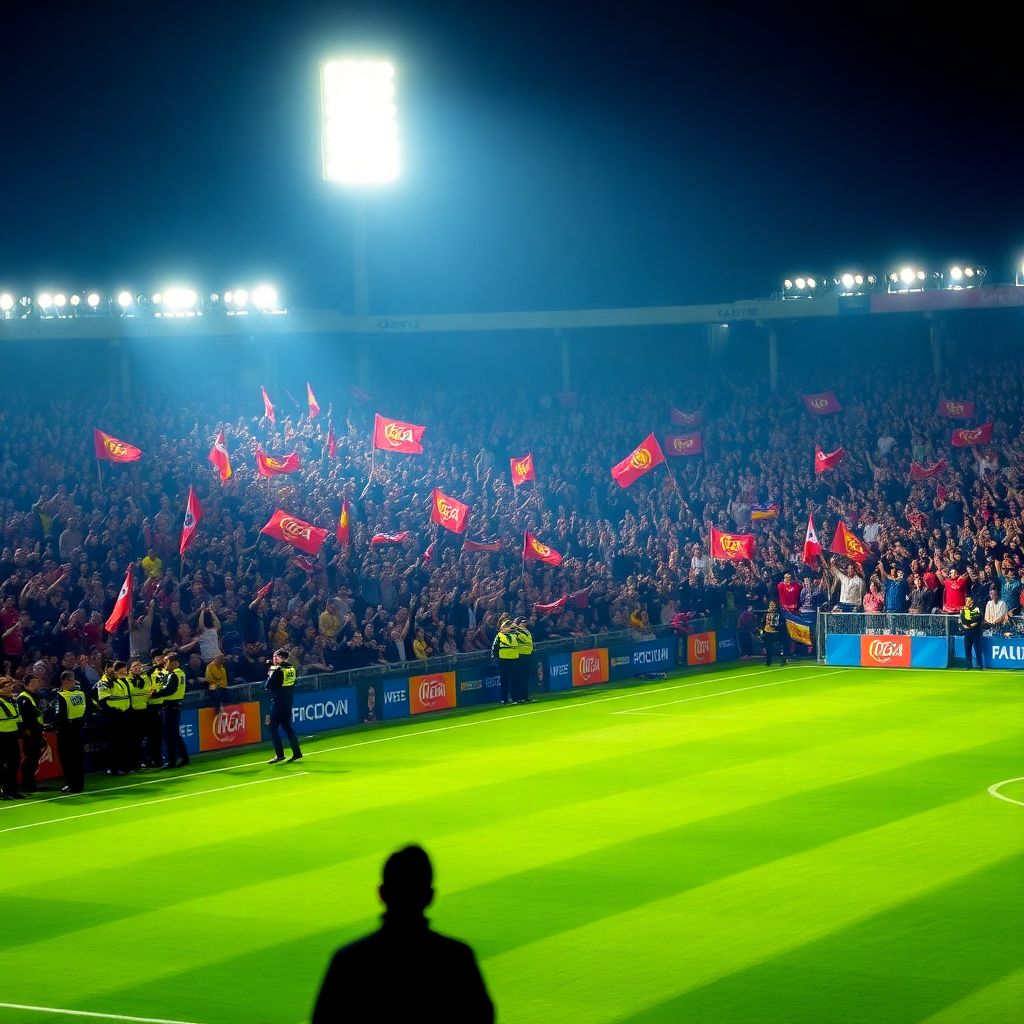
Ultras and barras: identity, violence and belonging in the football stands
Ultras and barras bravas are highly organized football supporter groups whose identity mixes passion, territorial pride and, sometimes, systematic violence. Understanding their history, symbols, internal rules and relations with clubs and police helps design realistic strategies that reduce risk while preserving positive forms of fan belonging, even in contexts with very limited resources. Core concepts:…
-

Classic number 10 role in modern football in the era of data and advanced analytics
The classic number 10 still matters in modern football, but their role is now validated and adjusted through data: chance creation, pressing contribution and off-ball value. Safe progress means combining analítica de datos en el fútbol profesional with coaching insight, avoiding both blind nostalgia and blind obedience to dashboards. Essential conclusions on the modern ’10…
-
How football mirrors the moral dilemmas of contemporary society today
Football reflects contemporary moral dilemmas because every match condenses conflicts about fairness, money, identity, technology, inequality and freedom of expression. In Spain and beyond, what happens around a ball reproduces debates about corruption, nationalism, commodification and digital surveillance. Watching, coaching, betting or teaching football becomes a practical way to observe ethics in motion. Moral snapshot:…
-

How Tv series, documentaries and reality shows are reshaping perceptions of football
Series, documentaries and reality shows reshape how fans imagine football by turning matches into long, emotional stories. They frame heroes, villains and clubs, highlight specific values and hide others. Understanding their narrative techniques helps you enjoy them, but also question how they influence your idea of teams, players and the sport itself. Core insights on…
-
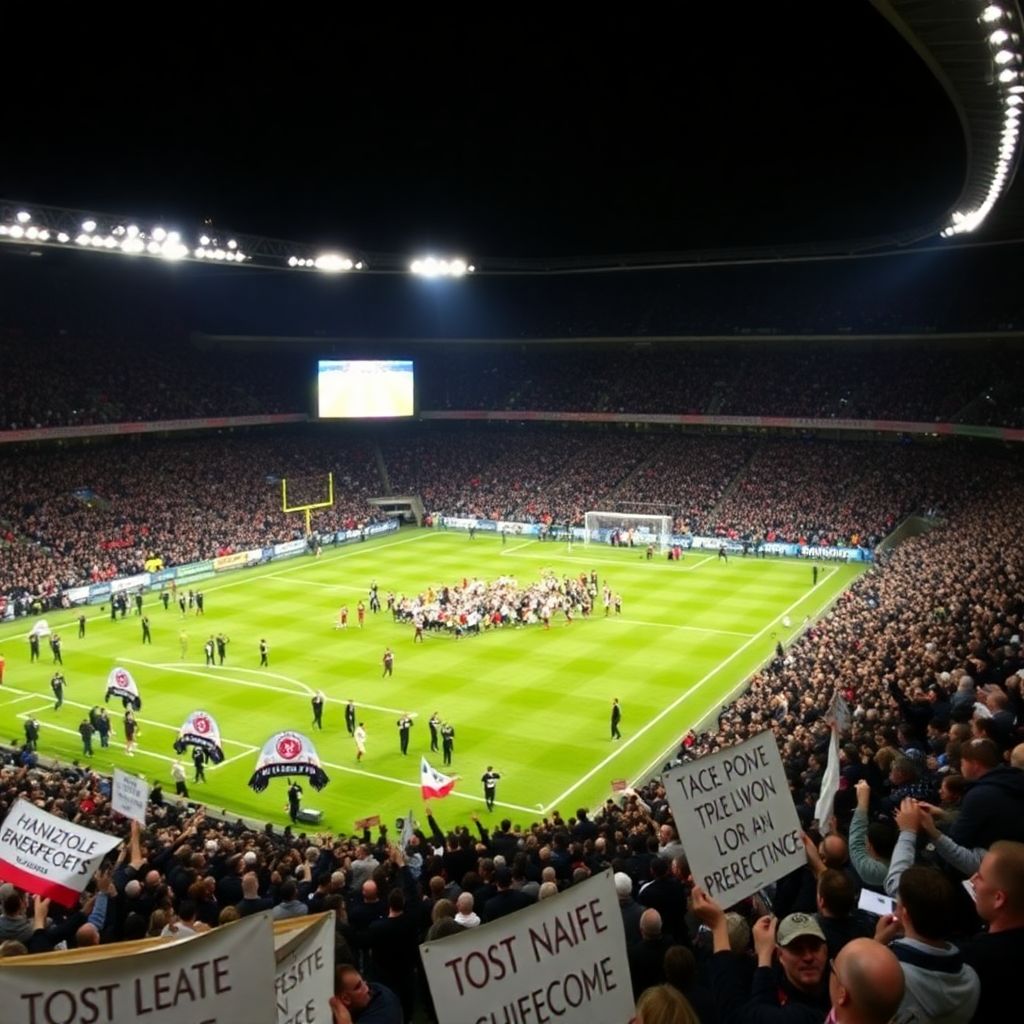
The stadium as political space: chants, banners and protests in times of crisis
Football stadiums in times of crisis become visible political arenas where chants, banners and protests negotiate power, identity and dissent. If you treat the stadium as a neutral bubble, you will misread what happens there; if you see it as a contested public square, behaviour and conflicts become clearer. Core claims and prevailing myths If…
-
Football and social classes: from working-class sport to premium pay Tv product
Football’s social class story runs from workers’ leisure game to premium pay‑TV product. Once rooted in industrial barrios and cheap terraces, it is now structured by subscription bundles, exclusive rights and rising costs. Class still shapes who plays, who watches in stadiums, who pays for broadcasts and who profits from the sport. Core shifts: football…
-
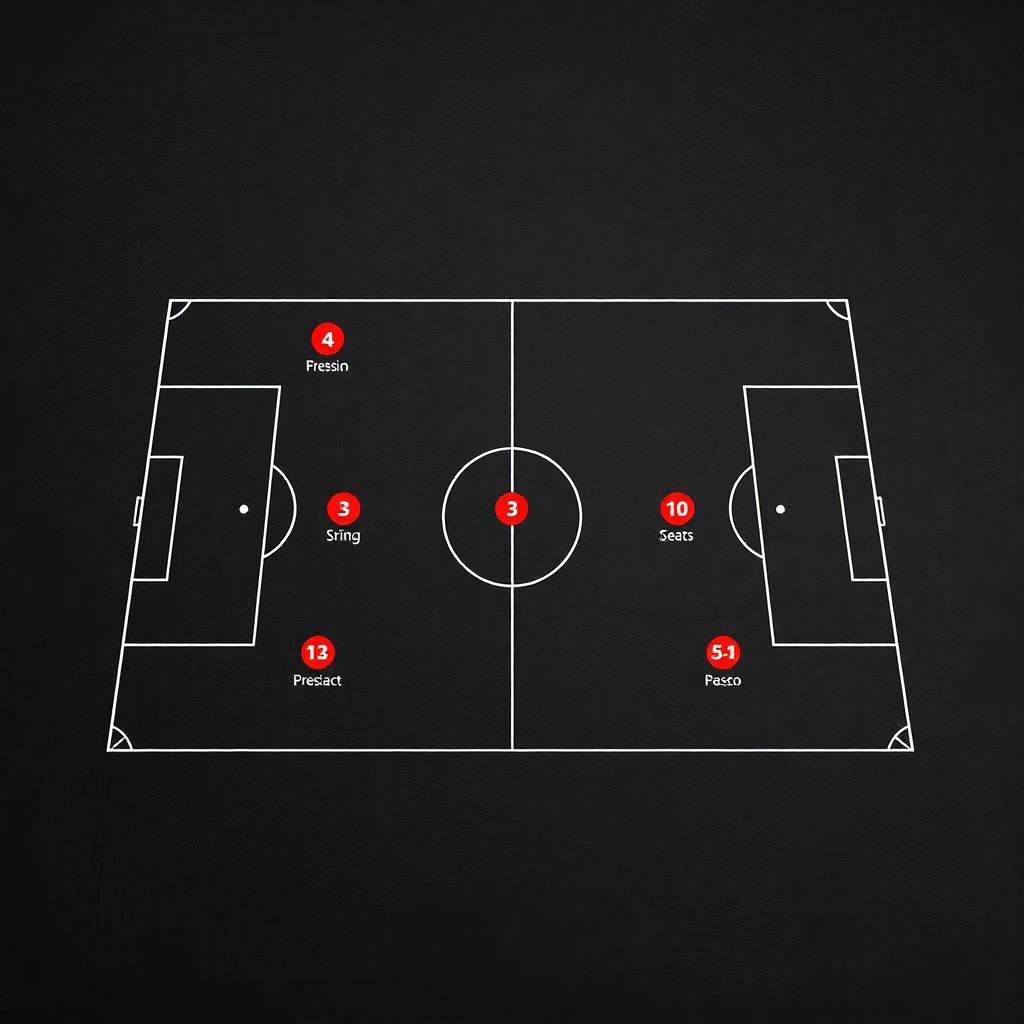
What a 4-3-3 says that a 5-3-2 cant: football tactics as language
4‑3‑3 «speaks» width, individual duels and high pressing, while 5‑3‑2 «says» compactness, central control and counter‑attacking. In Spain’s es_ES context, 4‑3‑3 suits clubs wanting positional play and wingers; 5‑3‑2 fits resource‑limited teams protecting the middle and exploiting transitions, especially against technically superior opponents. Tactical thesis: what a formation signals 4‑3‑3 signals width, isolation of full‑backs…
-

Clubs as businesses vs communities: the clash of models in the 21st century
For most Spanish clubs today, the «best» model is rarely pure: a business‑oriented structure is stronger for financial sustainability and competitive performance, while a community‑driven model is superior for democratic legitimacy and long‑term loyalty. The optimal choice is usually a hybrid that protects member power while professionalising governance, revenue and operations. Strategic snapshot for stakeholders…
-
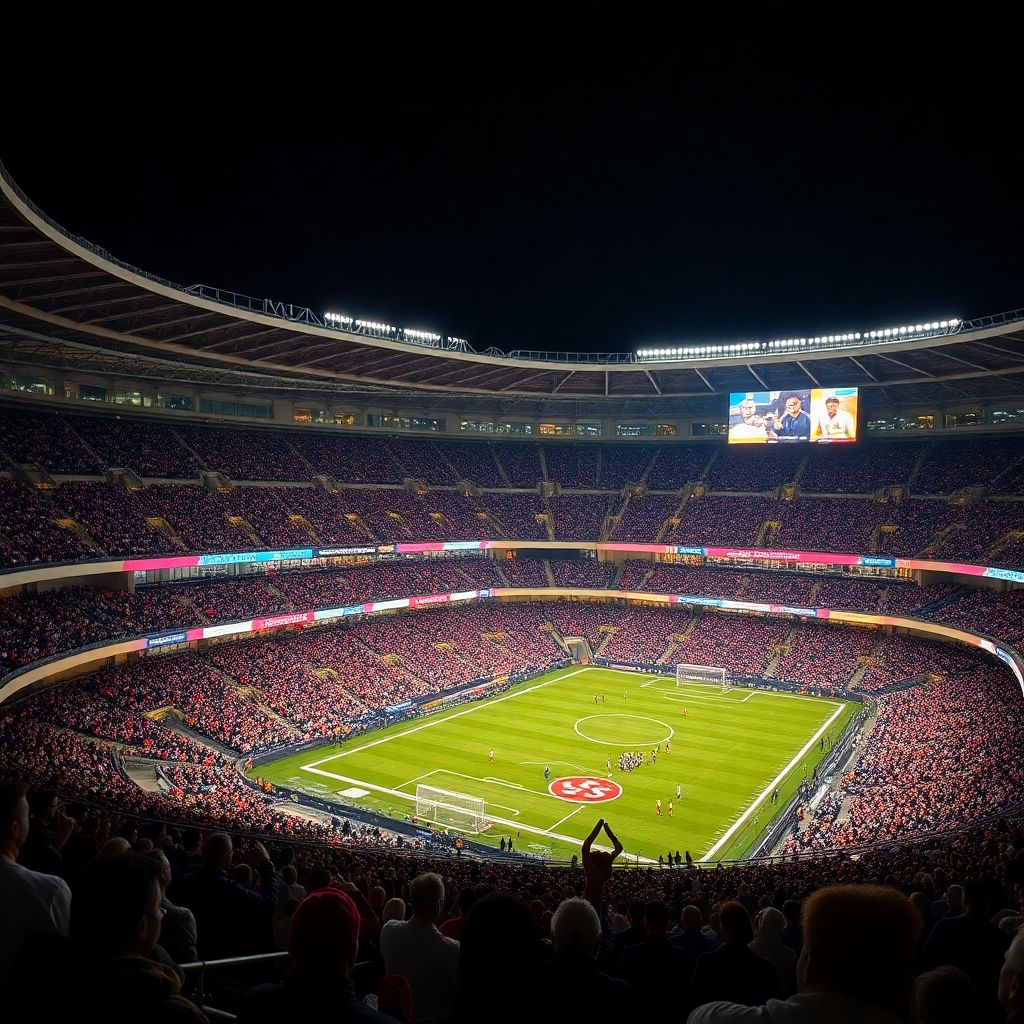
The stadium as a modern agora: public space, surveillance and privatized experience
Modern stadiums resemble an agora because they concentrate people, emotion and visibility, yet they are usually privately owned, highly commercialised and tightly controlled. They work as conditional public forums: open to mass participation, but filtered through tickets, surveillance, sponsorship and regulations that shape who enters, what is visible and which voices are allowed. Core propositions:…
-

Romantic number 10 vs industrial football: disappearance, mutation or reinvention
The romantic No.10 in football is a creative playmaker who operates between lines, prioritising vision, pause and improvisation over athleticism and automation. In today’s industrial football, this figure is not simply disappearing; it is mutating into new roles and may be reinvented through thoughtful coaching, scouting, and tactical design. Defining the Romantic No.10 in Modern…