Categoría: El Juego Comercial
-
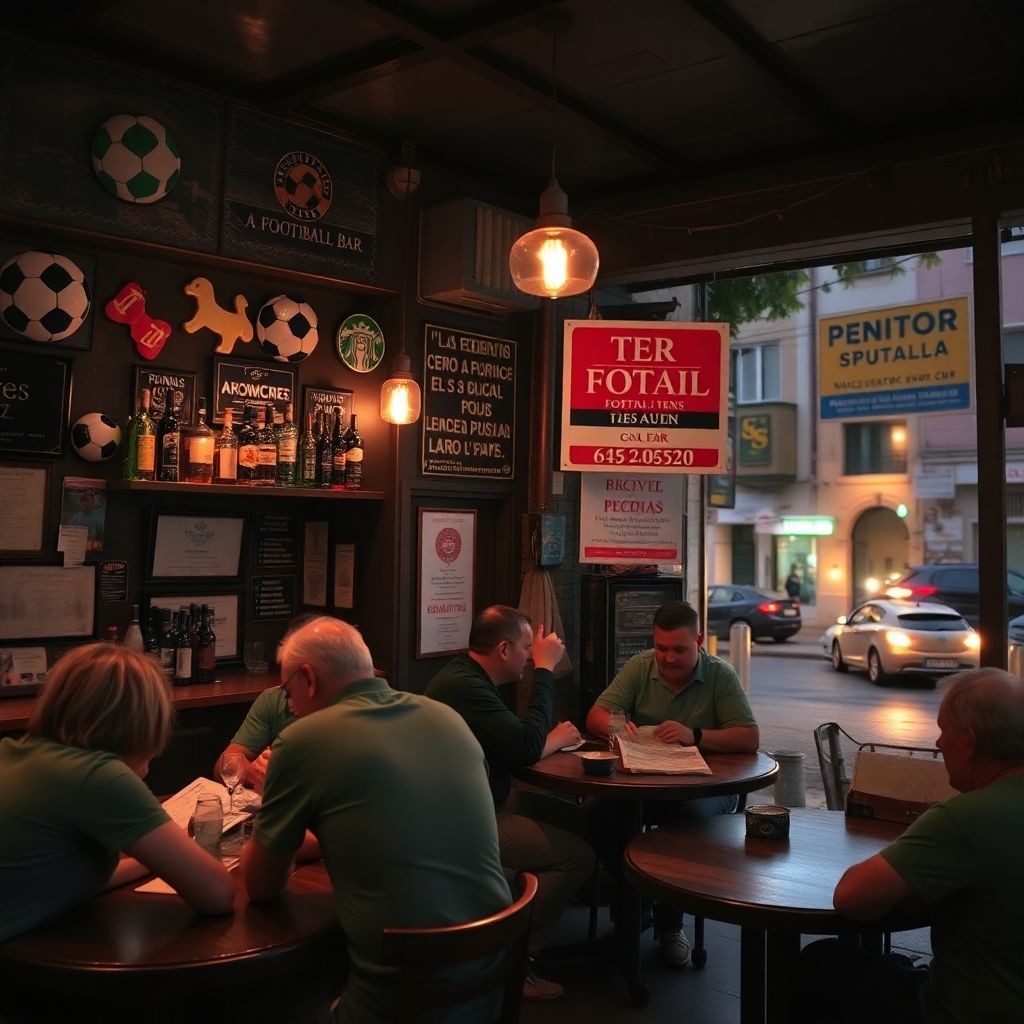
Is the club de barrio still alive?. Nostalgia, gentrification and lost football roots
The classic «club de barrio» still exists in Spain, but fragmented: some survive as cheap social hubs for local football, others became themed bars, and many disappeared under real-estate pressure. To protect what is left, neighbours must organise, map venues, negotiate with councils and support sustainable, community-first business models. Myths vs Reality: Snapshot of the…
-

The commodification of talent: academies, transfers and the child as asset
Talent commodification in youth football means treating a child’s sporting potential as a tradable financial asset. It appears in academies, scouting, contracts and transfer negotiations. To prevent abuse, families, clubs and agents must prioritise education and wellbeing, demand transparent contracts, use independent legal advice, and respect limits on ownership and transfer of minors. Core Concepts…
-
Tactics as languages: how game systems express different worldviews
Tactics-as-language means that every system of rules and options in a game lets players «speak» certain worldviews while making decisions. If you design movement, economy, and conflict as a vocabulary of actions, then the viable tactics in your game will consistently express values like cooperation, hierarchy, risk‑seeking, or caution. Essential Concepts That Define Tactics-as-Language If…
-

Tactical globalization: why football looks the same everywhere – and what we lose
Tactical globalisation in modern football means similar pressing, build-up and spacing principles appear in almost every league. This convergence is driven by shared data, copied models and coaching networks. Football is not fully identical everywhere, but local skills and identities are shrinking unless coaches deliberately protect and train them. Core Tactical Assertions Most elite teams…
-
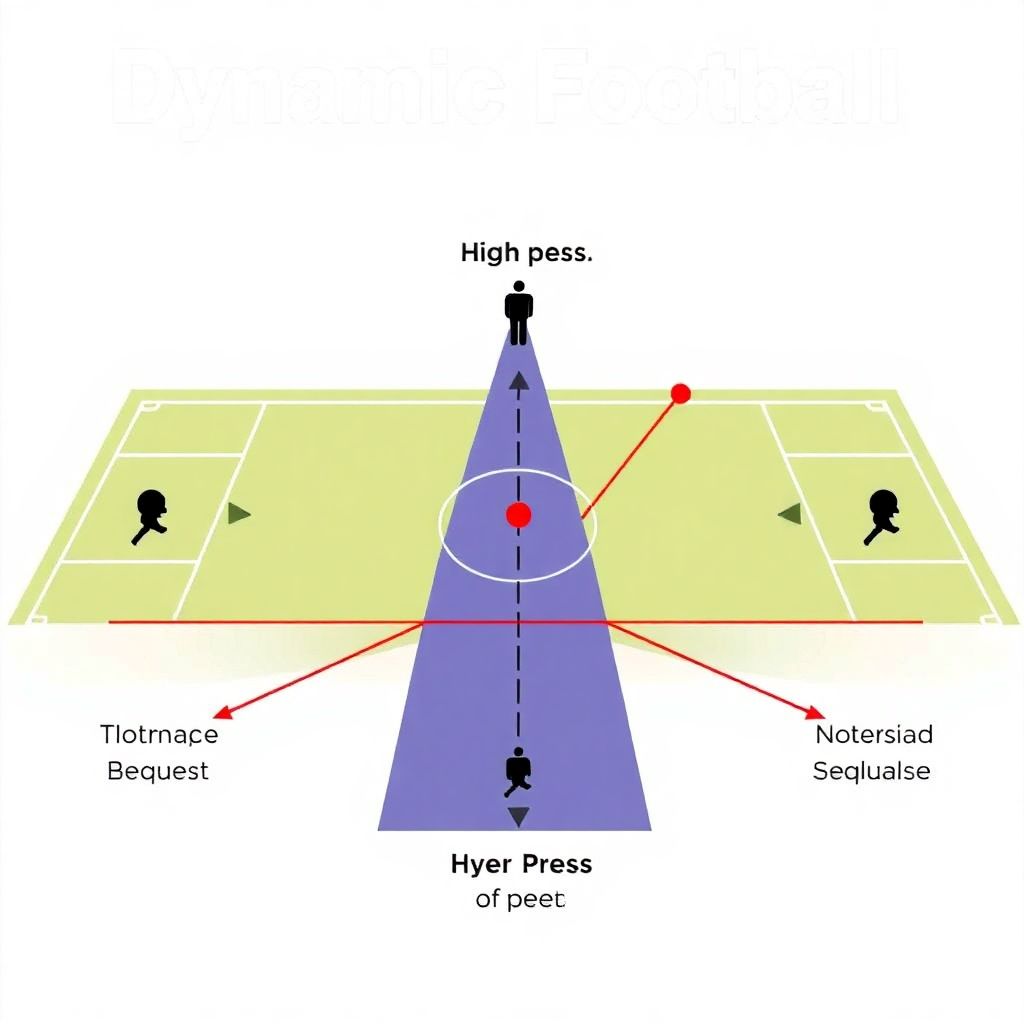
High press, low block and counterattack: a philosophical look at time and space in football
High press, low block and counterattack are three ways of organising time and space in football: accelerate time around the ball, slow it down in your half, or explode forward in transition. Understanding when each shape compresses or expands metres and seconds is the core of intelligent tactical decision‑making. Core Concepts: Time and Space in…
-
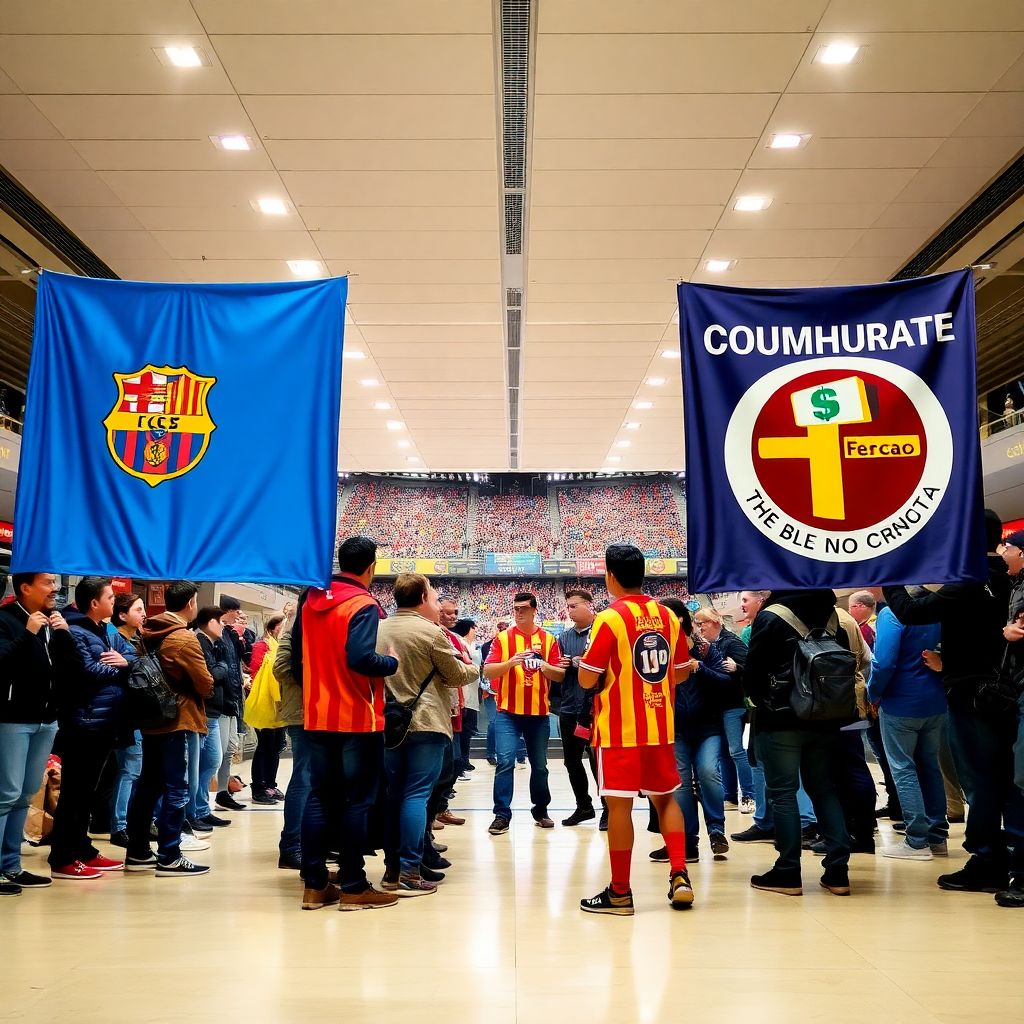
Clubes-empresa vs clubes-comunidad: two models for the meaning of football
Choosing between a company‑style club and a member‑owned community club depends on what you prioritise: control, speed of investment, democratic legitimacy and long‑term identity. In Spain, especially, the decision shapes access to private capital, social mission, and how fans live football weekly. The best model is context‑specific, not universal. Core contrasts at a glance Clubes…
-
The language of football: metaphors, epic tales and the making of myths
Football language turns matches into stories using metaphors, epic narratives and myths. It influences how fans judge players, clubs and rivalries, often more than statistics. Understanding these tools lets you speak and write about football with precision, avoid clichés and build powerful, memorable commentaries, chronicles and analyses. Core Concepts of Football’s Rhetoric Metaphors frame football…
-
Club identity vs global franchises: can a true sense of belonging survive?
For most Spanish and European contexts, preserving deep local club identity while borrowing selected tools from global franchises works best. Pure franchise models optimise revenue and scale but often weaken el sentimiento de pertenencia. A hybrid approach lets you grow beyond your barrio without breaking roots, especially with disciplined brand, ticketing and academy policies. Direct…
-
Womens football: from historical invisibility to challenging the patriarchal model
Women’s football’s shift from historical invisibility to challenging the patriarchal model means treating it not as a secondary product, but as a full ecosystem: players, fans, economics, media and rules. Practically, this implies changing how clubs invest, how federations regulate, how broadcasters program and how everyday fans consume the women’s game. Core Concepts: Gender, Visibility…
-

The «crack» narrative: meritocracy, luck and inequality in professional football
The narrative of the «crack» in football says the very best rise only through talent and effort. In reality, mérito y suerte en la carrera futbolística interact with unequal structures: money, geography, networks and timing. Understanding this mix helps explain desigualdad en el fútbol profesional and design fairer pathways. Core Claims Behind the ‘Crack’ Narrative…