Categoría: El Juego Comercial
-

Globalization of football fandom: can passion stay genuine far from the club?
Yes, genuine passion can exist thousands of kilometres from a club, but it needs intentional practice: informed watching, ethical consumption, stable routines and links to real communities, not only algorithms. This guide shows how global fan identity forms, how clubs nurture it abroad, and how you, as a distant supporter, can keep it honest. Core…
-

News as spectacle: how media turn every match into a consumable narrative
Sports news turns matches into consumable stories by exaggerating conflict, simplifying tactics and centring a few heroes or villains. This narrative packaging helps medios de comunicación deportivos derechos de transmisión extract more value from each game but also distorts reality. Safer coverage means exposing these techniques, adding context and setting clear editorial limits. Core Findings…
-

Canteras vs chequera: team-building models and their impact on club culture
For most Spanish clubs, a mixed model works best: a strong cantera as the backbone, complemented by targeted, well‑scouted signings rather than pure chequera. Go heavier on academy when money is tight or you want identity and patience; lean more on transfers when you need quick impact, depth and instant competitiveness. Executive summary: core contrasts…
-

Tactics as life philosophies from catenaccio to gegenpressing mindsets
Catenaccio and gegenpressing are not only football tactics but also metaphors for how groups manage fear, risk, trust and control. Seen as life philosophies, they reveal how a collective prefers to suffer, react and protect, or to attack, anticipate and share responsibility, especially in uncertain and high-pressure contexts. Core Concepts: Tactical Philosophies and Collective Mentalities…
-

Football as a mirror of society: what the game reveals about modern values
Football reflects how power, identity and emotion are organised in contemporary societies. By observing who owns clubs, who plays and who is excluded, how media narrate matches, and how fans act collectively, we see the valores del fútbol en la sociedad actual and the tensions of the modern social order. Core insights: how football mirrors…
-

Failure as a teacher: the philosophy of losing in a sport obsessed with winning
Loss in sport is a structured learning signal, not just a negative result. It exposes technical gaps, mental habits and tactical decisions that winning can easily hide. A healthy philosophy of losing treats each defeat as data, within clear emotional and physical safety limits, guided reflection and long‑term athletic development. Core Lessons Loss Teaches Athletes…
-
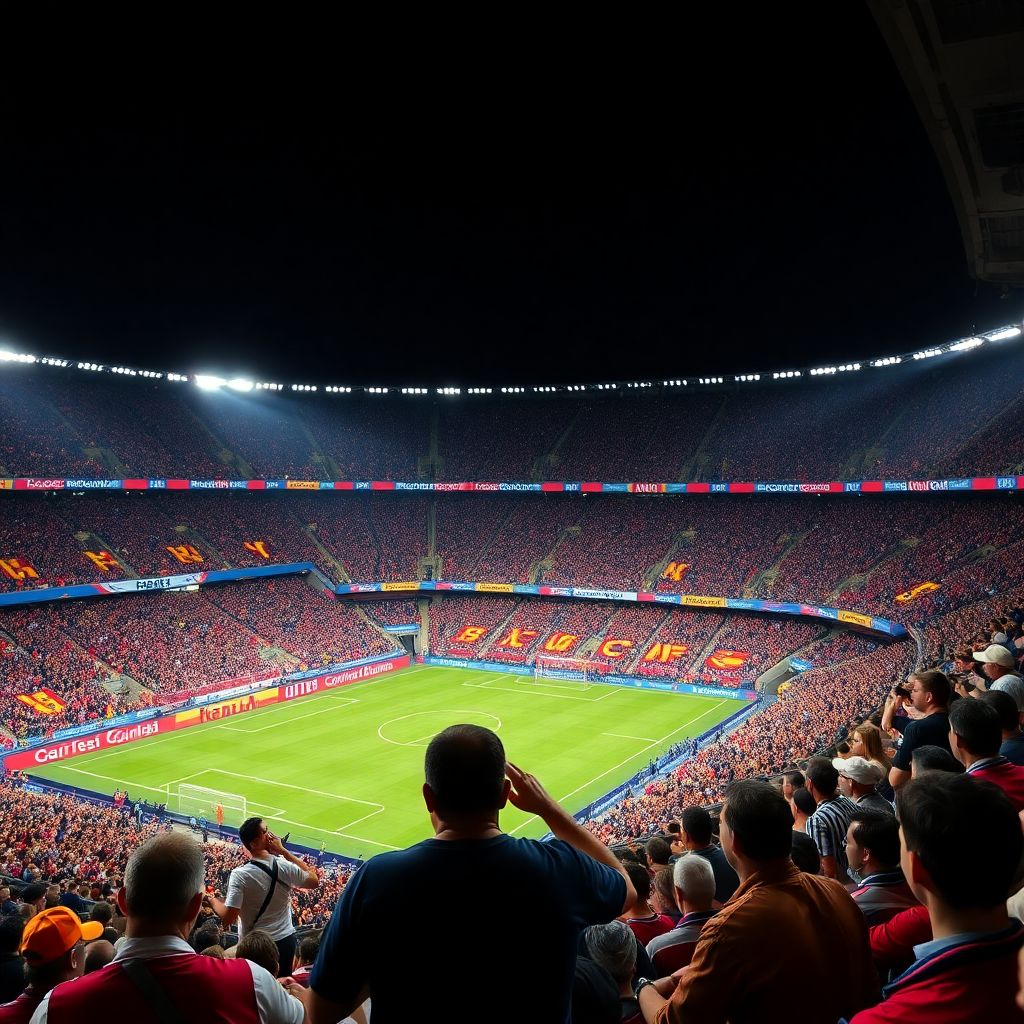
Football as a civil religion: rituals, idols, heresies and terrace dogmas
Football as a civil religion means that clubs, stadiums and matchdays work like a secular faith: fans share rituals, dogmas, sacred spaces, saints and even heresies. Understanding chants, tifos, idols and rivalries through this lens helps explain why football in Spain and beyond feels moral, emotional and almost sacred. Foundational Concepts of Football as a…
-

From local clubs to global brands: how marketing reshaped team identities
Turning a local club into a global brand means treating it as a long-term cultural asset, not just a team that plays matches. The safest path is to clarify identity, protect heritage symbols, professionalise marketing, and test new revenue models gradually, always measuring fan sentiment and commercial impact. Core identity shifts driving club-to-brand evolution Clubs…
-

Football as a mirror of society: what the game reveals about our shared values
If you look at football as a mirror of society, you see how power, inequality, identity and values play out in public. If you analyse games, clubs and fan cultures with that lens, then you can read deeper patterns of class, race, gender, nationalism and commercial pressure. What This Analysis Highlights If you treat football…
-
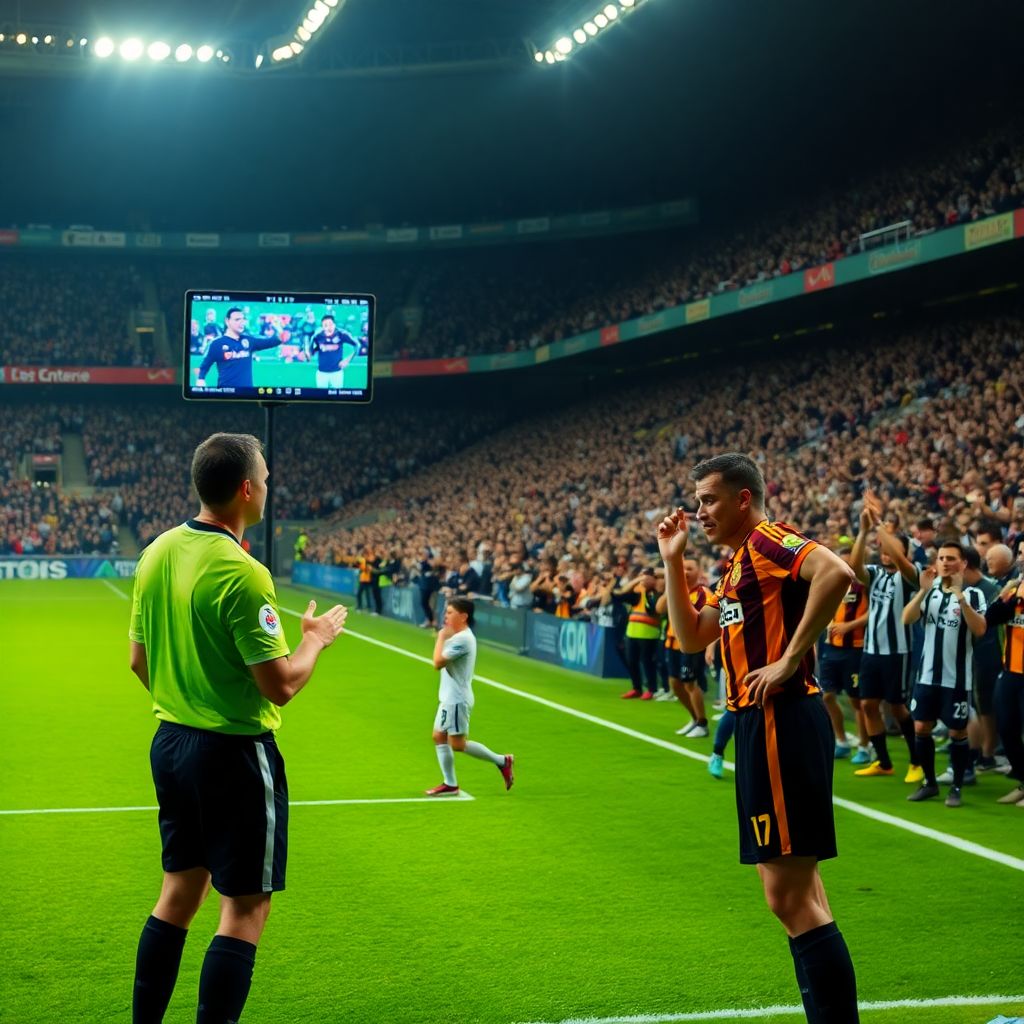
Var and the death of controversy: technological justice versus football’s essence
VAR is a video assistance system that supports referees on clear and significant errors, without replacing on‑field authority. It reduces some injustices but cannot eliminate controversy, because football’s essence includes interpretation, rhythm and emotion. The real debate is how much technological justice we accept before the game stops feeling like football. Verdicts of VAR: concise…