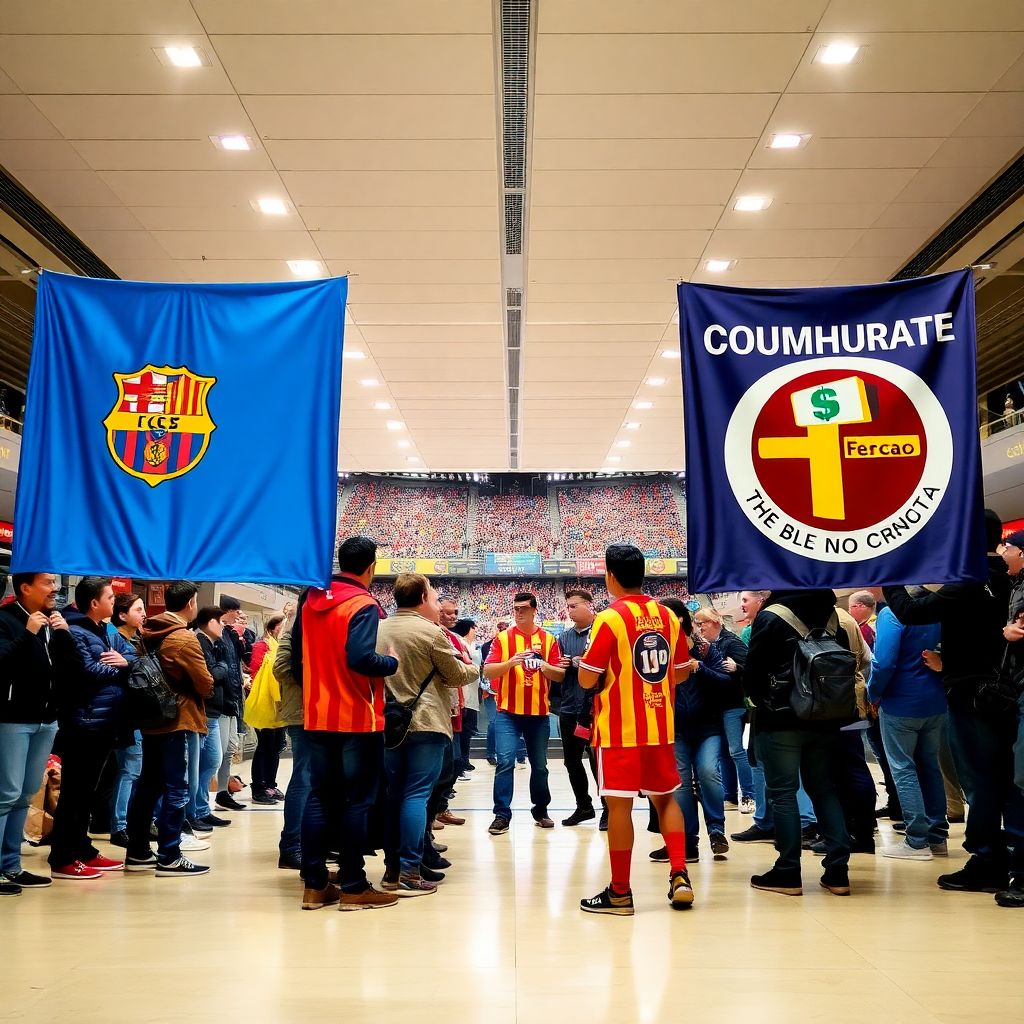
Choosing between a company‑style club and a member‑owned community club depends on what you prioritise: control, speed of investment, democratic legitimacy and long‑term identity. In Spain, especially, the decision shapes access to private capital, social mission, and how fans live football weekly. The best model is context‑specific, not universal.
Core contrasts at a glance
- Clubes empresa vs clubes sociales ventajas y desventajas pivot mainly on control: concentrated in investors versus distributed among members.
- The modelo club empresa en el fútbol inversión privada offers faster capital injection, but raises dependence on owners and exit risk.
- Member‑owned clubs protect social purpose and local identity, but can struggle to fund professional structures.
- Legal form in Spain (association vs Sociedad Anónima Deportiva) conditions governance, transparency and takeover exposure.
- Short‑term sporting success often favours company‑style clubs; deeper fan loyalty usually favours community clubs.
- The futuro de los clubes empresa en el fútbol español will likely be hybrid, mixing investor capital with fan safeguards.
Ownership structures and legal status
Use these criteria to decide whether a club‑company or member‑owned association fits your project better in the Spanish context:
- Source and speed of capital:
- If you need substantial funding within 1-3 seasons for professionalisation or stadium works, a company vehicle (SAD or similar) is more realistic.
- If gradual organic growth is acceptable, a members’ association can work with sponsorships and local partnerships.
- Control and voting power:
- Company‑style: voting linked to shares; majority investor can unilaterally set direction.
- Community club: one member, one vote; changes are slower but more legitimate.
- Legal exposure and regulation:
- In Spain, understanding cómo transformar un club de fútbol en sociedad anónima deportiva is crucial: it brings CNMV/company‑law duties but also investor protection.
- Associations have lighter company law but must respect member‑democracy rules.
- Takeover and sale scenarios:
- If you foresee selling the project or bringing in new investors, a clear share structure is vital.
- If you want to block hostile takeovers, preserve member statutes with high majorities for structural changes.
- Mission: entertainment business vs civic institution:
- Pure entertainment focus aligns better with a club‑company.
- Strong social, educational or neighbourhood role aligns better with a socios model.
- Scale of current membership base:
- If you have an engaged, paying membership that funds a significant part of the budget, community ownership is an asset.
- If members are passive and few, shifting towards investor‑led structures might be more sustainable.
- Risk tolerance of founders and local stakeholders:
- Low tolerance for bankruptcy and relocation risk favours stronger member vetoes and golden‑share style safeguards.
- High risk tolerance in exchange for rapid growth favours company‑led models with investor primacy.
Revenue models, risk allocation and financial transparency
The core diferencias entre club de fútbol empresa y club de socios become very visible in how money enters and who carries the risk. The table below compares the main patterns you will typically see in Spain and similar markets.
| Variant | Best suited for | Advantages | Drawbacks | When to choose |
|---|---|---|---|---|
| Pure member‑owned social club (association) | Clubs with strong local fan culture, modest budgets and a clear social mission. |
|
|
When the club’s primary goal is community value and long‑term presence over fast promotion. |
| Classic club‑company (SAD or similar, concentrated ownership) | Projects aiming at professional tiers with ambitious growth and clear investor leadership. |
|
|
When investors accept to fund losses for several seasons to reach professional stability. |
| Hybrid: SAD with fan foundation or member trust | Traditional clubs needing capital but wanting to retain fan influence and identity safeguards. |
|
|
When you must convert for legal or financial reasons but want to codify non‑negotiable identity elements. |
| Commercial subsidiary controlled by member club | Clubs that stay associations but spin off professional team operations into a company. |
|
|
When the grassroots structure is large and valuable, but elite football needs different risk and incentive structures. |
Decision node for revenue and risk: if your realistic budget relies mostly on private capital and media rights, a club‑company form is usually more coherent; if member fees, local sponsors and municipal support are central, a community club or hybrid better aligns incentives and resilience.
Governance: who decides sporting and commercial strategy

Clarifying decision rights is central when comparing clubes empresa vs clubes sociales ventajas y desventajas. Use these scenario‑based rules of thumb:
- If you want a clear, unified project led by a small group, then a club‑company with a professional board and CEO gives sharper accountability and faster adaptation to market or sporting shocks.
- If your main value lies in member mobilisation, then maintaining an assembly with key powers (budget, president, stadium decisions) ensures that strategic direction matches fan expectations, even if progress is slower.
- If you foresee frequent capital raises and partner changes, then you need a shareholders’ agreement, not just statutes, to stabilise strategy and avoid constant power struggles.
- If sporting policy (academy vs star signings) is controversial locally, then codify a medium‑term sporting plan that boards must respect, regardless of ownership model, and link bonuses to long‑term metrics, not only immediate promotion.
- If local institutions (city hall, regional government) are decisive stakeholders, then include them in advisory councils rather than executive boards, so they contribute legitimacy without paralysing decisions.
Fan influence, social purpose and local identity
Use this quick checklist to decide how much fan and community power your model should embed from the start:
- Define the non‑negotiables: badge, colours, name, city. Decide if any future change requires a super‑majority of members, a fan trust veto, or a public consultation.
- Measure real fan engagement: season‑ticket renewals, attendance trends, volunteer base. Strong metrics justify formal fan representation, even in a company structure.
- Map the club’s social programmes (schools, integration, women’s football). If they are central to your legitimacy, protect their budget in statutes or long‑term agreements.
- Decide on minimum fan voice: advisory council, elected fan director on the board, or co‑ownership schemes. Each option trades influence for complexity.
- Clarify communication rules: transparency on transfers, debt and ownership changes reduces suspicion, especially when you shift from club de socios to club‑empresa.
- Check alignment with local institutions: if your stadium or training ground depends on public land, embedding social returns (open facilities, grassroots support) reduces political risk.
- Revisit periodically: as the club grows, you may rebalance toward more professional power or more fan control; plan scheduled reviews rather than ad‑hoc crises.
Performance outcomes: player development and competitive sustainability

When choosing between a company‑style structure and a community club, avoid these common mistakes that damage long‑term sporting performance:
- Confusing one promotion with structural success: a cash‑fuelled sprint without infrastructure, data and academy investment often collapses when the initial investor slows down.
- Underestimating academy value: both models fail when they treat youth development as a cost centre instead of a core asset that can stabilise squads and budgets.
- Over‑centralising decisions in a single owner or president: without checks and balances, impulsive signings and coach changes undermine any coherent sporting project.
- Ignoring wage‑to‑revenue balance: whether you are a SAD or association, unsustainable payrolls to chase quick results usually lead to crises, point deductions or forced sales.
- Neglecting governance of recruitment: lack of clear roles between sporting director, coach and board causes inconsistent squads and wasted commissions.
- Failing to connect women’s and academy projects to the main brand: siloed structures lose synergies, sponsorship appeal and community legitimacy.
- Not planning for relegation: many clubes‑empresa budget only for optimistic scenarios; build clauses and buffers for worst‑case outcomes to avoid panic cuts to development pathways.
- Overlooking culture: in community clubs, internal politics can block modern methods; in club‑companies, cold corporate style can alienate players and fans, hurting home advantage and retention.
Paths to change: mergers, conversions and hybrid governance
Before the final synthesis, use this mini decision‑tree to orient your next step:
- If your club is a small association with low debt but rising ambitions, then explore gradual hybrid solutions (subsidiary, fan trust) before full conversion to SAD.
- If you are already a SAD with investor fatigue and fan conflict, then negotiate governance reforms (fan director, identity safeguards) rather than a radical rollback.
- If two local clubs compete for scarce resources, then a merger with clear brand, colours and stadium agreements may create a more sustainable single project.
- If public institutions demand stronger social returns, then formalise programmes and stakeholder councils instead of treating community work as marketing.
For ambitious, growth‑driven projects that need rapid private capital and can manage investor risk, the best fit is usually a club‑company with well‑designed safeguards. For clubs whose core asset is deep local identity and member mobilisation, a strengthened community model or hybrid structure tends to be the better long‑term option.
Common strategic dilemmas and practical answers
How do I start analysing whether my club should stay member‑owned or become a company?
Map your budget structure, ownership ambitions and fan engagement. If most income is local and members are active, community control has strong value. If your plan requires external millions and quick infrastructure upgrades, a company or hybrid structure is usually necessary.
What are the main differences between a club‑company and a member club in day‑to‑day management?
In a club‑company, a small board and CEO take decisions quickly and answer to shareholders. In a member club, presidents and boards must seek assembly approval for key moves, which slows processes but increases legitimacy and internal debate.
Can a Spanish member club attract serious private investment without converting into a Sociedad Anónima Deportiva?
Yes, via commercial subsidiaries, long‑term sponsorships and partnership agreements, but investors will usually demand clear governance and profit rights. Full SAD conversion or minority stakes in a subsidiary provide more standard protections for professional investors.
How risky is it for fans when a single investor controls most shares of the club?
Risk concentrates: if that person loses interest or liquidity, the club may face sudden budget cuts, fire‑sales or even relocation. Mitigate this through shareholder agreements, identity protections and mechanisms for fan or local authority intervention in crisis.
Is it realistic to transform a struggling local club into a sustainable professional project?
It is possible, but only if sporting ambition is matched by realistic finances, governance capacity and community buy‑in. Whether you choose a club‑company or member model, undercapitalised sprints without structural investment usually end in relegation and debt.
What should come first: fixing governance or looking for a big investor?
Governance design should come first. Clear statutes, role definitions and protection of non‑negotiable identity elements make the club more attractive to serious investors and reduce the chances of destructive conflicts later.
How will the future of the clubes empresa in the fútbol español affect smaller community clubs?
If regulations and broadcasting deals keep favouring investor‑backed entities, pressure on community clubs will grow. Many smaller clubs will likely adopt hybrid models that keep member identity while giving room to targeted private investment and professional management.
Комментарии