Categoría: Filosofía del Fútbol
-
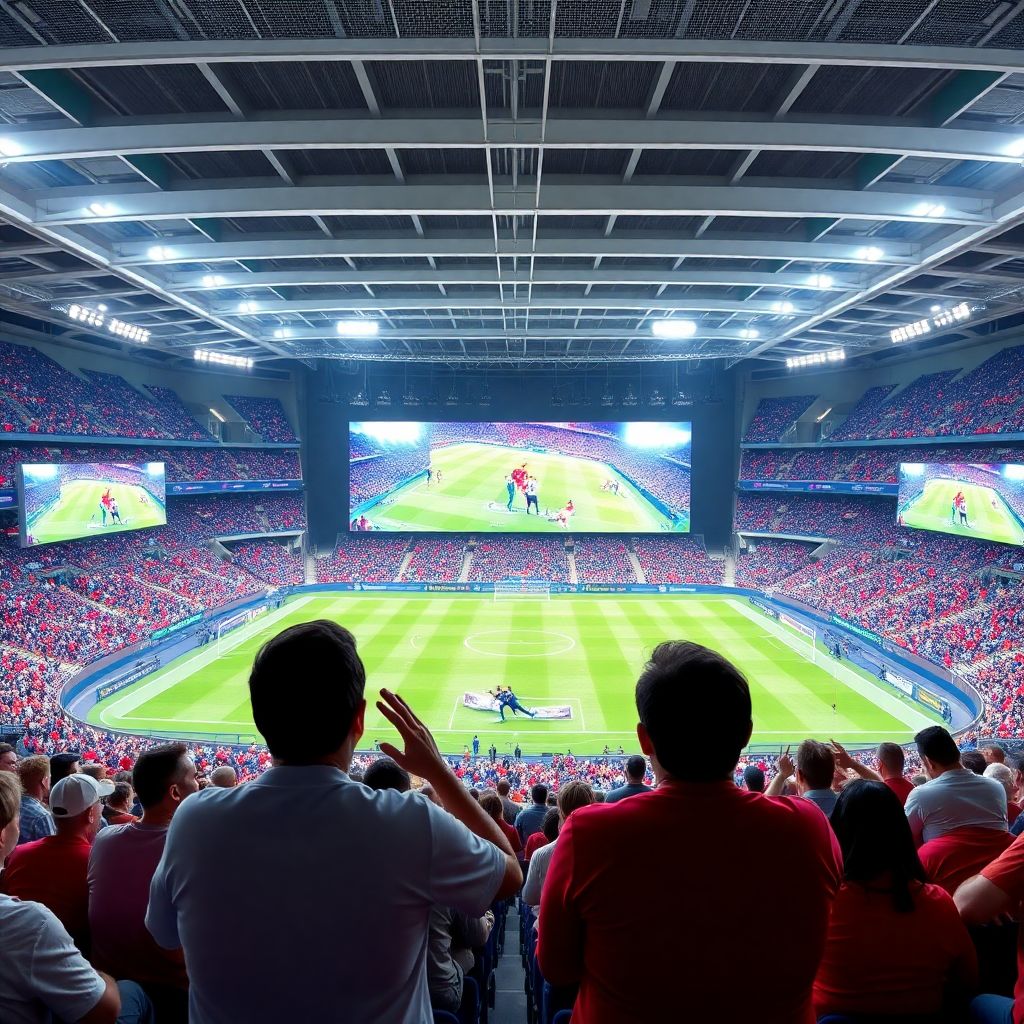
How television and social media rewrote the narrative of the football match
Television and social media have rewritten football match narratives by multiplying storytellers, fragmenting attention and turning every play into shareable content. Broadcasters, apps and fans now co‑produce meaning in real time, so what audiences remember depends less on the full 90 minutes and more on how key moments are framed, replayed and circulated. Myths vs.…
-

El «10 clásico» in decline: evolution of creative genius and tactics
The traditional «10 clásico» is the central creative playmaker positioned between midfield and attack, historically responsible for inventing chances more than following strict tactical tasks. Its decline in modern football comes from pressing, athletic demands, and data‑driven systems, yet its legacy survives in hybrid roles, cultural symbolism, and how teams still structure creativity safely and…
-

Game systems as languages: tactics expressing philosophical order and chaos
Treat tactics as a language by asking what each rule, cost and reward says about order or chaos. Highly constrained systems preach planning and stability; swingy, opaque systems celebrate improvisation. Use this lens to tune difficulty curves, randomness and information so your game’s tactics consistently express the philosophy you want. Conceptual précis: how tactics encode…
-
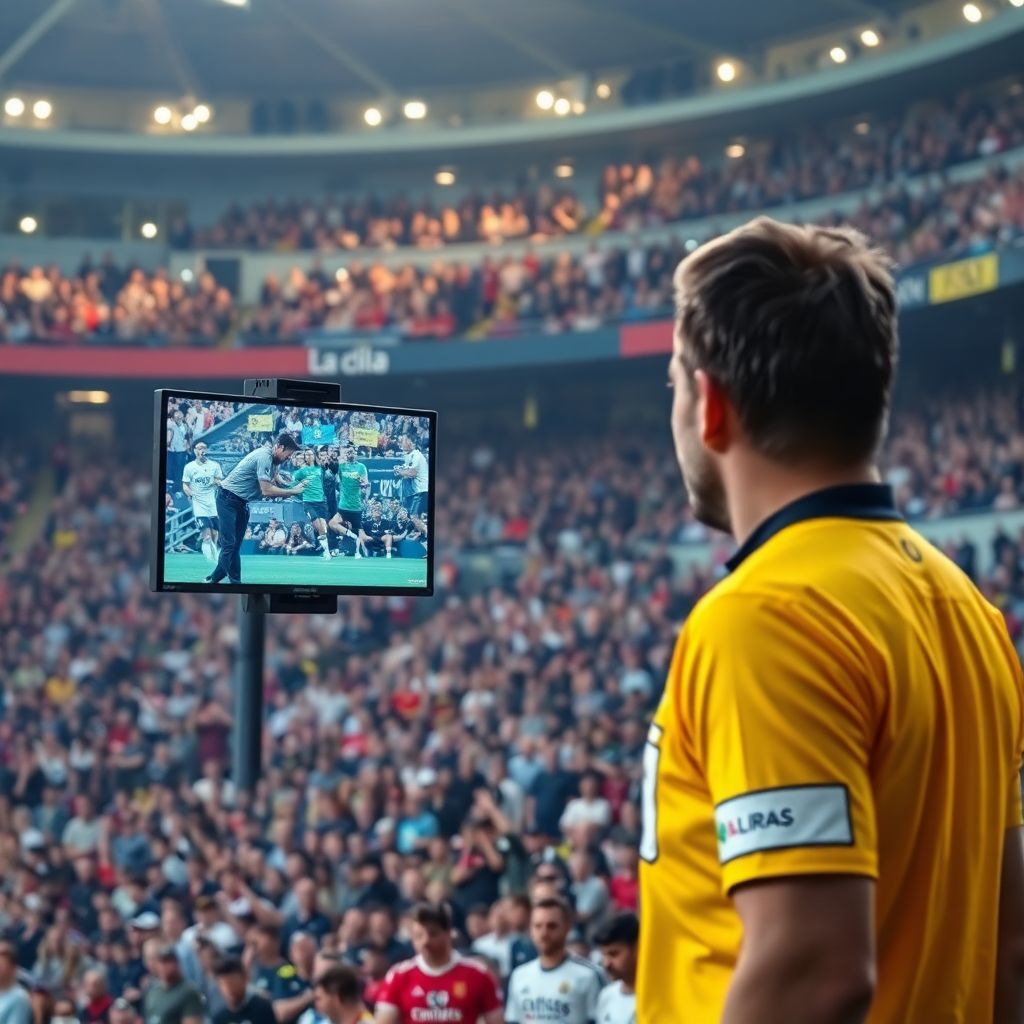
Var technology in football: more justice or loss of the spirit of the game?
VAR in football increases factual accuracy on offsides, penalties and red cards, but risks damaging match flow, spontaneity and trust if implemented poorly. The best balance for La Liga and similar competitions is a minimalist, transparent VAR: clear error focus, rapid checks, strong communication, and limited, well-defined interventions. Executive summary: VAR’s impact at a glance…
-

Romanticism vs data: are statistics killing the magic of the game?
Statistics are not killing the magic of the game; they are reshaping where that magic lives. Romance thrives in stories, intuition and risk, while data improves clarity, repeatability and fairness. The best choice is rarely pure romanticism or pure analytics, but a transparent hybrid with agreed limits that everyone in the club accepts. Core contrasts…
-

How tactics reflect worldviews from catenaccio to positional play
Catenaccio and positional play are not just tactics but worldviews about risk, control, and trust in the ball. Catenaccio starts from fear of space and protects it; juego de posición starts from love of the ball and manages space through circulation. Training choices quietly reveal which vision you follow. Essence of tactical thinking in one…
-

El fútbol as a secular religion with fallen heroes, myths and stories of redemption
Football as a secular religion means that many fans treat the game like a faith: with rituals, sacred places, myths, heroes, fallen idols and stories of redemption. It shapes identity, gives meaning and community, but also has limits and risks that require conscious, safe ways of participation. Foundational Ideas: Football as a Secular Faith Football…
-

Historical evolution of tactical systems and their link to socioeconomic change
The historical evolution of tactical systems in football mirrors shifts in labour, technology and money: from agrarian, slow 2-3-5 shapes to industrially disciplined WM, to flexible pressing and positional play in data-driven global markets. Each tactical change reflects how societies work, consume entertainment and allocate economic power. Essential historical insights The evolución histórica de los…
-

Capitalism, Tv rights and the disappearance of the traditional football fan
Capitalism, via the business of football TV rights, has shifted power from local stadium communities to global media platforms. Rising derechos de transmisión fútbol precios, fragmented paquetes de TV para ver fútbol en vivo and streaming paywalls reframe fans as consumers, accelerating the disappearance of the traditional hincha anchored in neighbourhood, class and place. Core…
-
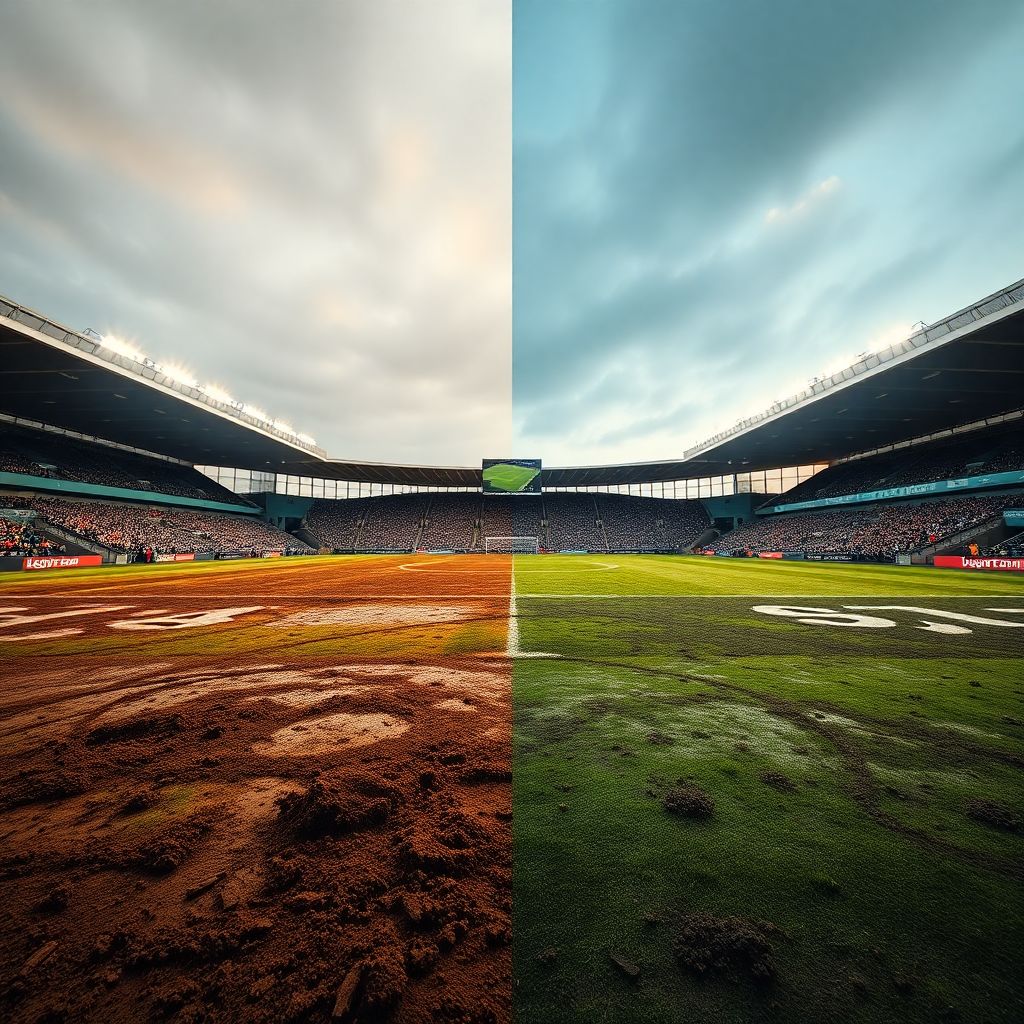
Romanticizing the past: was old football really more pure?
Nostalgia for a supposedly «purer» football usually mixes real differences (rules, money, media) with selective memory. Earlier eras had fewer cameras, slower pace and less commercial pressure, but also more violence, worse pitches and weaker player protection. Understanding context, evidence and how memory works helps avoid romanticising the past or unfairly dismissing today’s game. Central…