Categoría: El Juego Comercial
-
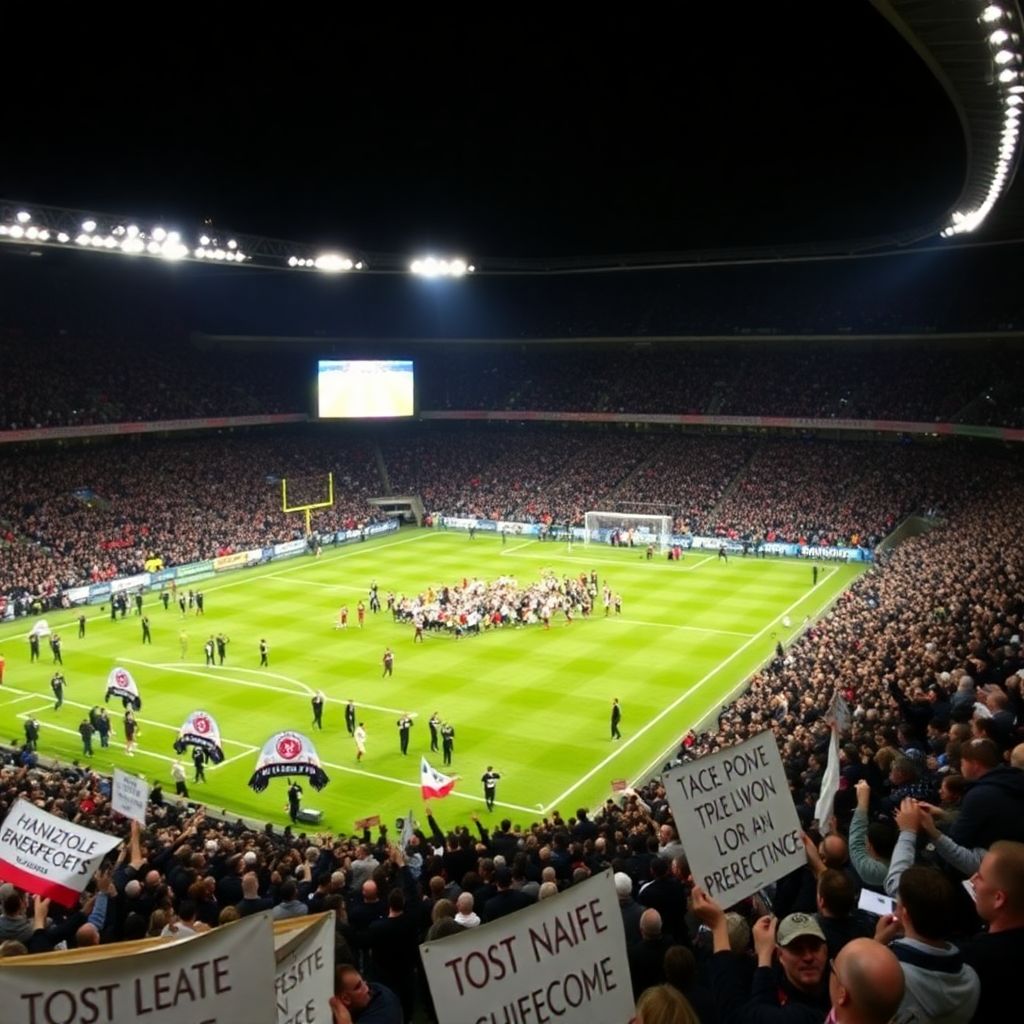
The stadium as political space: chants, banners and protests in times of crisis
Football stadiums in times of crisis become visible political arenas where chants, banners and protests negotiate power, identity and dissent. If you treat the stadium as a neutral bubble, you will misread what happens there; if you see it as a contested public square, behaviour and conflicts become clearer. Core claims and prevailing myths If…
-
Football and social classes: from working-class sport to premium pay Tv product
Football’s social class story runs from workers’ leisure game to premium pay‑TV product. Once rooted in industrial barrios and cheap terraces, it is now structured by subscription bundles, exclusive rights and rising costs. Class still shapes who plays, who watches in stadiums, who pays for broadcasts and who profits from the sport. Core shifts: football…
-
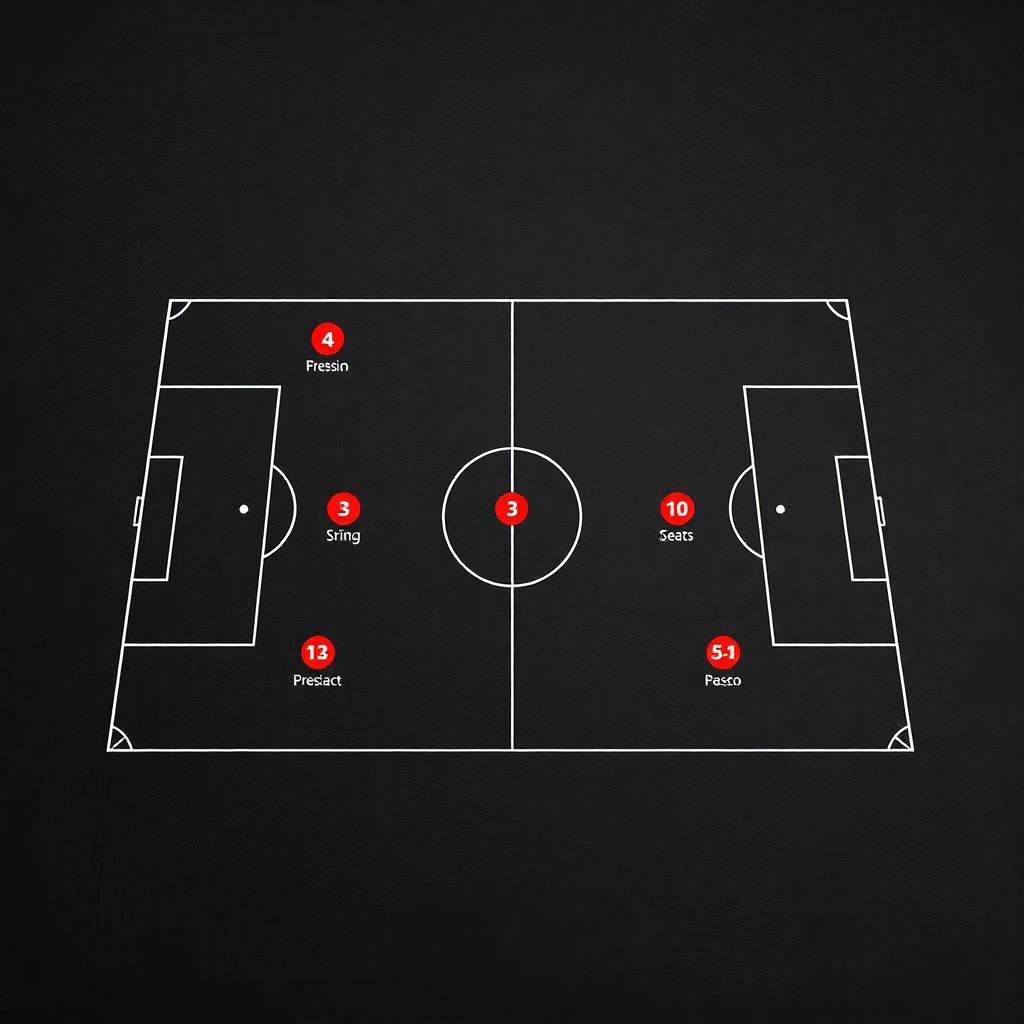
What a 4-3-3 says that a 5-3-2 cant: football tactics as language
4‑3‑3 «speaks» width, individual duels and high pressing, while 5‑3‑2 «says» compactness, central control and counter‑attacking. In Spain’s es_ES context, 4‑3‑3 suits clubs wanting positional play and wingers; 5‑3‑2 fits resource‑limited teams protecting the middle and exploiting transitions, especially against technically superior opponents. Tactical thesis: what a formation signals 4‑3‑3 signals width, isolation of full‑backs…
-

Clubs as businesses vs communities: the clash of models in the 21st century
For most Spanish clubs today, the «best» model is rarely pure: a business‑oriented structure is stronger for financial sustainability and competitive performance, while a community‑driven model is superior for democratic legitimacy and long‑term loyalty. The optimal choice is usually a hybrid that protects member power while professionalising governance, revenue and operations. Strategic snapshot for stakeholders…
-
The stadium as a modern agora: public space, surveillance and privatized experience
Modern stadiums resemble an agora because they concentrate people, emotion and visibility, yet they are usually privately owned, highly commercialised and tightly controlled. They work as conditional public forums: open to mass participation, but filtered through tickets, surveillance, sponsorship and regulations that shape who enters, what is visible and which voices are allowed. Core propositions:…
-

Romantic number 10 vs industrial football: disappearance, mutation or reinvention
The romantic No.10 in football is a creative playmaker who operates between lines, prioritising vision, pause and improvisation over athleticism and automation. In today’s industrial football, this figure is not simply disappearing; it is mutating into new roles and may be reinvented through thoughtful coaching, scouting, and tactical design. Defining the Romantic No.10 in Modern…
-
Is the club de barrio still alive?. Nostalgia, gentrification and lost football roots
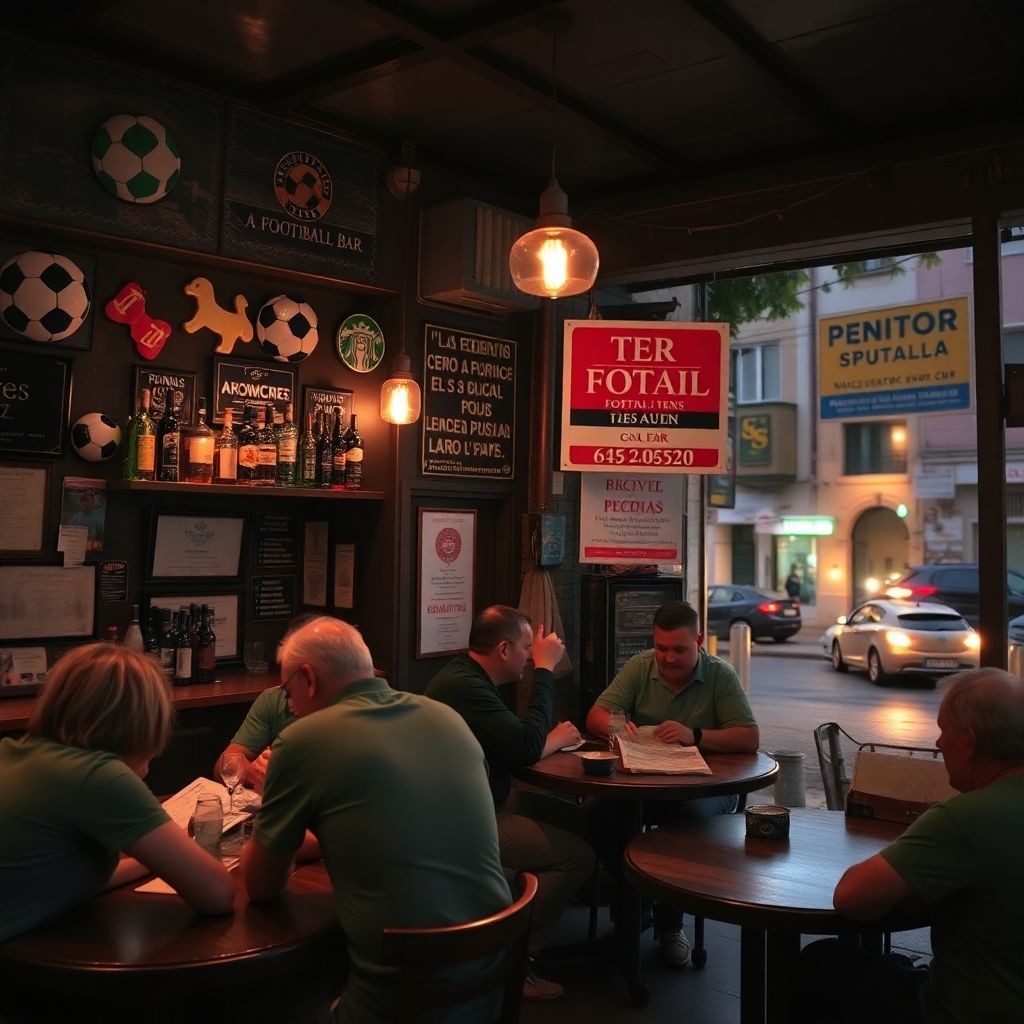
The classic «club de barrio» still exists in Spain, but fragmented: some survive as cheap social hubs for local football, others became themed bars, and many disappeared under real-estate pressure. To protect what is left, neighbours must organise, map venues, negotiate with councils and support sustainable, community-first business models. Myths vs Reality: Snapshot of the…
-

The commodification of talent: academies, transfers and the child as asset
Talent commodification in youth football means treating a child’s sporting potential as a tradable financial asset. It appears in academies, scouting, contracts and transfer negotiations. To prevent abuse, families, clubs and agents must prioritise education and wellbeing, demand transparent contracts, use independent legal advice, and respect limits on ownership and transfer of minors. Core Concepts…
-
Tactics as languages: how game systems express different worldviews
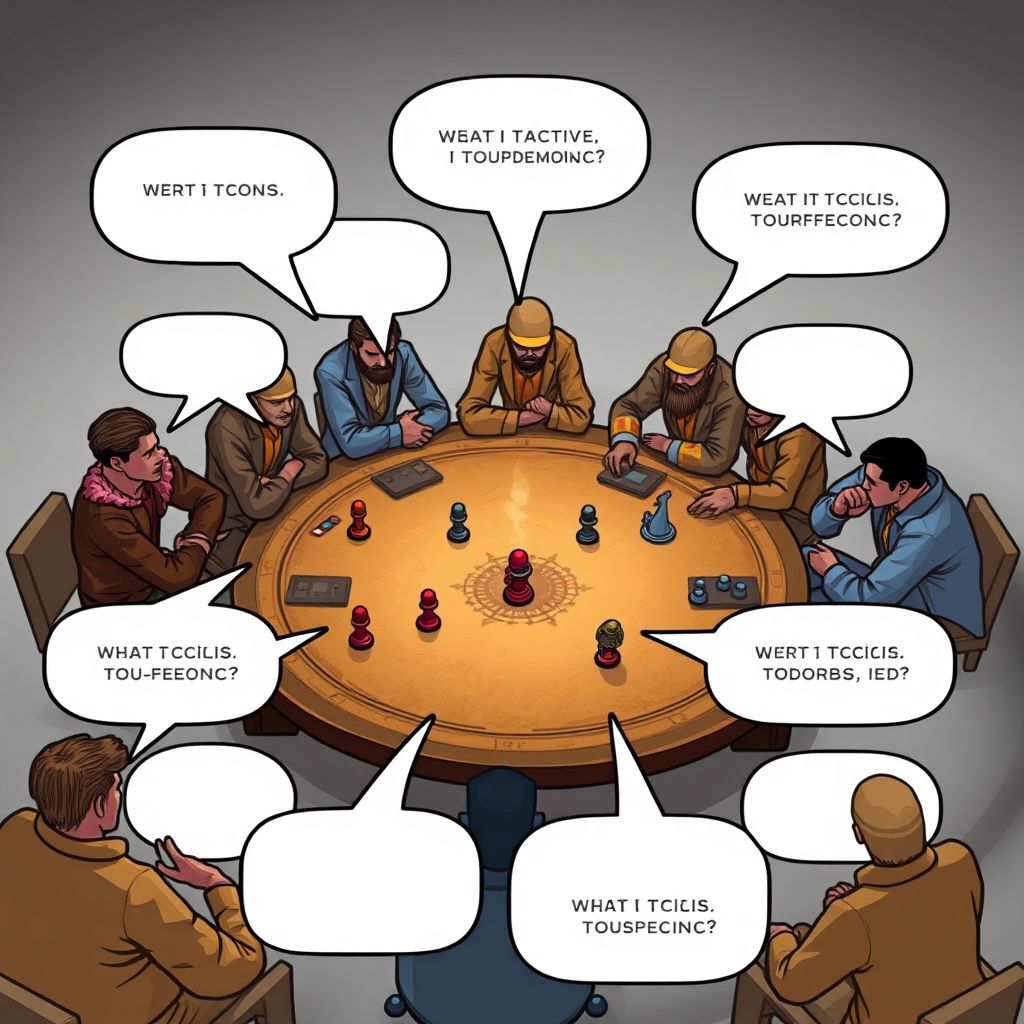
Tactics-as-language means that every system of rules and options in a game lets players «speak» certain worldviews while making decisions. If you design movement, economy, and conflict as a vocabulary of actions, then the viable tactics in your game will consistently express values like cooperation, hierarchy, risk‑seeking, or caution. Essential Concepts That Define Tactics-as-Language If…
-

Tactical globalization: why football looks the same everywhere – and what we lose
Tactical globalisation in modern football means similar pressing, build-up and spacing principles appear in almost every league. This convergence is driven by shared data, copied models and coaching networks. Football is not fully identical everywhere, but local skills and identities are shrinking unless coaches deliberately protect and train them. Core Tactical Assertions Most elite teams…