
The romantic No.10 in football is a creative playmaker who operates between lines, prioritising vision, pause and improvisation over athleticism and automation. In today’s industrial football, this figure is not simply disappearing; it is mutating into new roles and may be reinvented through thoughtful coaching, scouting, and tactical design.
Defining the Romantic No.10 in Modern Football
- The classic No.10 mixes imagination, leadership and technical mastery in the final third.
- Industrial football reduces their space and time but increases tactical demands.
- The role is shifting into hybrid profiles (false 9, advanced 8, wide playmaker).
- Poor coaching can kill the No.10’s creativity instead of adapting it.
- Modern development must blend structure with freedom to keep the role alive.
Origins and cultural significance of the classic No.10
The romantic No.10 is more than a position; it is a cultural archetype. From the South American enganche to the European trequartista, the No.10 has been imagined as the artist of the team, responsible for turning possession into poetry and matches into stories.
Traditionally the No.10 wears the shirt that symbolises prestige and responsibility. For many fans, collecting a camiseta número 10 fútbol clásico retro is a way to honour that lineage of genius: Pelé, Maradona, Zidane, Riquelme, Iniesta. Each embodied different physical profiles but shared the same function: thinking one play ahead of everyone else.
Historically the enganche stood in the central pocket, often free from defensive duties, connecting midfield and attack with risky passes and unexpected touches. In many libros sobre historia del enganche y el 10 en el fútbol, this freedom is presented as the essence of romantic football: trusting one player to decide the rhythm of the game.
Today, the myth of the No.10 is often contrasted with «industrial football» in every new documental fútbol romántico vs fútbol moderno streaming. Yet the deeper question is not nostalgia: it is how to protect creativity while embracing the intensity, data and tactical rigour of the contemporary game.
Tactical evolution: how formations and pressing reshaped the playmaker
- Rise of pressing and compactness. High pressing and mid-blocks compress the central channel where the traditional No.10 lived. The playmaker now has less time on the ball and must either defend intensely or be protected by an ultra-dominant team structure.
- Shift from 4-3-1-2 / 4-2-3-1 to 4-3-3 / 4-2-3-1 hybrids. Many coaches turned the central attacking midfielder into an extra runner or presser. The «10» evolved into an aggressive 8, interior, or second striker responsible for counter-pressing and deep runs rather than permanent playmaking.
- Positional play (juego de posición). In strict positional systems, the No.10 cannot roam at will. The creative player must respect zones, occupy half-spaces, and make pre-programmed rotations. The art shifts from free improvisation to optimising pre-defined structures.
- Inverted wingers and wide playmakers. Some of the old No.10’s functions moved to the wings. Inverted wingers come inside to receive between lines, combine, and shoot. They often have more space than a central 10 but must beat full-backs and track back aggressively.
- False 9 and advanced 8 as new 10s. Coaches hide the playmaker as a false 9 dropping into pockets, or as an advanced 8 arriving high from deep. These roles allow creative players to appear on the ball facing forward instead of being permanently marked in zone 14.
- Defensive transition as a selection filter. The modern No.10 cannot be a defensive passenger. Teams choose profiles that can lead the press, delay counters, and cover passing lanes. Aesthetic talent without minimum work against the ball is rarely tolerated at the top level.
Micro-scenarios: applying the evolved No.10 roles on the pitch
To make this evolution practical, consider three frequent scenarios that coaches in Spain encounter in regional and semi-professional leagues.
- 4-3-3 vs low block 4-4-2. Your most creative player starts as a left interior (advanced 8). In possession, you ask him to drift into the left half-space between opposition lines. The full-back overlaps, the winger stretches wide, and your «hidden 10» receives with time to turn inside.
- 4-2-3-1 vs high pressing 4-3-3. The classic 10 in the «3» band struggles to receive. You invert the 10 and the striker: the nominal 9 drops as a false 9, pulling a centre-back out of line, while the «10» makes diagonal runs behind the defence, becoming more of a second striker than a static playmaker.
- 3-4-2-1 with double 10s. Against teams that defend very narrowly, you position two «10s» in the half-spaces, with a double pivot behind them. Each 10 receives on the half-turn, combining with wing-backs. The romantic element survives, but within a wider occupation and solid rest defence.
These scenarios show that the romantic No.10 is viable if their zone, role in pressing, and support structure are carefully designed rather than left to «freedom» alone.
Industrial football economics: market forces that sideline improvisation
Industrial football is driven by television rights, global sponsorships, big data and risk management. Clubs value predictability and repeatability: automations, rehearsed patterns, and physically dominant players who can maintain intensity every three days. This context changes which creative profiles are considered «investable».
First, executives often prefer players with measurable output (goals, assists, pressing metrics) over subtle influence. A romantic No.10 who creates «pre-assists» or manipulates blocks may be undervalued compared to a winger with obvious goal numbers. Scouts must learn to translate creative impact into measurable patterns and clips.
Second, academies feel pressure to produce saleable assets. If a youth system markets a curso online táctica fútbol enganche y mediapunta moderno, but its internal KPIs reward speed, endurance and duels above game intelligence, the message to young talents is confusing: creativity is celebrated in theory but punished in selection.
Third, marketing often sells nostalgia while the pitch rewards conformity. Clubs organise testimonial games, selling entradas partidos homenaje a leyendas número 10 and special edition shirts, while first teams move away from that profile. For the modern No.10 to survive, commercial narratives must match sporting strategy, not contradict it.
Finally, the global market invites copy-paste models. Smaller clubs imitate top sides’ pressing schemes without the same budget or player quality. They then declare the No.10 «obsolete» instead of adapting the style to their reality, where a local genius might be their true competitive edge.
Profiles in continuity: modern players who preserve the No.10 ethos
Even within industrial football, some players still embody the No.10 spirit while fitting modern demands. They defend, press and run, but their main value remains the ability to see passes others do not and to create advantages out of nothing.
Advantages of preserving a No.10-type profile
- Unpredictability in tight games. A genuine creator can unlock low blocks when automatisms fail, giving coaches a plan B that is not just crossing from wide areas.
- Rhythm control. No.10s can accelerate or slow down possession according to game context, protecting leads or increasing chaos when chasing a goal.
- Chemistry with strikers. Elite forwards often thrive with a dedicated supplier who understands their runs and body language, increasing finishing efficiency.
- Cultural and brand identity. For clubs with a historic playmaking tradition, maintaining a No.10 profile aligns the squad with supporters’ expectations and the club’s storytelling.
- Development of surrounding players. Young wingers and full-backs benefit from playing with a central organiser who constantly offers passing lanes and combinations.
Limitations and risks of the modern No.10
- Defensive vulnerability. If the No.10 does not contribute enough in pressing, the team can be outnumbered in midfield and suffer transitions through their zone.
- System dependency. Some creative players shine only in very specific structures (e.g., with double pivot protection), limiting tactical flexibility for the coach.
- Physical mismatch in high-intensity leagues. In competitions with relentless pressing, a slower or less robust No.10 may be targeted as the weak link.
- Market perception. Clubs might undervalue or mislabel such players, buying them as wingers or 8s and then misusing them, which hurts both player and team.
- Over-centralisation of play. Relying too heavily on one organiser can make attacks predictable and easier to neutralise with man-marking or cover shadows.
Developing creativity: coaching methods and youth systems that foster inventiveness
Many academies and coaches talk about creativity but unconsciously train it out of players. The most common errors are structural and can be corrected quickly with targeted changes in design and communication.
- Mistake: equating discipline with obedience. Players are rewarded for «not losing the ball» instead of trying risky passes. How to prevent it fast: define zones and game states where risk is encouraged (e.g., final third, when numerically superior) and explicitly praise correct ideas even when execution fails.
- Mistake: over-coaching every decision. Constant instructions from the touchline kill the No.10’s perception and autonomy. Quick fix: add «silent» blocks in training where coaches cannot speak; review decisions afterwards with video, asking players to explain what they saw.
- Mistake: physical profiling too early. Youth coaches discard late-maturing, small playmakers in favour of strong runners. Immediate action: create parallel pathways for technical-intelligent profiles, tracking their progress with cognitive and decision-making metrics rather than only sprint tests.
- Mistake: one-size-fits-all drills. Standard rondos and pattern plays without context do not replicate the stress of the pocket where a No.10 lives. Quick prevention: design constrained games where the central player must receive under pressure, turn, and play vertical passes with strict time limits.
- Mistake: separating «street football» from academy work. Some clubs ban 1v1s and improvisation as «unstructured». How to correct: integrate free-play blocks, futsal-inspired games and small-sided tournaments that reward nutmegs, wall passes and creative solutions, similar to the spirit many fans seek when they watch a documental fútbol romántico vs fútbol moderno streaming.
- Mistake: not educating staff on the role’s history. Coaches who never studied the evolution of the enganche may misjudge its modern potential. Fast remedy: create staff reading and video clubs around selected libros sobre historia del enganche y el 10 en el fútbol and tactical analyses; apply learnings directly to session design.
By correcting these patterns, academies in Spain and beyond can reinvent the No.10 without reverting to naive, defence-free football.
Three futures mapped: disappearance, mutation, and reinvention of the No.10
The future of the romantic No.10 is not binary. It is a spectrum that ranges from extinction in certain ecosystems to transformation and rebirth in others. Coaches, analysts and scouts influence this trajectory with daily micro-decisions.
Scenario 1: Disappearance in ultra-industrial contexts
In leagues and clubs that push pressing and athleticism to extremes, the No.10 profile may vanish. Only multifunctional midfielders survive, and creativity is distributed across many players. The «10» shirt becomes mere marketing, used mostly on camiseta número 10 fútbol clásico retro lines and ceremonial matches.
Scenario 2: Mutation into hybrid specialists
In balanced environments, the No.10 mutates into advanced 8s, false 9s and wide playmakers. They keep the brain and technique but accept physical and tactical demands. Coaches who follow a serious curso online táctica fútbol enganche y mediapunta moderno are more likely to produce these hybrid creators than pure, static enganches.
Scenario 3: Reinvention in niche ecosystems
Some clubs may deliberately build identities around creativity, accepting defensive trade-offs. Here the No.10 returns as a central figure, protected by collective mechanisms. Supporters who buy entradas partidos homenaje a leyendas número 10 and celebrate creative heritage will find continuity in these projects.
Mini-case: a Spanish Segunda club’s choice
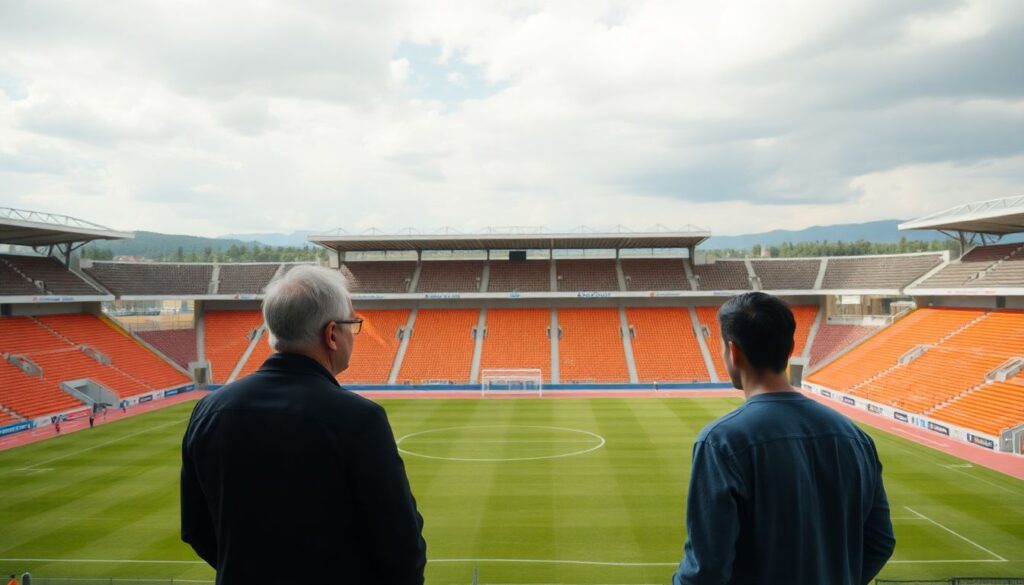
Imagine a Spanish Segunda club with limited budget but excellent academy. The sporting director must decide between copying a high-pressing template or building around a gifted local 10.
// Pseudo-decisions for the club's model
if (market > club_budget) {
    invest_in_academy_creators();
    design_structure_around_No10();
    accept_moderate_defensive_risk();
} else {
    copy_pressing_model();
    prioritise_physical_midfielders();
}
By choosing the first branch, the club uses creativity as its differentiator instead of competing in the same industrial race it cannot win financially. This is how the romantic No.10 can be reinvented realistically, not as nostalgia but as strategy.
Concise clarifications on the No.10’s status and implications
Is the romantic No.10 truly extinct in elite football?

No. The pure, static enganche is rare, but its qualities live in modern hybrids: advanced 8s, false 9s and wide playmakers. The role’s form changed; the core skills of vision, timing and disguise are still decisive at the highest level.
Can a team pressing aggressively still afford a classic No.10?
Yes, but only with structural protection. The team must compensate with a strong double pivot, intelligent rest defence and clear pressing triggers that allow the No.10 to guide rather than only chase. Without that, the player becomes an exploitable weakness.
How should academies in Spain adapt their training for future 10s?
They must add game-like chaos to training, delay physical exclusion of late developers, and explicitly reward risk-taking in the final third. Combining structured positional play with free-flow blocks is more effective than choosing one philosophy exclusively.
What data should scouts use to evaluate a potential No.10?
Beyond goals and assists, look at progressive passes, passes into the box, receptions between lines, pre-assists and pressing actions. Video tagging of «third-man combinations» and «pressure-resistance» actions helps translate intangible creativity into shared scouting language.
Does wearing the number 10 shirt still mean anything today?
Symbolically, yes. It signals responsibility for creation and leadership in attack, especially in clubs that honour their legends with special games and shirts. Practically, role and zone matter more than the number itself, but players often feel the weight and inspiration of that history.
How can a small club use a No.10 as competitive advantage?
By building a clear tactical identity around their creator instead of imitating richer teams. Giving the No.10 a central role, supported by disciplined runners and a compact block, can offset budget gaps and attract fans who crave a more romantic style.
Is there a conflict between «romantic» and «modern» football?
Only if framed poorly. The best projects integrate romantic creativity into modern structures: intense pressing, data-informed scouting, and clear tactical frameworks that still leave room for improvisation in the final third.