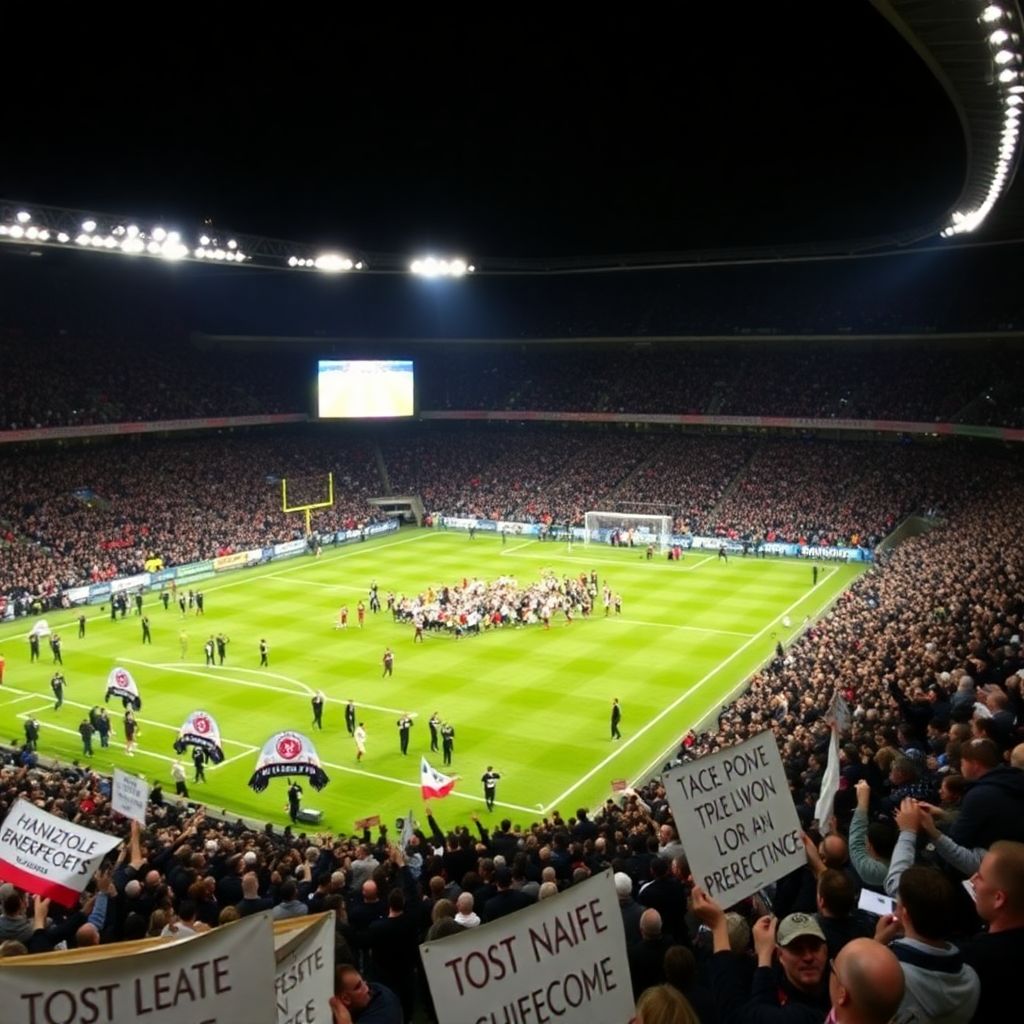
Football stadiums in times of crisis become visible political arenas where chants, banners and protests negotiate power, identity and dissent. If you treat the stadium as a neutral bubble, you will misread what happens there; if you see it as a contested public square, behaviour and conflicts become clearer.
Core claims and prevailing myths
- If you assume politics is external to football, then you will miss how stadium rituals encode political conflicts, especially in economic or constitutional crises.
- If you think only ultras are political, then you ignore how families, peñas and TV audiences also join or resist protests.
- If you believe bans on banners and chants depoliticise stadiums, then you should expect protests to migrate to clothing, gestures or silence instead.
- If you imagine media merely report, then you overlook how cameras and framing decide which stadium protest becomes «national crisis».
- If you treat every chant as organic democracy, then you risk legitimising coercion by dominant groups who silence minorities in the stands.
Debunking common myths about stadiums as political spaces
The phrase «estadio como espacio político» describes the stadium as a semi-public arena where collective emotions, identities and conflicts are expressed, negotiated and disciplined. It sits between street and parliament: less formal than institutions, but more regulated than open public space, especially in Spain after the anti-violence and security laws.
Myth one: «Football and politics do not mix». In practice, clubs, federations and governments constantly mix them: from anthem ceremonies to minutes of silence, from security laws to public subsidies. If you hear someone invoke «no politics in football», then suspect a selective rule used to exclude only certain causes.
Myth two: «The stadium always reflects the people’s voice». In reality, ticket prices, season-ticket rules and policing shape who can attend and who is pushed out. If crisis hits and only higher-income fans remain inside, then the «voice» of the stadium will skew toward those who can still pay.
Myth three: «Only explicit banners or chants are political». Colours, silence, walkouts, even staying at home can be political signals. If authorities ban specific slogans, then protest often turns to coded messages, choreos or coordinated absences that are harder to police but still legible to insiders.
Myth four: «Politics enters the stadium only from outside». Many dynamics are internal: long-standing rivalries, club ownership conflicts, local identities. If you read any good futbol y politica libro focused on Spain, then you will see how these internal tensions later connect with wider national or regional crises.
Historical episodes that transformed matches into political stages
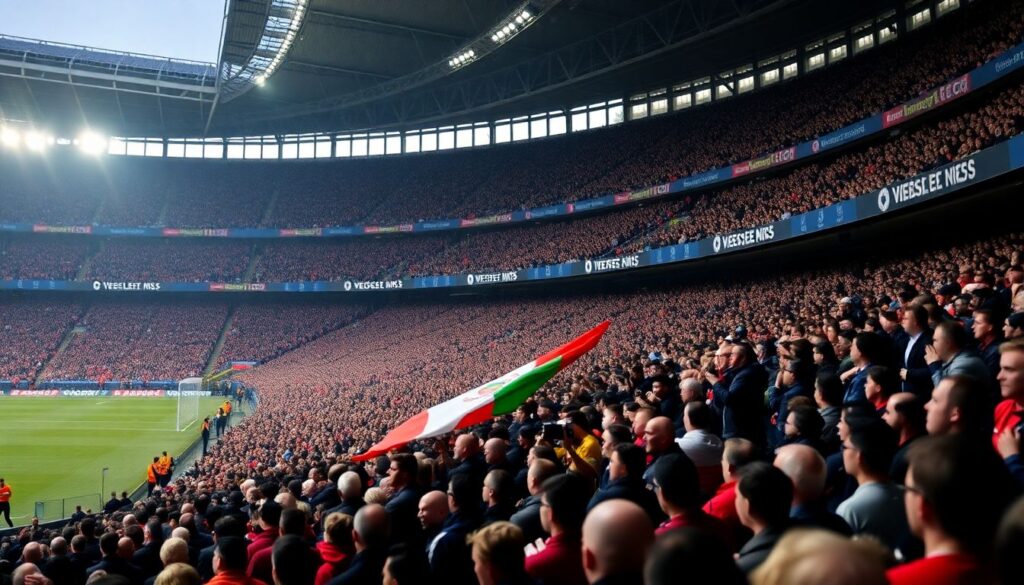
During crises, matches often become condensed political episodes. If we trace the historia de los canticos politicos en el futbol, then several recurring mechanisms appear:
- If a state ceremony (anthem, flag, monarchy symbol) is part of pre-match ritual, then organised sectors can use boos, silence or alternative songs to contest that symbol in front of cameras.
- If repression or censorship dominates streets, then stadiums can temporarily function as one of the few spaces where large groups gather, making choreographed chants and banners a safer proxy for demonstrations.
- If clubs have strong regional or class identities, then fans can turn local grievances into national debates by timing protests during high-profile derbies or finals.
- If a government uses football success to showcase stability, then defeats or fan protests during those showcases can flip the narrative into one of crisis and delegitimation.
- If an economic crisis triggers ticket hikes or stadium redevelopment, then protests about prices easily connect with broader anti-austerity anger.
- If players or staff openly take a stance (armbands, celebrations, statements), then their symbolic weight can legitimise or radicalise the messages in the stands.
- If a sensitive issue appears first as a minor incident (a single banner, a small group chant), then subsequent sanctions or media attention can amplify it into a central political controversy.
How chants, banners and organized protests function inside stadiums
Chants, banners and protest actions in stadiums work through repetition, emotion and visibility. If you analyse them like you would a demonstration, then you quickly see leaders, scripts and counter-scripts rather than spontaneous chaos.
- If chants dominate the soundscape, then they shape perception. If one political chant is repeated rhythmically for several minutes, then TV microphones and commentators are forced either to acknowledge it or visibly ignore it, both of which have political meaning.
- If banners occupy central visual lines, then they compete with sponsor messages. Large tifo and pancartas politicas en estadios analisis show that the most impactful ones sit behind goals or along main camera angles. If security pushes them to upper corners, then both their risk and influence tend to drop.
- If ultras coordinate, then they can script the entire match narrative. If a crisis escalates, then they usually decide when to start, pause or escalate chants, whether to leave the stadium, turn their backs or maintain noise to block rival messages.
- If silent protests appear, then interpretation becomes contested. If an entire stand remains silent during anthem or kick-off, then journalists and authorities must decide whether to label it political, which often reveals their own biases.
- If walkouts or boycotts are organised, then empty seats speak. If thousands leave at a given minute, then TV audiences and sponsors see concrete economic impact, not only symbolic dissent. In times of crisis, this tactic directly targets club or league revenues.
- If visiting fans bring different agendas, then the stadium becomes a clash of political scripts. Home and away sectors may promote opposing narratives (for example on independence, monarchy or migrants), forcing security and media to decide which one is shown and which one is contained.
Roles and reactions: clubs, governing bodies and security forces
Different actors respond strategically to stadium politics. If you map roles clearly, then it becomes easier to predict who will react, how quickly and with which tools.
Institutional advantages and opportunities
- If clubs anticipate political tension, then they can reframe matches with official ceremonies (anti-racism, equality, remembrance) that partially channel emotions into less confrontational messages.
- If leagues and federations standardise protocols (minutes of silence, anthem volume, pitch entry routines), then they can reduce ad hoc conflicts with local authorities.
- If security forces coordinate with fan groups before a crisis match, then routes, seating plans and banner rules can be negotiated in advance instead of improvised under pressure.
- If clubs offer structured participation (surveys, assemblies, recognised fan councils), then some political frustrations about ownership or ticketing may shift from the terraces to semi-formal negotiation arenas.
Constraints, risks and backlash dynamics
- If authorities rely mainly on bans and fines to silence chants, then they often radicalise groups who feel censored and push protests into more confrontational or coded forms.
- If security uses disproportionate force, then images of repression in a leisure space travel faster and more emotionally than similar scenes in traditional protests.
- If clubs selectively punish only certain political messages, then they are perceived as aligned with one side, even when they claim neutrality.
- If legal frameworks treat stadiums as «apolitical» commercial venues, then activists and lawyers will contest that framing with every high-profile sanction, turning disciplinary cases into constitutional debates.
The role of media and social platforms in amplifying stadium politics
Media determine which stadium protests become part of national crisis narratives. If you study any solid protestas en estadios de futbol reportaje, then you see that cameras, editing and social networks filter chants and banners long before audiences interpret them.
- If TV chooses not to show a banner, then social media may compensate by circulating photos, often with more polarised commentary.
- If commentators label a protest as «political» or «controversial», then many viewers adopt that frame without seeing the wider context or counter-arguments.
- If short clips trend on social networks, then complex conflicts are reduced to a few seconds of boos or a single chant, encouraging simplified, moralised debates.
- If journalists rely only on official club or police sources, then accounts from fans, stewards and local neighbours remain invisible, skewing public understanding.
- If academic work like an estadio como espacio politico tesis stays in universities, then policy discussions miss nuanced analysis and instead recycle clichés about hooligans or «apolitical majority».
- If influencers and ex-players take public positions on stadium protests, then their narratives can legitimise or delegitimise fan actions far beyond the match itself.
Assessing outcomes: when stadium actions influence public policy
Not every chant or banner changes laws, but some sequences in crisis moments do have concrete policy consequences. If you want to evaluate impact rigorously, then follow the chain from stadium action to institutional response.
Consider this simplified pattern, typical of many pancartas politicas en estadios analisis in Spain:
- If a politically charged banner appears repeatedly in televised matches, then it introduces a contentious issue into mainstream debate with emotional images.
- If authorities respond with sanctions or public condemnation, then they elevate the banner from local complaint to a symbol of resistance or censorship, depending on side.
- If supporters, journalists and opposition politicians frame the sanctions as unfair, then the controversy shifts from the original message to questions about freedom of expression, policing and rights in cultural spaces.
- If this rights-based debate sustains over time, then courts, ombudsmen or parliaments may be forced to clarify legal boundaries for expression in stadiums, adjusting regulations or enforcement practices.
- If new rules emerge after such controversies, then stadiums have functioned as stress tests for democratic guarantees under conditions of mass emotion and security pressure.
In practice, if you want to understand how stadium politics interacts with broader crises, then track specific controversies across these stages instead of asking abstractly whether «football is political». Case-based analysis, supported by serious futbol y politica libro research, is more reliable than anecdote or ideology.
Clarifications and practical implications
Is every chant or banner in a stadium necessarily political?
No. If a message addresses power, identity, rights or injustice, then it is political; if it stays within purely playful or decorative territory, then its political content is minimal. Ambiguous cases depend on context and how audiences interpret them.
How can clubs reduce tensions without banning all political expression?
If clubs set clear, content-neutral rules (for example, size and safety standards) and apply them consistently, then they can focus on risk and rights rather than ideology. Dialogue with fan groups before crisis matches is more effective than last-minute censorship.
Do stadium protests represent the whole fan base or the whole society?
Rarely. If ticket prices, schedules and travel costs exclude some groups, then the stadium crowd is already a filtered sample. Treat protests in the stands as one loud voice among many, not as a perfect mirror of society.
What should journalists keep in mind when covering stadium politics?
If journalists contextualise chants and banners with local history and fan perspectives, then audiences can interpret events more critically. Over-focusing on isolated images or extreme groups distorts the broader dynamics.
Can governments legitimately restrict political expression in stadiums?
If restrictions protect safety and prevent direct incitement to violence, then many legal systems accept them. If they selectively silence specific ideologies while allowing others, then they risk legal challenges and legitimacy loss.
How can fans act responsibly when protesting during a match?
If fans coordinate to avoid hate speech and physical risk, then they can send strong messages without endangering others. Choosing symbols, language and tactics that invite dialogue instead of dehumanisation helps protect both rights and safety.
Does social media strengthen or weaken stadium protest movements?
Both. If groups use social networks to organise and explain their actions, then protests can gain coherence and support. If conflicts play out mainly through viral outrage clips, then polarisation increases while nuance disappears.