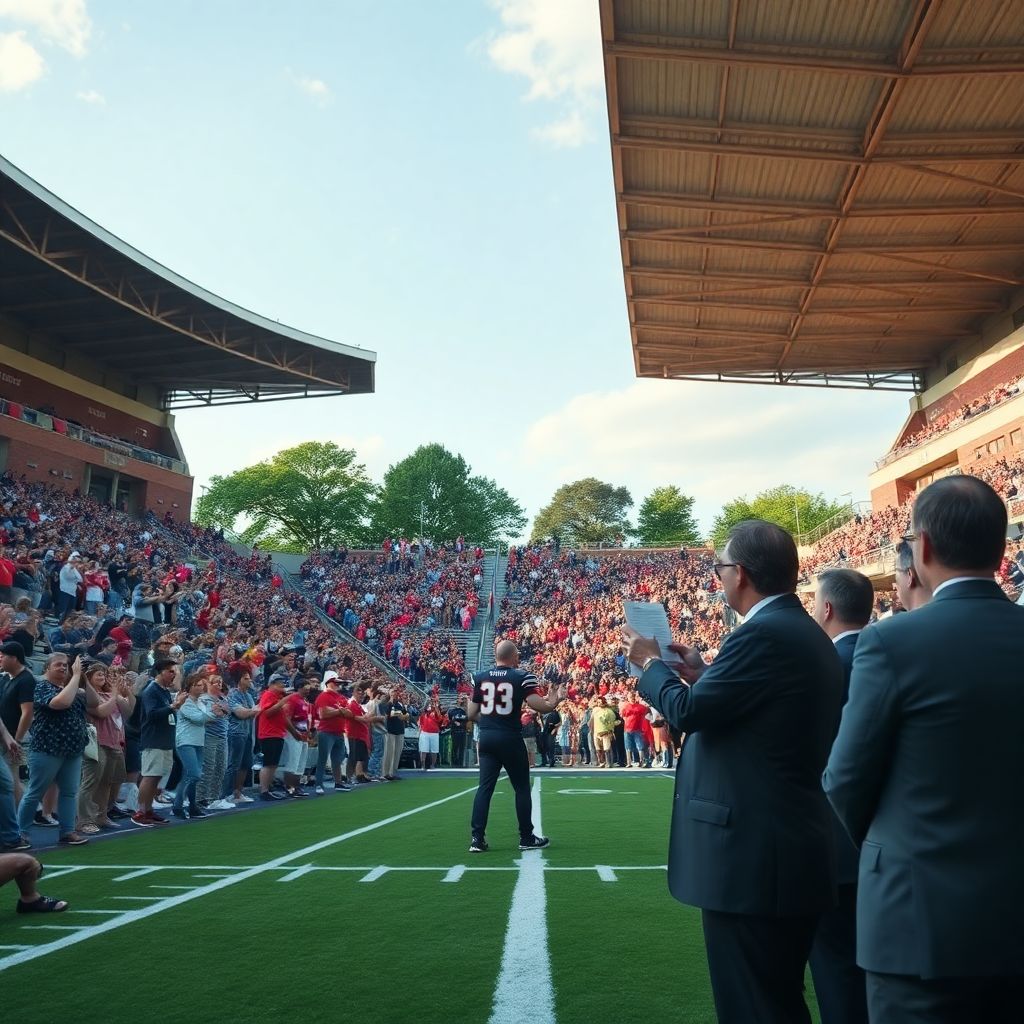
When a club stops belonging to its neighbourhood, ownership shifts from socios and locals to distant investors. This change alters decision‑making, priorities and identity: from weekend volunteers to Excel dashboards, from community heritage to financial asset. Understanding how funds enter, what they change, and how communities can react is essential.
Debunking myths: what really changes when ownership goes distant
- Myth 1: «Any investment is better than none». Some deals load the club with debt and demand short‑term profit, worsening its long‑term stability.
- Myth 2: «New owners will always keep the badge and the colours». Funds may rebrand, move the team or change symbols if they see higher commercial value.
- Myth 3: «Professionalisation automatically means more respect for fans». More staff and reports do not guarantee structured dialogue with peñas, socios or neighbourhood associations.
- Myth 4: «Foreign money arrives only to save clubs from bankruptcy». fondos de inversión que compran equipos de fútbol often target undervalued brands, broadcasting rights or real‑estate opportunities, not just «rescue missions».
- Myth 5: «Regulators will block any extreme change». In many jurisdictions, legal protections for club identity, stadium location or fan representation are weak or non‑existent.
How investment funds acquire local clubs: mechanisms and incentives
Investment funds and distant owners usually enter through one of three routes: buying shares, assuming debt in exchange for control, or purchasing key assets such as the stadium or brand rights. In Spain, this often interacts with specific structures like SAD (Sociedades Anónimas Deportivas) and traditional membership clubs.
For people searching clubes de fútbol en venta a fondos de inversión, the process typically begins long before any public announcement. Intermediaries scan leagues for distressed but historically rich clubs, where a modest purchase price can control a powerful symbol. This is especially common in secondary divisions where oversight is looser and financial stress is higher.
From a purely financial angle, inversión en clubes de fútbol europeos rentabilidad is driven by expectations of capital gains (selling the club later), improved broadcasting deals, and development or sale of players. The sporting side matters, but often as a means to increase asset value, not as an end in itself.
At grassroots level, there are also smaller operations where individuals learn cómo comprar acciones de un club de fútbol español via public offerings or private placements. Yet, when an investment fund enters, it usually aims for a controlling stake, allowing it to reshape governance, staffing and even the long‑term location of the club.
Financial restructuring and its immediate effects on club operations
- Debt consolidation and refinancing. New owners renegotiate loans, sometimes transferring club debt to related companies. This can look like relief in the short term but may increase financial dependence on the fund.
- Cost‑cutting measures. Non‑»core» areas such as grassroots teams, women’s sections, or community programmes are often reduced first, because they do not generate direct cash flow.
- Squad and academy changes. Player trading becomes a central business line. Short contracts, aggressive buy‑and‑sell strategies and the use of multi‑club networks can disrupt local identity and continuity.
- Commercial expansion. Ticket prices, merchandising, hospitality and digital subscriptions are optimised for revenue, sometimes ignoring the purchasing power of long‑time local fans.
- Asset separation. Stadiums and training grounds may be moved into separate companies, making it easier to sell or redevelop them independently from the sporting entity.
- Governance overhaul. Traditional assemblies of socios lose influence, replaced by a small board loyal to the fund. Information flows become more opaque for local stakeholders.
Erosion of community ties: membership, volunteers and local culture
When ownership goes distant, the relationship between the club and its barrio changes in very concrete ways. The club stops acting like a social hub and starts resembling a corporate entertainment product, often alien to its original context.
- Membership diluted or replaced. Membership schemes become «fan loyalty programmes» with no voting rights. Long‑time socios see their role shrink to that of preferred customers.
- Volunteers sidelined. Volunteers and local organisers of youth tournaments, charity events or bar operations are replaced by paid staff or outsourced services, breaking informal networks that built the club.
- Training schedules and locations altered. To optimise logistics or commercial deals, youth teams may train farther away, making it harder for local kids to participate.
- Language and symbols adjusted to global markets. English slogans, «global» branding and neutral stadium music can make local fans feel like tourists in their own ground.
- Calendar filled with corporate events. Non‑sporting activities shift from neighbourhood festivals to sponsor‑driven events, with higher entry prices and less community relevance.
- Weakened inter‑club solidarity. Traditional friendly matches with nearby clubs, or support actions for smaller entities, are deprioritised unless they fit a marketing plan.
Branding, stadium naming and the commercialization of identity
Commercialisation is not automatically negative. When done with respect and participation, it can bring stability without destroying identity. The line is crossed when badges, colours and names are manipulated without considering the people who gave them meaning.
Potential advantages of controlled commercialization
- Stadium naming rights can fund renovations that improve safety, accessibility and matchday experience for all fans.
- Stronger brand management can increase merchandising sales, supporting the academy and women’s football if revenues are fairly allocated.
- Strategic partnerships with global sponsors can expose the club’s story to new audiences without erasing local symbols.
- Professional marketing can help recover lapsed fans and attract families, if pricing and messaging remain inclusive.
Risks and hard limits to protect
- Permanent changes to badge, colours or club name should be treated as constitutional, requiring fan approval, not just board decisions.
- Relocating the first team outside the traditional area undermines the social contract between the club and its barrio.
- Over‑commercial matchdays, with endless sponsor activations, can make long‑time fans feel secondary to corporate guests.
- Short‑term «rebranding» experiments may damage reputation for years, even if later reversed, especially when the community is not consulted.
- Linking identity too closely to a single sponsor (including in the name) increases vulnerability if the company faces scandal or bankruptcy.
Regulatory gaps and policy tools to protect community interests
Legislation and federation rules often lag behind the speed of financial innovation. This creates space for deals where clubs legally comply but socially betray their origins. Understanding typical errors and myths helps design better protections.
- Assuming existing law is enough. Many countries lack explicit limits on changing club names, colours, or relocation. Without clear rules, regulators can do little when conflicts arise.
- Ignoring cross‑border complexities. When buyers are foreign, asesoría legal para venta de clubes deportivos a inversores extranjeros must review both local sports law and the fund’s home jurisdiction. Overlooking this can weaken enforcement options.
- Confusing financial «fit and proper» tests with community protection. Verifying that owners have money does not guarantee they respect local identity or long‑term sustainability.
- Underusing fan representation tools. Advisory boards, golden shares for municipalities, or reserved seats for supporters in governance bodies are possible but often not implemented.
- Blocking all investment instead of setting conditions. Rejecting any outside money can leave clubs trapped in precarious situations. The goal should be clear red lines and binding clauses, not a blanket «no».
- Forgetting the real‑estate angle. Stadium land is often the hidden prize. Regulations should prevent speculative demolition or conversion without community consent, even when the club is technically solvent.
Case studies: successful community resistance and failed transitions
Examples illustrate how the same forces can lead to opposite outcomes depending on organisation, timing and legal framing. These are simplified, composite case patterns inspired by real situations across Europe, including Spain.
Pattern A: organised community influence within an ownership change
A historic second‑division club faces bankruptcy. An international group studies inversión en clubes de fútbol europeos rentabilidad and makes an offer. Before closing, local authorities and fan groups negotiate:
- Municipality acquires a minority stake and a «golden share» over name, colours and stadium location.
- Supporters’ trust gets one non‑executive board seat and formal consultation rights on ticketing and membership schemes.
- Stadium land is protected by zoning rules; any non‑sportive development needs public approval.
- The investment fund commits minimum budgets for academy and women’s team in the contract.
The deal closes. The club restructures its debt and modernises facilities through stadium naming rights. Local identity remains intact, and the new owners still see upside in a stable, respected brand.
Pattern B: speculative takeover and community break‑up
Another club sells quickly to a foreign vehicle identified among fondos de inversión que compran equipos de fútbol, with little transparency. No binding guarantees are demanded; members trust vague promises. Within a few seasons:
- The stadium is sold to a related company, then partly redeveloped for commercial use.
- Ticket prices rise sharply; traditional stands become hospitality areas.
- The club changes badge and kit colours to fit a global «network brand».
- Relegation and sporting chaos follow frequent squad overhauls.
Disillusioned fans form a phoenix club in the same barrio. It starts in regional divisions but gradually rebuilds a strong local base, while the original entity survives as a hollow brand with weak home support.
Fast practical guidance for clubs, fans and local authorities
For club boards considering outside investment
- Seek specialised asesoría legal para venta de clubes deportivos a inversores extranjeros before exclusive talks begin, not after the term sheet is signed.
- Separate non‑negotiables (name, colours, location, academy funding) from flexible points (commercial rights, hospitality areas) in writing.
- Involve a small representative group of socios and workers early to map social risks alongside financial needs.
For supporters and neighbourhood groups
- Create or strengthen a formal supporters’ trust able to own shares and sign binding agreements.
- Document the club’s social impact (schools, local shops, charities) to use in talks with city hall and potential buyers.
- Monitor news about clubes de fútbol en venta a fondos de inversión in your region; early awareness gives more time to react.
For municipalities and regional governments
- Review urban planning rules for stadium land so it cannot be quietly converted into purely commercial property.
- Offer minority investment or guarantees only in exchange for fan representation and clear identity protections.
- Coordinate with national federations to standardise minimal conditions for any major change in ownership structures.
Common objections and succinct clarifications
Is foreign investment always a threat to local identity?
No. The real issue is not nationality but the investor’s time horizon and values. Long‑term owners who accept limits on identity changes can strengthen a club; short‑term speculators, local or foreign, are more dangerous.
Why can’t clubs just rely on members and ticket sales forever?

Modern football is capital‑intensive: infrastructure, professional staff and competitive squads require money that memberships and matchdays often cannot fully provide. The challenge is to accept outside capital without surrendering essential community control.
Are legal protections enough to stop extreme rebranding?
Usually not. Many jurisdictions lack explicit rules about badges, colours or relocations. Effective protection combines targeted regulation, contractual clauses in sale agreements and active fan oversight.
Do higher ticket prices prove that investment has failed?
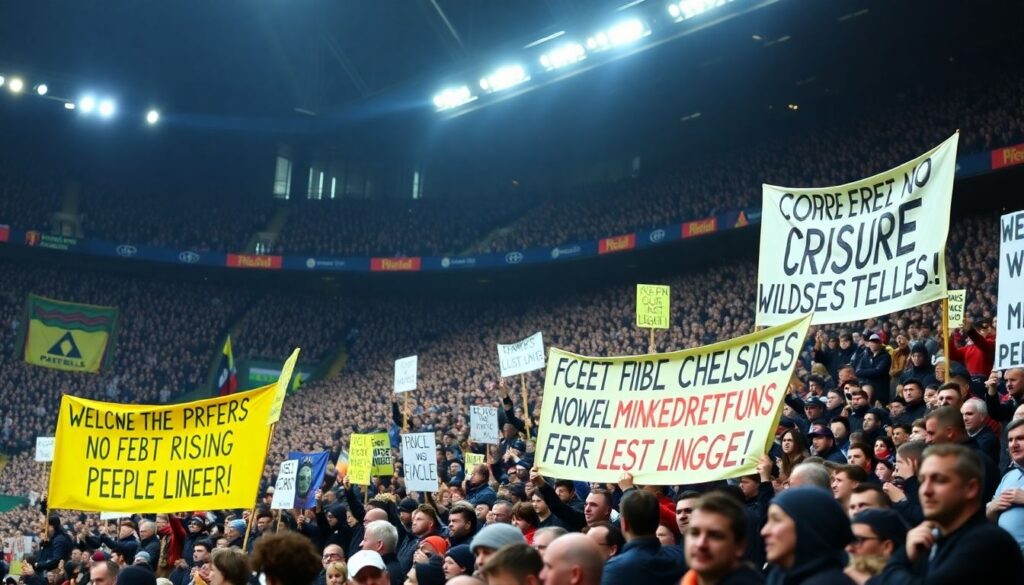
Not necessarily. Moderate rises linked to improved services can be sustainable. Problems arise when pricing excludes traditional fans or when increases serve only to service acquisition‑related debt instead of improving the club.
Is it realistic for fans to own a significant part of a professional club?
Yes, but it requires organisation and patience. Supporters’ trusts can buy shares gradually, negotiate reserved stakes in sales, or lead phoenix clubs that climb the divisions with broad local backing.
Can small investors safely buy into their club alongside a fund?
Only if rights are clearly defined. Before learning cómo comprar acciones de un club de fútbol español in a mixed ownership model, check whether minority shareholders have information rights, voting power and protection against dilutive capital increases.
Do investment funds care at all about sporting results?
Most do, because results influence revenues and resale value. However, when financial engineering dominates the strategy, short‑term deals and asset stripping can take priority over stable sporting success and community trust.