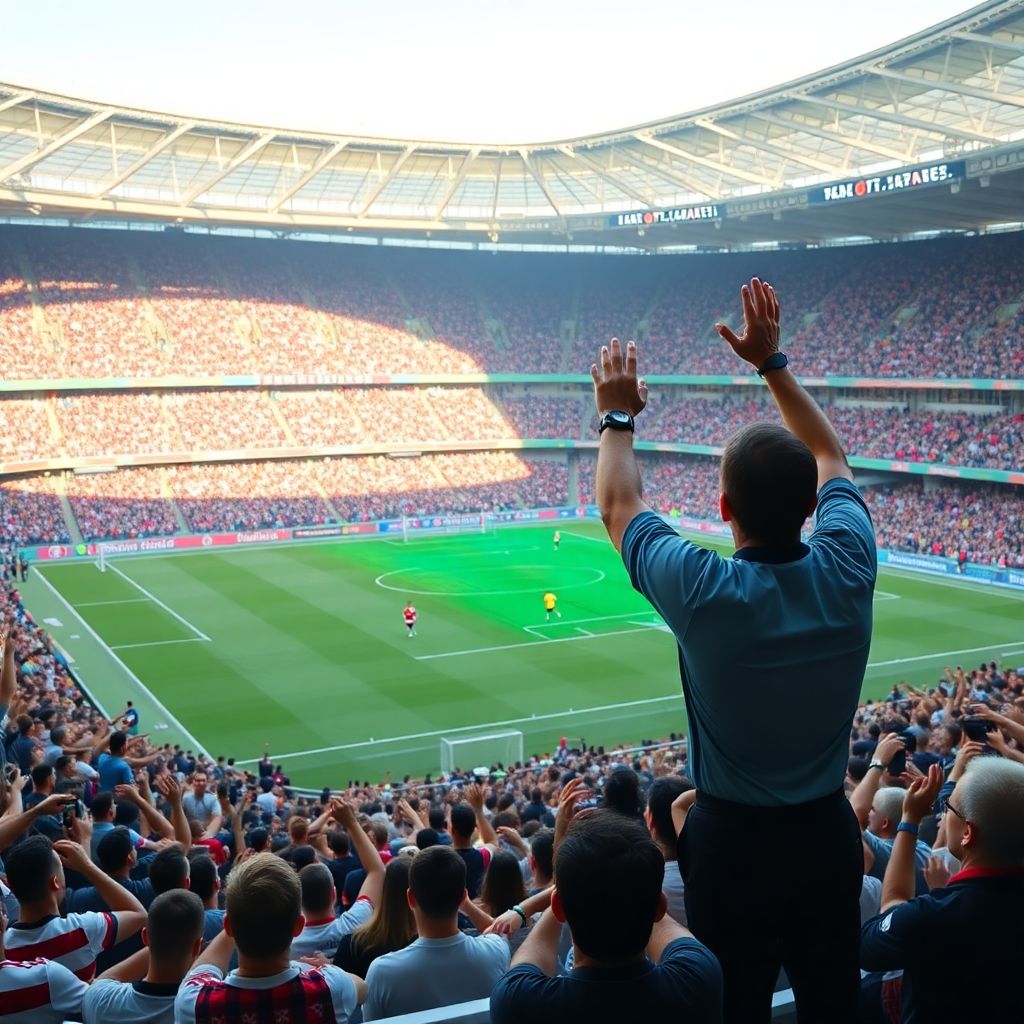
VAR improves refereeing consistency but inevitably cuts into spontaneous emotion, especially in goal celebrations and dramatic finales. The best balance is not binary: leagues can tune protocols, communication, and time limits to protect epic moments while keeping clear errors rare. Your choice should follow your league’s culture, fan profile and commercial model.
Quick verdicts on VAR’s trade-offs
- Full, FIFA-style VAR maximises perceived justice but produces the strongest breaks in flow and epic narrative.
- Light-touch VAR that targets only «clear and obvious» errors keeps more emotion but tolerates some high-profile mistakes.
- Goal-focused VAR (goals, penalties, red cards) protects scoreboard justice while limiting minor interventions.
- Strict review time limits reduce tension and confusion but let a few marginal offsides or fouls go unchecked.
- Transparent audio and graphics help fans accept delays, especially in stadiums with entradas partidos de fútbol con VAR at premium prices.
- Domestic leagues should align VAR intensity with their fan culture; broadcasters and suscripción plataformas streaming fútbol VAR can support deeper explanations for more tolerant, data-savvy audiences.
How VAR has altered refereeing accuracy and match outcomes
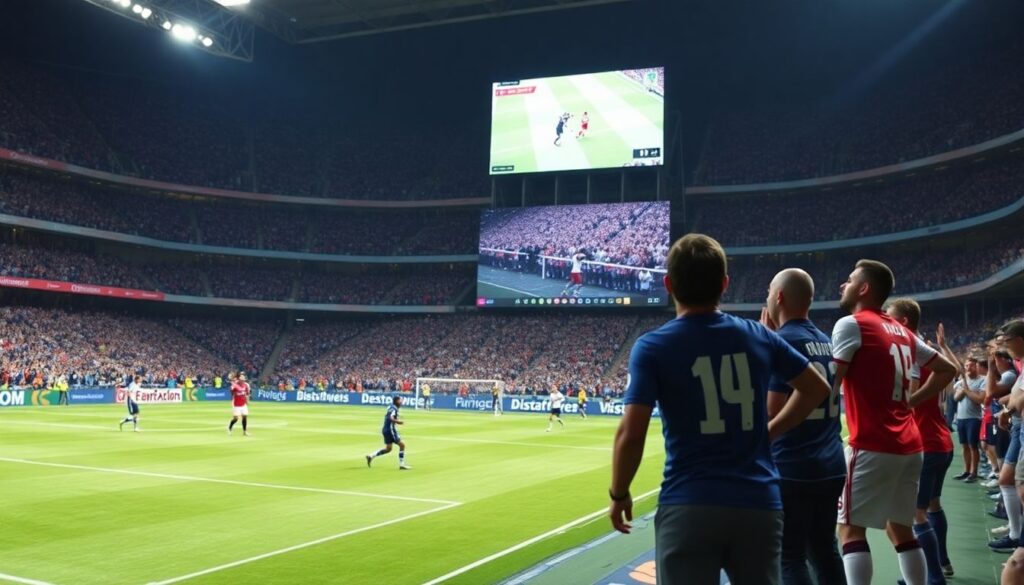
This decision node is about how much you value outcome accuracy compared with live spectacle. VAR clearly reduces some types of blatant errors, but it also introduces new grey zones in interpretation and technology.
- Type of decisions corrected: Offside lines, handballs and penalty awards are more systematically reviewed, especially in top European ligas con VAR where entrantes partidos de fútbol con VAR are marketed on fairness.
- Distribution of errors: Clear mistakes at high stakes tend to drop, but debates shift towards subjective fouls and handball interpretations rather than pure missed incidents.
- Impact on big-club versus small-club bias: Centralised review rooms and multi-angle checks can counter unconscious bias, yet communication style can still fuel narratives of favouritism.
- Consistency across matches: Protocols promise uniform standards, but differences in referee thresholds («clear and obvious») still generate inconsistency people notice across a jornada.
- Game-state effects: Late goals, penalties and red cards now often pass through verification, slightly discouraging reckless defending but also making late drama feel more conditional.
- Perceived legitimacy of results: Fans of the benefiting team accept VAR more easily; neutral and betting audiences in mejores casas de apuestas deportivas fútbol VAR often welcome extra review as risk control.
- Commercial fairness: Clubs, broadcasters and sponsors want outcomes less exposed to scandal; VAR delivers that, at the price of extra complexity in the match product.
Recommendation: If your priority is competition integrity and commercial risk control, keep VAR for match-changing events. If your culture prizes chaos and folklore over forensic justice, restrict VAR to goal-line and off-ball violent conduct only.
Interrupting the moment: VAR’s effect on drama, celebrations and narrative flow
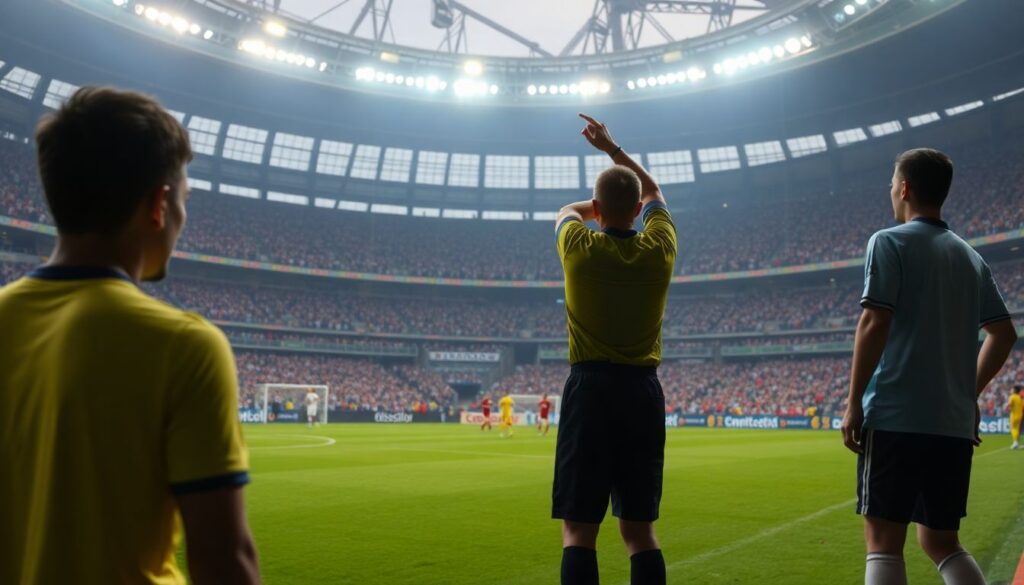
This node concerns how much interruption your competition can tolerate before fans feel the esencia emocional is damaged. Below are institutional options you can choose from, each trading emotion for certainty differently.
| Variant | Best for | Pros | Cons | When to choose |
|---|---|---|---|---|
| Full current VAR protocol | Top-tier European leagues and global tournaments | High error correction; strong message of fairness; aligns with global standards and major broadcasters. | Frequent pauses; long offside checks; diluted goal celebrations and epic turnarounds. | When brand image, sponsorship and international alignment outrank concerns over perfect emotional flow. |
| Light-touch VAR (only clear and obvious) | Leagues with passionate fanbases worried about atmosphere | Fewer interruptions; most shocking mistakes fixed; players regain some spontaneity in celebrations. | Borderline calls left to on-field referee; post-match controversy remains part of the narrative. | When you want emotion first but cannot politically justify scrapping VAR. |
| Goal and red-card only VAR | Competitions protecting scoreboard accuracy above all | Focus on decisive moments; less micro-intervention; simpler for fans to follow. | Missed yellows, build-up fouls and some penalties; still some delays around goals. | When you want a clean scoreline with fewer checks on midfield or minor incidents. |
| Post-match VAR review without in-game changes | Youth, amateur and some cup formats | No in-game disruption; learning tool for referees; keeps raw epic feeling intact. | Result stays even if clearly wrong; fairness limited to disciplinary corrections. | When development and experience matter more than absolute justice of each result. |
| No VAR, only goal-line tech | Leagues deliberately protecting tradition | Pure, uninterrupted celebrations; maximum emotional intensity; simpler narrative. | Public, televised errors can damage credibility; betting and sponsors may complain. | When your brand is built around old-school football and acceptance of human error. |
Recommendation: For LaLiga-style contexts with massive TV audiences dónde ver fútbol en vivo con VAR online, a light-touch or goal-and-red-card-only model often gives a better justice-emotion compromise than strict, full protocol.
Psychological consequences for fans, players and referees
This node asks how much psychological strain you accept on different stakeholders in exchange for fewer wrong goals and red cards.
- If your stadium crowd is highly vocal and values catharsis, then shorten checks and show clear replays on screens so fans understand why they are waiting.
- If players complain about not knowing whether to celebrate, then define «automatic checks» versus «on-field review» clearly and brief captains before the season.
- If referees show stress, hesitation or slower decisions, then invest in mental skills coaching and make it clear that VAR is a safety net, not a performance ranking tool.
- If TV audiences in suscripción plataformas streaming fútbol VAR show drop-offs during reviews, then use commentators and graphics to turn reviews into mini-explainers instead of dead time.
- If fans express nostalgia for «robos» and legendary injustices, then accept that a calibrated level of controversy is part of the entertainment and do not push VAR into marginal interventions.
- If betting partners and mejores casas de apuestas deportivas fútbol VAR report concern about opaque decisions, then prioritise transparency: share the angle used, the lines drawn and the final reasoning quickly.
Recommendation: Tune VAR not only to error rates but to psychological tolerance. An emotionally healthy ecosystem values clarity and predictability more than perfection.
Tactical evolution: coaching and game management in a VAR era
This node frames VAR as a tactical variable. Coaches can either adapt to it or suffer from unchanged habits that no longer fit refereeing reality.
- Map which events in your league are most often reviewed (goals, set-pieces, box duels) and prioritise training for those micro-moments.
- Adjust defensive behaviour in the area: reduce grabbing and late tackles that look worse in slow motion, and coach body positioning instead.
- Redesign attacking patterns so potential scorers stay clearly onside, accepting a slight loss in risk-taking to avoid repeated VAR cancellations.
- Establish a bench protocol: who watches replays, who signals the head coach, and when to pressure for on-field review without losing focus.
- Integrate emotional routines for players: agree how to celebrate goals (short, collective, ready for reversal) to avoid emotional crashes if VAR overturns.
- Use data from previous seasons to brief players on referees’ thresholds so they know which contacts are likely to be upgraded after review.
- Align communication with fans: share clips on social media explaining how you coach for VAR reality, including why camisetas oficiales equipos de fútbol ligas con VAR are seen in specific tactical roles.
Recommendation: Treat VAR as a stable constraint, not an annoyance. Clubs that adapt tactically turn VAR from threat into small competitive edge.
Measuring trade-offs: fairness metrics versus entertainment metrics (table-ready)
This node guides how not to mis-measure VAR’s effect. Many leagues chase the wrong indicators and draw simplistic conclusions about «justice» or «epic moments».
- Relying only on corrected-decision counts and ignoring perceived fairness among fans.
- Comparing raw match duration without isolating pure VAR delay time from other stoppages.
- Using highlight-reel excitement as entertainment proxy, instead of tracking in-stadium noise or viewer engagement during checks.
- Evaluating referees purely on agreement with VAR rather than holistic match control.
- Ignoring commercial impacts such as sponsor satisfaction and churn in broadcasting subscriptions.
- Failing to separate controversial but technically correct decisions from clearly wrong ones when analysing public backlash.
- Not segmenting data by competition level; copying elite protocols into semi-pro contexts where resources and fan profiles differ.
- Overlooking ethical aspects like player trust, referee mental health and youth perception of authority.
- Using one global standard instead of tailoring intensity to domestic culture and rivalry structure.
| Metric type | Example indicators | What it tells you | Risk if used alone |
|---|---|---|---|
| Fairness metrics | Number of corrected key incidents, offside error reduction, symmetric decisions for home/away. | How much VAR reduces obvious injustice in outcomes and decisive actions. | Can show improvement while fans still feel the game has lost soul or spontaneity. |
| Entertainment metrics | Goal celebration duration, stadium noise during checks, social media sentiment about emotion. | How epic, cathartic and story-rich the experience remains with VAR. | May push leagues to ignore necessary corrections to keep drama artificially high. |
| Flow metrics | Average VAR delay, number of checks per match, time between major events. | How smooth the match feels and whether interruptions overload attention. | Could favour shallow, fast decisions over deeper review when truly needed. |
| Trust metrics | Surveys on referee confidence, fan trust in officials, player attitudes to reviews. | Whether stakeholders buy into the legitimacy of the system. | Sentiment can be volatile after scandals; might lead to overreaction in protocol changes. |
| Business metrics | TV ratings during checks, ticket renewal rates, sponsor feedback. | How VAR affects revenue and brand positioning of the competition. | Short-term commercial pressure can block reforms that protect emotional integrity. |
Recommendation: Build a balanced dashboard combining fairness, entertainment, flow, trust and business metrics. Then decide openly where you are willing to sacrifice a little epic feeling for justice, and where you protect emotion even at the cost of a few errors.
Regulatory paths: transparency, time limits and preserving emotional integrity
- If you want maximum justice and accept emotional cooling, choose full protocol with strict communication standards and time limits.
- If you want a balanced mix of justice and epic celebrations, choose light-touch VAR focused on goals, penalties and reds, plus strong transparency.
- If you want raw, vintage football and accept high controversy, keep only goal-line tech and use VAR post-match for discipline and education.
Best for top professional tiers with heavy media attention: calibrated light-touch VAR with time caps and open explanations. Best for grassroots, youth and romance-first competitions: minimal in-game VAR, robust education and acceptance that the football we love always includes some human error.
Practical questions coaches, federations and broadcasters raise
Is VAR worth it if our league has limited cameras and budgets?
With few cameras, VAR can create more suspicion than clarity. Prioritise goal-line tech and post-match review until you can guarantee enough angles to avoid obvious blind spots.
How long should a VAR check take before it damages emotion?
Every extra second amplifies tension, but anxiety turns into frustration beyond short delays. Set a firm soft cap and require clear escalation rules for exceptionally complex incidents.
Should we show VAR replays and audio in the stadium?
Visible replays and short explanations usually increase acceptance, even if some decisions remain unpopular. Hiding the process tends to fuel conspiracy theories and reduce trust.
How can coaches prepare players emotionally for overturned goals?
Train «controlled celebration» habits and rehearse VAR reversals in practice games. Emphasise quick emotional reset and next-action focus so players do not mentally stay stuck on the annulled moment.
Does VAR change how we evaluate referees over a season?
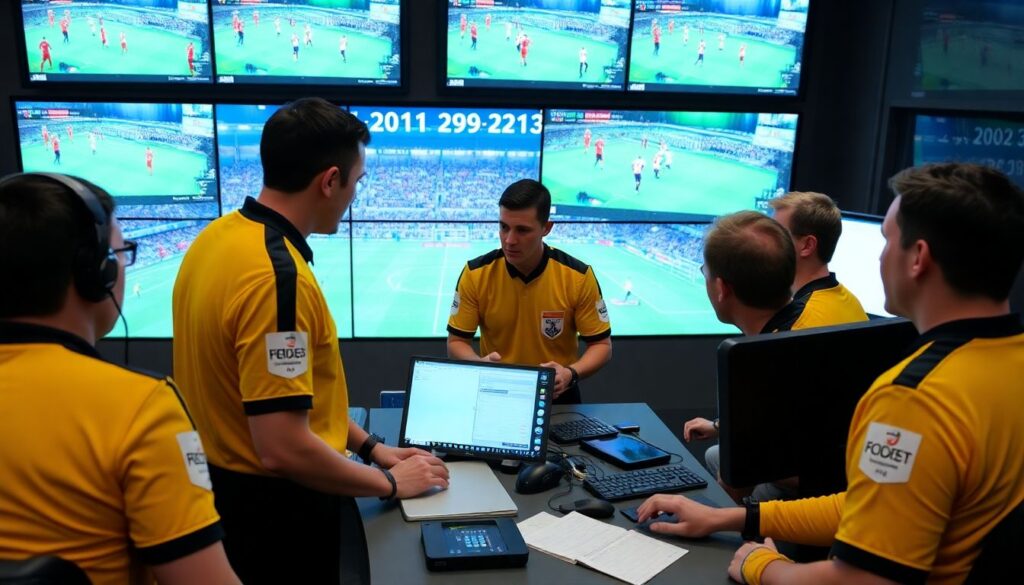
Yes. Evaluations should focus on positioning, communication and decision quality before VAR, plus how efficiently referees cooperate with the review team, not just on agreement with final outcomes.
How should broadcasters use VAR moments in their storytelling?
Turn reviews into structured micro-stories: set the question, show the key angle, explain the law and close with a clear summary. This preserves drama while educating viewers about the process.
Can we have different VAR intensities in the same federation?
You can, as long as communication is crystal clear. Explain to fans, clubs and betting partners which divisions have full VAR, light VAR or none, and why that design matches their specific context.