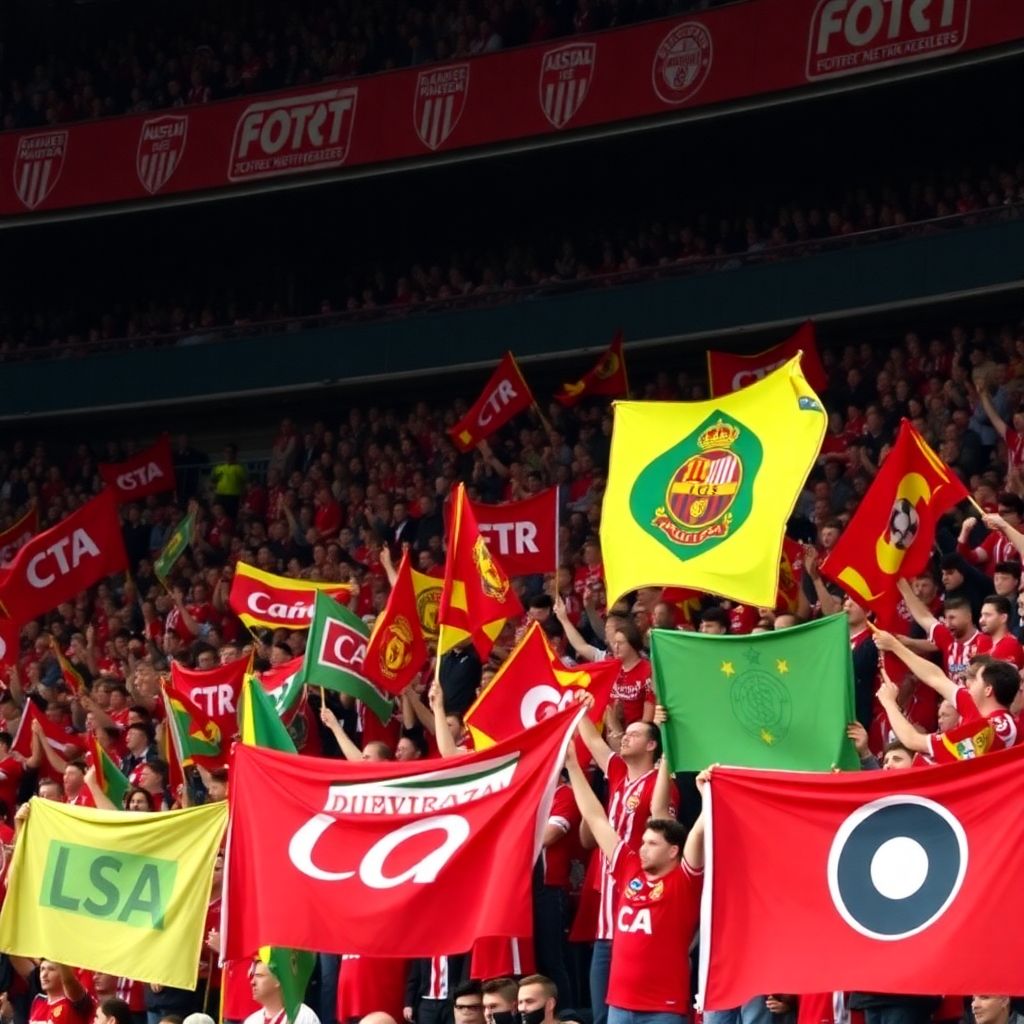
Ultras are highly committed football supporters who use songs, banners, rituals and collective discipline to turn matches into intense identity performances. They help define what it means to be a fan for the wider crowd, but their role is ambivalent: they can create solidarity, yet also reproduce conflict and exclusion.
Core Assertions on Ultras and Identity
- Ultra groups are organised communities, not just noisy sections; they socialise new fans into specific values, styles and loyalties.
- Identity is built through practice: weekly routines, chants, symbols, away trips and online interaction.
- Media often reduce ultras to violence, ignoring everyday care work, creativity and mutual support.
- Political meanings are not fixed; the same curva can host nationalist, anti‑racist or apolitical factions.
- The economy around tickets, travel, camisetas ultras fútbol comprar and merchandising shapes who can access ultra life.
- For fans with limited resources, lightweight forms of participation allow strong identification without full ultra commitment.
Common Myths About Ultras and Why They Persist
Ultraaficiones are often defined from outside by stereotypes instead of by their own internal rules and meanings. To understand their role in contemporary football culture in Spain, it helps to separate popular myths from a more precise definition of what ultras are and what they are not.
Ultras are organised groups of supporters who aim to influence the atmosphere, aesthetic and sometimes the decisions around their club. They do this through permanent presence in the stadium, collective choreography, recognised leadership and a strong subcultural code that distinguishes them from casual fans and traditional «peñas».
Three persistent myths blur that definition. First, the idea that «ultra = hooligan»: while some groups embrace confrontation, many prioritise spectacle, creativity and territorial defence over constant violence. Second, the myth that ultras are always far‑right or far‑left; in reality, political orientations vary by club, region and historical moment. Third, the belief that ultra identity is only about big spending on viajes organizados para hinchas de fútbol, pyrotechnics or merchandising; in practice, low‑budget commitment (local away days, home‑made banners, digital support) can be equally central.
These myths persist because they simplify complex realities for media narratives, club communication and police reports. They also serve interests: clubs can blame «the ultras» for broader structural problems, and media can sell drama via headlines about entradas partidos fútbol hinchadas ultras instead of analysing how football economics and governance shape fan behaviour.
Historical Roots and Evolution of Ultra Movements
Ultra movements did not appear out of nowhere; they are the product of broader transformations in football, youth culture and politics. Understanding the mechanics of their evolution clarifies why identity and belonging are so central today.
- From informal terraces to organised groups. In many European countries, including Spain, the shift from standing terraces to more regulated stadiums pushed the most active fans to cluster and formalise into groups with names, banners and membership. This institutionalisation created clearer boundaries between ultras, casual fans and families.
- Influence of Italian and South American models. European «ultra» styles were inspired by Italian curves (choreographies, two‑pole banners, constant singing), while barras bravas from Latin America influenced drum use, song structures and the idea of defending a territory or barrio through the club.
- Football commercialisation. As ticket prices, merchandising oficial hincha fútbol online and TV deals expanded, ultras positioned themselves as guardians of «authentic» football. They used noise and visual presence to claim moral authority over corporate interests, arguing that the game belongs to people in the stands, not only to sponsors.
- Policing and regulation. New security regimes, identification systems and stadium bans both weakened and hardened ultras. Some groups disappeared or fragmented; others professionalised their internal organisation, legal defence and communication to survive under pressure.
- Digital turn and social media. Ultras now construct identity partly online: groups curate Instagram feeds, Telegram channels and YouTube edits, while fans discover libros y documentales sobre cultura ultra y barras bravas that travel across borders. Digital visibility intensifies rivalry but also fosters exchange of chants, tifo ideas and political messages.
- Differentiation inside the stand. Over time, many groups have split into sub‑factions (more political vs. more «apolitical», more violent vs. more artistic). This internal differentiation shows that «ultras» are not a single actor but a field of actors competing to define what authentic support means.
Rituals, Symbols and the Construction of Collective Self
Identity in ultra culture is not an abstract feeling; it is built through repeated rituals and visible symbols. These practices turn an individual fan into part of a collective «we» that acts, sings and remembers together.
- Matchday choreography and sound. Chants, drums, megaphones and carefully timed clapping structure the emotional tempo of the game. The collective body becomes a single voice that can boost the team or protest the board. Even fans with cheap entradas partidos fútbol hinchadas ultras in upper tiers are often pulled into this sonic field.
- Visual identity: colours, banners, clothing. Scarves, flags, patches and custom garments signal belonging. A fan might search camisetas ultras fútbol comprar online or customise a plain shirt with group symbols. These items work like moving banners, marking territory in the city and on away trips.
- Stories, songs and memory. Chants and mosaics recall past players, historic matches, deceased members or political struggles in the club’s environment. This shared memory produces continuity: new members inherit narratives that tell them who «we» are and who «the others» are.
- Spatial practices. The curva or fondo is not just a seating area; it is a semi‑sacred space with its own rules, hierarchies and forbidden behaviours (for example, not sitting during the game, not filming choreography rehearsals). Outside the stadium, bar routes, graffiti spots and meeting squares extend this spatial identity.
- Digital rituals. Posting tifo photos, uploading drum‑cam videos or debating line‑ups in chats are now part of the ritual cycle. Fans who cannot afford constant viajes organizados para hinchas de fútbol can sustain identity digitally: editing tifos, running fan pages, subtitling documentaries, or designing stickers for printing.
- Material creativity under constraints. Not everyone can buy the latest merchandising oficial hincha fútbol online. Many groups normalise low‑cost alternatives: shared paint, recycled cloth for banners, collective funds for away flags, and second‑hand gear passed down to younger members.
Political Stakes: Alignment, Contestation and Mobilization
Ultra identity always has political implications, even when groups claim to be neutral. The stadium offers visibility, numbers and emotional intensity that can be mobilised for different causes, but not without tensions and limits.
Potential Strengths of Ultra Political Engagement
- Capacity to mobilise quickly. Ultras can call hundreds of people for protests at training grounds, club headquarters or city halls, especially when ticket prices or stadium moves threaten their place in the game.
- Symbolic visibility. Banners, coordinated silence, walk‑outs or choreographies give political messages visual impact in televised matches, forcing clubs, leagues and sometimes local authorities to respond.
- Mutual aid and solidarity. Some groups extend solidarity beyond football: donating tifo materials to schools, organising charity matches, or supporting fans banned from stadiums through legal funds and social support.
- Defense of fan culture. Campaigns against Monday games, abusive pricing of entradas partidos fútbol hinchadas ultras, or restrictive away allocations frame fans as citizens with rights, not passive consumers.
Structural Limits and Risks of Ultra Political Action
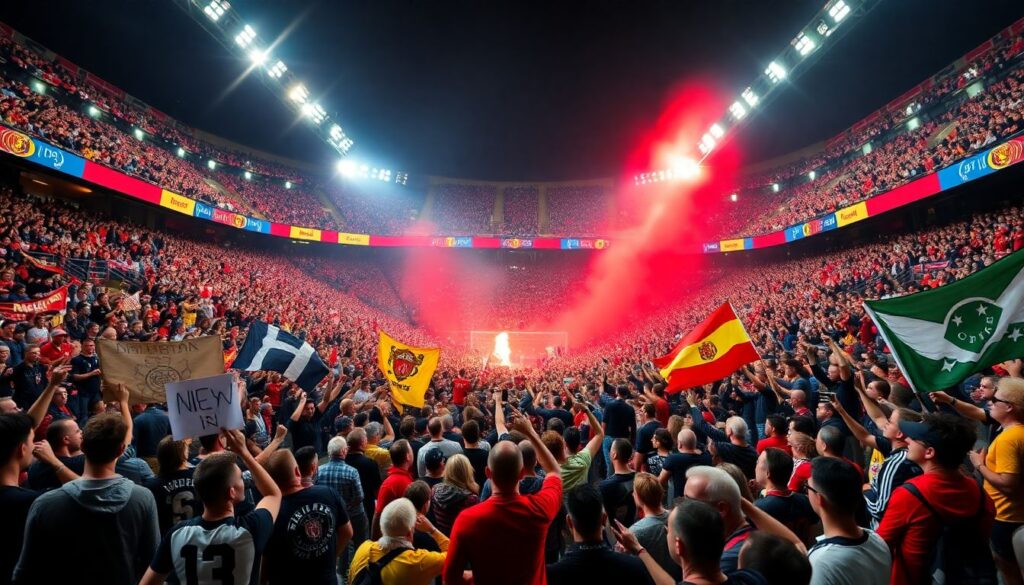
- Internal divisions. Ideological splits (left/right, anti‑racist vs. nationalist, local vs. global) can paralyse collective action or lead to rival groups claiming to represent «the real» fan base.
- Dependence on club structures. Many ultras rely on club access (season tickets, storage space, privileges for tifo) that can be revoked. This dependence constrains how far they can confront management or sponsors.
- Criminalisation and stigma. Police and media can frame almost any collective action as a public‑order risk, especially when banners touch on contested political issues. This discourages wider fan participation.
- Exclusionary tendencies. Hyper‑masculine codes, localism or xenophobic attitudes can limit women’s participation, LGBTQ+ visibility and migrant inclusion, weakening claims to represent the «people of the club».
- Resource inequality. Fans with fewer financial means may not join constant viajes organizados para hinchas de fútbol or expensive tifos. If groups do not actively counter this, ultra spaces can reproduce class exclusion.
Mediated Images: Journalism, Social Media and Moral Panics
The public image of ultras is heavily mediated. News outlets, clubs and even some fan influencers build simplified stories that travel faster than nuanced analysis. Recognising typical distortions helps read headlines critically.
- Violence as the only newsworthy angle. Incidents around barras bravas or clashes between rival groups receive disproportionate coverage. Everyday practices of care, artistic work on tifos or internal debates rarely appear in mainstream reports or in most libros y documentales sobre cultura ultra y barras bravas aimed at mass audiences.
- Consumers vs. citizens framing. Clubs and leagues often present fans as consumers of entertainment. Campaigns then invite them to merchandising oficial hincha fútbol online or VIP experiences, while protests over kick‑off times, ticket pricing or policing are portrayed as irrational or «extremist».
- Algorithmic amplification of conflict. On social media, shocking images (flares, fights, racist banners) spread faster than nuanced conversations. Ultras who want visibility may feel pressured to perform more extreme gestures, reinforcing stereotypes and feeding moral panics.
- Erasure of local context. Reports on Spanish ultraaficiones sometimes copy narratives from other countries, ignoring local club histories, regional politics and specific relationships between ultras, peñas and institutions.
- Commercial co‑optation of aesthetics. Brands adopt ultra aesthetics for campaigns: «authentic» fonts, graffiti style, choreo imagery. The result is a paradox where the same club that restricts banners in the curva sells streetwear in its store aimed at fans searching camisetas ultras fútbol comprar or limited‑edition collabs.
- Flattening diverse fan roles. Media rarely show quieter but crucial roles: the person coordinating travel spreadsheets, the designer improving flags on a small budget, or the translator subtitling foreign documentaries for local fans.
Everyday Practices: Networks, Economy and Identity Maintenance
Ultra identity is reproduced not only on big matchdays but also through small, repetitive tasks and economic decisions. These practices show how fans with different resources participate and negotiate belonging.
| Aspect | Ultra supporter | Non‑ultra committed fan | Occasional spectator |
|---|---|---|---|
| Match attendance | Home + as many away games as possible, often via group buses | Mainly home games, some key away matches when affordable | Irregular, based on big events or free time |
| Economic logic | Collective funds, cheap group tickets, shared travel and banners | Personal budget, selective purchases of scarves or shirts | Individual purchases, focus on experience over routine |
| Identity markers | Group symbols, choreos, vocal participation, specific seating area | Club colours, some chants, adherence to basic fan norms | Club colours sometimes, mainly passive support |
Consider a mid‑income fan in Spain who wants more intense involvement but cannot commit to full ultra life. They might combine three strategies: affordable presence, creative labour, and knowledge work.
Affordable presence. Instead of all away trips, they join 2-3 key viajes organizados para hinchas de fútbol per season, favouring shorter distances. For regular home matches, they stay in the same stand as the group, following chants and visual codes without paying for full membership if that is too costly.
Creative labour. Rather than buying every new item of merchandising oficial hincha fútbol online, they invest in basics: one scarf, a neutral jacket, maybe a simple shirt bought after searching camisetas ultras fútbol comprar on a budget site. They put energy into making banners with cheap fabric and shared paint, offering design help to the group.
Knowledge and culture. At home, they watch and share libros y documentales sobre cultura ultra y barras bravas, learning songs, histories and political debates. They help maintain the group’s online archive of tifos and away videos, making the group’s identity accessible to younger or distant fans.
These practices show that ultra identity is a gradient, not a strict on/off switch. Fans with limited money or time still play meaningful roles: as cultural archivists, digital amplifiers, local organisers or creative contributors. The ultra community remains diverse and flexible, even when public discourse tries to fix it into one uniform image.
Practical Clarifications and Short Answers
Are all ultra groups violent by definition?
No. Some groups engage in or tolerate violence, others explicitly reject it and focus on atmosphere and political messages. Violence is a risk in highly charged environments, but it is not a universal or defining feature of ultra identity.
What is the difference between ultras and barras bravas?
Both are intense supporter cultures, but ultras are usually linked to European traditions, while barras bravas come from Latin American contexts. Organisational styles, relationships with clubs and local political histories differ, even if some practices (drums, flags, chants) look similar.
Can I participate in ultra culture with a small budget?
Yes. Focus on consistent attendance when possible, learning songs, helping with banners or digital tasks, and sharing travel costs. You do not need to buy all merchandising oficial hincha fútbol online; creative, low‑cost contributions are often valued inside groups.
Do I have to travel to every away game to be considered «ultra»?
No. Regular away travel is common, especially through viajes organizados para hinchas de fútbol, but many groups recognise constraints of work, family and money. Commitment is measured across time and practices, not only by the number of away tickets you use.
How can I learn more about ultra culture in a responsible way?
Look for well‑researched libros y documentales sobre cultura ultra y barras bravas, and combine them with conversations with local fans from different sectors, not only the loudest groups. Pay attention to who is speaking and whose experiences remain invisible.
Why do clubs sometimes clash with their own ultras?
Conflicts usually arise around ticket prices, stadium policies, political messages or the club’s corporate image. Ultras see themselves as guardians of tradition, while clubs must manage sponsors, regulations and security concerns. Negotiation is constant and not always transparent.
Is buying «ultra‑style» clothing enough to be part of the group?
No. Clothes or scarves can signal sympathy, but identity is built through long‑term participation, shared rituals and trust. Before searching camisetas ultras fútbol comprar, it is more important to understand local codes and show respect for existing members and histories.