Categoría: Impacto Sociocultural
-
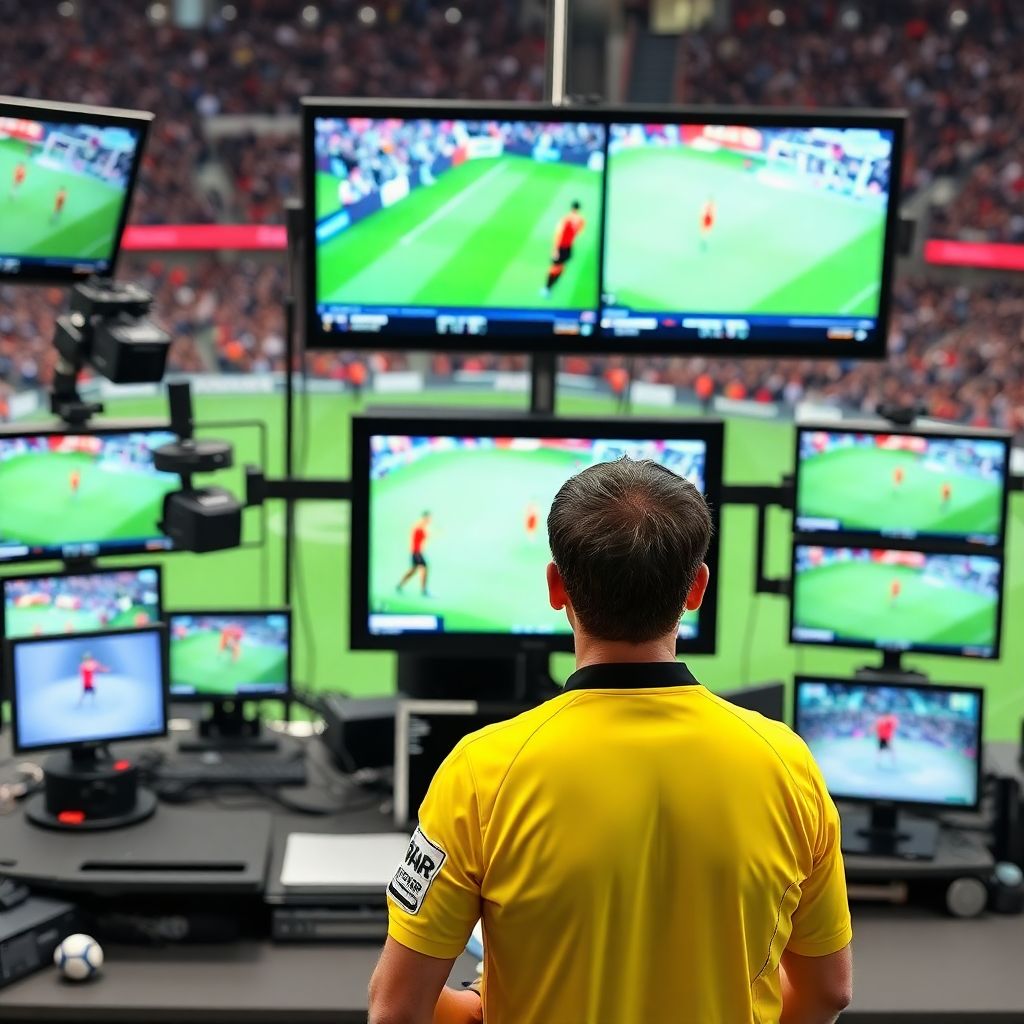
Var logic in modern football: technological justice or illusion of objectivity
VAR is a support system, not a truth machine: multiple cameras, replay operators and a video team help the referee re‑check specific «clear and obvious» errors. It reduces certain injustices but cannot eliminate subjectivity, especially with offsides, handballs and fouls where interpretation and technical limits still shape the final decision. Core premises of VAR decision-making…
-
Is the beautiful game still possible in an era ruled by marketing and global brands
Yes, «jogo bonito» is still possible in a football world shaped by global brands and aggressive marketing, but it survives only where sporting decisions have clear protection from commercial pressures. The safest path is to define non‑negotiable style principles, ring‑fence them in governance, and align marketing with them instead of the opposite. Debunking Myths About…
-
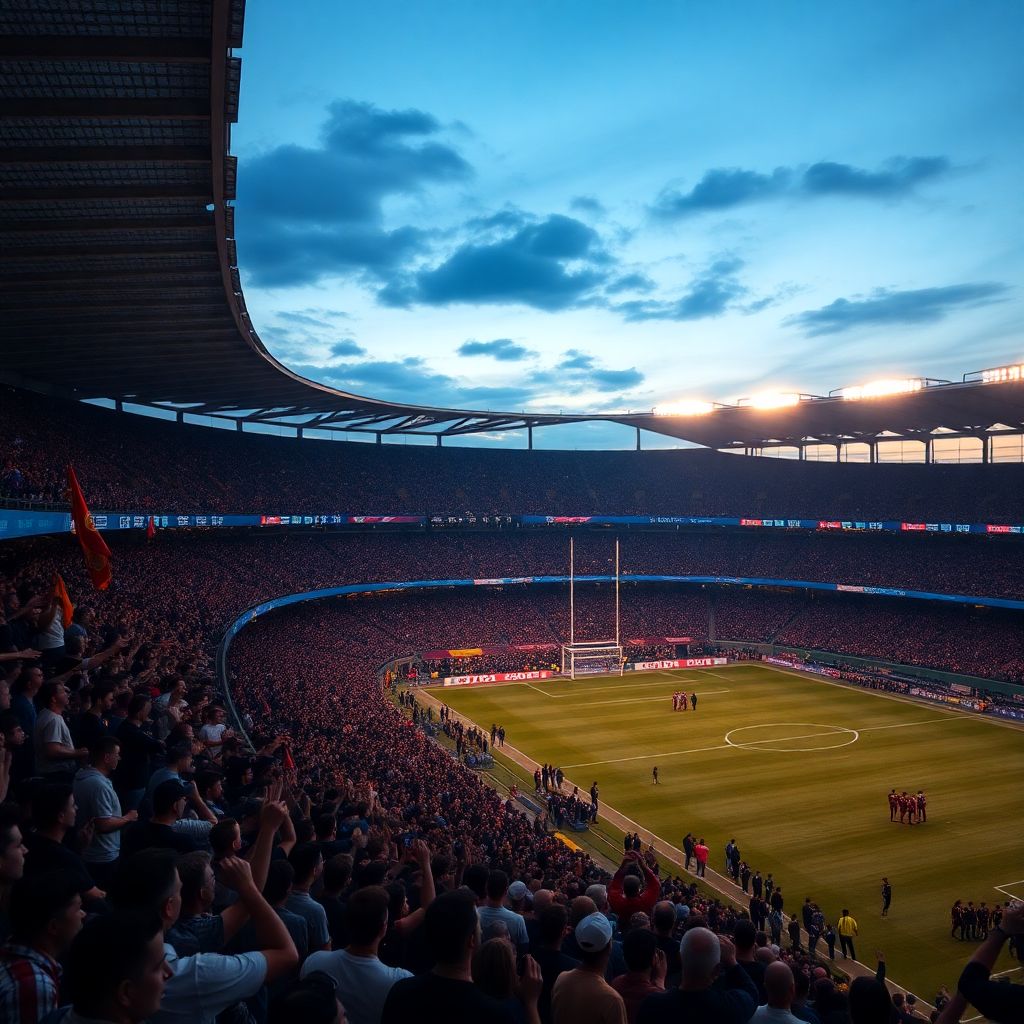
Football as a secular religion: rituals, myths and symbols in the stands
Football as a secular religion means that, for many supporters, the stadium and its routines work like a non‑theistic church: myths about clubs and heroes, repeated match‑day rituals, sacred symbols and songs create belonging, moral order and meaning, even if no official doctrine or supernatural belief is involved. Core Observations on Football’s Sacred Dynamics Myths…
-
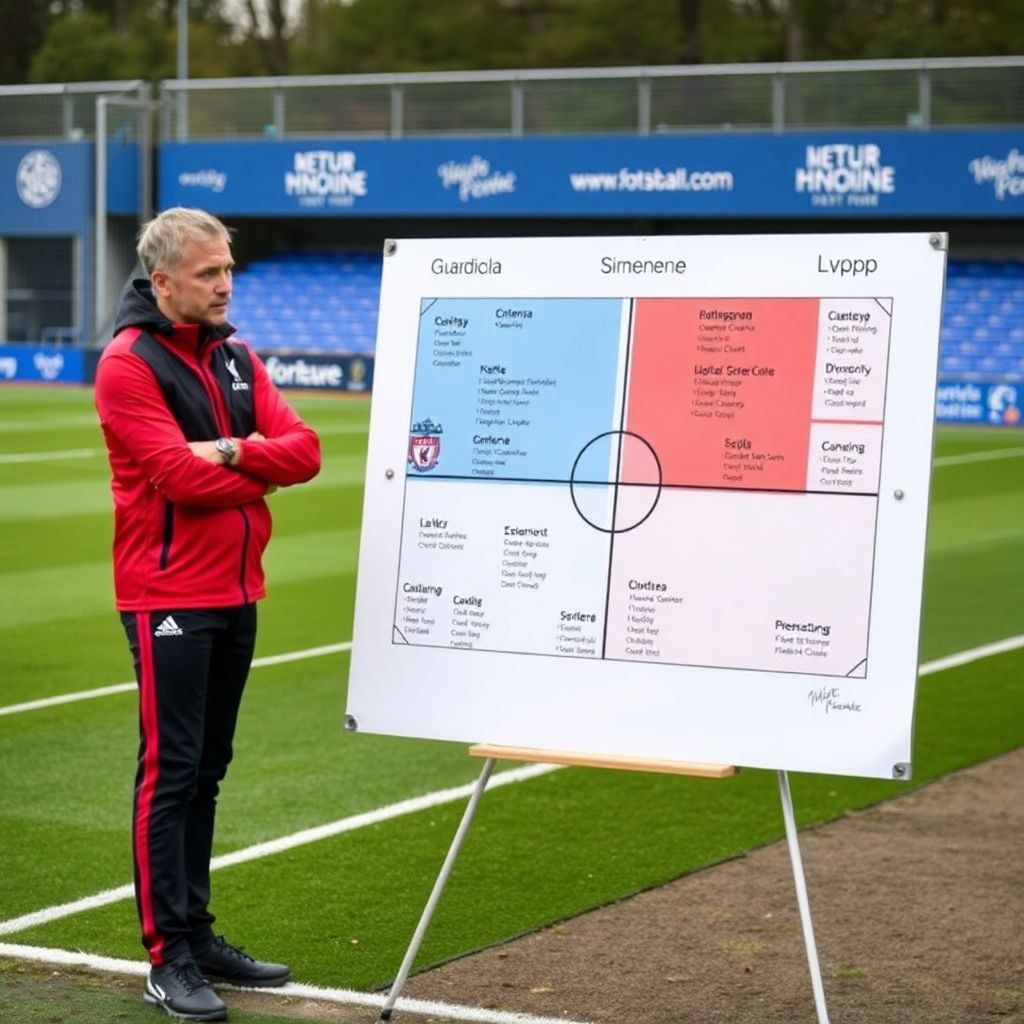
Guardiola, simeone, klopp: can a coach be a practical philosopher of football?
A coach can be a practical football philosopher when ideas are turned into repeatable match behaviours, not slogans. Guardiola, Simeone and Klopp show three usable models: possession, defensive identity and pressing-emotion. Each offers clear training routes but also risks of rigidity, player mismatch and unrealistic copying in lower competitive contexts. Debunking Myths That Oversimplify Coaching…
-

The dark side of modern football: betting, match-fixing and ethical fragility
Corruption in modern football usually appears first as subtle anomalies: strange odds movements, inexplicable tactical decisions, or recurring referee errors around betting markets. To fix the problem in practice, you must link on‑pitch symptoms to betting data, map money flows, preserve evidence, and escalate quickly to integrity officers and regulators. Warning Signs: How Corruption Manifests…
-
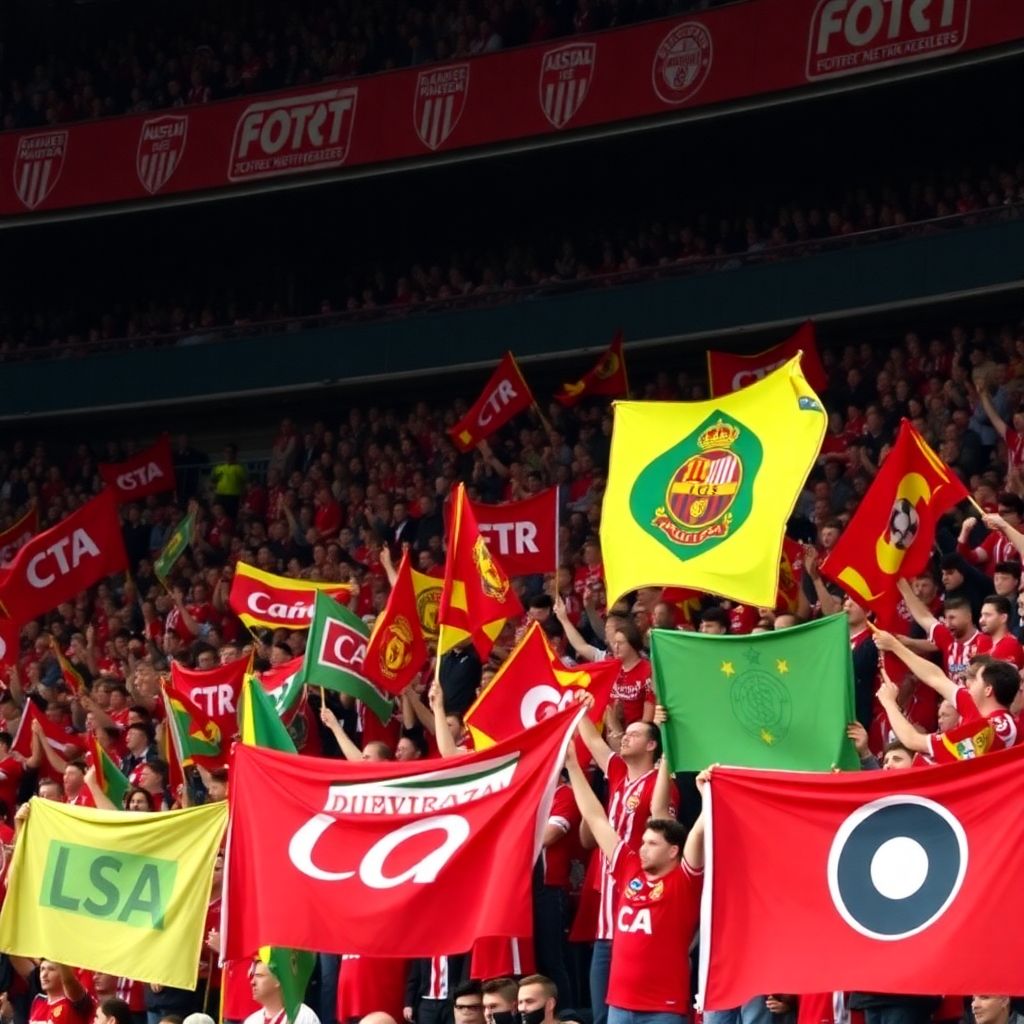
Ultraaficiones and identity construction: the role of fans in contemporary culture
Ultras are highly committed football supporters who use songs, banners, rituals and collective discipline to turn matches into intense identity performances. They help define what it means to be a fan for the wider crowd, but their role is ambivalent: they can create solidarity, yet also reproduce conflict and exclusion. Core Assertions on Ultras and…
-
When football stopped being a game and became a product: the rise of commodification
Football became a market product when money from tickets, media and sponsors started to dictate decisions more than sporting criteria. The shift was gradual: from early paid spectators, to professional leagues, to global TV rights, branding and financial regulation that treat clubs less as communities and more as entertainment assets. Concise historical turning points in…
-

Critical football fan: loving the game while questioning the football industry
A critical fan loves football but refuses to consume it on autopilot. You enjoy the game, support teams and players, yet constantly question power, money and labour conditions behind it. You adjust your viewing, spending and voice so your passion does not blindly legitimise the most harmful parts of the football industry. Core arguments a…
-
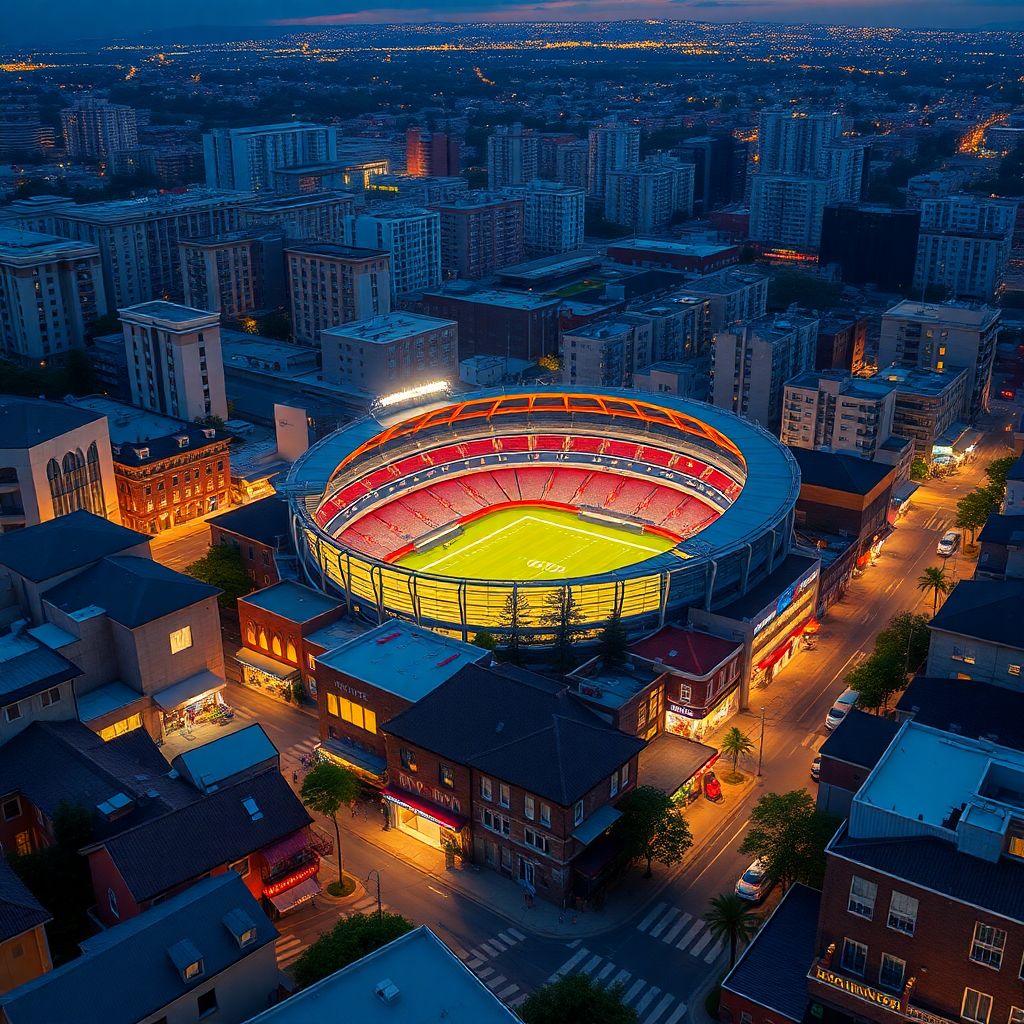
How football reshapes urban neighborhoods: gentrification, tourism and memory
Football reshapes neighbourhoods through stadium-led investment, matchday spending and powerful symbols of identity. It can boost local businesses and infrastructure, but also drive displacement and speculative real‑estate. This guide shows planners, researchers and community groups how to analyse tourism, gentrification and memory around clubs and stadiums, and design fairer, safer interventions. Quick strategic overview before…
-
World cups and geopolitics: when football becomes a tool of diplomatic power
World Cups are geopolitical stages where governments try to project power, legitimacy and soft influence, but the ball never works as a magic diplomatic weapon. Tournaments can open doors, reframe narratives and support negotiations, yet their impact depends on prior politics, consistent follow‑up and how domestic and international audiences interpret each event. Strategic synopsis: the…