
Football reflects how we organise power, belonging and conflict, but never in a simple one-to-one way. It can reveal shared values around fairness, identity, gender or migration, while also hiding inequalities behind spectacle. Used carefully, it becomes a safe entry point to debate social issues; used naively, it produces clichés and stereotypes.
Core insights linking football and social values
- Football is not separate from society; it condenses wider conflicts, dreams and hierarchies into 90 minutes.
- Club identities work like social micro-nations, shaping how people understand class, place and history.
- Governance battles in football mirror political struggles over transparency, participation and corruption.
- Media and commercialisation amplify some values (success, consumption) while muting others (solidarity, local roots).
- Inequalities related to gender, race and class are reproduced, but can also be challenged, through football cultures.
- For educators and activists, football offers a practical toolkit to discuss complex topics safely, if limits are recognised.
Historical trajectories: football as a barometer of social change
In sociología del fútbol y la sociedad, football is understood as a barometer rather than a perfect mirror of social change. It registers shifts in political regimes, class structures and cultural norms, but it distorts and simplifies them through the logic of competition, fandom and entertainment.
Historically, football expanded alongside industrialisation and urbanisation, offering workers regulated leisure and new forms of collective identity. Stadiums became spaces where class tensions, regional rivalries and nationalist narratives could be expressed with relative safety. Over time, television, global markets and digital media reconfigured the game into a transnational industry, but local meanings did not disappear; they layered on top of each other.
This is why values of fútbol in the educación y la sociedad cannot be read only from slogans on shirts or campaign hashtags. To understand what a league or club really signals about a society, you need to trace longer trajectories: how fan cultures evolve, how institutions respond to crises, and which groups gain or lose voice over decades.
For an intermediate reader, safe first steps include: comparing different historical moments of the same club; contrasting official narratives with fan memories; and using introductory libros sobre sociología del deporte y fútbol to situate current debates in a wider timeline instead of treating them as isolated scandals.
Identity, belonging and rivalry: clubs as social institutions
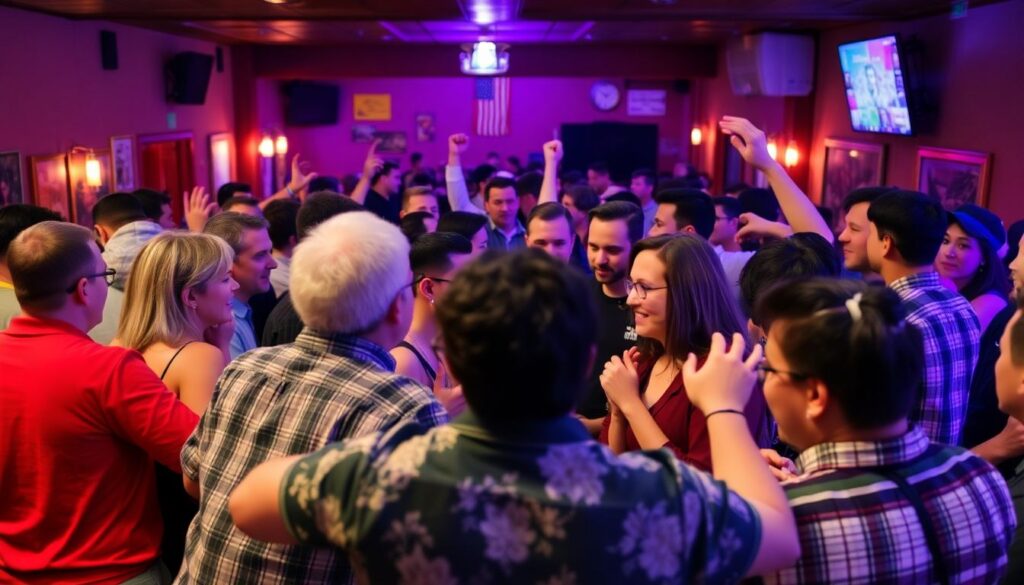
Clubs function as social institutions that organise emotions, loyalties and everyday practices. They provide a structure where individuals learn how to be part of a group, how to recognise legitimate opponents and how to narrate victory and defeat. This is one of the most powerful mechanisms linking football and social values.
- Territorial anchoring. Clubs attach identity to specific neighbourhoods, cities or regions. Scarves, chants and flags encode local histories, migration patterns and class memories.
- Symbolic boundaries. Rivalries define who is inside and outside the group. These boundaries can be playful (banter) or hostile (violence, discrimination), teaching unwritten rules about acceptable conflict.
- Ritualised routines. Match days, pre-game bars and fan marches structure time and social interaction, similar to religious or civic rituals. People rehearse solidarity, care and sometimes aggression in predictable formats.
- Narratives of origin and destiny. Clubs tell stories about humble beginnings, heroic resistance or glorious modernity. Fans internalise these scripts as part of their own life stories.
- Socialisation into norms. Through chants, peer pressure and club campaigns, newcomers quickly learn what is admired (loyalty, passion) and what is punished (switching teams, perceived betrayal).
- Spaces of cross-class mixing. In some settings, terraces remain one of the few spaces where different social groups mix, even if inequalities persist in ticket prices and hospitality areas.
Understanding these mechanisms helps teachers and community workers design safe activities using football symbols to explore identity. For example, students can map their club loyalties and discuss how these relate to place, language or family history, before moving to more sensitive issues like xenophobia or sexism.
Power structures on and off the pitch: politics, governance and influence
Power in football operates through multiple, overlapping structures that resemble wider political and economic systems. Examining where and how decisions are made offers a concrete way to study institutions, legitimacy and resistance without immediately entering partisan debates.
- National and international federations. These bodies regulate competitions, eligibility and sanctions. Their struggles over reform, transparency or global calendars mirror debates about democracy and representation in other sectors.
- Club ownership and boards. Different models (member-owned, state-backed, private equity) show competing visions of who should benefit from the game. Conflicts around takeovers or Super League projects reveal tensions between fans as citizens and fans as consumers.
- Player unions and labour relations. Negotiations over contracts, working conditions and image rights echo broader labour disputes. Lockouts or strikes can be used to discuss collective bargaining in an accessible way.
- Local and national governments. Public money for stadiums, security or youth academies links football to urban planning and welfare policies. Political actors also use football success to boost legitimacy or distract from crises.
- Informal power of fan groups. Ultras, peñas and supporters’ trusts can influence club decisions through protests, boycotts or coordinated campaigns, raising questions about social movements and grassroots democracy.
- Regulatory and judicial arenas. Courts and competition authorities intervene in issues like broadcasting rights, transfer rules or racism sanctions, illustrating how law interacts with powerful industries.
Typical scenarios where this perspective is applied include: analysing a major corruption scandal to explain how opaque networks function; using a stadium relocation dispute to explore who has a right to the city; or studying player activism on social causes to understand the risks and opportunities of celebrity politics.
Commercial forces and media: how market dynamics reshape norms
Media and commercial logics magnify some aspects of football while minimising others. This can create new opportunities for inclusion and education, but also push values towards consumerism and superficial branding. To navigate these tensions, it helps to separate potential benefits from structural limitations.
Potential benefits of commercial and media expansion
- More visibility for women’s football and under-represented leagues through streaming platforms and targeted marketing.
- Resources for social campaigns that use star power to promote anti-racism, anti-homophobia and mental health awareness.
- Educational content such as documentales sobre fútbol y sociedad that reach large audiences and normalise discussions of history, migration or inequality.
- Innovative fan engagement tools that allow safer, more moderated spaces for interaction compared to traditional terraces.
- Data and analytics that make it easier to audit representation, pay gaps or discriminatory incidents over time.
Structural limits and risks of market dominance
- Preference for commercially attractive stories over complex realities, turning social struggles into marketing moments.
- Concentration of wealth in a few clubs and leagues, reinforcing global inequalities and weakening local grassroots football.
- Pressure on players and coaches to stay apolitical to protect sponsors, even when their communities face discrimination.
- Substitution of long-term community work with short-term CSR campaigns that look good on camera but lack depth.
- Algorithmic amplification of polarising content on social media, increasing online abuse and normalising hostile rivalries.
For practitioners, a safe approach is to treat sponsorships and media partnerships as tools, not solutions. Before engaging, define non-negotiable principles (for example, fan inclusion or independence of educational content) and build evaluation criteria that go beyond reach or brand visibility.
Access and inequality: gender, race and socioeconomic barriers in football
Inequalities in football often reproduce wider patterns of exclusion, but they also generate myths that can block change. Identifying these myths is a crucial first step for anyone designing policy, teaching materials or cursos online de sociología del fútbol aimed at broader audiences.
- «Football is already meritocratic.» Talent matters, but access to quality pitches, coaching and time off work is uneven. Assuming pure meritocracy hides structural disadvantages faced by girls, migrants or low-income families.
- «Discrimination is just a fan problem.» Racist chants or sexist insults in stadiums are visible, but institutional decisions about hiring, media coverage or resource allocation can be equally discriminatory while looking neutral.
- «Women’s football will naturally catch up.» Growth is not automatic; it depends on deliberate investment, scheduling decisions and media commitment. Waiting passively often means reproducing marginalisation.
- «Grassroots equals inclusive by default.» Local clubs can be welcoming, but they may also exclude newcomers through informal networks, excessive fees or rigid gender norms.
- «Role models are enough.» Celebrating a few successful players from minority backgrounds is valuable but insufficient if pathways, coaching cultures and governance structures remain unchanged.
- «Education removes all violence.» Educational programmes help, yet they must be combined with clear sanctions and support systems; otherwise harmful behaviours simply move from visible terraces to online spaces.
Challenging these myths safely involves combining stories (player and fan experiences) with concrete institutional analysis, so discussions do not turn into moral accusations against individuals but stay focused on changeable structures.
From stands to policy: leveraging football culture for social intervention
Turning analysis into practice requires careful design. A concept-to-practice approach starts from existing fan cultures and moves outward to educational, urban or digital policies. The goal is not to clean football of conflict, but to channel that energy toward more democratic and less violent forms of expression.
Consider this mini-case in a Spanish city with strong local rivalries:
- Diagnosis. Local authorities, clubs and schools map incidents of hate speech linked to matches, both offline and online, using simple categories (location, actors, type of incident).
- Dialogue with fan groups. Representatives from different peñas are invited to co-design basic principles for respectful rivalry, focusing on what they want to protect (songs, colours, humour) and what crosses the line (racism, homophobia, threats).
- Educational integration. Teachers use match footage and curated clips from documentales sobre fútbol y sociedad to create classroom activities about media literacy, stereotypes and bystander intervention.
- Visible commitments. Clubs and municipal institutions sign and publicise a shared protocol, clarifying processes for reporting incidents, providing victim support and applying sanctions.
- Ongoing review. Universities or NGOs run small-scale evaluations, sometimes supported by students from cursos online de sociología del fútbol, to adjust measures and avoid purely symbolic actions.
This type of intervention recognises limits: football cannot fix deeper economic inequalities or political conflicts on its own. Yet it can offer a high-visibility arena where more inclusive norms are rehearsed, tested and then translated into other fields such as schools, workplaces or neighbourhood associations.
Practical questions for applying football-based insights
How can I safely use football in the classroom to discuss sensitive social issues?
Start with concrete situations from matches or fan culture rather than abstract labels like racism or sexism. Use short clips, news articles or club campaigns as prompts, set clear discussion rules, and always link back to institutional solutions, not just personal opinions.
What kind of resources should I look for to go beyond superficial analysis?
Combine academic-oriented libros sobre sociología del deporte y fútbol with journalistic investigations, fan testimonies and well-researched documentaries. This mix prevents you from relying only on theory or only on sensationalist stories.
How do I avoid romanticising football as automatically positive for communities?
When planning projects, always ask who benefits, who is excluded and who decides the rules. Include critical reflection on ticket prices, access for women and minorities, and the long-term commitment of clubs and sponsors.
Is it useful to compare different countries when studying football and society?
Yes, but focus on specific dimensions such as fan ownership, media regulation or youth development systems. Comparisons work best when they highlight concrete institutional differences rather than turning into stereotypes about national character.
Can online fan spaces be part of constructive social interventions?
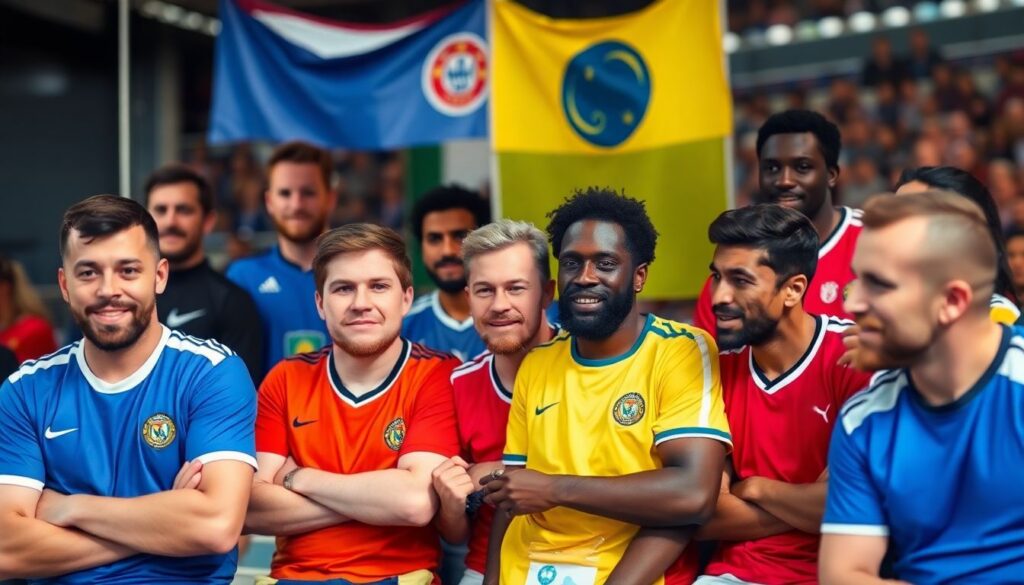
They can, if moderated and designed with clear community guidelines. Collaborations between clubs, fan groups and independent moderators help create forums where critical discussion of social issues is encouraged without normalising abuse.
How do I measure the impact of football-based educational programmes?
Use simple indicators: participation levels from diverse groups, changes in reported incidents, feedback from teachers and students, and small longitudinal surveys. Qualitative interviews with fans and community leaders can reveal deeper shifts in norms and perceptions.
What is a realistic expectation when linking football to broader social change?
Expect incremental shifts in attitudes, visibility and local practices rather than dramatic transformations. Football can open doors, legitimise conversations and model fairer procedures, but it works best when combined with broader social, legal and economic reforms.