Fútbol femenino: disputing space and rewriting the rules
Inspiring examples that break the script
Women’s football is no longer “that curious thing on Sundays”; it’s turning into a cultural lever. When a stadium fills up to watch a women’s final or a girl insists on playing as a centre‑back instead of a winger “because she likes the contact”, an old script cracks. Those cracks matter: they open room for new references, new careers, new ways of understanding power on and off the pitch.
Look at the evolution of the World Cups: from barely covered events to record‑breaking attendances, prime‑time broadcasts and shirt sales that surprise even the most optimistic analysts. Or think of clubs where women’s squads now train on the best pitches, with sports science and media teams comparable to the men’s side. Behind each visible success there were years of “no”, of training after work, of sharing boots and physios. These stories are not there to be admired from the sofa; they’re a manual. They show that insisting, organising and communicating well change budgets, laws and mindsets. And they prove that the fight is not only for goals, but for narrative: who is allowed to dream, to win, to live off this sport.
Reclaiming spaces: from the stands to the street
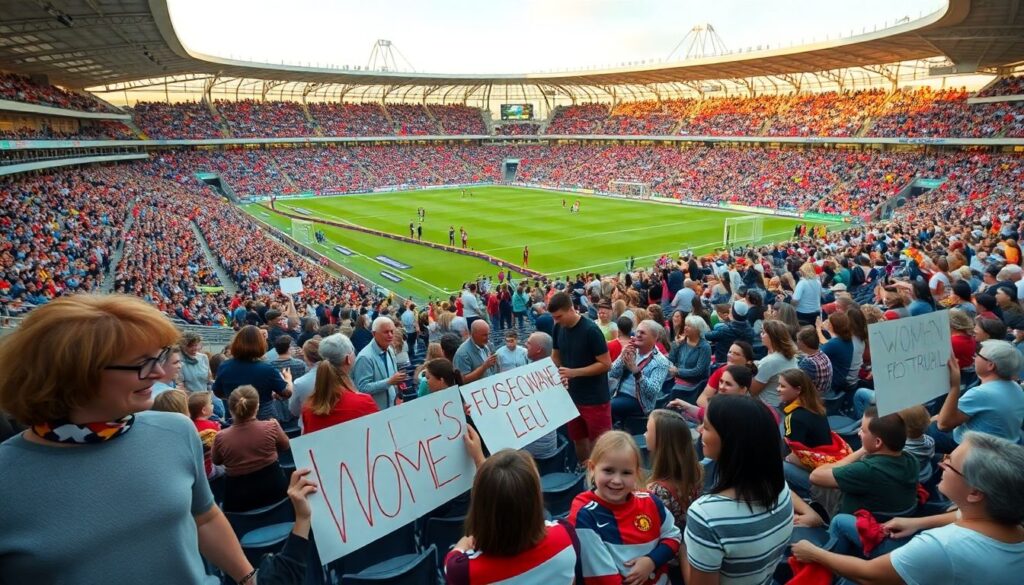
If you want a quick thermometer of change, don’t just watch the games; watch the stands. Families, mixed groups of friends, grandparents with banners made at home: that ecosystem is pure cultural transformation. When you search for fútbol femenino entradas partidos hoy and see that some sections are already sold out, you’re not only checking availability; you’re reading a social shift. The more bodies, voices and flags occupy those seats, the more weight women’s football gains in negotiations with sponsors, broadcasters and city councils.
There is a non‑obvious strategy here: use the stadium as a school of equality. Encourage clubs to reserve spaces for school groups, community organisations and neighbourhood teams at symbolic prices. Suggest that every match day includes one visible action: mixed mini‑tournaments before kick‑off, talks with players in the stands, or banner‑making corners where kids can write what they want to change in sport. The pitch will keep being 105×68, but the social imagination around who belongs there will expand with each initiative. That’s how a Sunday plan turns into a political act, without losing the fun.
Identity, shirts and symbolic power
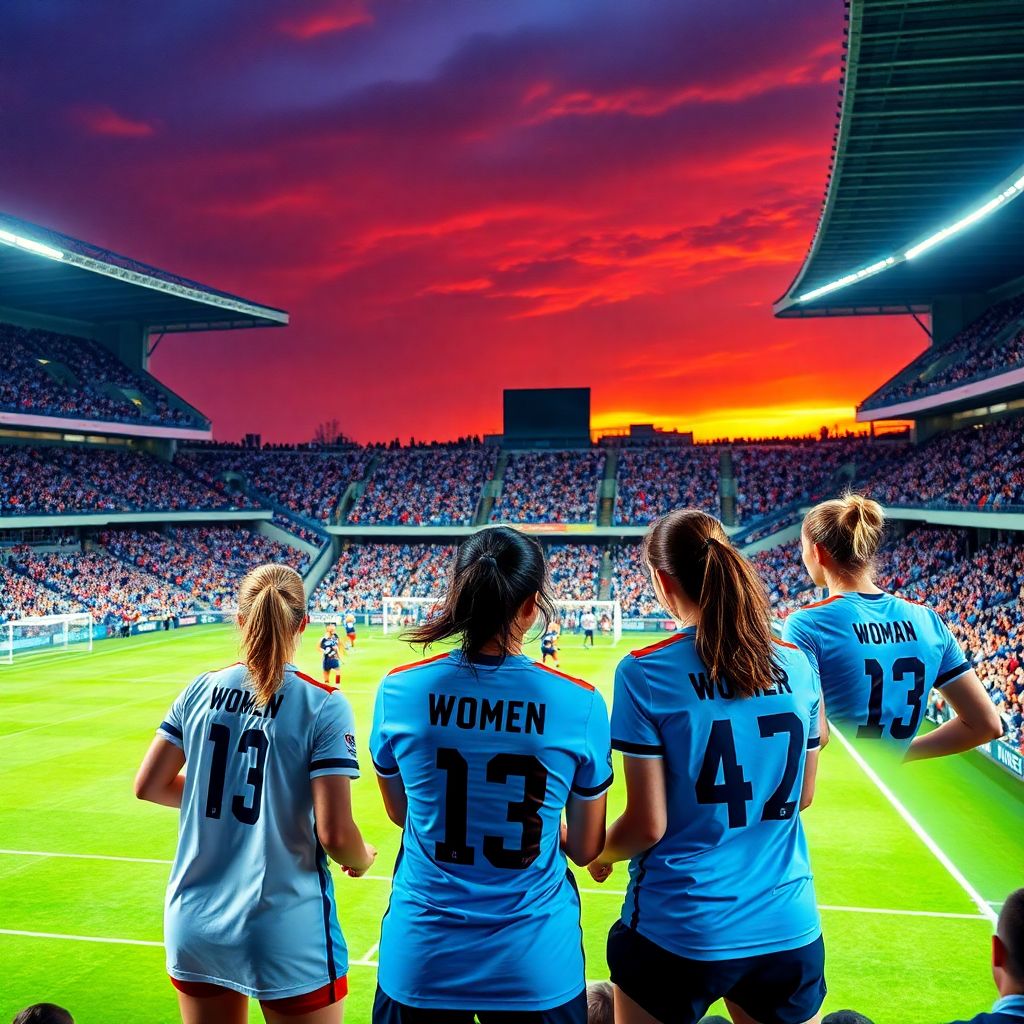
Let’s be honest: shirts are not “just shirts”. Wearing a name on your back is a public statement about who you admire and what kind of game you want to see more of. Every time someone looks for camisetas oficiales fútbol femenino selección comprar online, there is an underlying message to federations and brands: we exist, we buy, we care. The problem? For years the offer was poor, delayed or simply nonexistent in many countries.
A disruptive move is to treat the women’s shirt as the flagship product, not the bonus track. Limited collections co‑created with players and artists, inclusive sizing as a non‑negotiable, and equal launch dates for men’s and women’s kits send a powerful signal. Push local stores to display women’s jerseys in the shop window, not in a hidden corner. Propose community “swap days” where girls and boys exchange shirts of their favourite players, regardless of gender. Every time a child sees a woman’s surname on someone else’s back, another future possibility becomes normal. That’s soft power in motion.
Recommendations for sustainable growth
Growth in women’s football cannot copy‑paste the men’s model; it needs its own route. One key lever is transparency. When a club or federation publishes the liga femenina de fútbol calendario y precios abonos in advance, with clear, affordable options, it’s not just doing admin; it’s showing respect and betting on stability. People plan, return and bring others when they know where, when and how much.
From there, think ecosystem, not only first team. Advocate for minimum standards in contracts, medical support and maternity policies. Suggest that each professional club mentors at least one semi‑pro or grassroots club, sharing staff training and data. Push for mixed decision‑making boards where former players have real voting power. And get creative with funding: community bonds, local sponsorship bundles for several teams at once, or “pay‑it‑forward” season passes that supporters can donate to schools or shelters. Sustainable development is not only about having more money; it’s about deciding together how that money reshapes priorities.
Successful projects that changed the game
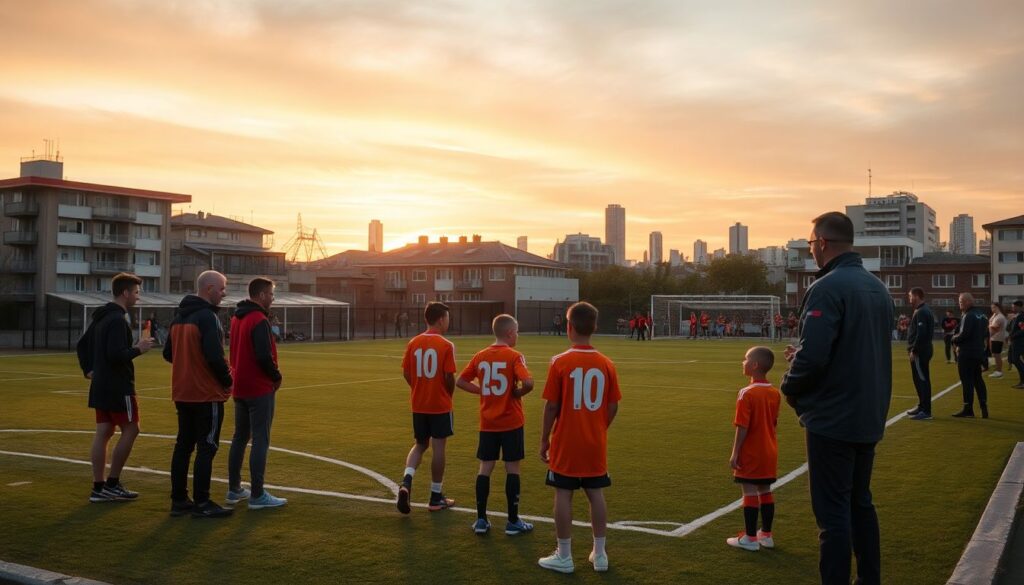
Behind every visible boom you’ll find projects that dared to experiment. One striking pattern in many success stories is a deep connection with the neighbourhood. Clubs that opened their training sessions, let fans watch from the touchline and then discuss tactics with coaches built something more solid than a fan base: they built a community that defends them. That community fills stadiums, organises travel, creates content and pressures institutions when needed.
Look at initiatives where women’s teams claimed main stadium dates formerly reserved only for the men. The first match might be marketed heavily, almost as a “special event”, but the real milestone is the second and the third, when it becomes routine. Others have hacked media coverage: collaborative podcasts between players and journalists, or content studios managed by the squad itself. A clever, underused move is inviting non‑sports influencers—scientists, musicians, activists—to co‑host match‑day streams. They bring in new audiences that suddenly care about offside rules and pay gaps in equal measure. The pattern is clear: when women’s football controls more of its own narrative, everything else accelerates.
Training the future: academies with a mission
If we talk about long‑term change, we have to talk about grassroots football. It’s not enough to open escuelas de fútbol femenino para niñas inscripción once a year and call it a day. The real leap comes when those academies are designed from scratch to challenge stereotypes. That means more women coaches, yes, but also different types of drills, leadership workshops and space for girls to talk about what they experience at school or at home when they say they play football.
A bold idea is to include “social skills modules” in training: how to negotiate, how to speak in public, how to manage conflict in the locker room. Another: create “job shadowing” days so teenagers can follow club staff—physios, analysts, community managers—and discover careers beyond being a player. And don’t underestimate parents: running workshops for them on injuries, body changes and pressure can prevent many girls from quitting at 13 or 14. The goal is not only to produce champions, but citizens who know that occupying space—on the pitch, at work, in politics—is their right.
Non‑obvious resources for learning and connection
Yes, you can learn a lot from coaching manuals, but don’t stop there. Documentaries about women’s teams from other countries, books on labour rights in sport, even urban anthropology texts on how we inhabit public space can give coaches and players better tools to interpret what happens around them. When a club invests in a small library or digital repository for its women’s section, it’s investing in critical thinking, not just footwork.
Use digital platforms with intention. Instead of only posting results, a team could run an open “tactics lab” on social media, explaining decisions and asking fans for alternatives. When people search for equipos de fútbol femenino merchandising oficial tienda, make sure they also find links to webinars, open training, or volunteer programmes. Organise online watch parties of international matches with live commentary from local coaches and players, so youngsters learn to read the game and not just consume it. And encourage cross‑pollination: alliances with basketball or rugby women’s teams can produce shared workshops on leadership, media skills and injury prevention. The more threads we weave, the harder it becomes for any setback to tear the fabric of this cultural change.
From recognition to cultural shift: what you can do now

Cultural change sounds huge, but it starts with very specific moves. Maybe you can’t rewrite a federation’s statutes tomorrow, but you can decide what you normalise in your daily life: which matches you watch, which stories you share, who you invite to try football for the first time.
If you’re a player, claim your space: ask for better schedules, question unfair rules, propose solutions instead of only listing problems. If you’re a fan, bring people to the stadium who have never been; help them read the game, help them feel part of it. If you work in media, give women’s football the analytical depth you’d give any Champions League match. The point is to move from “supporting” to co‑creating. Fútbol femenino is not a niche to be protected with pity; it’s a laboratory of new ways of competing, leading and living together. And that, if we insist collectively, can transform much more than 90 minutes on a pitch.