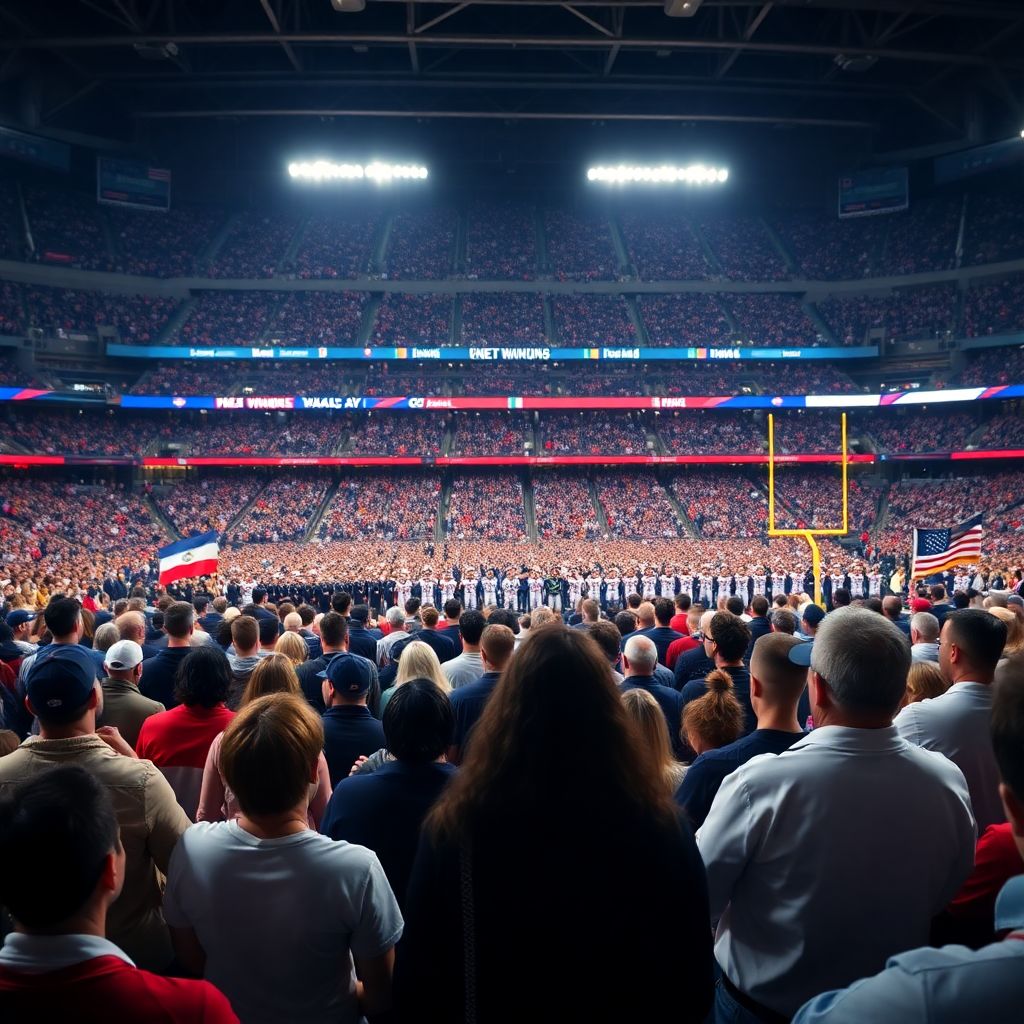
A 90-minute session on national identity in football uses team selections, anthems and fan practices to show how a collective «we» is built and contested. If you structure time clearly, mix brief inputs with guided discussion, and connect emotions to concrete examples, participants leave with sharper, more critical language for talking about identity.
Core concepts to address within a 90-minute framework
- If you only have 90 minutes, then prioritise three pillars: selections, anthems, and everyday symbols of belonging.
- If your audience follows football regularly, then start from recent matches and move back to historical patterns.
- If you expect resistance to «politics in sport», then frame identity as something football already does, not something added from outside.
- If your group is mixed in age or background, then use brief, concrete stories instead of abstract theory.
- If you want continuity after the session, then suggest at least one identidad nacional y fútbol libro and one curso online sobre identidad nacional y deporte for self-study.
Framing the session: clear objectives and time breakdown
If your goal is clarity in a short session, then define national identity in one sentence: a changing story about who «we» are, told through symbols, institutions and emotions. In football, this «we» appears in national teams, shirts, anthems, flags and the rituals around matches.
If you need to keep 90 minutes focused, then state three learning objectives at the start: recognise how selections include/exclude, understand what anthems do in practice, and identify symbols that construct or question belonging. This makes later discussion easier to steer back to the core topic.
If you want a workable time plan, then use a segmented structure:
- 10 minutes – Opening and shared working definition of national identity.
- 20 minutes – Selections and representation: who plays, who watches, who is named.
- 20 minutes – Anthems: functions, variations, and the historia de los himnos nacionales en el fútbol in brief.
- 20 minutes – Narratives and symbols: shirts, chants, media stories, and the construction of the «we».
- 15 minutes – Interactive exercise plus reflection prompt.
- 5 minutes – Summary, questions and concrete next steps.
If participants arrive with strong opinions about «pure sport» versus «politics», then agree some ground rules: listen fully before replying, criticise ideas not people, and link claims to specific examples (matches, chants, media headlines). This lowers defensiveness and keeps the 90 minutes productive.
Selections and representation: who is included and why
If you want to show how identity is negotiated, then start from the simple question: who gets to represent the nation on the pitch, and who does not? Turn selection criteria into visible, discussable choices rather than neutral facts.
- If you discuss call-ups and passports, then highlight how eligibility rules (birthplace, ancestry, residency) define who can be «one of us» officially.
- If participants mention naturalised players, then ask what stories are told: are they framed as heroes, opportunists, or symbols of a changing nation?
- If your group talks about diaspora fans, then connect this to how fans with multiple loyalties choose which team feels like «home».
- If clothing comes up, then use the example of selecciones nacionales de fútbol camiseta oficial comprar: ask who can afford it, who wears knock-offs, and whether authenticity is policed by other fans.
- If someone brings up gender or disability, then expand beyond the men’s team: who is visible as «the» national team in media and marketing?
- If the conversation drifts to «talent only», then gently show how scouting networks, youth academies and geography shape whose talent is even seen.
- If you notice myths about «real» players (tough, local, humble), then explore how those stereotypes include some groups and silently exclude others.
Anthems as practice: functions, variations, and controversies
If you want anthems to illustrate identity in motion, then treat them as practices rather than just songs: they are something people do together, with bodies, voices and emotions in a specific space and time.
- If you start with the official lyrics, then ask participants what values they hear (war, peace, land, monarchy, language) and how those values fit today’s society.
- If you show a clip of fans singing, then focus on body language, camera shots and sound mix to reveal who is centred and who is marginal.
- If your group knows a key episode from the historia de los himnos nacionales en el fútbol, then use it: players staying silent, fans booing, or alternative versions emerging from below.
- If someone says «it’s just tradition», then ask what happens when players kneel, raise a fist, or choose silence; show how small gestures can shift what the anthem means.
- If you want a quick comparison, then contrast pre-match anthems with club chants: how does singing for the nation feel different from singing for a local club?
- If the discussion gets stuck on personal taste («I like/don’t like it»), then redirect to functions: anthems as tools for unity, discipline, pressure, or protest.
Narratives, symbols and the work of constructing ‘we’
If you want to make the construction of «we» visible, then map all the elements that tell fans who belongs: colours, slogans, historical references, and the emotional tone of commentary. This helps participants see identity as a set of choices rather than an automatic truth.
Advantages of connecting symbols to identity work
- If you analyse shirts, flags and stadium choreography, then participants see how design decisions communicate inclusion or exclusion.
- If you look at TV narratives and headlines, then you can show how heroes, villains and «traitors» are framed for mass audiences.
- If you reference tickets and access, like entradas partidos selección nacional online, then you highlight how algorithms, prices and sales windows shape who can perform national belonging in the stadium.
- If you connect personal memories (watching tournaments with family) to wider stories, then people recognise how identity is lived, not just stated.
- If participants bring up club-country tensions, then you can show how multiple «we» identities overlap and sometimes clash.
Limits and risks in identity storytelling
- If identity narratives are only heroic and nostalgic, then they can erase conflict, inequality and uncomfortable histories.
- If «we» is always defined against a demonised «they», then football becomes a vehicle for hostility rather than a space for negotiated difference.
- If only majority languages and symbols are visible, then minority groups may feel forced to choose between football passion and cultural recognition.
- If media and federations control most stories, then fan-driven alternatives (banners, podcasts, fanzines) may struggle to gain legitimacy.
- If you ignore commercial interests, then you miss how sponsors, broadcasters and shirt manufacturers influence which versions of the nation are profitable.
Rapid interactive formats: exercises to surface identity dynamics
If you want participants engaged rather than passive, then plan at least one short exercise and one guided reflection. Keep instructions simple and time-bounded so discussion does not consume the whole 90 minutes.
Participatory micro-exercise (10-15 minutes)
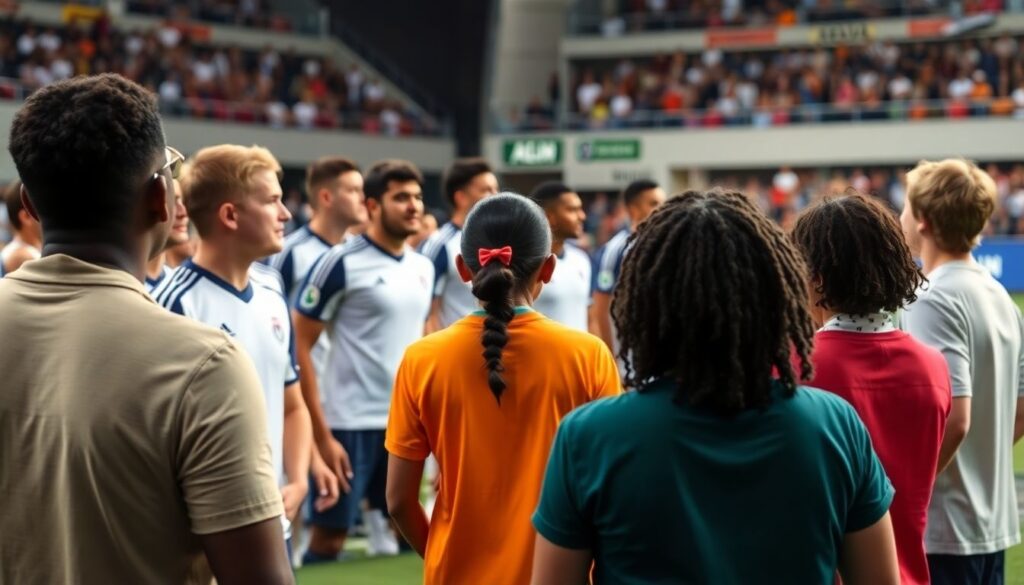
If you have a group of 8-25 people, then use this fast activity:
- If you want immediate reactions, then show a still image or 30-second clip of a national team line-up during an anthem.
- If the group is comfortable speaking, then split into small groups and ask each to list three words that describe the «we» shown in the image.
- If you need structure, then give guiding prompts: Who seems centred? Who is absent? What feelings are being invited?
- If time is short, then reconvene and have each group share one insight; write key words visibly to map how many different «we» stories appear.
- If participants are active on digital platforms, then connect this to how the same image might be captioned differently by media, fans or players.
Common mistakes and myths to address explicitly
- If someone says football only reflects a pre-existing national identity, then explain how selections, rituals and marketing actively shape what the nation feels like.
- If the room assumes that all fans experience the «we» equally, then bring in perspectives of migrants, women, racialised minorities or queer supporters.
- If participants insist that buying official merchandise is neutral, then discuss how selecciones nacionales de fútbol camiseta oficial comprar can be a way of signalling belonging, status and authenticity.
- If people treat federations and governments as completely separate from sport, then show concrete examples of how they use the national team’s image.
- If you hear that only stadium-goers are «real fans», then highlight those who live their identity at a distance via TV, radio, social media or local gatherings.
- If the group idealises past tournaments, then question what conflicts, exclusions or silences those memories might hide.
Reflection prompt to close the interactive part
If you want to consolidate learning, then offer a short, individual reflection:
If you think about your last emotional moment with a national team-goal, anthem, controversy-then ask yourself: What kind of «we» was I invited into? Who was clearly inside that circle, and who was left at its edge or completely outside?
Evaluation and continuity: tracking impact beyond one meeting
If your ambition is more than a one-off event, then plan simple ways to measure and extend the impact of the 90-minute session. You do not need heavy evaluation tools; you need a few consistent questions and a path for further learning.
Mini case: from single workshop to ongoing practice
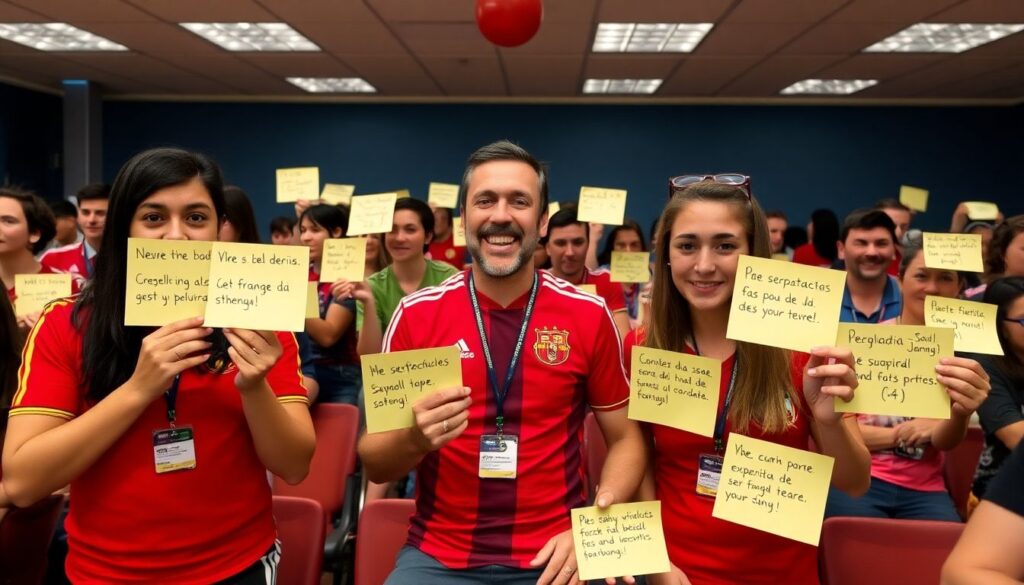
If you work, for example, with a supporters’ group in Spain, then you might proceed like this:
- If you run the initial 90-minute session before a major tournament, then collect one-sentence expectations from participants at the start («What does the national team mean to you right now?»).
- If you want to see change, then repeat the same question in a very short follow-up meeting after the tournament, or via email or messaging.
- If responses show more nuanced language (mentions of inclusion, exclusion, conflicting feelings), then you know that the session opened conceptual space.
- If participants are curious to go deeper, then recommend at least one identidad nacional y fútbol libro and one curso online sobre identidad nacional y deporte that match their level.
- If a core group is motivated, then invite them to design a small project-podcast episode, fanzine page, or social media thread-exploring how entradas partidos selección nacional online, anthems and symbols shape their own sense of belonging.
Compact self-checklist for facilitators
- If you review your plan and cannot summarise the three main ideas in two sentences, then simplify your content before the session.
- If your 90 minutes include no concrete examples (specific matches, songs, images), then add at least two; abstraction alone will not stick.
- If your structure has no room for participant voices, then insert one 10-15 minute exercise or small-group discussion.
- If you do not know how you will close the session, then prepare one clear reflection question and one suggestion for what to read, watch or follow next.
- If you want participants to connect theory and practice, then end by asking them to notice national identity cues in the very next match they watch.
Practical clarifications and concise responses
How political should a 90-minute session on national identity and football be?
If your group is mixed, then focus on describing practices (selections, anthems, ticketing, symbols) and their effects rather than promoting a party line. The politics will appear naturally once people see how inclusion and exclusion work.
Do I need deep historical knowledge of my national team to run this session?
If you lack detailed history, then anchor the discussion in recent, well-known matches and openly admit what you do not know. Participants often contribute missing historical context from their own experience.
How many media examples or clips fit into 90 minutes?
If you want discussion time, then limit yourself to one or two carefully chosen clips or images. Too many fragments will fragment attention and leave little room for reflection.
Can this format work in a classroom with teenagers?
If you work with teenagers, then shorten each segment and use more concrete prompts («Who do you feel represented by?»). Visual material and recent controversies are especially effective in that age group.
What if participants insist that football should stay separate from identity debates?
If this objection appears, then invite them to describe when they felt proud, angry or excluded with the national team. Those emotions usually reveal that identity questions are already present, even if unnamed.
How can I adapt the session for online delivery?
If you move online, then reduce total speaking time, use chat for quick word associations, and share short clips in advance. Breakout groups can replace in-room small group work.
Is it necessary to cover both men’s and women’s national teams?
If time allows, then including both gives a richer picture of national identity and gender expectations. If time is tight, at least mention how visibility and recognition differ between them.