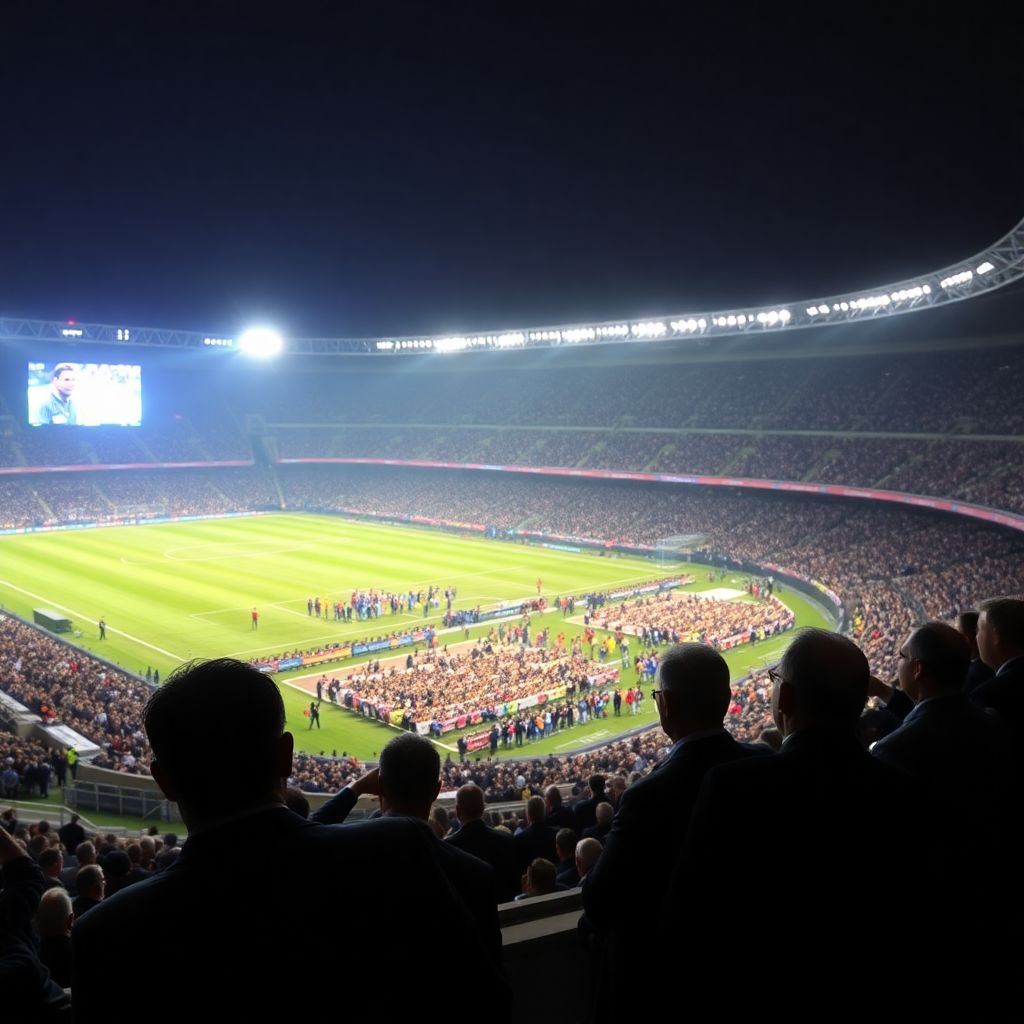
World Cups are geopolitical stages where governments try to project power, legitimacy and soft influence, but the ball never works as a magic diplomatic weapon. Tournaments can open doors, reframe narratives and support negotiations, yet their impact depends on prior politics, consistent follow‑up and how domestic and international audiences interpret each event.
Strategic synopsis: the World Cup as a tool of statecraft
- The World Cup is a high-visibility amplifier of existing foreign-policy strategies, not a substitute for them.
- It can support soft power, reputation repair and regional leadership, but rarely changes deep conflicts by itself.
- Risks include sportswashing accusations, domestic backlash and hardening of rival blocs.
- Ease of use varies: hosting is complex and risky; symbolic gestures using teams are cheaper but weaker.
- Impact must be measured with concrete indicators: media tone, diplomatic activity, public opinion and policy outcomes.
Common myths about World Cups as diplomatic tools
Geopolítica del fútbol mundial is often presented as a kind of chess game where leaders move tournaments like pieces and instant diplomatic victories follow. This exaggerates the power of sport and ignores how slowly international prestige and trust actually evolve.
A first myth is that a World Cup can unify divided societies and repair broken international relationships almost automatically. Short spikes of patriotic enthusiasm exist, but they coexist with inequality, repression or corruption. In the historia política de los mundiales de fútbol, moments of unity are usually brief, while structural tensions resurface quickly after the final.
A second myth is that hosting a tournament always improves a country’s image abroad. In practice, hosting can just as easily highlight labour abuses, cost overruns or environmental damage. Instead of pure soft power, governments may face accusations of sportswashing and intense scrutiny from NGOs, foreign media and rival states.
A third myth is that football as a herramienta de diplomacia deportiva is ideologically neutral. In reality, every decision about visas, security, fan zones or political symbols sends signals. Mundiales de fútbol y política internacional are inseparable: boycotts, visits by heads of state and public statements by players all shape how the event is read geopolitically.
Historical cases where the World Cup altered geopolitical dynamics
- Legitimising contested regimes. Authoritarian or transitional governments have used hosting to claim international normality, inviting foreign leaders and global media. Sometimes this has temporarily reduced diplomatic isolation or encouraged economic engagement, even when domestic repression continued.
- Regional leadership contests. Rival states have treated qualifying campaigns, joint bids or co-hosting as signals of who leads a region. Success in organising or performing well has been used in speeches and summits to reinforce claims of regional primacy and organisational capacity.
- Opening cautious dialogue. Matches between politically hostile countries have served as low-risk contact points. Football delegations, fan travel and shared logistics have allowed technical-level talks that later facilitated more formal diplomatic channels, even when leaders still spoke aggressively in public.
- Reframing national narratives. Underdog performances or symbolic victories have helped states present themselves internationally as modern, resilient or diverse. This symbolic capital has then been referenced in cultural diplomacy, trade missions and tourism campaigns.
- Triggering international scrutiny. Hosting bids and tournaments have sometimes attracted unprecedented attention to human-rights, labour or minority issues. The resulting pressure has forced legal reforms, treaty commitments or new monitoring mechanisms, even if implementation remained uneven.
Mechanisms: how hosting, teams and tournaments function as foreign-policy instruments
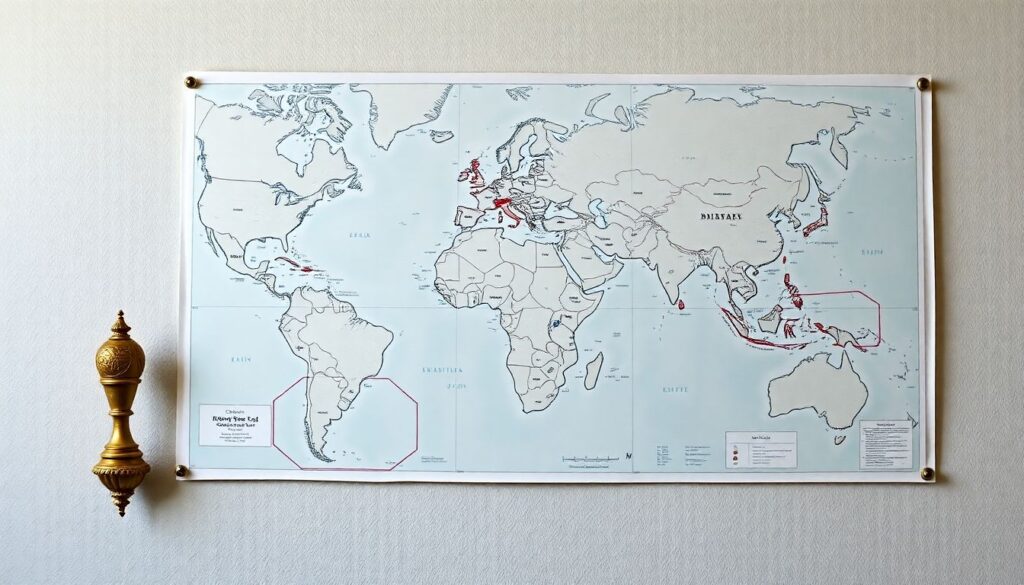
When analysing libros sobre geopolítica y mundiales de fútbol, different mechanisms keep repeating. They differ in ease of implementation and in diplomatic risk, which is crucial for any government designing a sports-based strategy.
| Approach | Diplomatic objective | Ease of implementation | Key risks |
|---|---|---|---|
| Hosting the World Cup | Rebranding, regime legitimisation, regional leadership | Low ease: long bids, huge costs, complex governance | Sportswashing accusations, cost backlash, reputation damage if logistics fail |
| Using the national team as a symbol | Soft power, emotional connection with foreign publics | Medium ease: messaging, PR and player cooperation required | Politicisation of players, conflict with clubs, backlash if results disappoint |
| Football diplomacy with rivals | Confidence-building, opening dialogue channels | Medium ease: needs minimal political will on both sides | Domestic criticism for "appeasing" enemies, risk if incidents occur |
| Cultural and fan-focused programmes | Tourism, long-term image building | High ease: scalable projects before and after tournaments | Limited depth of impact, vulnerable to security incidents or hooliganism |
Hosting as a strategic mega-project
Hosting is the most visible and complex mechanism. It combines infrastructure, security, media management and high-level protocol. For foreign policy, it offers opportunities to sign side agreements, stage summits and demonstrate organisational competence, but the downside risk is extreme if stadiums fail, protests escalate or corruption scandals emerge.
National teams as moving billboards of identity
National squads personify the country abroad. Their style of play, diversity, behaviour and communication strategy can underline narratives such as modernity, unity or openness. Governments try to align these narratives with broader branding, while players and coaches often pursue their own agendas and may resist political exploitation.
Tournament diplomacy and controlled encounters
Tournaments facilitate informal meetings: in VIP boxes, training camps or fan events. These encounters can support back-channel talks, reduce misperceptions and test potential concessions without formal commitments. The same spaces can also signal distance, for example when leaders avoid each other or leave matches early after symbolic incidents.
Media ecosystems and narrative battles
Broadcasting rights, commentary frames and digital campaigns turn each World Cup into a global storytelling arena. States invest in international channels, social media teams and influencer partnerships to frame domestic controversies, regional disputes or leadership claims in their favour during the tournament’s peak attention window.
Key actors and competing interests: governments, sponsors and international bodies
World Cups sit at the intersection of public power, private capital and international governance. Each actor sees opportunities and constraints differently, which shapes how geopolítica del fútbol mundial actually works in practice.
Opportunities and leverage for main actors
- National governments. Can align the tournament with development plans, tourism, defence of territorial claims or bids for leadership in international organisations.
- Local authorities. Use venues and fan zones to attract investment, rebrand cities and negotiate central-state resources.
- FIFA and confederations. Gain geopolitical relevance by distributing hosting rights, mediating disputes and imposing regulations that can influence domestic politics.
- Corporate sponsors and broadcasters. Shape narratives through advertising, choice of imagery and editorial decisions, amplifying or diluting political messages.
- Civil society, NGOs and fan groups. Leverage visibility to push human-rights agendas, environmental concerns or anti-corruption campaigns.
Structural constraints and conflicting agendas
- Regime type and domestic cohesion. Fragmented or highly authoritarian systems face credibility gaps; their external messaging often clashes with internal realities visible to journalists and fans.
- Regulatory and contractual limits. Host agreements, sponsorship contracts and security obligations restrict how far governments can politicise venues, ceremonies or broadcast content.
- Commercial risk aversion. Sponsors usually avoid overt controversy, pressuring organisers to depoliticise symbols, which can reduce the effectiveness of overt diplomatic signalling.
- Transnational fan cultures. Fans chant, protest and use banners independently of governments, sometimes undermining official narratives or exposing sensitive issues.
- Global media competition. Multiple outlets and platforms prevent any single actor from fully controlling the story, making outcomes unpredictable.
Risks, contradictions and conditions in which sports diplomacy backfires
Mundiales de fútbol y política internacional generate specific vulnerabilities that policymakers often underestimate. Common failure patterns repeat regardless of region or ideology.
- Overpromising transformation. Presenting the World Cup as a cure for social conflict, economic stagnation or diplomatic isolation raises expectations that no tournament can meet. The gap between rhetoric and reality then becomes a new source of anger and mockery, both domestically and abroad.
- Visible hypocrisy. If a state markets itself as tolerant and inclusive while repressing protesters or discriminating against minorities during the event, international observers quickly highlight the contradiction. This can harden negative stereotypes and damage long-term soft power.
- Politicising players and coaches. Forcing athletes to repeat official lines or punishing those who speak about social issues can trigger global solidarity with the players and frame the government as insecure or repressive.
- Underestimating transnational activism. NGOs and diasporas plan campaigns years in advance. When authorities ignore them, they risk surprise actions-coordinated banners, boycotts, viral clips-that dominate coverage and sideline official messages.
- Instrumentalising victims and history. Using historical tragedies or security threats purely as image tools can backfire morally and diplomatically. Opponents accuse the host of exploiting pain, while internal audiences may feel manipulated.
- Ignoring post-tournament legacy. If the narrative of national renewal collapses into empty stadiums, debt and scandals, later commentators reframe the entire event as an error, retroactively cancelling much of the diplomatic benefit.
Practical metrics and indicators for assessing diplomatic impact
To move beyond slogans about fútbol como herramienta de diplomacia deportiva, governments and analysts should track clear indicators before, during and after a World Cup. Impact evaluation should mix media analysis, diplomatic activity and concrete policy outcomes.
Core dimensions to monitor
- Reputation and narrative change. Tone and topics in international media, social media sentiment in target countries, and the presence of new frames (innovation, responsibility, leadership) in coverage.
- Diplomatic density. Number and level of official visits, bilateral meetings, multilateral side events and new cooperation memoranda signed around the tournament.
- Economic and mobility signals. Trends in tourism, business delegations, visa policies and flight connections linked to the host or standout teams.
- Policy follow-through. Whether announced reforms, dialogues or peace initiatives linked to the World Cup actually move forward in the following years.
Mini-case: contrasting two strategic choices
Imagine a mid-sized country deciding between leading a joint World Cup bid or investing in long-term football-based cultural programmes abroad. A simplified evaluation might look like this:
// Option A: Joint hosting bid
Cost_level        = "Very high"
Implementation    = "Complex, multi-year, dependent on FIFA decision"
Key_risks         = ["Sportswashing narrative", "Infrastructural overruns", "Regional tensions over benefits"]
Potential_reward  = "Large but uncertain spike in visibility and perceived leadership"

// Option B: Long-term cultural & youth programmes
Cost_level        = "Moderate and spread over time"
Implementation    = "Flexible, can target priority countries"
Key_risks         = ["Lower media impact", "Requires patient diplomacy"]
Potential_reward  = "Steady accumulation of trust, networks and soft power"

Preferred_mix     = "Option B as baseline, Option A only if domestic consensus and governance capacity are strong"
Used this way, the historia política de los mundiales de fútbol becomes a toolbox: past tournaments illustrate when mega-events make sense and when more modest, sustained initiatives offer a better balance between ease of implementation and geopolitical risk.
Concise clarifications on World Cups and international influence
Is the World Cup powerful enough to change foreign policy on its own?
No. It can alter atmospheres, narratives and some priorities, but stable foreign-policy shifts usually come from security, economic and domestic-political interests. The tournament is a catalyst, not a driver.
How does hosting differ from using the national team as a diplomatic symbol?
Hosting is a high-cost, high-risk infrastructure and governance project that can reshape a country’s global image. Using the team focuses on media, messaging and public emotions, with lower cost but also narrower diplomatic impact.
Can World Cups really improve relations between rival countries?
They can open informal channels, reduce stereotypes and test limited cooperation. However, deep disputes over territory, security or ideology rarely disappear; at best, sport creates space for incremental progress.
Why do some World Cups damage a country’s reputation instead of improving it?
Reputations suffer when security failures, corruption, labour abuses or censorship contradict the host’s official narrative. Global visibility then amplifies criticism rather than soft power gains.
What indicators should analysts watch to measure diplomatic impact?
Key indicators include media tone in target states, number and level of diplomatic meetings, tourism and investment patterns, and whether promised reforms or agreements materialise after the tournament.
Are there recommended resources or books on geopolítica del fútbol mundial?
Yes. There is a growing body of libros sobre geopolítica y mundiales de fútbol that combine political science, history and sports studies. When choosing, prioritise works that use concrete case studies and clear data over purely anecdotal narratives.