
A packed football calendar turns the player’s body into exhaustible capital: match density limits recovery, amplifies cumulative fatigue, and raises injury and performance risks while clubs chase sporting and commercial goals. Without strict workload management, players are rotated and replaced like assets, not treated as long‑term human performers.
How a Packed Schedule Recasts Players as Physical Capital

- Players’ bodies are planned like assets: minutes, travel and marketing events are allocated to maximise short‑term output.
- Recovery windows shrink, so fatigue and micro‑damage accumulate across the season rather than disappearing after each match.
- Substitutions, rotations and transfers make injured players economically «replaceable», normalising chronic overload.
- Contract values and bonuses often reward appearances more than sustainable health trajectories.
- Medical and performance staff become risk managers trying to limit breakdowns under structural calendar pressure.
- National teams and clubs compete for the same body, multiplying exposure without sharing full responsibility.
Myths About Match Density and Player Health
In modern football, the calendar is no longer a neutral backdrop. It is the primary context shaping how much stress a player’s body must absorb. Yet discussion is often driven by myths rather than by how lesiones futbolistas calendario apretado actually emerge.
The first myth claims that «top professionals can handle any load if they are fit enough». Conditioning improves tolerance, but it does not eliminate biological limits. High aerobic capacity and strength cannot fully protect ligaments, tendons and the central nervous system from constant matches with minimal recovery.
A second myth says that «rotations solve the problem». Rotations help, but they are usually reactive: players rest once they report pain or when physical metrics are clearly deteriorating. By that time, early overload damage is already present, and reserves or young players suddenly face sobredosis de partidos en el fútbol profesional without gradual adaptation.
The third myth is that «technology makes overloading safe». GPS, wellness apps and blood tests are tools, not shields. They help detect red flags, but the underlying economic and competitive incentives often push staff to interpret data optimistically and keep key players on the pitch even when signals are borderline.
Understanding these myths is essential to redefine the calendar as a controllable risk factor rather than a fixed constraint. Only then can we discuss realistic strategies for prevención de lesiones por sobrecarga en futbolistas at club, league and federation level.
Physiological Pathways: From Overload to Cumulative Fatigue
To see why overloaded calendars are dangerous, it helps to follow the main physiological mechanisms from a single match to season‑long wear:
- Structural micro‑damage: Each match produces tiny tears in muscles, tendons and connective tissues. With adequate recovery, these heal and strengthen structures; with dense fixtures, damage accumulates faster than the body can repair.
- Neuromuscular fatigue: The nervous system’s ability to activate muscles declines under repeated high‑intensity efforts. Reaction time, coordination and fine motor control worsen, increasing the risk of non‑contact injuries in cutting, landing and sprinting actions.
- Metabolic and hormonal stress: Consecutive matches and travel disturb sleep, appetite and hormonal balance. Chronically elevated stress hormones and reduced anabolic hormones undermine adaptation, immune function and mood.
- Inflammatory load: Inflammation is a normal response to training and matches. When the calendar compresses matches, inflammation becomes chronic rather than episodic, impairing tissue recovery and making players feel «heavy» and sore most of the time.
- Central fatigue and cognition: Mental fatigue from constant competition, tactical meetings and travel affects decision‑making and perception. Players arrive «mentally slow», misjudge distances and timing, and make technical errors they would not make when fresh.
- Sleep disruption: Late kick‑offs, blue light exposure, media duties and flights shorten and fragment sleep, reducing the main window for physical and neural recovery.
- Psychological strain: Pressure to perform in every competition leaves little emotional recovery time. Over months, this can lead to burnout symptoms that further interact with physical fatigue.
Injury Patterns Tied to Congested Calendars
In practice, overloading does not translate into a single type of injury but into recognisable patterns that medical teams see when the calendar tightens.
-
Soft‑tissue strains in key muscles
Hamstring, adductor and calf strains are classic outcomes when match density increases. Players still feel residual soreness from the previous game, but competitive pressure keeps them starting, especially in decisive fixtures. -
Tendon overuse and chronic pain
Achilles and patellar tendinopathies build gradually over weeks of intense loads and hard pitches. With congested schedules, there is rarely time to fully deload and rebuild capacity, so pain becomes «normalised» and performance slowly declines. -
Joint overload and cartilage wear
Knees, hips and ankles absorb repeated high‑impact actions. When training has to stay intense between matches to maintain tactical sharpness, the total mechanical load on joints can exceed what cartilage and supporting tissues can handle. -
Recurrent «minor» injuries
Players under tight schedules often return as soon as they can tolerate pain. Without full rehabilitation, compensations develop and the same area is re‑injured or a nearby structure fails under altered movement patterns. -
Late‑season breakdowns
The impact of the calendario apretado on lesiones is often delayed. Players «survive» mid‑season only to suffer significant injuries when fatigue and micro‑damage finally cross a critical threshold during the run‑in or international tournaments. -
International duty spikes
During national team windows, players shift tactical demands, training styles and travel patterns in a few days. This sudden change, on top of club congestion, raises short‑term injury risk straight after returning to domestic leagues.
Performance Decline, Recovery Shortfalls and Biomarkers
The calendar’s impact is not limited to obvious injuries. It also erodes match performance in ways that are visible on the pitch and in monitoring data, shaping el impacto del calendario en el rendimiento de futbolistas.
Typical advantages clubs seek from dense competition
- Maintaining competitive rhythm and tactical sharpness without long breaks between games.
- Maximising revenue and visibility from multiple competitions and international tours.
- Keeping star players constantly present for fans, sponsors and broadcast partners.
- Using matches as the main conditioning stimulus, reducing time spent on intense training.
Performance and recovery limitations that emerge in reality
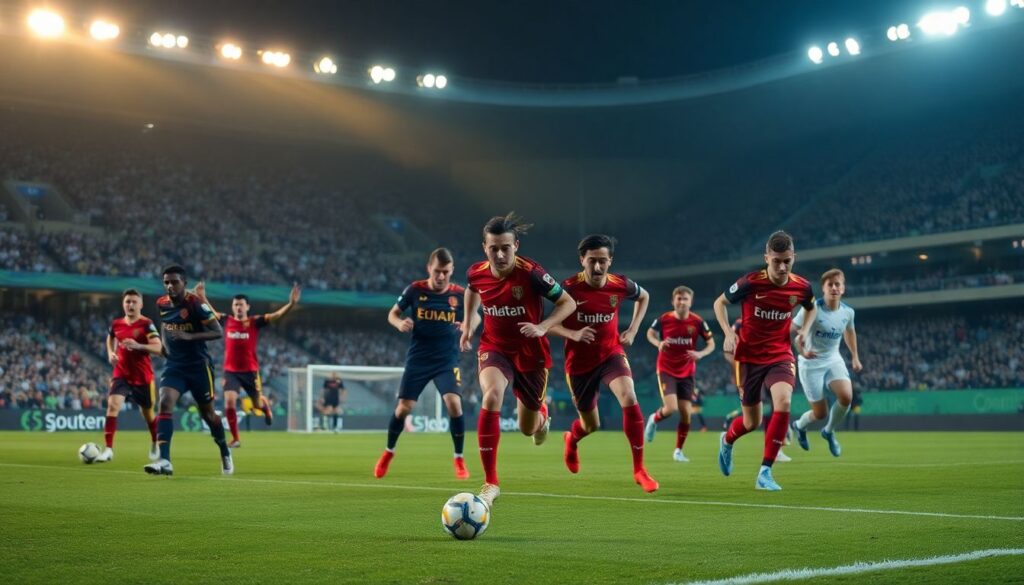
- Progressive loss of high‑intensity actions per match: fewer sprints, repeated accelerations and decisive duels.
- Decline in technical precision under pressure: more heavy touches, misplaced passes and poor finishing in the final minutes.
- Slower recovery of physical metrics between games: elevated soreness, reduced jump performance and higher resting heart rate persist longer.
- Difficulty raising training intensity: «compensatory» sessions become lighter to protect tired players, limiting long‑term development.
- Biomarker drift in monitoring data: trends suggest chronic strain even if single values stay within normal ranges.
- Greater within‑squad inequality: robust players keep performing, while more fragile teammates lose rhythm due to repeated niggles.
Economic Logic: Clubs Treating Bodies as Renewable Resources
Behind calendar decisions sit financial and competitive incentives that treat players as renewable resources rather than finite bodies. Understanding this logic is key to redesigning gestión de carga de trabajo en jugadores de fútbol.
-
Short‑term optimisation over career‑long health
Clubs chase immediate results because jobs, prize money and rankings depend on the current season. Long‑term joint health or post‑career well‑being rarely has the same weight in decision‑making meetings. -
Squad depth as a buffer, not a solution
Large squads allow constant match output even when some players break down. This can unintentionally encourage riskier decisions: staff know that if a player is injured, another can step in without changing the calendar. -
Incentive‑misaligned contracts
Appearance bonuses and clauses tied to minutes can push players to hide pain or resist rotation. At the same time, clubs feel justified squeezing high‑value signings to «get a return» on investment. -
Fragmented responsibility between stakeholders
Clubs, national teams, leagues and confederations each add competitions without fully accounting for total load. Everyone uses the same body, but no single actor owns the complete risk. -
Marketing priorities overshadow medical caution
International tours, friendlies and media events are scheduled around commercial needs, often eating into rest days and rehabilitation windows after long seasons. -
Data as justification rather than protection
Monitoring data can be selectively interpreted to green‑light borderline decisions: a player is «within range», so he plays, even if trends and context suggest that cumulative fatigue is dangerous.
Policy Blindspots: Scheduling Incentives and Competitive Pressures
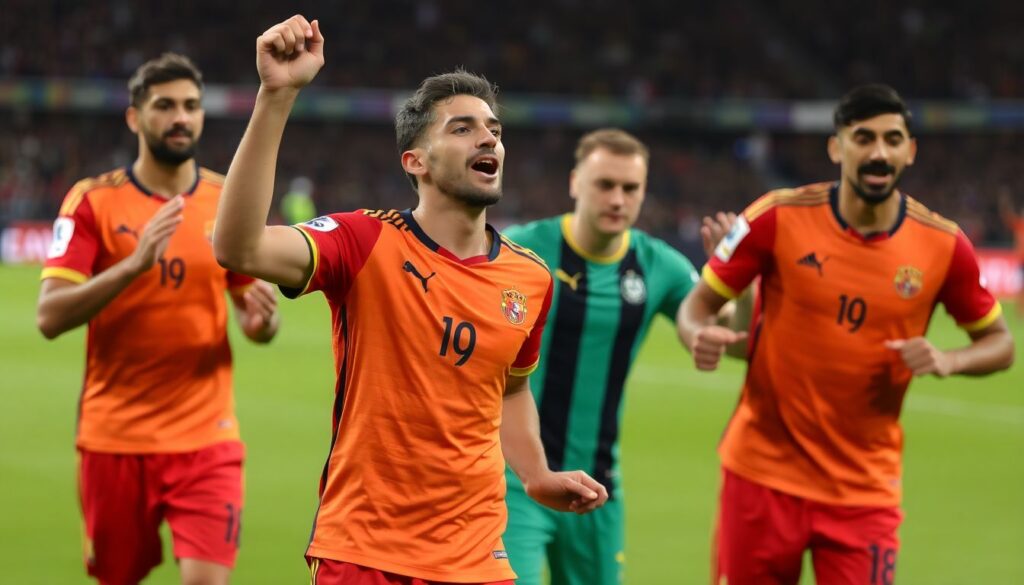
To illustrate how these dynamics play out, consider three short scenarios in the Spanish context, where sobredosis de partidos en el fútbol profesional is a constant debate.
Scenario 1 – Mid‑table La Liga club with European qualification
An intermediate club unexpectedly qualifies for European competition. The squad was built for one match per week. By autumn, they are playing every three to four days. Training intensity drops to protect players between matches, but tactical complexity still demands high cognitive and physical output. Soft‑tissue injuries rise, performance in the league dips, and by spring the club has exited Europe but is also fighting to avoid relegation. The short‑term financial gain from Europe came at the price of uncontrolled cumulative fatigue.
Scenario 2 – National team star across competitions
A key Spanish international starts almost every league match, plays deep into domestic and international cups and then features in every minute of a summer tournament. The club’s medical staff carefully manage loads, but the national team runs their own plan. No one owns the full annual calendar. In the early stages of the next season, minor tendon pain becomes a more serious issue that sidelines the player during crucial league fixtures. Both club and country «used» the same asset without fully sharing responsibility for prevention.
Scenario 3 – Youth prospect in a big club
A talented 19‑year‑old emerges from the academy. He plays regularly for the B team, trains several times a week with the first team and begins to appear in late‑game substitutions. Enthusiasm leads staff from different squads to call on him without consolidating a global plan. Accumulated high‑intensity minutes plus emotional stress and travel push him beyond his current robustness. A preventable hamstring injury delays his progression and affects confidence, showing how prevención de lesiones por sobrecarga en futbolistas must start early, not only with established stars.
Concise Practical Clarifications on Scheduling Risks
How many rest days do players realistically need between high‑intensity matches?
There is no single magic number, but players generally need at least one full low‑load day and one partial recovery day after demanding matches. The tighter the schedule, the more aggressively clubs must reduce non‑essential training and off‑pitch obligations.
Can good rotation policies fully neutralise the risks of a congested calendar?
Rotations reduce risk but do not erase it. Even rotated players accumulate travel fatigue, disrupted sleep and psychological stress. Rotation must be combined with individual load tracking, clear communication and realistic competition prioritisation.
What practical steps can a club with limited resources take to manage workload?
Clubs without advanced technology can still track minutes, travel time and subjective fatigue, then adjust training volume. Simple rules like limiting intense drills for players with recent high minutes can significantly cut overload risk.
How should youth coaches adapt when tournaments compress many matches into a few days?
Youth coaches should reduce non‑essential training during the event, substitute more aggressively and de‑emphasise results over player health. Clear boundaries on total minutes per day and per tournament protect young bodies still developing tolerance.
Do players themselves have real influence over their match load?
Players rarely control the calendar, but they can influence how transparent they are about pain, sleep and fatigue. Honest reporting and willingness to accept rotation give medical and performance staff room to protect them.
What can federations and leagues change without losing too much commercial value?
They can review kickoff times, reduce unnecessary friendlies, manage international windows more coherently and enforce minimum recovery standards. Incremental scheduling improvements often protect players without destroying revenue streams.
How does monitoring help if fixtures remain congested?
Monitoring cannot fix the calendar, but it helps prioritise who most needs rest, adjust training to the real state of the squad and justify conservative decisions to coaches and directors under pressure.