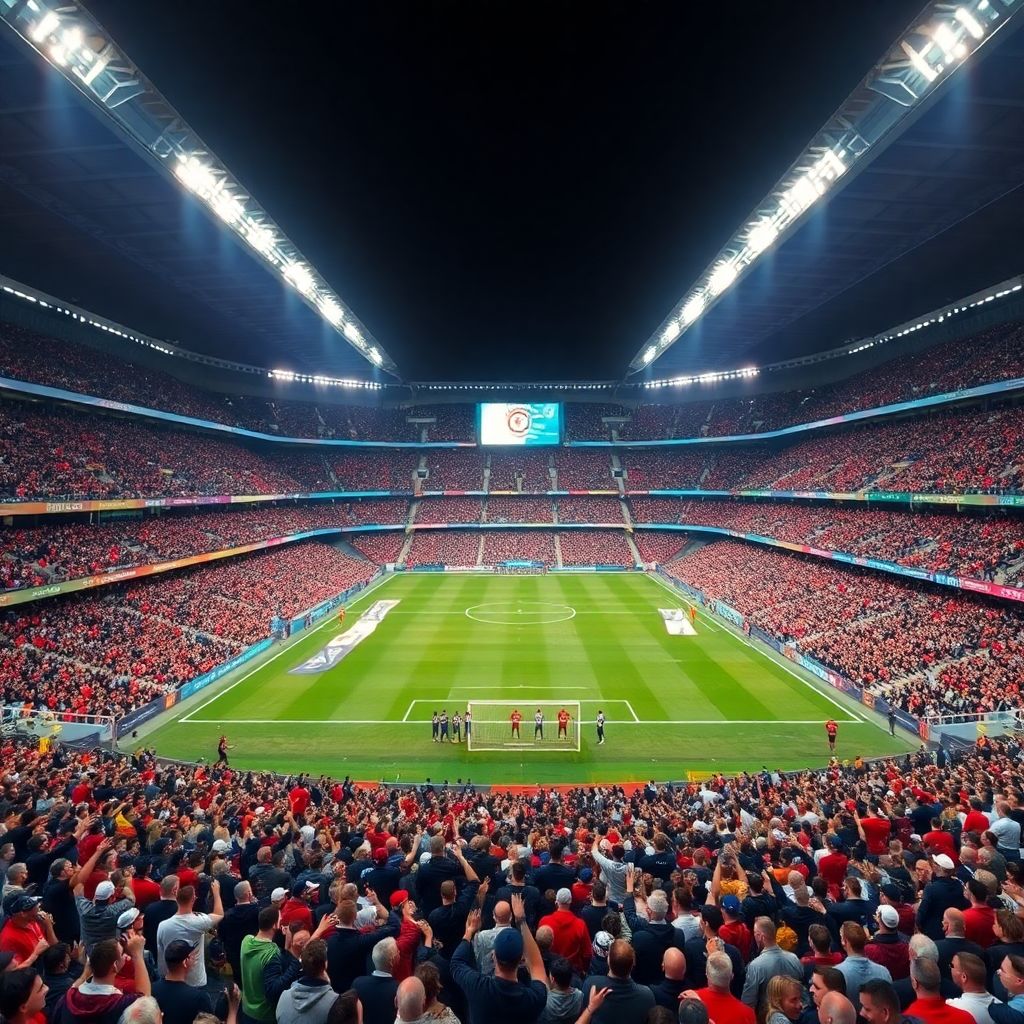
Football stopped being mainly «of the fans» when commercial logic overtook community logic: TV money, corporate sponsors and private investors began to shape key decisions more than local supporters. This shift accelerated from the late 20th century, turning clubs into global entertainment brands and fans into paying consumers.
When Football Shifted from Community Sport to Market Commodity
- Commercialization is a gradual process, not a single date, but accelerates with TV deals, deregulation and global marketing.
- Local identity weakens as clubs prioritize global audiences and sponsors over neighborhood communities.
- Ticket prices, kick-off times and broadcasting access reflect business priorities more than supporter preferences.
- Fans keep symbolic power and culture, but economic decisions increasingly answer to investors.
- Safer reforms focus on governance, transparency and supporter representation, not nostalgia for a fully «pure» past.
Historical Turning Points in Football’s Commercialization
The mercantilización del fútbol moderno describes the long transition from football as a local, community-based pastime to a global entertainment industry. The core idea is that the main reference point for decisions changes: from the match-going supporter to the paying viewer, sponsor or investor.
This does not mean money was absent in the past. Professional players, transfer fees and tickets existed for decades. The difference lies in the centrality and scale of the influencia del dinero en el fútbol profesional: revenues, brand value and sponsorship portfolios now frame almost every strategic choice.
A concise timeline helps to see when the game visibly started to leave the hands of hinchas and move into those of broadcasters and corporations:
| Period | Main Traits | Implication for Fans |
|---|---|---|
| Early professional era | Local owners, modest wages, basic stadiums | Strong neighborhood identity; affordable access; limited TV presence |
| Expansion of TV coverage | Regular broadcasting, advertising around matches | Kick-off times adapt to TV; clubs gain power vs. leagues and federations |
| Global marketing phase | International tours, mega-sponsorships, pay-TV | Match-going fans face higher costs; global TV audiences gain priority |
| Investor and «super-league» era | Private equity, global brands, breakaway projects | Supporters organize to defend pyramid, local culture and access |
For many, the key emotional break in the debate fútbol moderno vs fútbol de antes para los aficionados arrives when they feel their role reduced from co-owners of club identity to segmented consumers. That feeling usually intensifies with stadium relocations, badge changes, and decisions taken without meaningful fan consultation.
Key Economic Drivers: TV, Sponsorships and Private Investment
-
Broadcasting rights and scheduling power
TV companies pay for the right to show matches, influencing calendars, kick-off times and competition formats. Revenues from domestic and international rights reshape club budgets and create a gap between leagues and between rich and modest teams. -
Corporate sponsorship and branding
The impacto de las empresas y patrocinadores en el fútbol includes shirt sponsors, stadium naming rights and official partners in almost every commercial category. Sponsors seek visibility, brand association and access to global fan databases, pushing clubs to align their image and messaging with corporate expectations. -
Private investors and ownership models
Clubs open to majority or minority investors: individuals, consortiums or investment funds. These actors see clubs as assets that must grow in value through increased revenue, cost optimization and international expansion. Strategic priorities align with investment horizons, not necessarily with long-term community interests. -
Global merchandising and digital content
Shirts, lifestyle products, streaming content, and international academies or schools transform clubs into lifestyle brands. Digital platforms allow direct monetization of distant fans, changing how clubs weigh the importance of local stadium attendance versus global online engagement. -
Competition for «big event» status
Derbies, finals and international tournaments are packaged as premium events. Dynamic pricing, VIP experiences and corporate hospitality intensify the sensación of exclusion for traditional hinchas with limited budgets, while sponsors and high-spending spectators gain influence inside the stadium. -
Regulation gaps and financial engineering
Where financial controls are weak, debt-leveraged takeovers and speculative transfers become attractive. Without strong oversight, clubs may prioritize short-term financial gains over sporting integrity and community roots, deepening the mercantilización del fútbol moderno and its social tensions.
These mechanisms interact and reinforce each other. TV money attracts sponsors and investors; investor pressure leads to bigger TV-friendly competitions; global marketing encourages further concentration of talent in a few clubs; and all of this reshapes what a «normal» football club looks like.
Business Models Transforming Clubs into Brands
The move from club to brand can be seen in distinct, recurring business models. Each model changes cómo el negocio del fútbol afecta a los hinchas in specific ways, especially around access, identity and participation.
-
Global flagship brand club
A small group of elite clubs operate as global entertainment brands. They tour worldwide, sign international superstars, and center their strategy on worldwide TV audiences and merchandise sales. Local fans remain loud and visible, but decisions mainly serve global growth metrics and sponsor demands. -
Investor-driven «project club»
A club is acquired by investors who implement a project: data-led recruitment, aggressive marketing, stadium redevelopment and new commercial partnerships. The club becomes a platform for capital gain or portfolio synergy, sometimes within multi-club ownership structures connecting teams across several countries. -
City-brand and tourism anchor club
Some clubs are positioned as ambassadors for a city or region. They collaborate with tourism boards, airlines and hotels. Matchdays are converted into destination events, blending football with leisure, shopping and hospitality. This model often supports urban regeneration but may price out long-time residents. -
Corporate-linked or company-owned club
A firm uses a club as a vehicle for its brand or products. The club adopts corporate colors, logos or names, and its strategic aim is tightly aligned with the parent company’s marketing or political objectives. Critics argue this erodes traditional identity and deepens the impacto de las empresas y patrocinadores en el fútbol. -
Community-anchored yet commercial hybrid
Some clubs retain significant member ownership or supporter influence while adopting modern commercial practices. They seek a compromise: sustainable revenues without sacrificing democratic structures, fair ticket policies and strong local roots. Balancing these forces requires clear rules and consistent dialogue with fans.
In each model the comparison fútbol moderno vs fútbol de antes para los aficionados hinges on perceived control. The more a club is run as a brand, the more supporters risk being treated as segmented markets instead of members of a shared civic culture.
Consequences for Supporters: Access, Identity and Participation
The commercialization of football has both benefits and costs for supporters. Understanding them helps to design realistic, safe steps to protect what matters without blocking all economic development.
Positive outcomes for fans in a commercial era
- Better infrastructure: renovated stadiums, safer seating, improved transport connections and matchday services.
- Higher sporting level: concentrated talent, more competitive squads, and access to top international players at domestic grounds.
- Global visibility: easier access to broadcasts and content for distant fans, allowing supporters in different countries to follow their club regularly.
- Professionalized clubs: more stable operations, clear budgeting and modern management practices that reduce chaotic decision-making.
- Broader content offer: analysis shows, documentaries, women’s football coverage and youth competitions reaching larger audiences via TV and digital platforms.
Main limitations and pressures on supporter experience
- Cost barriers: rising ticket prices, expensive season passes, and premium TV packages that exclude lower-income fans.
- Scheduling discomfort: late-night or fragmented kick-off times driven by TV slots rather than by local needs such as work, public transport or family life.
- Identity dilution: badge redesigns, color changes, stadium renaming and marketing campaigns that feel disconnected from local history and culture.
- Consumer framing: fans are treated primarily as customers; loyalty is monetized through memberships, tiers and exclusive products, not through shared governance.
- Voice reduction: key strategic decisions (ownership changes, league formats, stadium moves) made without meaningful supporter consultation or voting rights.
- Overload of advertising: intrusive sponsor activations in and around the game, affecting atmosphere and ritual, and amplifying the sensación of mercantilización del fútbol moderno.
Illustrative Case Studies: From Local Clubs to Global Franchises
Short case-style examples illustrate common patterns and misconceptions around commercialization, without idealizing the past or demonizing all business activity.
-
Local club becomes global «franchise»
A historic city club is acquired by an international consortium. The owners rebrand the badge, redesign the kit, and seek a stadium naming-rights deal. Their goal is to enter new markets with a unified visual identity. Fans feel that their traditions have been repackaged for export; protests and boycotts of merchandise follow. -
Stadium move framed as «modernization» only
A club leaves an old central stadium for a new venue on the outskirts, with more VIP boxes and shopping areas. The move is sold as progress, but travel costs rise and many older fans cannot adapt. The myth here is that modernization is automatically positive; in reality, distribution of benefits and losses is uneven. -
Multi-club ownership and identity confusion
A group controls several clubs across continents, sharing scouting networks and sometimes playing style and colors. While this can improve talent development, supporters may feel that their club is now a «branch office» of a larger corporate project, undermining their sense of uniqueness and agency. -
Short-term investor, long-term damage
An investor buys a club, loads it with debt to finance transfers and infrastructure, and later leaves when returns are lower than expected. The club remains with heavy obligations and must sell key players or raise prices. The mistake is assuming that any investor brings stability; motives and oversight matter. -
Fan pushback stopping an unpopular reform
A breakaway competition is proposed that would concentrate income among a few elite clubs and reduce sporting merit. Supporters organize protests, display banners, and pressure clubs and regulators. The project is suspended. The lesson: fans may have limited formal power, but collective action can still shape outcomes.
Policy Options and Practical Reforms to Rebalance the Game
Supporters, clubs and regulators cannot undo commercialization, but they can steer it. The safest reforms focus on minimum guarantees and clear limits, rather than trying to return to a romantic past that never fully existed.
-
Formal supporter representation
Require clubs above a certain level to include elected supporter representatives on boards or advisory councils. These representatives have access to information and a voice on strategic questions such as stadium moves, major rebrands or ownership changes. -
Golden-share style vetoes on heritage issues
Introduce special rights for supporter groups or public authorities over core identity elements: club name, badge, colors and stadium location. Any change would need a qualified supporter approval or an independent review considering long-term community impact. -
Ticketing principles and access rules
Establish guidelines that cap the proportion of seats reserved for VIP and corporate hospitality and promote affordable sections, youth tickets and local resident schemes. This mitigates cómo el negocio del fútbol afecta a los hinchas with lower incomes and helps maintain traditional atmospheres. -
Transparent ownership and financial oversight
Mandate public disclosure of ultimate beneficial owners, debt structures and related-party transactions. Stronger licensing rules can reduce speculative ownership patterns and reckless financial engineering that treat clubs purely as tradeable assets. -
Balanced TV and competition design
When designing broadcast packages and new competitions, include supporter impact assessments focused on travel distances, kick-off times and fixture congestion. Fan groups should be consulted early, not merely informed after deals are signed. -
Encouraging community or mixed-ownership models
Offer regulatory or fiscal incentives to clubs that preserve member ownership, cooperatives or hybrid models with strong supporter rights. These structures can allow professional management and investment while tempering the most extreme forms of mercantilización del fútbol moderno.
A simple «pseudo-logic» for safer decisions could be:
If a change increases revenues and keeps or improves affordable access, identity protection and supporter voice, it is likely acceptable.
If a change increases revenues but clearly damages at least two of those three elements, it should be redesigned or rejected.
Answers to Common Fan Questions About Commercialization
Did money suddenly take football away from the fans?
No. Money was part of professional football from early on. What changed was the scale and centrality of commercial motives, especially with TV deals and global sponsorships. The shift is gradual, not a single moment, but fans feel it when decisions stop reflecting their priorities.
Is all sponsorship and corporate involvement negative?
Not necessarily. Sponsors can fund infrastructure, youth academies and women’s teams. Problems arise when sponsors or investors gain more influence than supporters over identity, ticketing or competition formats. The key is clear limits and independence in heritage and sporting decisions.
Why do ticket prices and TV subscriptions keep rising?
Clubs and broadcasters chase higher revenues to compete for players, service debts and grow brand value. Without regulation or political pressure, it is easier to raise prices than to cut costs. This is one of the main ways influencia del dinero en el fútbol profesional affects fan access.
Can fans really influence big decisions today?
Yes, but mostly through collective action. Organized supporter groups, coordinated campaigns and alliances across clubs have already stopped or modified projects like closed leagues or drastic rebrands. Legal supporter rights and formal representation can turn that informal power into stable influence.
Is it realistic to want a «pre-commercial» football again?
No. The global attention and professional level of the game are tied to commercialization. The realistic goal is not to erase business, but to set safe boundaries: protect heritage, guarantee some affordable access, and ensure that clubs remain accountable to their communities.
Are community-owned clubs always better for supporters?
Community ownership can align clubs more closely with supporters, but it is not magic. Without good governance and financial discipline, member-run clubs can also make mistakes. What matters most is transparency, accountability and a culture that values fans as stakeholders, not just customers.
How can individual fans act without risking their own enjoyment?
Safe steps include joining or supporting democratic fan groups, participating in consultations, choosing ethical club products where possible, and amplifying campaigns that defend supporter rights. None of this requires giving up going to matches, but it adds a layer of conscious engagement.