Categoría: Tácticas y Estrategias
-

Var ethics in football: technological justice or loss of the game’s essence?
VAR in football is ethically acceptable when it is narrowly focused on clear, match‑changing errors, implemented with strict transparency, and designed to minimise interruptions. Used this way, it improves fairness without destroying the essence of the game, balancing the ventajas y desventajas del VAR en el fútbol profesional across different competitions. Core ethical dilemmas introduced…
-

El derbi as sociocultural phenomenon: rivalries, narratives and the other
A derby is a local or symbolic football clash where rival fan bases construct an «us versus them» boundary through history, territory, rituals, and stories. For practitioners, treating the derbi as a sociocultural ecosystem-rather than just a match-helps design safer events, richer fan experiences, and more ethical commercial strategies. Core Dimensions of a Derby’s Social…
-

When football stops being a game: burnout, media pressure and players mental health
Burnout in professional football is a state of emotional exhaustion, loss of enjoyment and reduced performance caused by chronic stress from competition, media exposure and internal club demands. It is closely tied to salud mental futbolistas profesionales, and requires coordinated work: early detection, individual support, structural changes and clear return-to-play criteria. Core concepts: burnout, media…
-
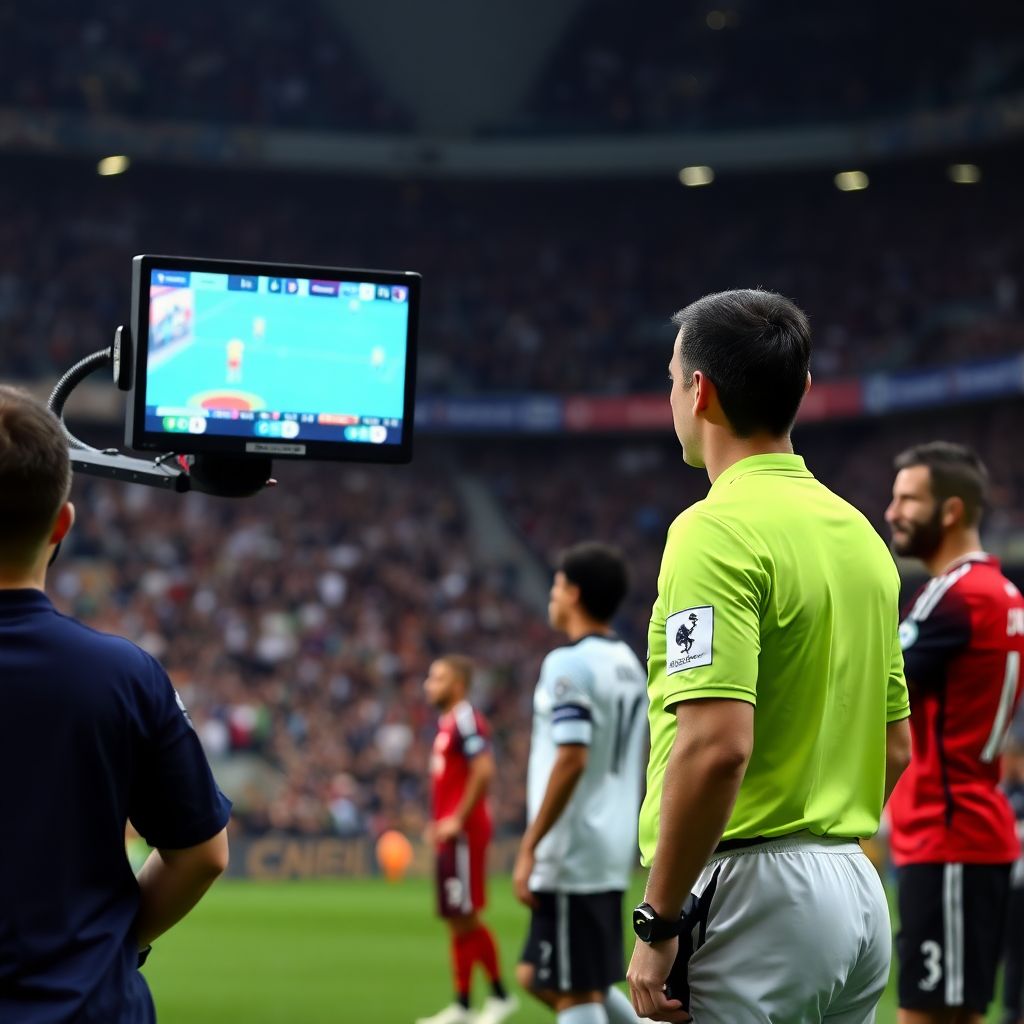
Var, justice and the human error: technology and the essence of the game
VAR in football is a technological assistant that reviews specific, high‑impact situations to reduce clear refereeing errors without turning the game into a laboratory experiment. Philosophically, it balances human fallibility, fairness and the flow of play. Used well, it protects sporting justice; used badly, it can undermine trust and enjoyment. Core principles for assessing VAR…
-
Commodification of football: is authentic play possible in the age of brands and superclubs?
Authentic football is still possible in a commercial era if stakeholders set red lines: prioritise sporting merit over branding, protect competitive balance, and anchor clubs in their communities. This requires conscious choices about tickets, broadcasting, sponsorships and governance so that money sustains football’s culture instead of hollowing it out. Practical checklist to assess authenticity in…
-

How data analytics is transforming creativity in the creative field
Data analytics is reshaping creativity by turning intuition into informed bets, not rigid rules. For creative teams in Spain, analítica de datos en marketing creativo means using audience signals, testing, and iteration to design bolder concepts with less waste. The result: more relevant ideas, faster learning, and clearer proof of impact. Core premise: data’s role…
-

Tactics as language: how football systems express philosophical ideas
Tactics work like a language: systems of play do not just organise space, they state ideas about risk, control, freedom, and solidarity. If you change formation, pressing height, or build-up pattern, then you also change the «sentence» your team speaks about how football and cooperation should work. Tactical Grammar: Essential Concepts If you pick a…
-

Authentic football in an age of sponsorships and sports betting
Authentic football can exist with sponsors and legal betting if three conditions hold: competition remains uncertain, decisions are not secretly bought, and supporter culture stays independent. Money shapes contexts (kick-off times, kits, broadcasts), but authenticity survives in how matches are played, governed and lived by fans, not in the absence of commercial logos. Core claims…
-
Clubes-empresa vs clubes-comunidad: business and community in modern football
Neither the club‑empresa nor the pure community club is «better» in every situation. For Spanish football (es_ES), corporate models fit capital‑intensive, growth‑oriented projects, while member‑owned clubs protect identity and social impact. The best choice depends on governance culture, risk appetite, investors, league rules and local expectations. Decision snapshot: core distinctions between club models Clubes empresa…
-

Sport or spectacle: when did football become a mass consumer product?
Football became a mass‑market consumer product when broadcasting, sponsorship and global branding started to matter as much as sporting success. From the late 20th century, leagues, clubs and players were packaged, priced and marketed like entertainment assets, driven by TV rights, merchandising and digital platforms rather than purely by local community logics. Defining the Shift:…