Categoría: Impacto Sociocultural
-

World cups and geopolitics: when football becomes a tool of diplomatic power
World Cups are geopolitical stages where governments try to project power, legitimacy and soft influence, but the ball never works as a magic diplomatic weapon. Tournaments can open doors, reframe narratives and support negotiations, yet their impact depends on prior politics, consistent follow‑up and how domestic and international audiences interpret each event. Strategic synopsis: the…
-
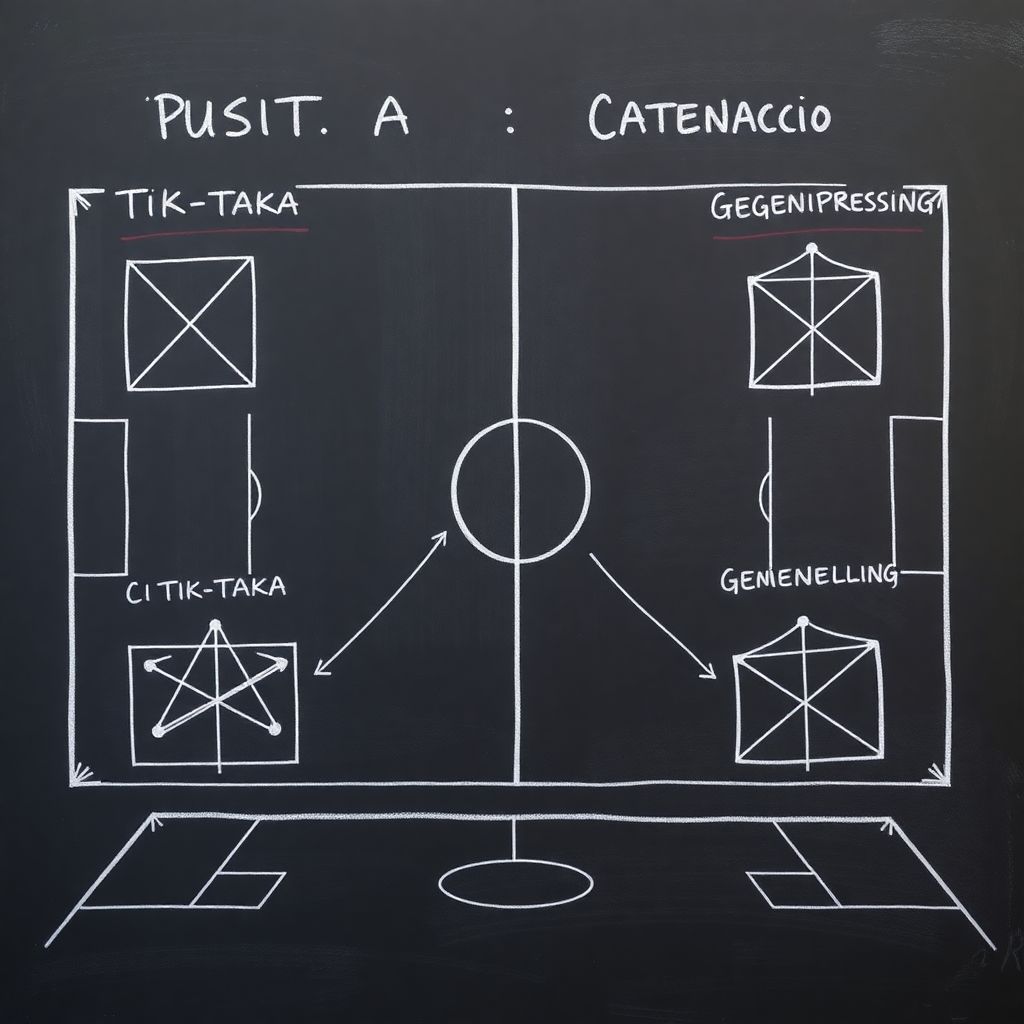
Tiki-taka, catenaccio and gegenpressing as life philosophies in football
Tiki-taka, catenaccio and gegenpressing are three full-life philosophies: control, resistance and constant attack on chaos. The best choice depends on your squad’s technical level, fitness, emotional profile and club culture. In Spanish grassroots or amateur contexts, blending elements usually beats copying elite models, especially when budgets and training time are limited. Essence at a Glance:…
-
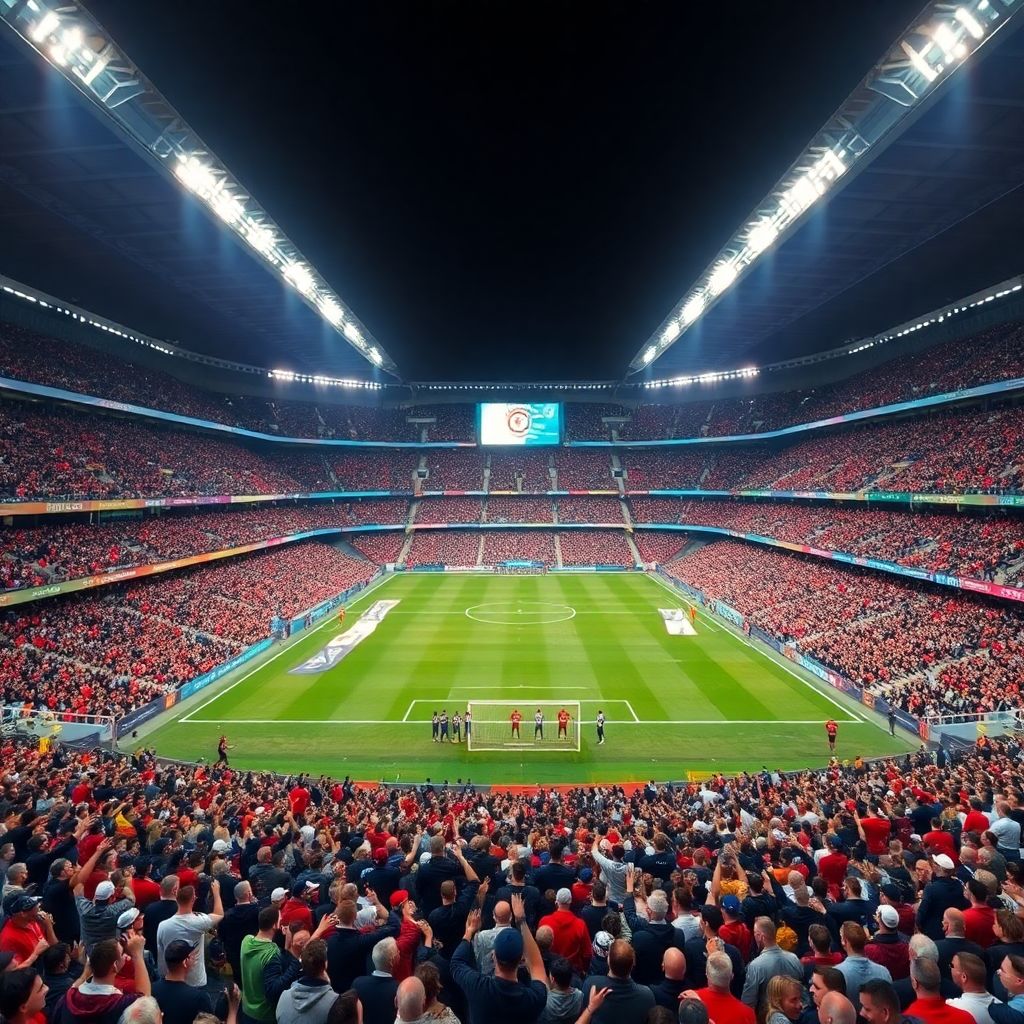
Commodification of football: when did the game stop belonging to the fans?
Football stopped being mainly «of the fans» when commercial logic overtook community logic: TV money, corporate sponsors and private investors began to shape key decisions more than local supporters. This shift accelerated from the late 20th century, turning clubs into global entertainment brands and fans into paying consumers. When Football Shifted from Community Sport to…
-

Super leagues and new competitions: inevitable evolution or betrayal of football’s spirit
Super leagues and new elite competitions are neither automatically the future of football nor pure betrayal. They are power projects driven by money, control and global audiences, constrained by law, regulation and fan resistance. Understanding their origins, business model and legal limits helps identify safer reforms and red lines for European football. Executive summary of…
-
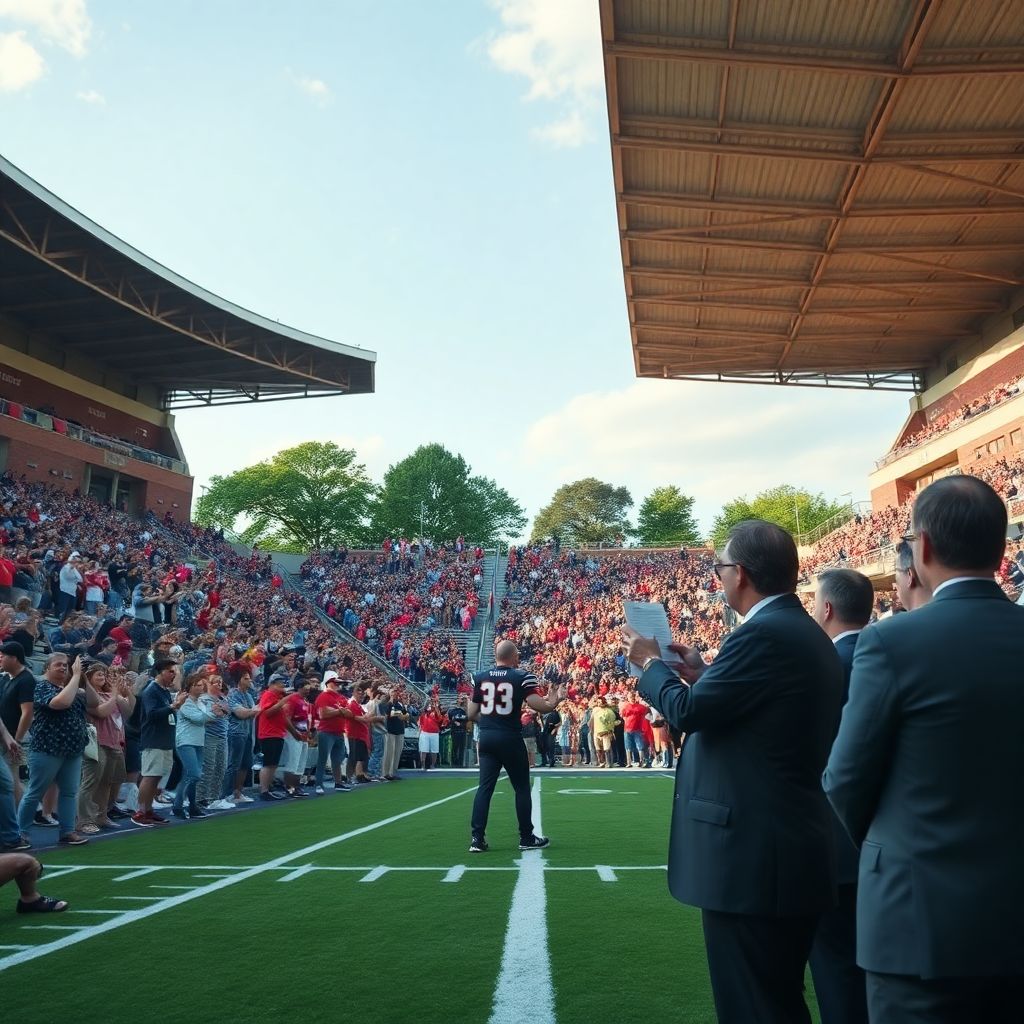
When the club leaves the neighborhood: investment funds, distant owners, lost identity
When a club stops belonging to its neighbourhood, ownership shifts from socios and locals to distant investors. This change alters decision‑making, priorities and identity: from weekend volunteers to Excel dashboards, from community heritage to financial asset. Understanding how funds enter, what they change, and how communities can react is essential. Debunking myths: what really changes…
-

Champions league vs local leagues: economic power, inequality and lost competitiveness
European elite competitions amplify financial and sporting gaps by concentrating broadcasting, prize, and commercial income in a handful of clubs. This weakens local leagues, narrows title races, and distorts transfer and wage markets. The best option is not to abolish the Champions League, but to hard-balance its effects through domestic and UEFA-level reforms. Executive summary:…
-

Football’s impact on masculinities and emerging gender identities
Football powerfully shapes masculinities by rewarding certain behaviours, narratives and bodies, but it can also open space for new gender identities if change is intentional and well designed. Safe steps include small mixed-gender projects, critical reflection and community alliances; key limitations are structural inequalities, commercial pressures and deeply rooted cultural myths. Core propositions on how…
-
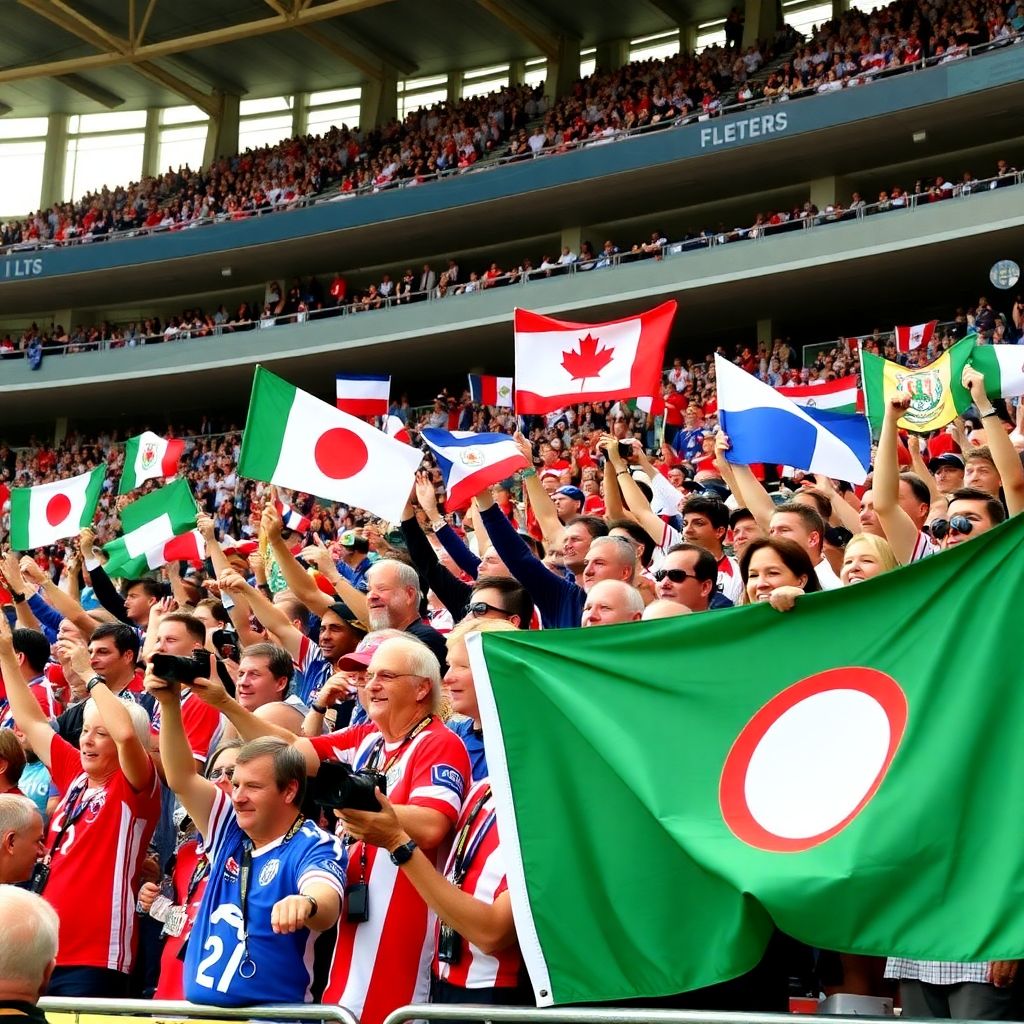
Football and politics: when the ball becomes a powerful tool of influence
Football and politics intersect whenever the game is used to build national identity, legitimise governments, distract from crises or project influence abroad. Power holders exploit fandom, media visibility and symbols (flags, anthems, jerseys) to shape narratives. Understanding this relationship helps citizens, journalists and policymakers recognise manipulation and design healthier sports governance. How football shapes political…
-
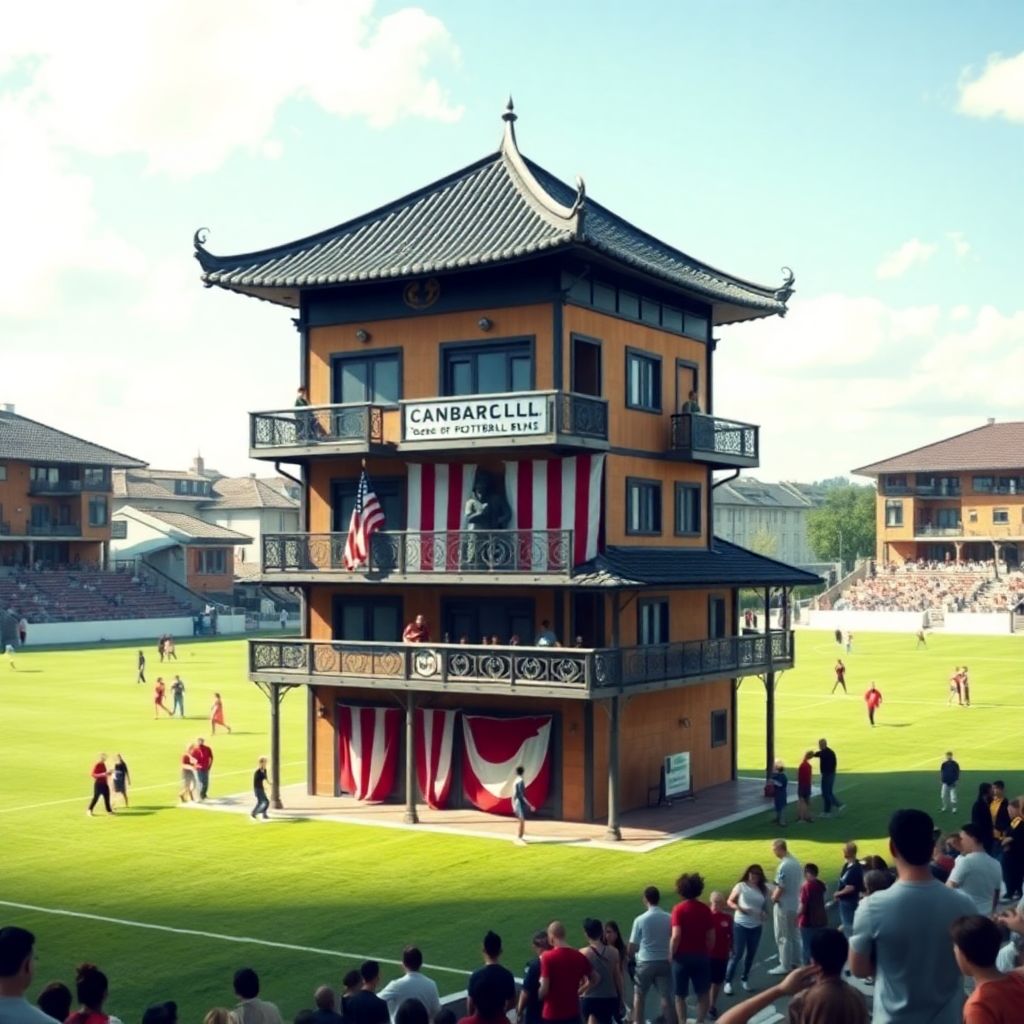
Hidden history of football commercialization, from neighborhood clubs to corporate Sad
The hidden history of football commodification is the shift from community-run neighborhood clubs into market-driven entertainment companies, especially Sociedades Anónimas Deportivas (SAD) in Spain. It moved power from members to investors, prioritising profit over local identity through TV rights, branding, ticketing strategies and financial engineering around players and stadiums. Concise overview: turning clubs into commodities…
-
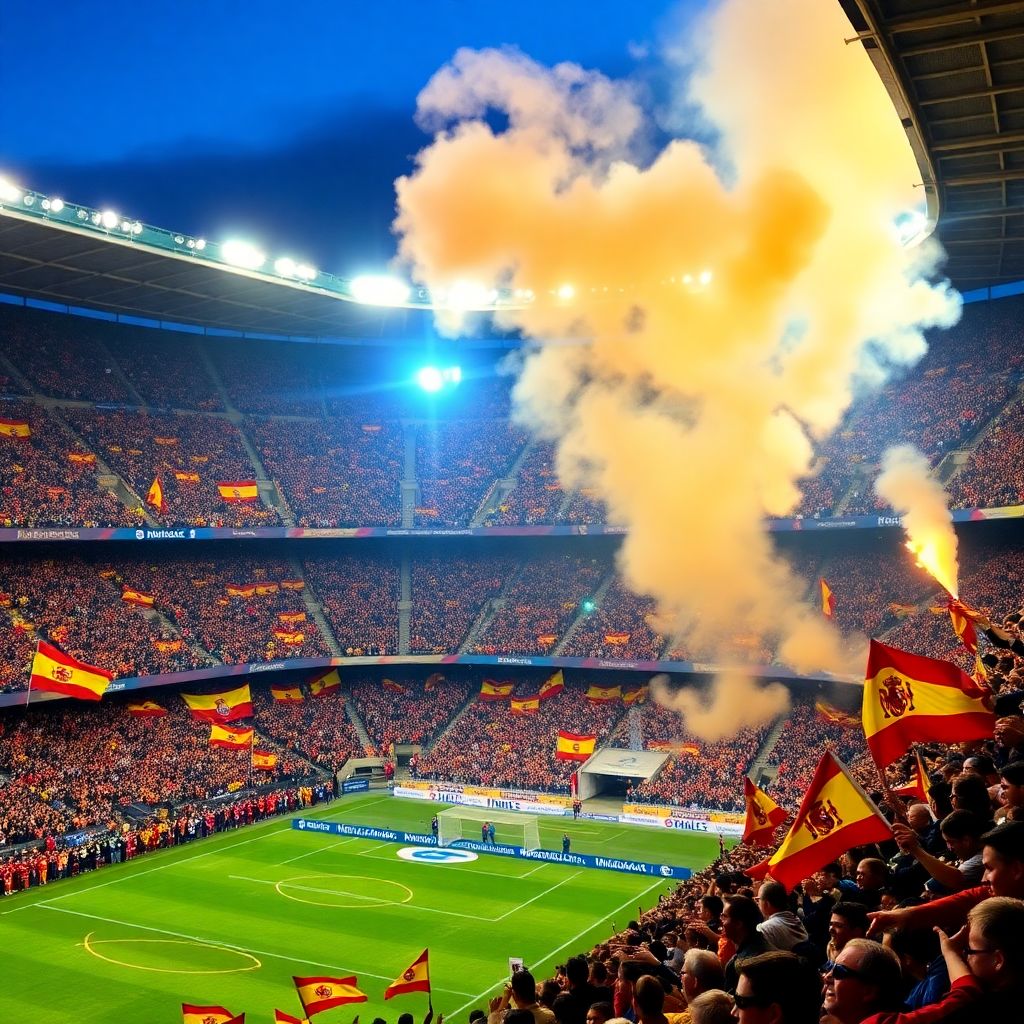
Why football matters so much to us: a philosophical look at the meaning of the game
Football matters so much because it organises emotions, identities and hopes into a shared game that feels larger than everyday life. It offers belonging, beauty, rivalry and a simple but deep question: what is worth giving time, passion and loyalty to? Through football, people in Spain test answers to that question together. Core concepts framing…