Categoría: Historia del Fútbol
-

The boy who stopped playing: elite academies and the loss of innocence
Hyperprofessionalization in youth elite football means that a child’s game gradually turns into an adult-style job: early selection, intensive training, results-first culture and constant evaluation. The risk is loss of innocence, identity problems and burnout. If you want opportunity without damage, you must set clear boundaries, protect play, and keep school and wellbeing first. Common…
-

Media construction of the crack: myth, marketing and psychological pressure in sport
The media construction of the football «crack» is a cultural myth powered by marketing and amplified by constant exposure, which turns a talented player into a flawless hero. This label simplifies complex careers, serves commercial interests and intensifies psychological pressure, especially in Spain’s hyper‑competitive, football‑centred media ecosystem. Myths That Sustain the ‘Crack’ Persona The myth…
-

El estadio como templo laico: stadium rituals, chants and collective identity
Stadiums function as secular temples when repeated rituals, chants and spatial design transform a football match into a shared emotional ceremony that builds collective identity. Unlike religious temples, their «sacredness» is temporary, negotiated and commercialised, but still powerful enough to shape how fans feel, remember and define who is «us» and «them». Core propositions on…
-

Failure and the making of idols: learning to lose in an instant-result era
Failure shapes modern idols when it is framed as a visible learning process, not as a final verdict. In a culture obsessed with instant results, public setbacks humanise high performers, build trust and resilience, and give fans a realistic script for growth: losing, adjusting, and returning with deeper competence and character. Why setbacks shape modern…
-

Is the beautiful game dead?. Aesthetics, beauty and ugliness in modern football
«Juego bonito» exists more as a moving target than a fixed system: it is football played with fluency, imagination and respect for the ball, but reinterpreted by every era. Modern beauty mixes technique and pressing, risk and control. Some matches look ugly yet are brilliant; others look pretty but solve nothing. Core concepts for assessing…
-
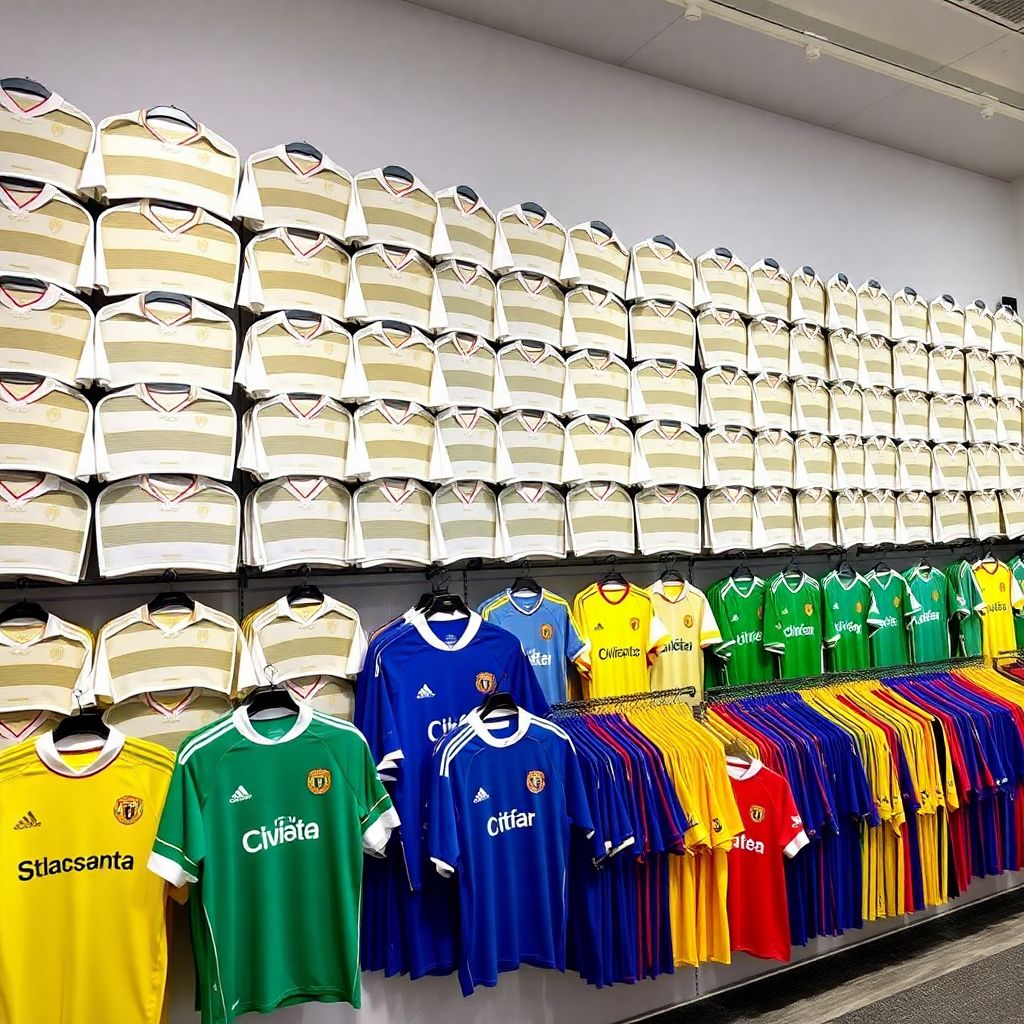
How big brands shape football aesthetics and erase local identity
Big sports brands shape football aesthetics by standardising shirt designs, colour templates and boot models across clubs and leagues. This strengthens global recognition and merchandising power but often dilutes local identity, historic symbols and community stories that once made a club visually unique, from its crest and stripes to its grassroots-inspired colours. Core arguments at…
-
Football and politics: from authoritarian propaganda to todays social struggles
Football and politics intersect when governments, movements or companies use the sport to shape public opinion, identity and power. Authoritarian regimes tend to centralise and control football for propaganda with high short‑term impact but high risks. Contemporary social struggles use more decentralised, digital and fan‑driven tactics, easier to start but harder to coordinate and sustain….
-
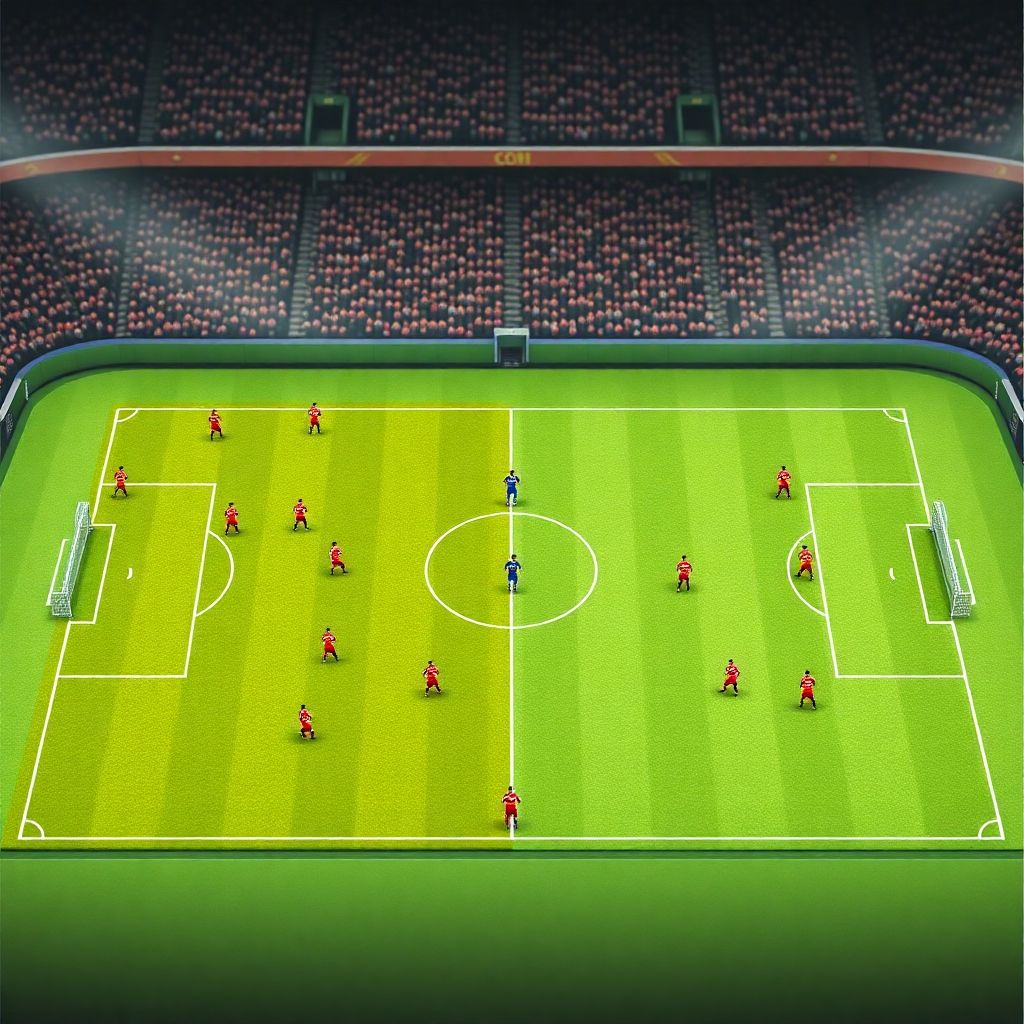
Tiki-taka, catenaccio and gegenpressing as football tactics and life philosophies
Tiki-taka, catenaccio and gegenpressing are three compatible but contrasting game philosophies: tiki-taka maximises control through possession, catenaccio minimises risk through compact defence, and gegenpressing maximises chaos in your favour through pressure after loss. The best option depends on your squad’s technical level, physical capacity, competitive context and club culture in Spain. Foundational doctrines of tiki‑taka,…
-
The commodification of football: can we love the game and question the industry?
Loving football while criticising its commercialization is not only possible, it is necessary to protect the game’s culture. You can enjoy goals, tactics and rituals while opposing exploitative ownership, manipulative marketing and exclusionary pricing. The key is separating emotional attachment to the sport from clear-eyed analysis of the industry around it. Core arguments at a…
-
Historical memory of football: matches, goals and tragedies that defined eras
Football’s historical memory is the shared way fans, media and institutions remember the matches, goals and tragedies that shaped the game. It filters billions of minutes of play into a handful of iconic nights, heroes and disasters, guiding how we talk about football today, teach its past and regulate its future. Pivotal Matches, Goals and…