Categoría: Filosofía del Fútbol
-
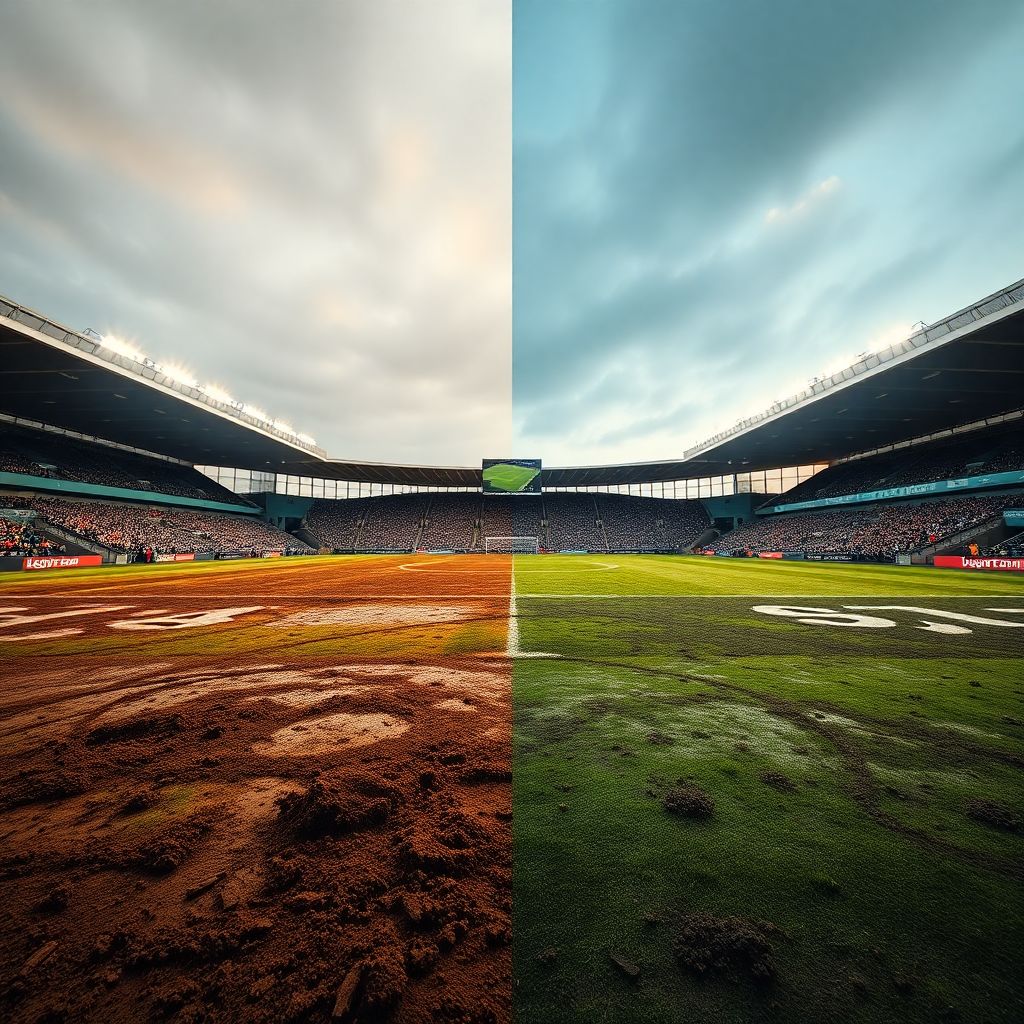
Romanticizing the past: was old football really more pure?
Nostalgia for a supposedly «purer» football usually mixes real differences (rules, money, media) with selective memory. Earlier eras had fewer cameras, slower pace and less commercial pressure, but also more violence, worse pitches and weaker player protection. Understanding context, evidence and how memory works helps avoid romanticising the past or unfairly dismissing today’s game. Central…
-
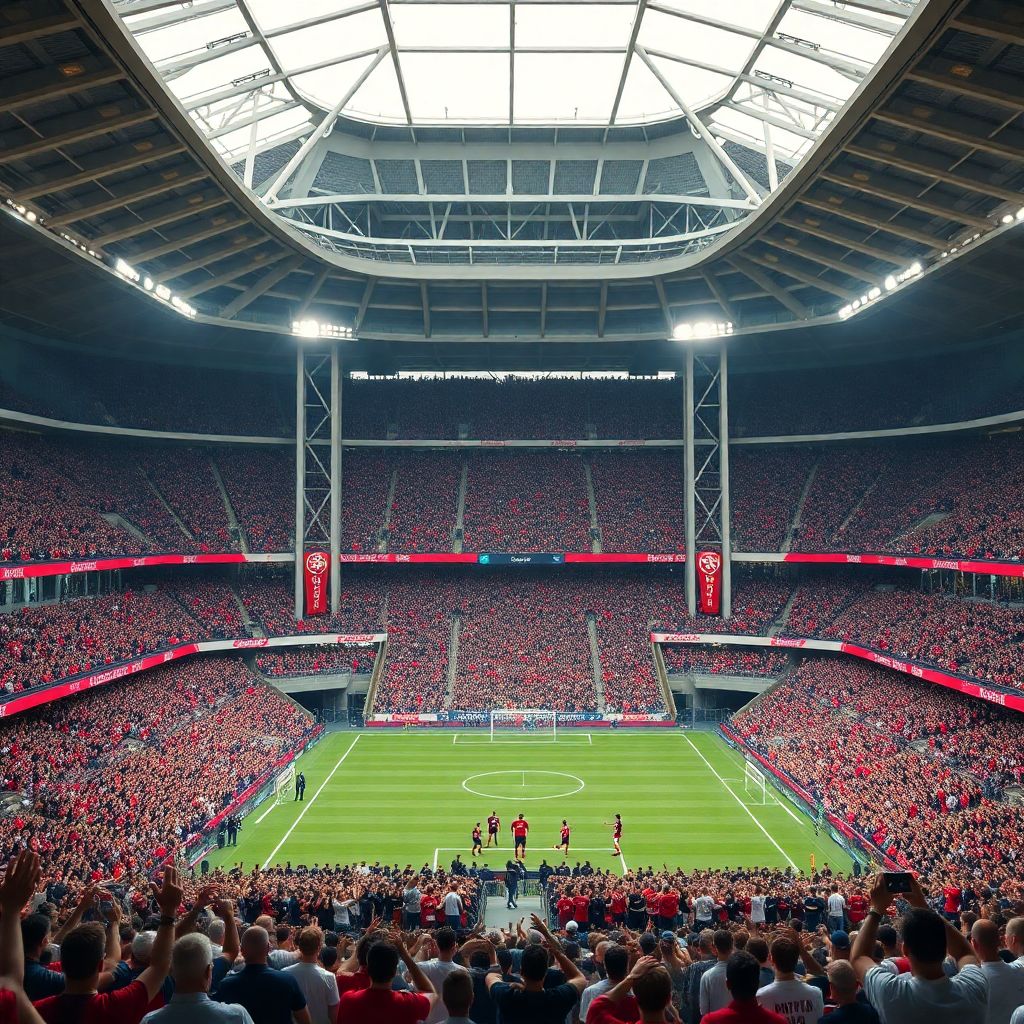
Stadium as ritual space: an anthropological view of fan experience
The football stadium functions as a contemporary ritual space where fans rehearse identity, belonging, and power through embodied practices: chants, movements, objects, and emotions. From an anthropological perspective, the hincha’s experience combines sacred time, symbolic architecture, and collective performance, making the matchday a structured rite rather than a simple entertainment event. Core Ritual Elements of…
-
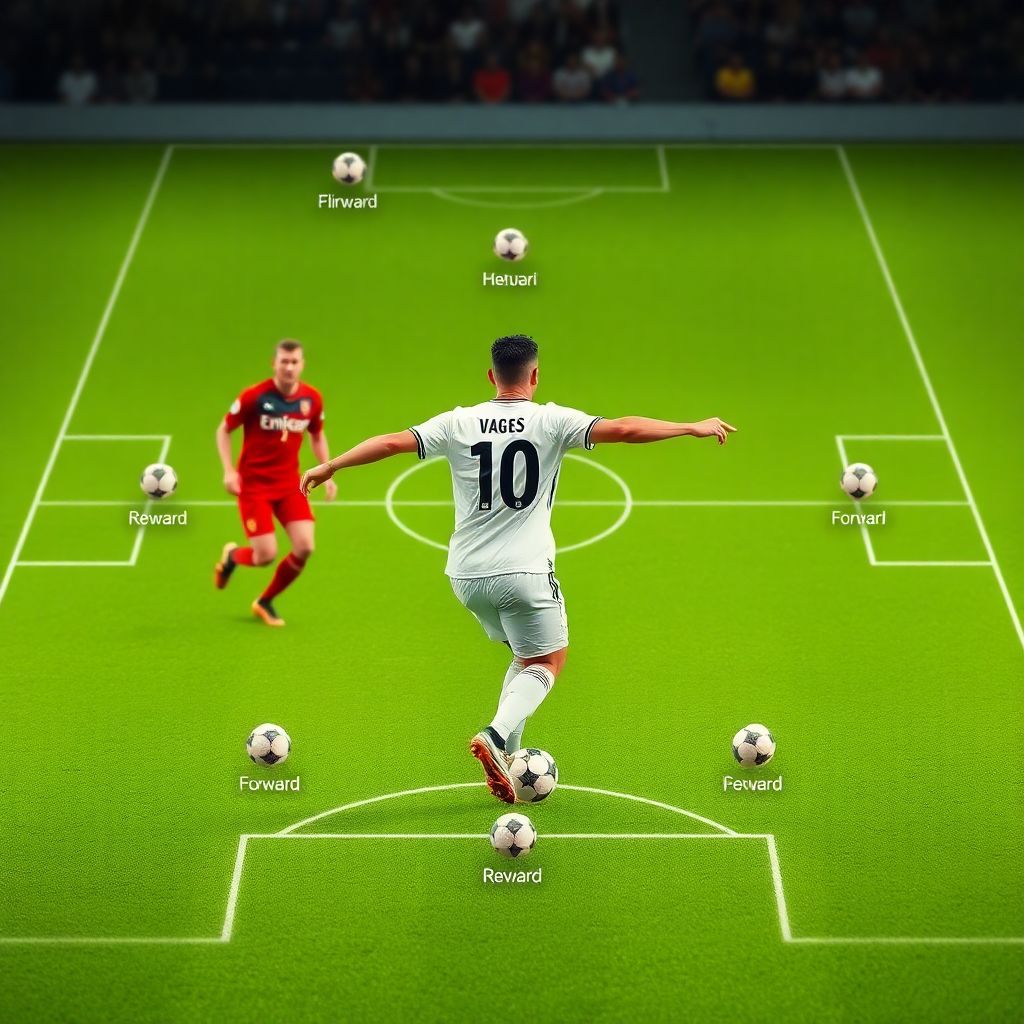
The number 10 in modern football: archetype, myth and decline of the creator
The football «10» is the creative playmaker positioned between midfield and attack, historically free from defensive duties but responsible for invention in the final third. In modern football, the pure 10 has declined, yet its archetype survives in hybrid roles: inverted wingers, attacking interiors, false 9s and multi-phase creators. Core propositions on the ’10’ archetype…
-

Data, algorithms and big data in football: is the coach’s intuition disappearing?
Data, algorithms and big data do not erase the coach’s intuition; they reshape when and how it is used. The most effective clubs in Spain combine structured information (tracking, event data, video, medical reports) with contextual knowledge of players and game models, giving coaches the final word while analysts optimise options and risk assessment. Core…
-

World cups and dictatorships: how authoritarian regimes used football as propaganda
Authoritarian regimes have repeatedly used World Cups and international football to project strength, normalise repression and influence foreign opinion. To study this safely, treat tournaments as political theatre: combine match footage, propaganda material, press archives and testimonies, and always contrast official narratives with independent and victim-centred sources. Concise analyst briefing View each World Cup as…
-
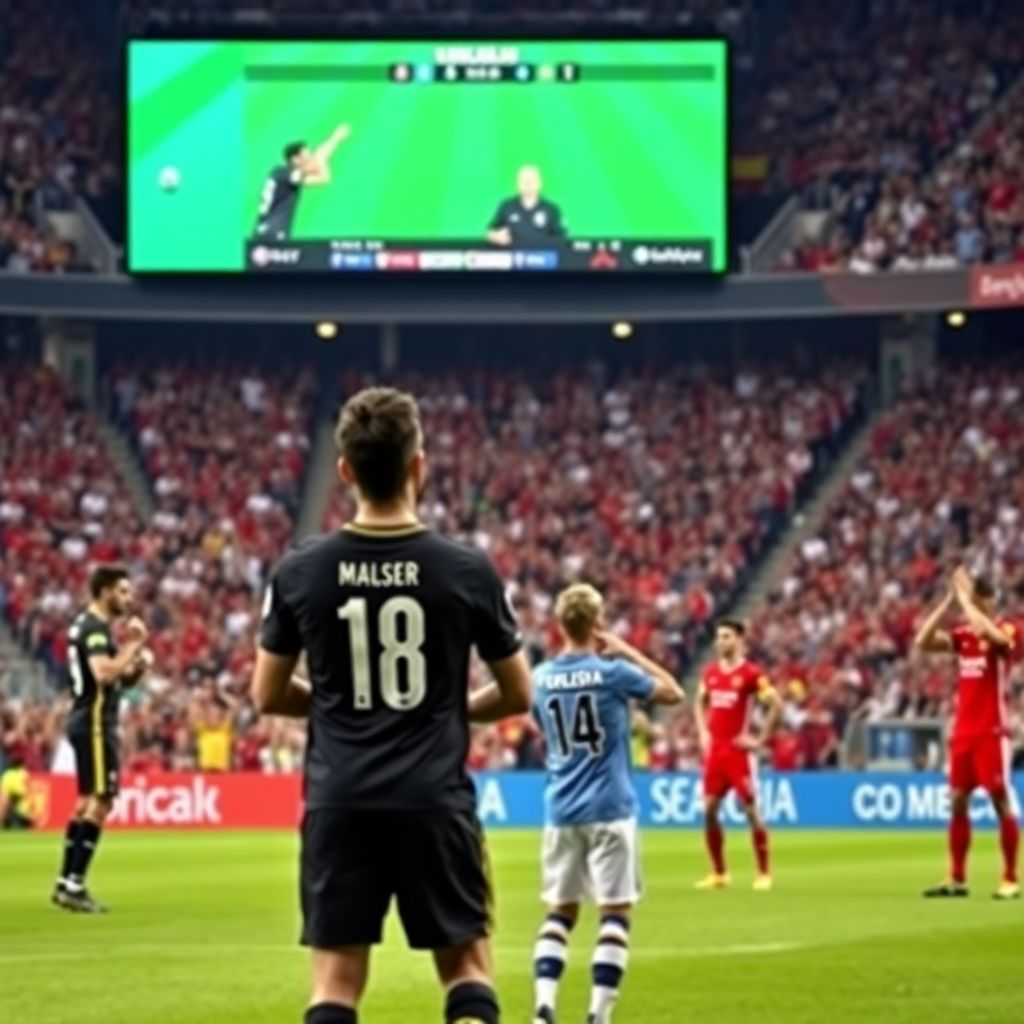
Var and the loss of romantic injustice: does video refereeing improve football?
VAR improves factual accuracy in key decisions but cannot remove controversy or emotion. It shifts part of the drama from spontaneous referee error to delayed, technology‑mediated judgment. Used well, it protects sporting integrity; used badly, it slows play and feels dehumanising for players and fans in Spain and beyond. Concise assessment of VAR’s effects VAR…
-
World cups as a geopolitical stage: soft power, nation branding and sportswashing
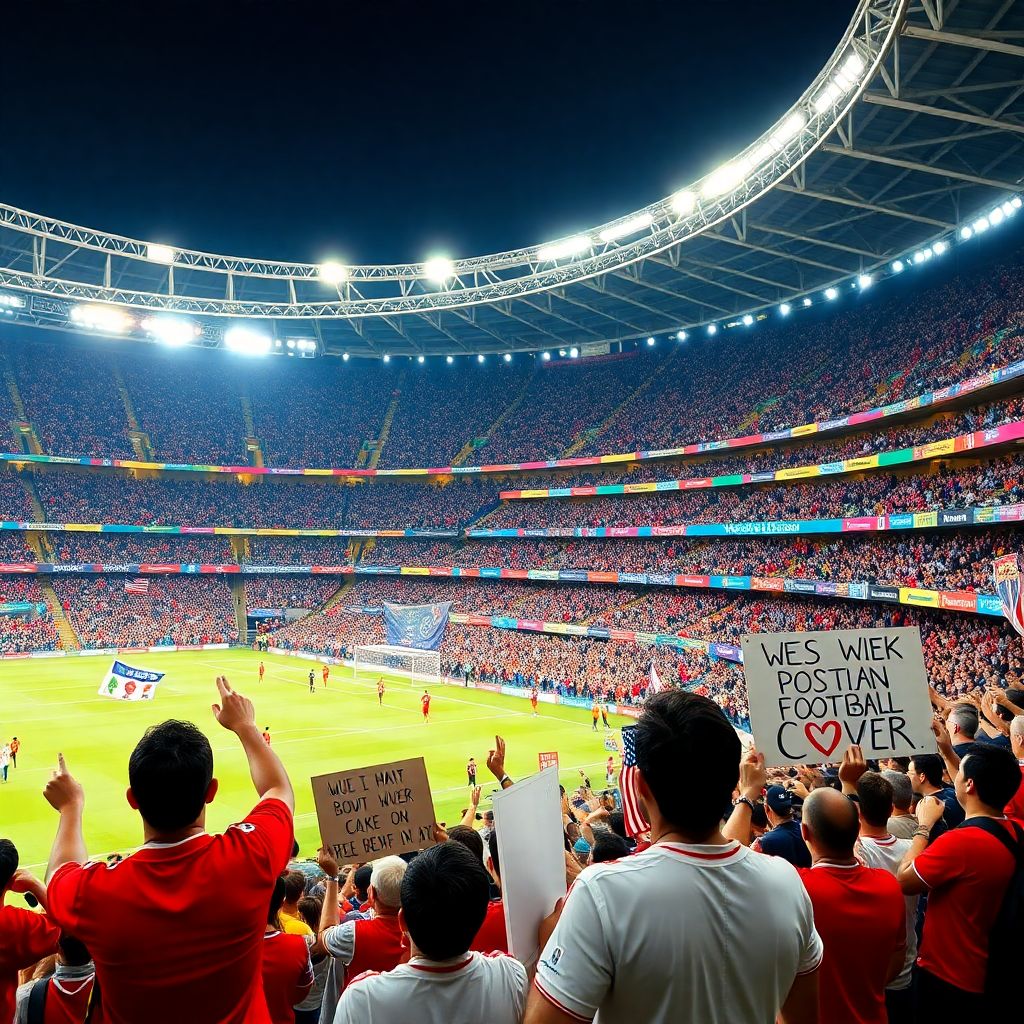
World Cups are not only football tournaments but strategic stages in the geopolítica del deporte mundial. Host states use them as soft power tools to shape imagen país y eventos deportivos, attract investment and tourists, and, at times, engage in sportswashing to distract from rights abuses or political conflicts. Executive primer: soft power, image and…
-
Commodification of youth talent: academies, agents and child prodigies
Youth-talent commodification is the process by which children’s abilities in sport, music or STEM are turned into market products through academies, representatives and competitions. To navigate it safely, treat your child first as a person, then as a project: audit offers, cap time and money invested, and demand transparency in contracts and workloads. Foundations: how…
-
Gender and football: understanding resistance to womens football as a cultural phenomenon
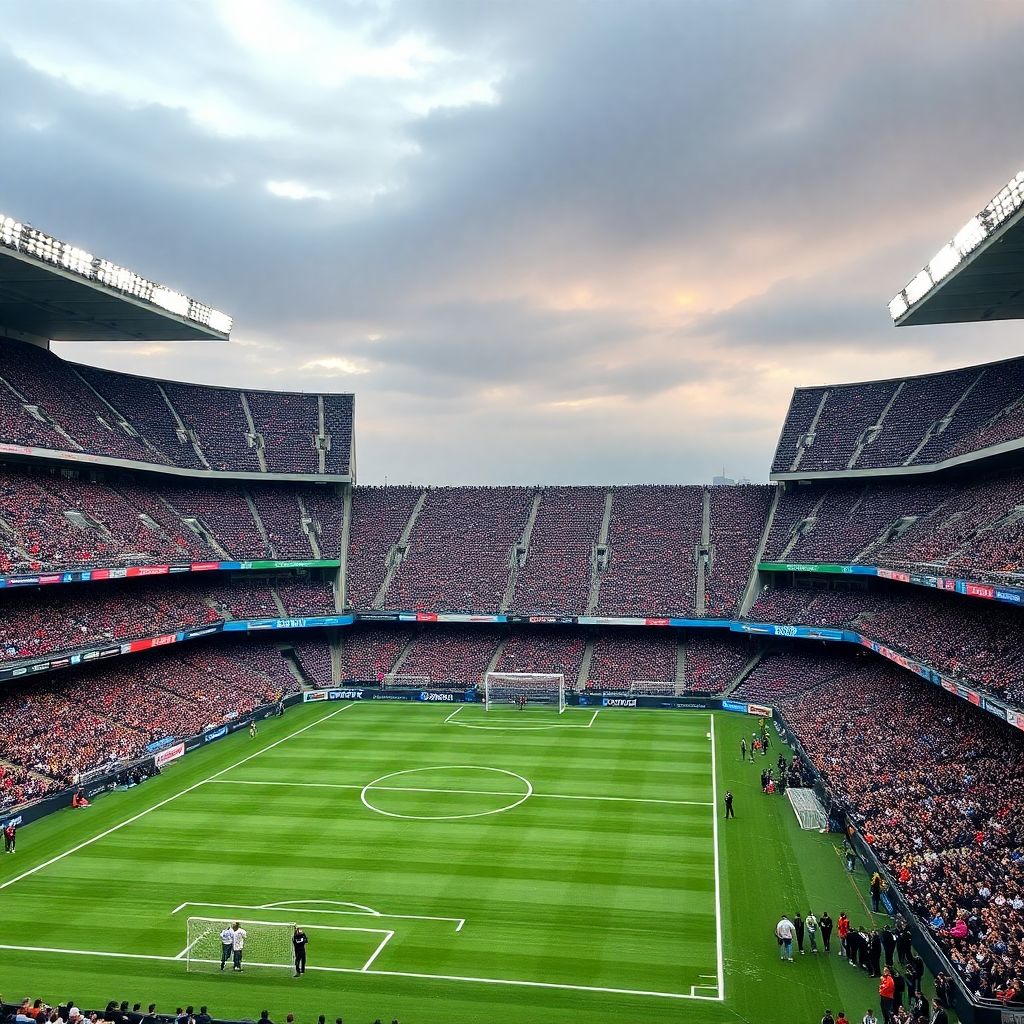
Gendered resistance to women’s football is the set of cultural attitudes, practices and structures that devalue, block or slow the development of the women’s game compared with men’s football. It appears in media coverage, funding, governance and everyday fan behaviour, and must be understood historically to design effective change strategies. Core Concepts: Gendered Resistance in…
-
The coach‑philosopher role from sacchi and cruyff to guardiola and bielsa
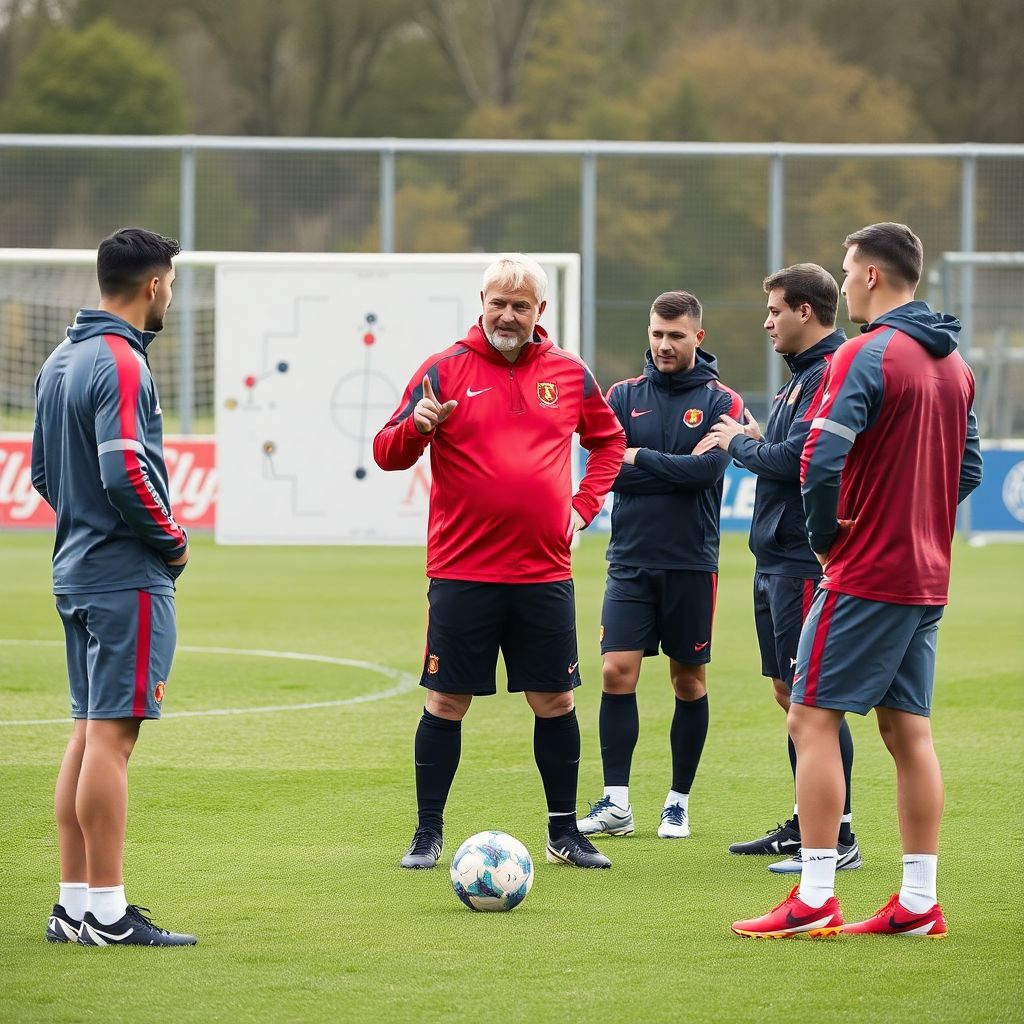
The coach-as-philosopher is not a guru speaking in slogans, but a trainer who links clear ideas about the game with daily training, selection and feedback. From Sacchi and Cruyff to Guardiola and Bielsa, the role means turning principles into repeatable behaviours, then checking if performance, learning and identity actually change. Debunking myths about the coach-as-philosopher…