Categoría: El Juego Comercial
-

Failure as a teacher: the philosophy of losing in a sport obsessed with winning
Loss in sport is a structured learning signal, not just a negative result. It exposes technical gaps, mental habits and tactical decisions that winning can easily hide. A healthy philosophy of losing treats each defeat as data, within clear emotional and physical safety limits, guided reflection and long‑term athletic development. Core Lessons Loss Teaches Athletes…
-
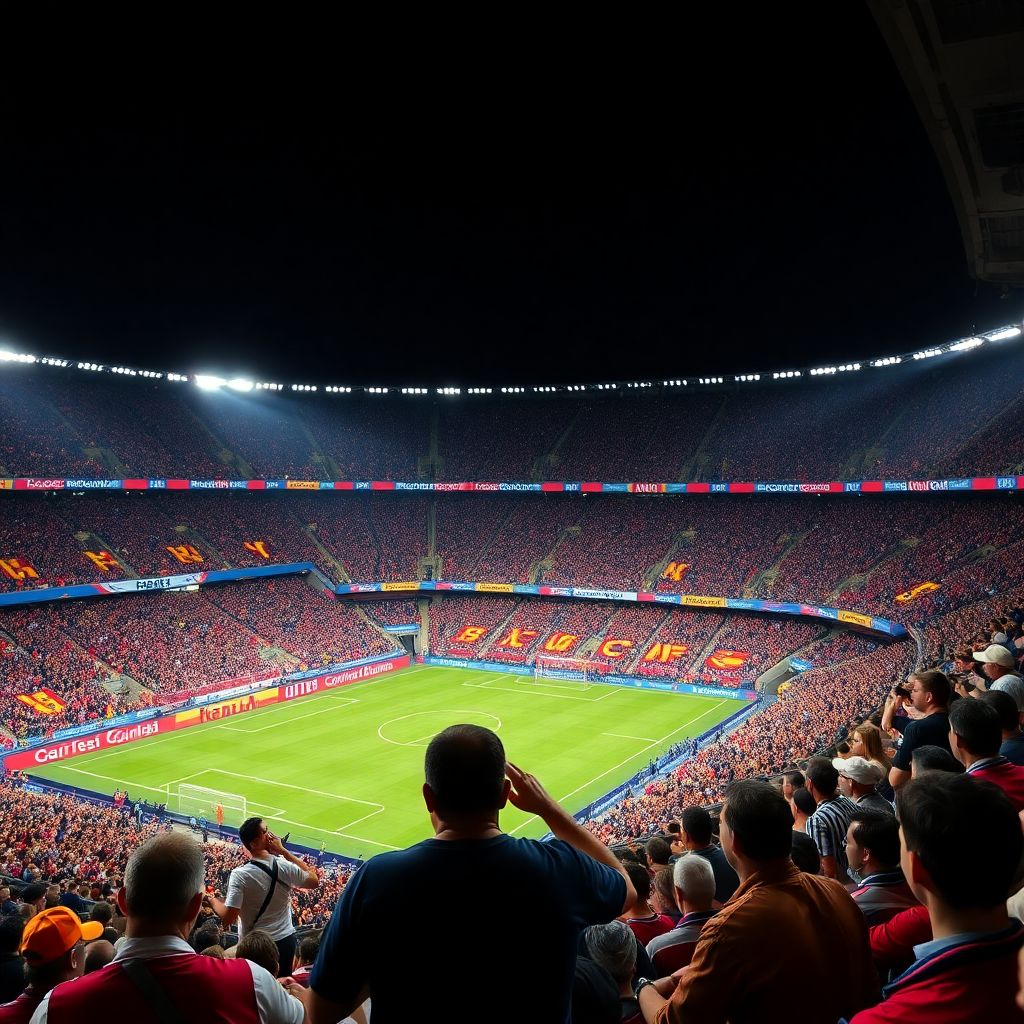
Football as a civil religion: rituals, idols, heresies and terrace dogmas
Football as a civil religion means that clubs, stadiums and matchdays work like a secular faith: fans share rituals, dogmas, sacred spaces, saints and even heresies. Understanding chants, tifos, idols and rivalries through this lens helps explain why football in Spain and beyond feels moral, emotional and almost sacred. Foundational Concepts of Football as a…
-
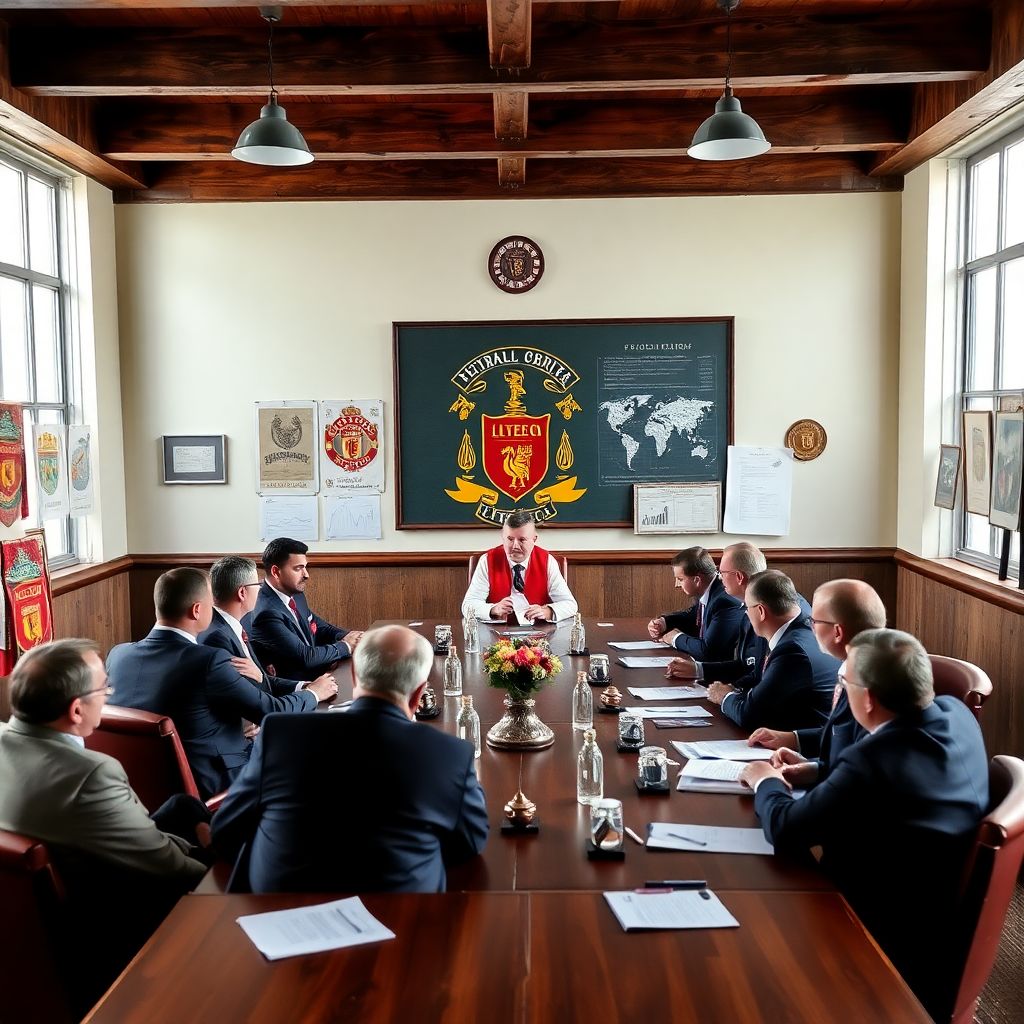
From local clubs to global brands: how marketing reshaped team identities
Turning a local club into a global brand means treating it as a long-term cultural asset, not just a team that plays matches. The safest path is to clarify identity, protect heritage symbols, professionalise marketing, and test new revenue models gradually, always measuring fan sentiment and commercial impact. Core identity shifts driving club-to-brand evolution Clubs…
-
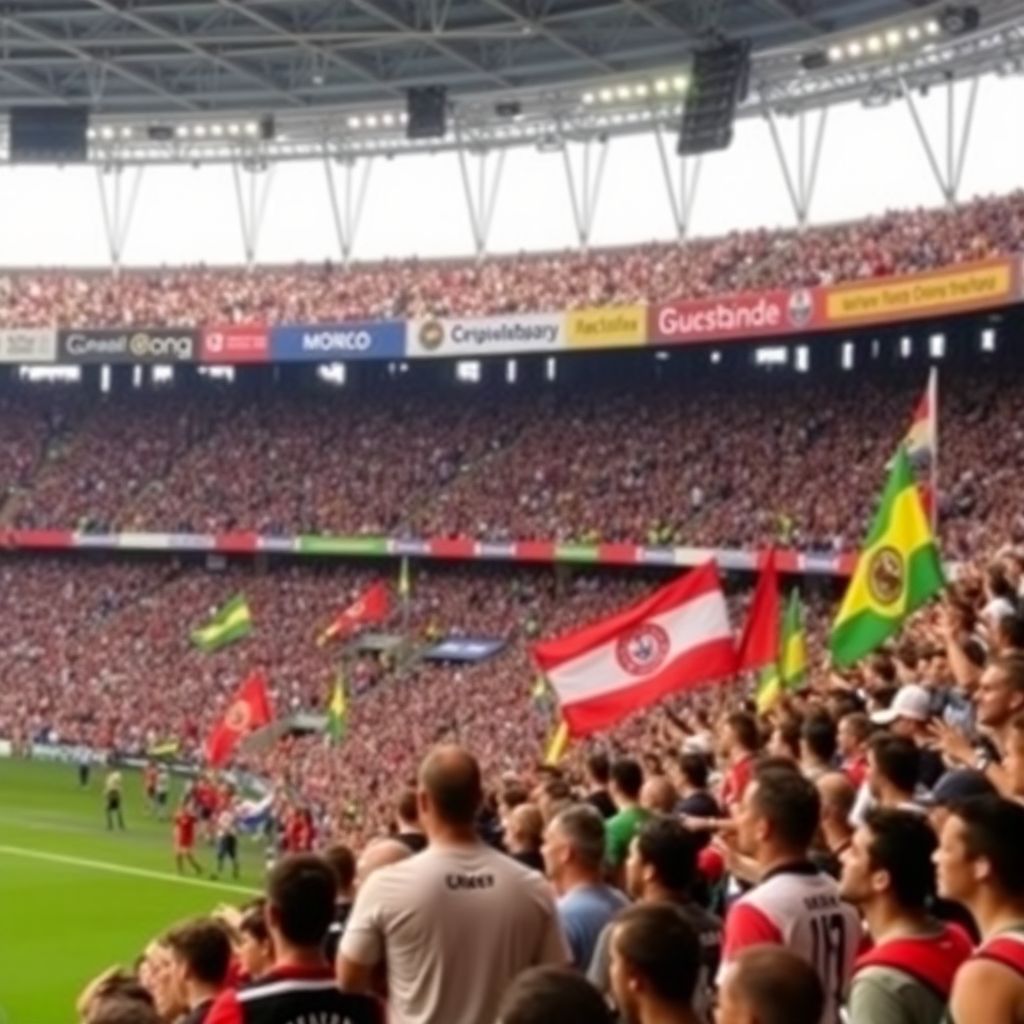
Football as a mirror of society: what the game reveals about our shared values
If you look at football as a mirror of society, you see how power, inequality, identity and values play out in public. If you analyse games, clubs and fan cultures with that lens, then you can read deeper patterns of class, race, gender, nationalism and commercial pressure. What This Analysis Highlights If you treat football…
-
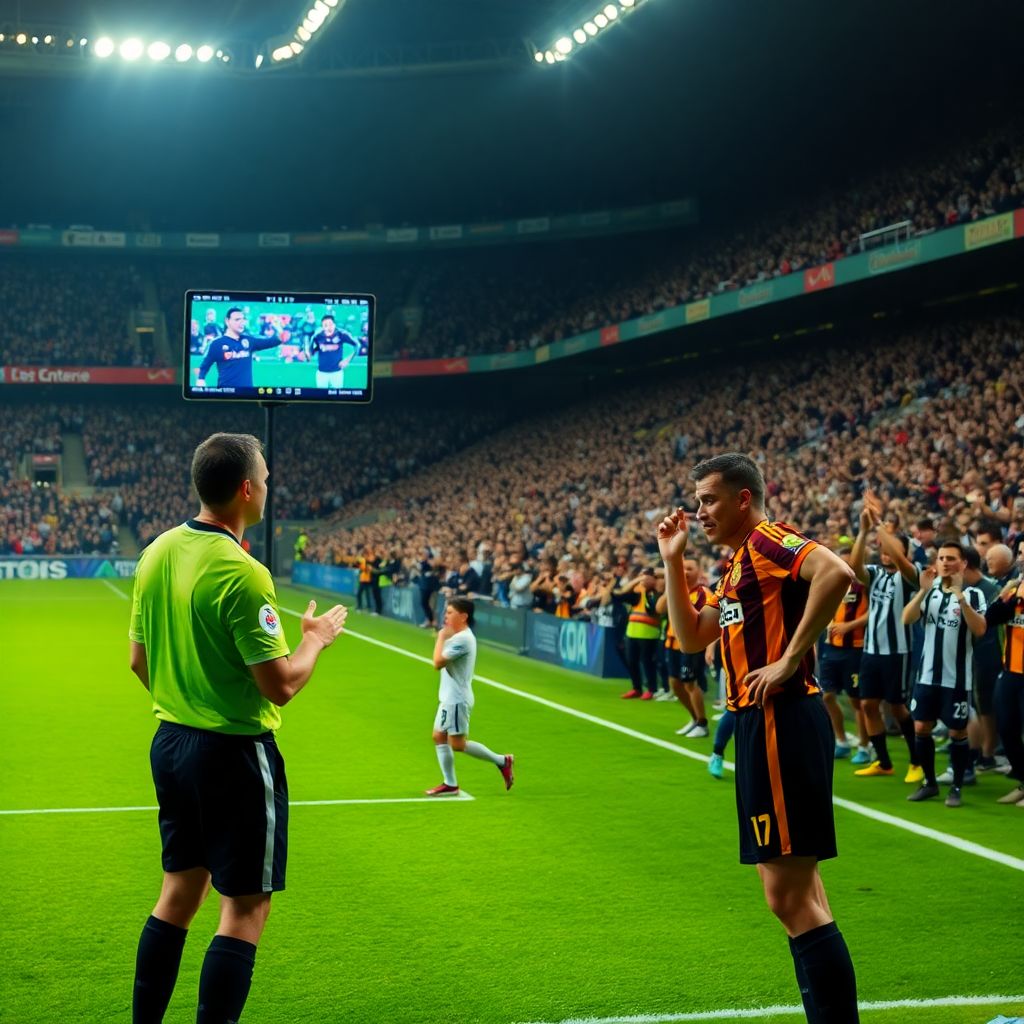
Var and the death of controversy: technological justice versus football’s essence
VAR is a video assistance system that supports referees on clear and significant errors, without replacing on‑field authority. It reduces some injustices but cannot eliminate controversy, because football’s essence includes interpretation, rhythm and emotion. The real debate is how much technological justice we accept before the game stops feeling like football. Verdicts of VAR: concise…
-

Catenaccio, tiki-taka and gegenpressing as football ideologies compared
Catenaccio, tiki-taka and gegenpressing are not just tactical systems but football ideologies: three distinct answers to how a team should defend, attack and control space. Understanding their historical roots, key principles and player profiles helps coaches combine them, counter them and adapt ideas even with limited resources in Spanish contexts. Core tactical principles at a…
-
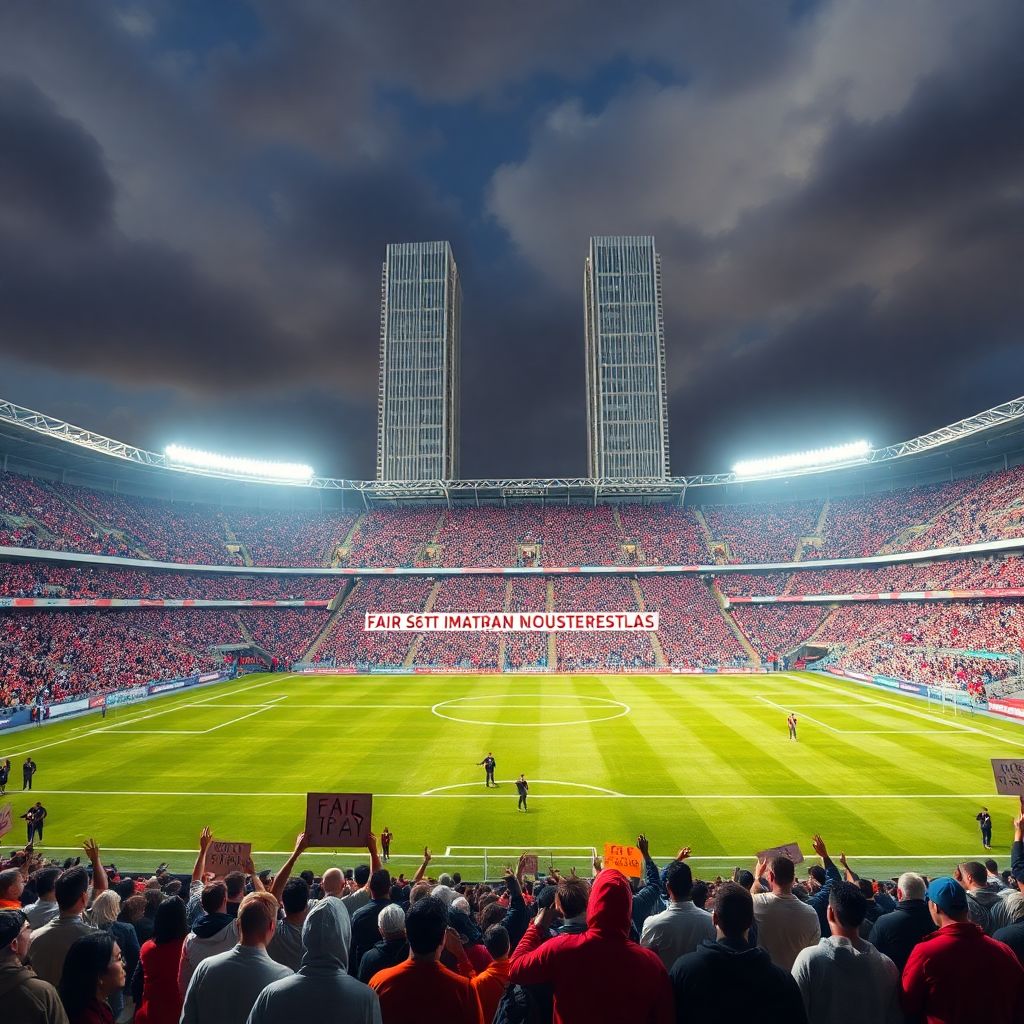
Can football stay popular in a market dominated by financial giants today?
Football can stay popular in a market dominated by financial giants if three conditions hold: regulated competitive balance, protected grassroots pathways, and fair media exposure. The biggest risk is not money itself, but unchecked concentration of power. Fast countermeasures: smarter regulation, transparency, solidarity mechanisms, and fan-influenced governance. Concise verdicts on whether football can stay popular…
-
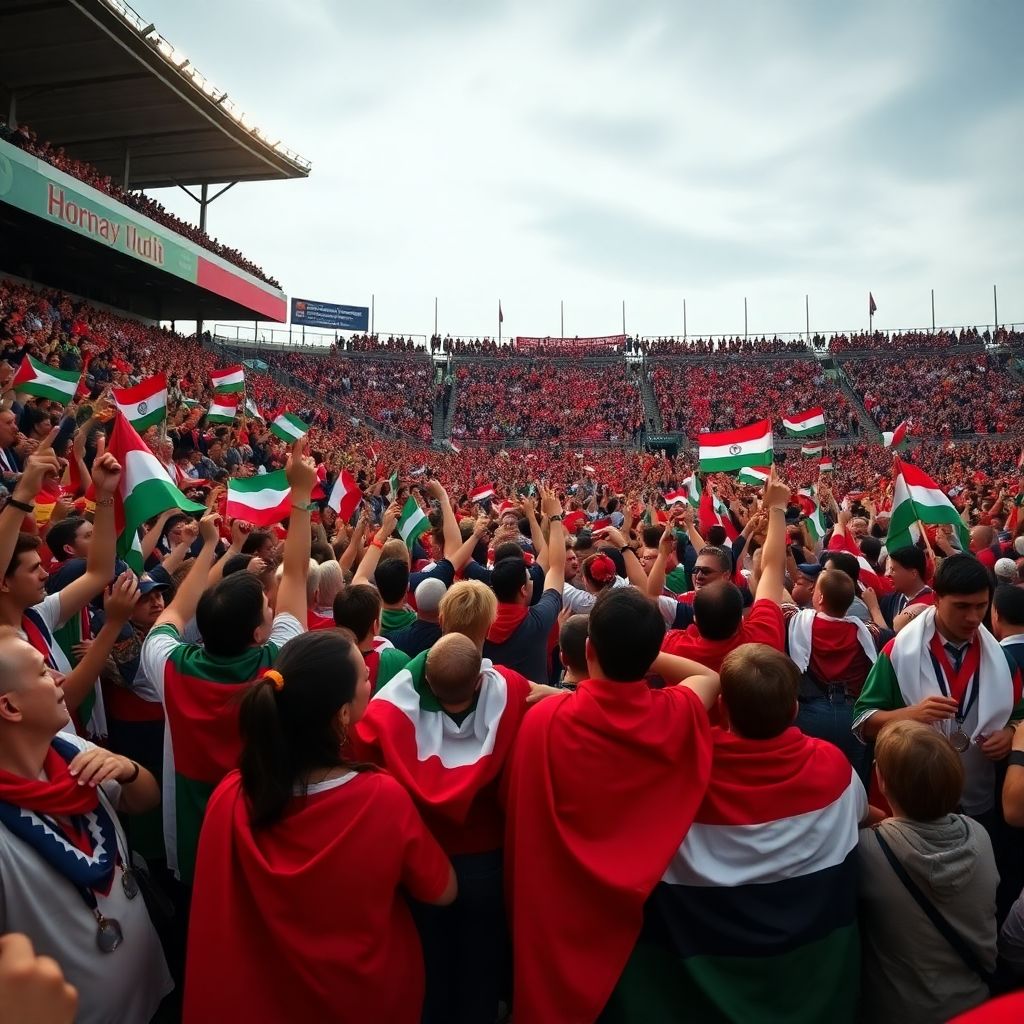
Impact of football on national identity formation in modern societies
Football shapes national identities by providing shared rituals, symbols and narratives that make the nation feel emotionally real. If people watch, chant and remember matches together, then they learn who is inside or outside the imagined community. If institutions politicise football, then these identities become sharper, sometimes exclusionary. Core claims about football’s role in shaping…
-
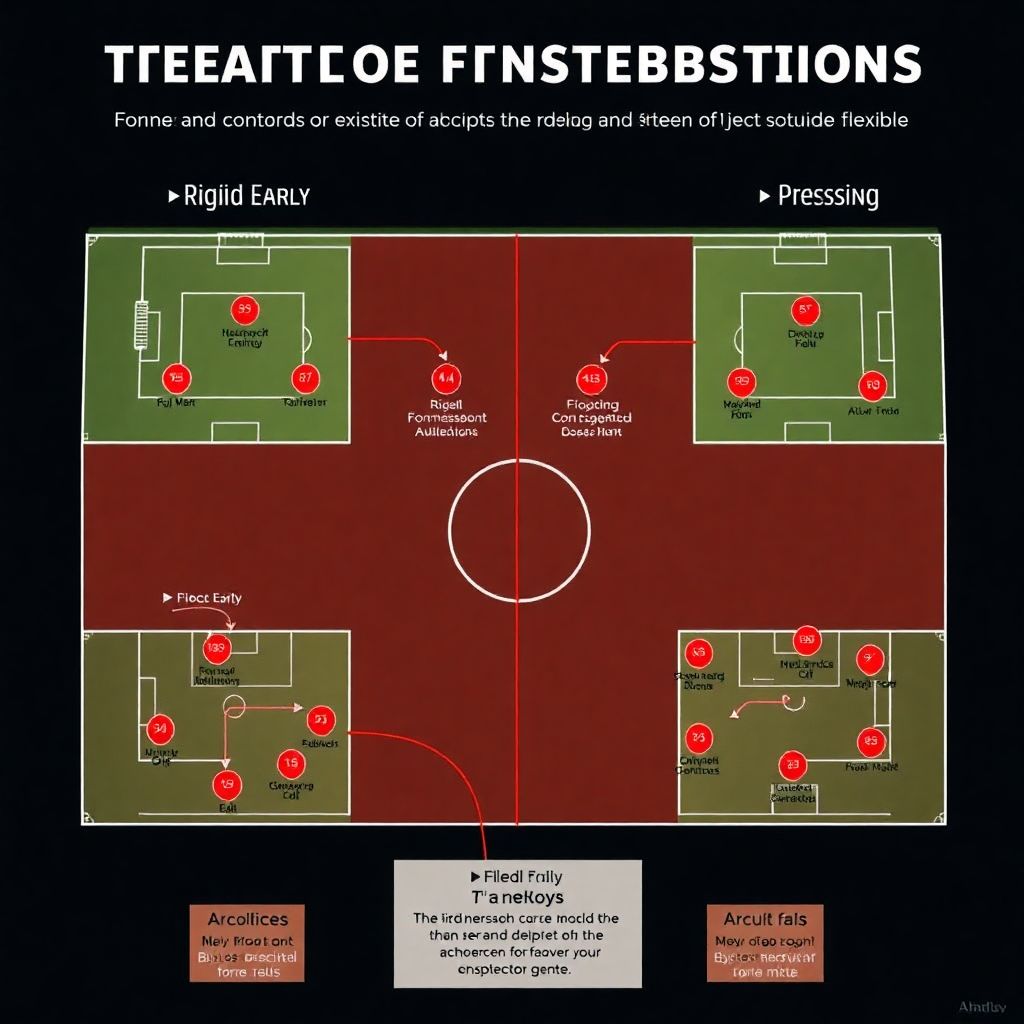
Historical evolution of football formations from 2-3-5 to the false nine
The historical evolution of football formations, from 2-3-5 to the false nine, is a shift from man-to-man duels and wing-focused attacks toward zonal defending, pressing and flexible roles. Understanding this path clarifies why modern systems look fluid, how to train them, and how to adapt with limited resources. Milestones in tactical evolution Early 2-3-5 prioritised…
-
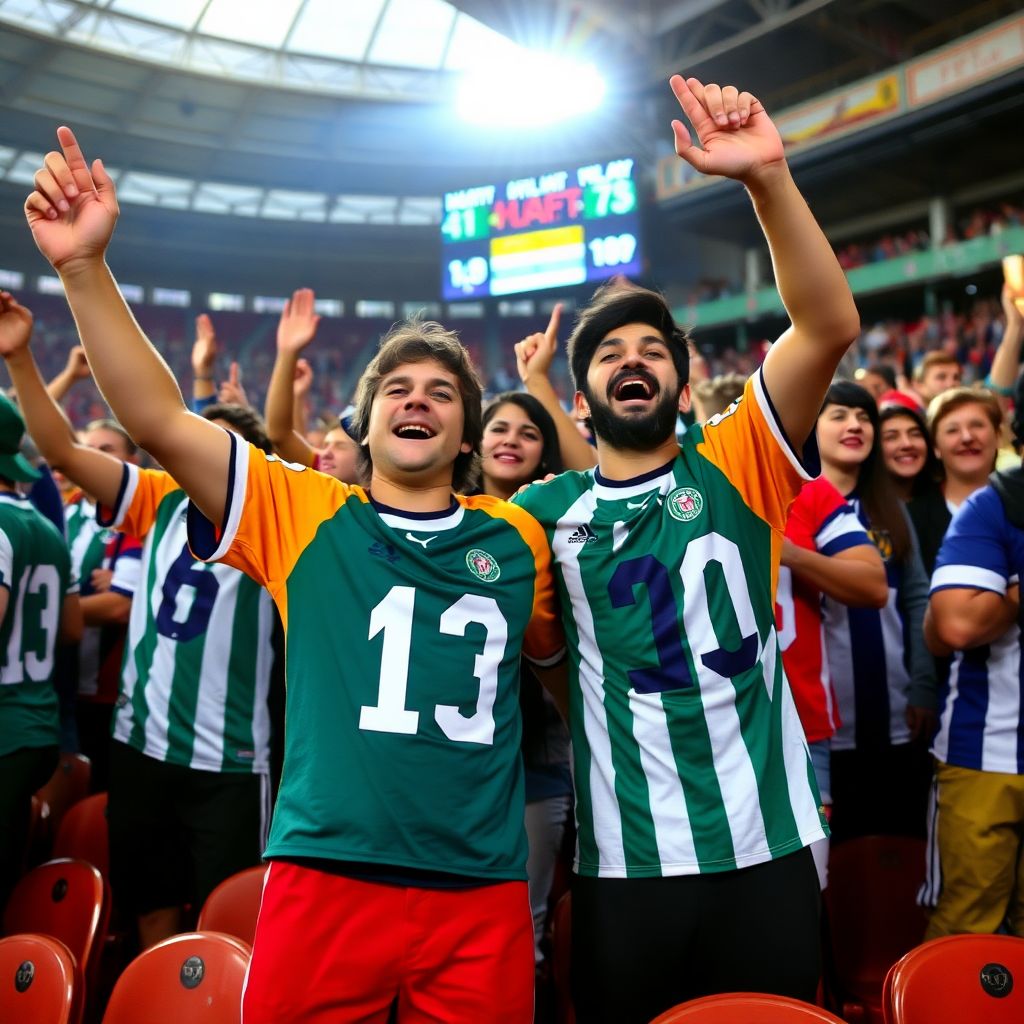
Philosophy of the fan: what it means to love a club that never wins
Loving a club that almost never wins means treating football less as entertainment and more as a long-term life commitment. The value comes from identity, relationships and stories, not from trophies. Instead of asking only about results, you ask how this bond shapes your character, community ties and everyday joy. Core premises of supporting a…