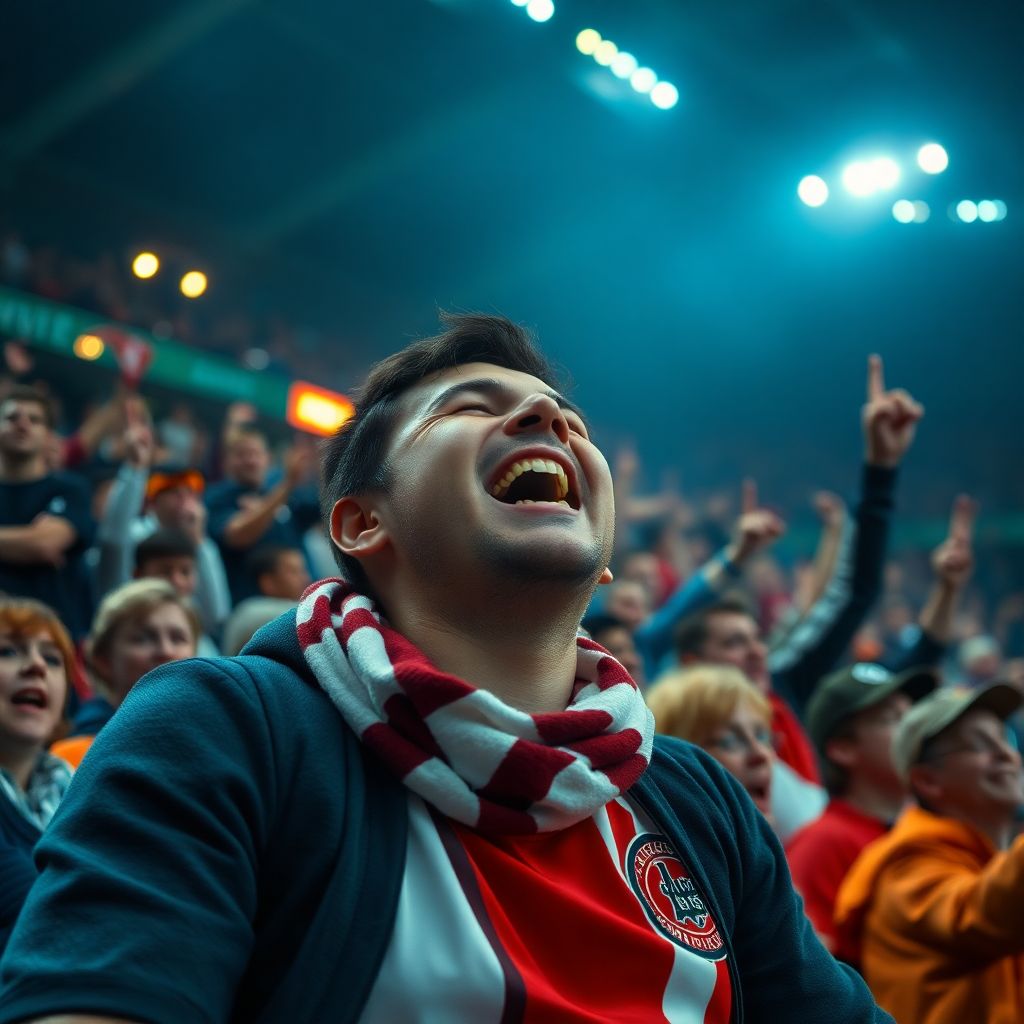
The fan paradox describes why supporters willingly suffer for their club: identity, social belonging and brain reward systems transform uncertainty and pain into meaning. The more you invest time, money and emotion, the harder it is to detach. Understanding these mechanisms helps enjoy passion without letting it quietly damage mental health, finances or relationships.
Core hypothesis: why fandom embraces voluntary suffering
- Support for a club becomes part of personal identity, so defeats feel like threats to the self, not just bad results.
- Intermittent rewards (rare big wins) make fans overestimate future joy and underestimate accumulated stress.
- Social pressure and belonging keep people buying entradas fútbol club [nombre del equipo] even when they already feel burned out.
- Shared suffering signals loyalty, boosting reputation inside the group despite clear emotional costs.
- Narratives of sacrifice («we never abandon the team») justify overcommitting money and time.
- Clubs, media and betting brands are economically incentivised to maintain high emotional activation, not fan balance.
- Simple preventive rules (money limits, emotional boundaries, recovery rituals) sharply reduce the downsides without killing the passion.
Psychology of attachment: identity, belonging and emotional investment
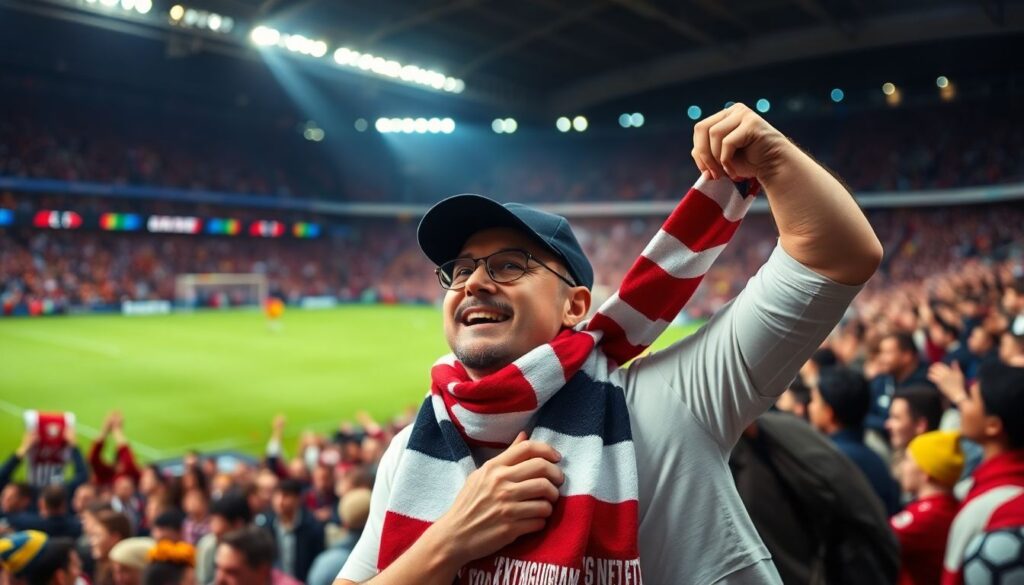
The paradox of the hincha starts when the club stops being an external entertainment source and becomes part of who you are. The sentence «we won» or «we lost» reveals this fusion between personal identity and team performance. From there, every match becomes an implicit evaluation of your symbolic tribe.
Belonging amplifies it. Family traditions, friends, and local culture turn the crest and colours into a social passport. When you buy camisetas oficiales club de fútbol comprar online or proudly wear a scarf at work, you are not just expressing taste; you are publicly confirming membership in a community with expectations about loyalty.
Emotional investment grows with repeated actions: buying season tickets, organising viajes para ver partidos de fútbol en Europa, endless discussions in group chats. The more you put in, the more loss you anticipate if you distance yourself. This is why fans often endure toxic matchday experiences instead of stepping back.
To prevent this attachment from becoming a trap, define soft borders: 1) write down two or three non‑negotiables (sleep, family events, work obligations) that football cannot override, and 2) set a yearly budget for fandom (tickets, travel, streaming, even the occasional bet in las mejores casas de apuestas para apostar a mi equipo de fútbol) and stick to it like any other bill.
Neurobiology of anticipation, loss aversion and reward circuits
- Anticipation dopamine spikes. Days checking line‑ups, rumours and injury news activate reward circuits before the match even starts. This is why simply planning to buy entradas fútbol club [nombre del equipo] can feel exciting, regardless of the eventual result.
- Intermittent reinforcement. Most weeks bring mediocre or bad results, but the occasional unforgettable victory massively activates reward pathways. The brain overvalues these highs, which keeps you hooked even if the overall emotional balance is negative.
- Loss aversion. Defeats hurt more than victories please. This makes fans replay mistakes in their heads, prolonging stress hormones after matches and consolidating the memory of suffering instead of learning to release it.
- Social synchrony. Celebrating or suffering in a crowd synchronises emotion and physiology (chants, coordinated movement). The body encodes this as meaningful connection, which makes it hard to imagine watching alone with only a suscripción plataforma para ver fútbol en vivo online.
- Gambling loops. When fans mix emotional attachment with betting, especially via the mejores casas de apuestas para apostar a mi equipo de fútbol, the same reward circuits can reinforce risky behaviours: chasing losses, overconfidence in your club, and impulsive live bets.
- Rumination after stress. Persistent analysis of refereeing, tactics or bad luck keeps the stress system active, delaying emotional return to baseline and making football occupy more mental space than it deserves.
Social signaling: loyalty, reputation and group cohesion
In real fan culture, suffering is not just tolerated; it is often a badge of honour. People compare who went to more away games under the rain, who kept going to the stadium in the worst seasons, who never sold their abono. This invisible scoreboard shapes behaviour more than most fans admit.
Typical scenarios where signaling intensifies voluntary suffering include:
- Attendance expectations. In some peñas, missing a home match for non‑dramatic reasons is subtly punished. Fans go even when exhausted, sick or broke, because social consequences feel heavier than personal discomfort.
- Spending competitions. Friends brag about the latest limited shirt after yet another camisetas oficiales club de fútbol comprar online haul, or about how much they spent on viajes para ver partidos de fútbol en Europa. The implicit message: «I care more than you».
- Ultra‑loyalty narratives. Chants and banners glorify unconditional support: staying in the stadium at 0-4 down, clapping after humiliations, never booing. Anyone who leaves early or criticises the club hierarchy risks being labelled a fake fan.
- Betting bravado. Some groups frame betting on your own team in the mejores casas de apuestas para apostar a mi equipo de fútbol as proof of faith. Admitting you skipped a risky bet can feel like disloyalty, even when it is a healthy choice.
- Public identity online. On social media, constant posting about the club attracts likes from your tribe. Reducing involvement can feel like erasing part of your online identity, so you keep feeding the algorithm even when it drains you.
To protect yourself, consciously separate loyalty from self‑sacrifice on demand. A simple rule: loyalty is measured over seasons, not by any single gesture. Saying «no» to one away trip or one bet does not erase years of real support.
Illustrative journey into meaningful fan suffering
Before looking at pros and cons, it helps to see how the paradox of suffering appears concretely. Consider a supporter from Sevilla who travels midweek by bus to see a decisive match, after several bad months at work. The trip means missing sleep, spending money outside budget, and risking more disappointment.
Objectively, it looks irrational. Subjectively, the fan experiences it as a necessary pilgrimage: meeting lifelong friends, singing old songs, repeating lucky rituals in the bar next to the stadium. Even if the team loses, the story becomes: «We were there together», not «We made another bad decision». That reframing is the core of meaningful pain.
Rituals, narratives and the construction of meaningful pain
Rituals (pre‑match pubs, lucky shirts, fixed seats) and shared stories transform raw suffering into something that feels almost sacred. Without this symbolic layer, nobody would keep investing in a hobby that regularly ruins weekends. Narratives justify effort: «Real fans stay until the end», «This title will taste better because of all our past pain».
Used wisely, these structures make life richer. Used blindly, they push fans into avoidable harm: missing important family events for routine games, overspending on viajes para ver partidos de fútbol en Europa, or paying three overlapping suscripción plataforma para ver fútbol en vivo online services because «I can’t miss anything».
Benefits fans genuinely gain
- Stronger social bonds and friendships built over seasons of shared away trips and long nights debating line‑ups.
- A sense of continuity and tradition, especially when support is passed through generations in the same city or neighbourhood.
- Emotional intensity that contrasts with routine daily life, creating memorable peaks (even if rare) around big derbies and finals.
- Personal meaning: for many, the club becomes an anchor during difficult periods, giving structure to weeks and years.
- Opportunities to travel with purpose, planning viajes para ver partidos de fútbol en Europa that combine tourism with a sense of mission.
Limits and risks that require boundaries
- Emotional hangovers that damage work, studies or relationships after painful defeats or controversial refereeing decisions.
- Financial strain from impulsive purchase patterns: constant merch, extra tickets, long trips or betting losses attached to the team.
- Time displacement, where all weekends and evenings revolve around fixtures, leaving almost no energy for non‑football projects.
- Family tension when non‑fans feel chronically secondary to the club and its calendar.
- Psychological rigidity: refusing to admit that the club’s management, owners or culture may contradict your values.
To keep the benefits while limiting damage, turn rituals into conscious choices: decide in advance how many away games per season you will attend, how much you will spend on camisetas oficiales club de fútbol comprar online, and which competitions truly justify sleepless nights.
Structural and economic incentives that sustain long-term commitment
The paradox of the suffering fan is not only psychological; it is also sustained by structures that quietly reward your over‑commitment. Understanding common myths here helps you avoid predictable traps without needing to stop loving your club.
- «The club cares about my personal wellbeing.» Most professional clubs and leagues care about your continued engagement, not your stress levels. Expect marketing departments to push extra entradas fútbol club [nombre del equipo], more VIP packages and emotional campaigns during crisis periods. Protection strategy: assume all offers are designed to maximise revenue, not your balance.
- «More access always equals more happiness.» Multiple suscripción plataforma para ver fútbol en vivo online services, constant notifications and 24/7 talk shows create the illusion of closeness. In practice, this often increases anxiety and outrage. Protection strategy: set specific time windows for football content and mute the rest.
- «If I do not spend, the club will suffer.» Fans often buy unnecessary gear or extra tickets out of guilt. In reality, your individual purchase rarely decides anything critical. Protection strategy: support through actions aligned with your situation (for example, volunteering in grassroots initiatives) instead of reflex buying.
- «Betting adds harmless excitement.» Combining emotional bias with money is structurally profitable for betting companies, especially when you feel you «know» your team. Protection strategy: if you bet at all, use a separate, tiny monthly budget and never chase losses, no matter what odds mejores casas de apuestas para apostar a mi equipo de fútbol offer.
- «Real fans never switch off.» Media algorithms reward constant engagement. Outrage about referees or transfers brings clicks; your calm detachment does not. Protection strategy: remember that taking a break for a few weeks does not reduce your historical loyalty.
Practical coping: how fans mitigate distress and derive value
Imagine Marta, a lifelong fan in Madrid. After several seasons of late‑night kick‑offs, heavy use of suscripción plataforma para ver fútbol en vivo online, and spontaneous bets placed through las mejores casas de apuestas para apostar a mi equipo de fútbol, she notices three problems: Sunday anxiety, arguments at home, and a permanent hole in her bank account around spring.
She decides to treat fandom like any intense hobby, not a religion. She writes a short «support plan»:
season_budget = 600   # for tickets, travel, merch, small bets
max_matches_per_week = 2
no_football_on = ["anniversaries", "kids' events", "big work days"]

if important_family_event:
    skip_match()      # watch highlights later
if budget_spent >= season_budget:
    block_pay_apps()  # no more tickets/bets this season
after_heavy_defeat:
    walk_30_min()     # physical reset before social media
In practice, this means she buys entradas fútbol club [nombre del equipo] only for selected fixtures, picks one or two viajes para ver partidos de fútbol en Europa with friends instead of many improvised ones, and limits spontaneous camisetas oficiales club de fútbol comprar online purchases. She still suffers and celebrates, but the suffering is contained inside clear borders.
Practical clarifications supporters commonly seek
Is it unhealthy to let a defeat ruin my whole weekend?
Occasional heavy disappointment is normal, but if every loss kills your mood for days, the cost is too high. Set a «cooling window» (for example, one evening) after which football talk and social media about the match are off‑limits.
How can I enjoy away trips without going broke or burned out?
Decide in advance how many viajes para ver partidos de fútbol en Europa or domestic away days you can afford per season. Book early, share costs with friends, and keep a non‑negotiable savings buffer unrelated to football.
Are betting and fandom always a bad combination?
They are a risky mix because emotional bias distorts judgement. If you choose to use mejores casas de apuestas para apostar a mi equipo de fútbol, separate a small, fixed budget, avoid live bets, and never stake money when you are angry or drunk after a match.
Why do I feel guilty if I skip one match or do not buy the new shirt?
Group norms often equate spending and constant presence with loyalty. Remember that long‑term support is not measured by one missed game or one skipped camisetas oficiales club de fútbol comprar online purchase; it is measured over years of honest engagement.
Is watching from home with a streaming subscription less «real» than going to the stadium?
No. A suscripción plataforma para ver fútbol en vivo online is simply a different mode of support. Choose the mix of live attendance and home viewing that fits your energy, budget and family situation, instead of chasing an idealised image of the «perfect» fan.
How do I talk to my family if they think I care more about the club than them?
Acknowledge their perception without defence, then propose concrete changes: schedule protected family time without matches, reduce notifications during key moments, and agree on a few days per year when football takes clear second place.
What is a simple first step to reduce stress without losing passion?
Pick one boundary: for example, no football content after midnight, or no social media discussions after defeats. Maintain it for a month and observe how your mood and relationships respond before adding more changes.