VAR in football is ethically acceptable when it is narrowly focused on clear, match‑changing errors, implemented with strict transparency, and designed to minimise interruptions. Used this way, it improves fairness without destroying the essence of the game, balancing the ventajas y desventajas del VAR en el fútbol profesional across different competitions.
Core ethical dilemmas introduced by VAR
- Tension between higher accuracy and the natural flow, emotion and spontaneity that define the essence of football.
- Shift of authority from the on‑field referee to a semi‑anonymous team in the video room.
- Opacity of cómo funciona el VAR en el fútbol reglamento y protocolo oficial for fans and players inside the stadium.
- impacto del VAR en la justicia arbitral y resultados de partidos when technology is unevenly available across leagues.
- controversias del VAR en la liga española y competiciones europeas that reveal possible biases in angle selection and line drawing.
- Different opiniones de expertos sobre el VAR y la esencia del fútbol moderno, from «necessary evolution» to «distortion of the game».
Shifting authority: how VAR redefines the referee’s role
Choosing how far VAR should replace or support on‑field authority depends on several ethical and practical criteria:
- Scope of intervention: Limit VAR to objective, match‑changing incidents (goals, penalties, direct reds, mistaken identity) or expand to broader foul detection.
- Decision ownership: Decide whether the final decision always belongs to the referee after an on‑field review, or whether the VAR room can effectively overrule.
- Perception of neutrality: Evaluate how visible the process is to players and fans, especially in leagues with intense controversies del VAR en la liga española y competiciones europeas.
- Consistency over time: Consider how stable the interpretation will be across seasons and tournaments, to avoid shifting standards that erode trust.
- Referee authority on the pitch: Protect the capacity of the referee to manage game temperature, fouls in midfield and dissent without constantly «waiting for VAR».
- Psychological pressure: Assess how permanent video oversight affects willingness to make courageous, unpopular but correct decisions.
- Accountability mechanisms: Define who explains controversial decisions publicly and how mistakes are acknowledged and corrected.
- Training and professionalism: Ensure that both on‑field referees and VAR officials follow the same interpretative guidelines and fitness standards.
Accuracy versus match flow: time, interruptions and sporting integrity
The table below compares three policy options that balance justice and game flow differently.
| Variant | Best suited for | Advantages | Drawbacks | When to choose |
|---|---|---|---|---|
| Full VAR on all reviewable incidents | Top professional leagues with strong broadcast infrastructure and high tolerance for breaks in play. | Maximises correction of clear and obvious errors; strong impacto del VAR en la justicia arbitral y resultados de partidos; detailed footage supports referee education. | More interruptions and longer checks; higher perception of over‑technification; risk of dependence on VAR and perceived loss of referee authority. | When financial stakes are high, cameras are abundant and fan bases accept a more forensic style of refereeing. |
| Limited VAR: only clear and obvious, strictly defined windows | Leagues seeking balance between fairness and rhythm, such as domestic competitions aligning with European standards. | Reduces time loss; keeps referee central; still addresses major injustices; better preserves the essence of the game. | Some borderline decisions will remain uncorrected; public may struggle with why similar incidents are treated differently. | When protecting match flow and emotional continuity is prioritised but authorities still want technological justice in key situations. |
| No VAR, goal‑line technology only | Lower divisions, amateur football, or competitions with limited resources and simpler broadcasting. | Zero VAR‑related interruptions; full preservation of traditional dynamics; simple to explain and manage. | Major errors beyond goal‑line decisions remain; reduced alignment with elite competitions; potential competitive gap. | When infrastructure or budgets do not support reliable VAR, and stakeholders prefer familiar refereeing with minimal technology. |
From a purely ethical standpoint, the limited VAR model usually offers the best compromise between ventajas y desventajas del VAR en el fútbol profesional, curbing decisive injustices while respecting the match’s continuity.
Transparency and bias: who sees the review and who decides
To manage perceived bias and opacity, especially around controversias del VAR en la liga española y competiciones europeas, the following scenario‑based rules of thumb help:
- If a decision rests on subjective interpretation (handball, minor contact), then the on‑field referee should conduct an on‑screen review and keep final authority.
- If the incident is objective and factual (offside position, ball out of play), then the VAR room may recommend a change without on‑field review, but with clear on‑screen calibration protocols.
- If fans in the stadium cannot understand why play is stopped, then use the big screens and PA system to display short, standardised explanations in real time.
- If broadcasters have access to angles that referees do not see, then formalise rules that all angles used on TV must be available in the VAR booth.
- If post‑match discussion reveals systematic bias in angle selection or line drawing, then publish anonymised decision reports explaining which frames and criteria were applied.
- If referees feel pressured by club or media narratives, then rotate VAR officials across competitions and create firewalls between assignment and domestic politics.
This approach clarifies cómo funciona el VAR en el fútbol reglamento y protocolo oficial for all stakeholders and reduces room for speculation.
Technical constraints: camera angles, calibration and margin of error
Use this fast checklist when deciding whether VAR can ethically intervene in a specific competition or stadium configuration:
- Verify the minimum number and placement of cameras to cover all critical zones (penalty areas, offside lines, goal line) without blind spots.
- Confirm the reliability and repeatability of offside line calibration before the season, not match by match.
- Set a practical margin of error for frame selection and line drawing, and decide in advance whether «benefit of the doubt» favours attacker or defender.
- Ensure data transmission latency is low enough to permit timely decisions without excessive disruption of match flow.
- Establish fallback procedures for partial technical failure (loss of some cameras) and thresholds beyond which VAR must be suspended mid‑match.
- Review vendor contracts to guarantee independence and clear responsibility when technical faults affect high‑profile games.
- Document all technical standards so that opiniones de expertos sobre el VAR y la esencia del fútbol moderno can be based on transparent criteria, not assumptions.
Equity across contexts: resource gaps between competitions
Common mistakes when extending VAR beyond top tiers create ethical asymmetries between clubs and leagues:
- Rolling out the same protocol in elite and semi‑professional competitions without adapting to different camera and staffing levels.
- Allowing VAR only in later rounds of a cup, which leads to different refereeing standards within the same tournament.
- Using lower‑quality broadcast feeds for VAR decisions, increasing errors while giving a false sense of technological certainty.
- Failing to harmonise training between referees who work with VAR and those who still officiate without it.
- Not informing players and coaches clearly about which competitions use which protocols, generating confusion and frustration.
- Cloning high‑budget broadcast practices from major leagues instead of designing leaner, realistic setups for smaller federations.
- Ignoring how different fan cultures value the essence of the game, leading to cultural backlash against overly intrusive systems.
- Assuming that ethical legitimacy is the same across contexts, even when resource gaps alter accuracy, delay and consistency.
Regulatory paths: policy designs, appeals and implementation trade-offs
Before choosing a model, stakeholders can follow this mini decision‑tree:
- If your priority is maximum correction of critical errors and you can tolerate longer games, choose a full VAR protocol with broad intervention powers.
- If you value rhythm, emotions and the essence of spontaneous celebration, choose a limited VAR model restricted to clear and obvious, match‑changing incidents.
- If your infrastructure is weak or budgets are low, delay full VAR and rely on simpler technologies (like goal‑line) plus better referee development.
- If fan trust is already fragile due to past controversies, introduce any expansion of VAR together with robust transparency and communication measures.
For elite competitions with strong infrastructure, a limited but strictly enforced VAR protocol is usually best for balancing justice and spectacle. For lower tiers, investing first in referee training and basic technology is more ethical than a fragile VAR. For cross‑border tournaments, harmonised standards across all venues reduce inequity and confusion.
Practical concerns, edge cases and recommended responses
Does VAR inevitably damage the essence of football?
Not if its scope stays narrow and centred on clear, match‑changing errors. Excessive micro‑intervention does undermine spontaneity, but a calibrated protocol aligned with cómo funciona el VAR en el fútbol reglamento y protocolo oficial can protect flow while correcting the most serious injustices.
Why do some VAR decisions still feel unfair even when technically correct?
Because fans perceive fairness through simplicity and emotion, not technicalities. Millimetric offsides or slow‑motion contact can conflict with intuitive justice, fuelling controversias del VAR en la liga española y competiciones europeas even when the regulations are applied consistently.
Should smaller leagues without many cameras adopt VAR?
Only if they can reach minimum technical standards and maintain consistency. Otherwise, the riesgo in terms of impacto del VAR en la justicia arbitral y resultados de partidos may be negative, as decisions appear arbitrary and trust declines.
How transparent should conversations between VAR and referees be?
Publishing audio after matches in selected cases improves accountability without overwhelming referees in real time. The key is to standardise explanations so that opiniones de expertos sobre el VAR y la esencia del fútbol moderno are grounded in actual practice, not speculation.
Can VAR reduce, rather than increase, referee authority?
It can, if referees routinely defer to the video room. Protocols should emphasise that VAR supports, not replaces, the referee, with clear guidance about when declining a recommendation is acceptable.
How can leagues handle persistent fan distrust of VAR?
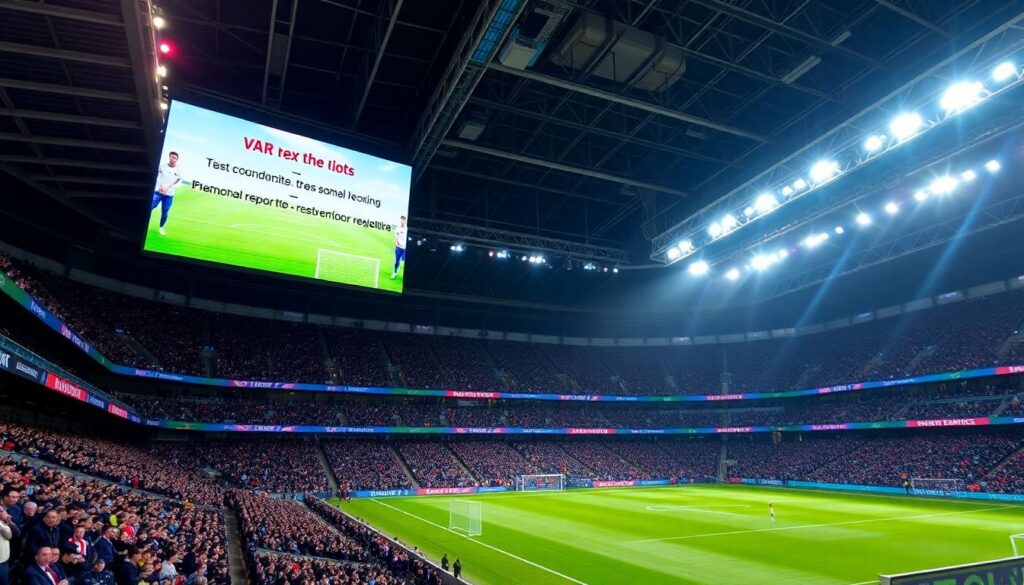
Combine simple, visual explanations in‑stadium with seasonal reports summarising key interventions and errores reconocidos. Over time, this can rebalance the perceived ventajas y desventajas del VAR en el fútbol profesional in favour of integrity.
Is it ethical to use different VAR rules in domestic and international matches?
It is acceptable if clearly communicated and technically justified, but it creates confusion. Leagues should progressively align domestic rules with international standards to avoid players and fans relearning expectations each competition.