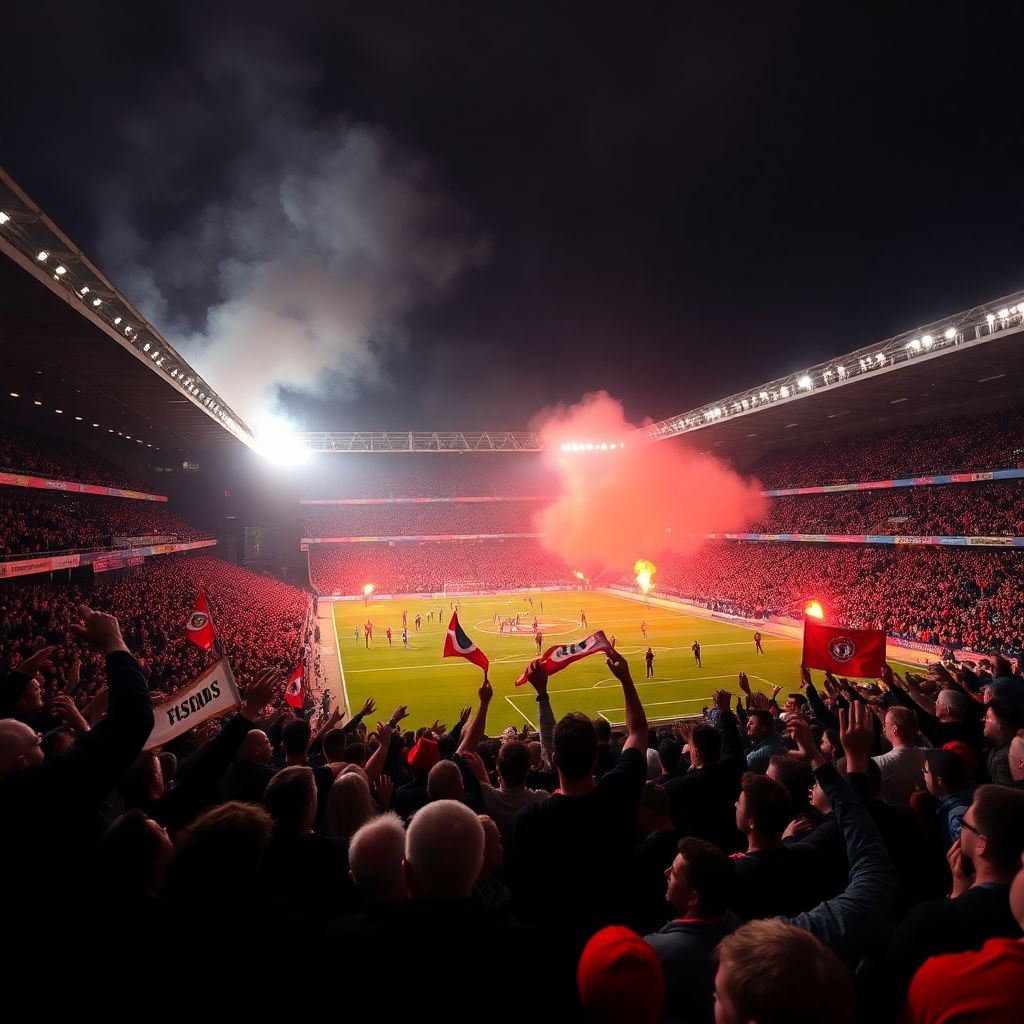
A derby is a local or symbolic football clash where rival fan bases construct an «us versus them» boundary through history, territory, rituals, and stories. For practitioners, treating the derbi as a sociocultural ecosystem-rather than just a match-helps design safer events, richer fan experiences, and more ethical commercial strategies.
Core Dimensions of a Derby’s Social Fabric
- Derbies crystallise long-term urban, class, and political divisions into ninety minutes of intense symbolic confrontation.
- Stadiums, neighbourhoods, and routes to the ground become mapped as «ours» and «theirs».
- Media, fan folklore, and everyday talk sustain narratives of rivalry over generations.
- Rituals, chants, flags, and shirts materialise identity and difference in visible ways.
- Conflict and solidarity coexist; hostility is framed by informal moral rules of what is acceptable.
- Institutions (clubs, leagues, police) constantly negotiate between passion, safety, and commercial interests.
Historical Roots and Urban Identities in Local Derbies
In sociocultural terms, a derby is not just a game between neighbouring clubs. It is a recurring event where historic cleavages-district versus centre, working class versus elite, old migrants versus newcomers-are dramatised through football. The match is the visible tip of a much deeper social iceberg.
Local derbies such as Atlético de Madrid vs Real Madrid or Sevilla vs Betis are anchored in specific urban biographies. Club origin stories, founders, and early supporters often draw from particular trades, political leanings, or neighbourhoods. Over time, these associations become simplified narratives: «the people’s club», «the establishment club», «the rebellious side», and so on.
For practitioners-club staff, city officials, tour operators-the key is to read a derby as a condensed map of the city’s long-term tensions and aspirations. When designing a viaje organizado para el derbi atlético de madrid vs real madrid, understanding these identities allows you to anticipate sensitive symbols, songs, and locations, and to brief visitors accordingly.
Derbies can also represent regional or national divides. When fans search entradas derbi real madrid barcelona comprar online, they are often buying into the story of central power versus regional identity as much as into a high-quality sporting contest. Recognising this symbolic layer helps avoid communication or marketing that accidentally inflames deep political sentiments.
Spatial Politics: Stadiums, Neighborhoods, and Symbolic Boundaries
Derbies work through a spatial logic: the city is temporarily re-zoned into contested and protected spaces. Practitioners need to identify these spatial dynamics and manage them, not just move people from A to B.
- Home and away «territories». Each stand, bar, and street close to the stadium gains an identity. Home pubs, away fan meeting points, and neutral zones must be clearly defined and publicly communicated.
- Routes of approach and exit. Fan groups tend to use traditional routes with symbolic value (walking through specific squares, bridges, or streets). Steering flows should respect these traditions where possible while avoiding flashpoints.
- Iconic urban landmarks. Fountains, monuments, or plazas used for celebrations or protests become loaded sites. In Madrid or Barcelona, these places are as important to derby management as the stadium itself.
- Micro-boundaries inside the stadium. Segregation lines, buffer zones, and hospitality areas create mini-frontiers. When promoting paquetes de hospitalidad vip para derbis de fútbol en españa, clubs should factor in how hospitality guests will cross or overlook these boundaries without provoking either side.
- Digital and media «spaces». Hashtags, fan forums, and local radio call-ins are also spaces where confrontation and boundary-making occur. Monitoring these channels before and during derbies helps detect tensions early.
- Commercial frontiers. The placement of merchandising stalls, sponsor activations, and street vendors can reinforce or soften rivalry lines. Locating neutral, family-friendly zones can dilute «no-go areas» for mixed groups.
In practice, spatial politics mean that transport plans, police operations, and fan experience design must start from a sociological map: who considers which spaces «theirs», and how strongly?
Narrative Construction: Media, Folklore, and Rival Mythmaking
Derbies exist because people tell stories about them. Narratives turn single matches into sagas, where each new chapter is read through what happened «back then». Practitioners who ignore these stories misread fan expectations and potential triggers.
Typical scenarios where narratives shape the derby:
- Pre-match media build-up. Local sports press, radio, and TV frame the game as revenge, redemption, or «battle for the city». Editorial choices about language, images, and historical references can either escalate or responsibly contextualise rivalry.
- Fan oral history. Older supporters explain to youngsters why «we never forget that semi-final» or «they stole that title». These stories circulate in peñas, bars, and family gatherings, becoming a lived curriculum of how to feel about the other side.
- Digital storytelling and memes. Social media clips, fan-made videos, and threads dramatise controversial refereeing decisions, player betrayals, or iconic goals. Clubs and leagues can intervene by amplifying content that celebrates skill and humour over hate.
- Books and documentaries. When fans search documentales y libros sobre rivalidades y derbis del fútbol español comprar, they are looking for deeper narrative frames. These materials can either romanticise violence or critically explain how rivalries evolved, so curating and recommending responsible works matters.
- Everyday talk in workplaces and schools. Jokes and teasing between colleagues or classmates rehearse the derby narrative long before kick-off. Community programmes can use this environment to promote respectful banter rather than humiliation.
For communication teams, a practical principle is: do not create new antagonistic storylines just to sell a game. Instead, acknowledge existing myths, correct distortions that justify hatred, and propose alternative scripts (e.g., shared legends, great players who represented both clubs).
Rituals, Chants, and Material Culture of Fans
Derbies are ritual-heavy events. Singing, dressing, marching, and choreographing tifos are ways fans embody identity and difference. These practices can strengthen community bonds but also exclude, intimidate, or normalise hostility. Understanding both sides is crucial for any intervention.
Constructive functions of derby rituals
- Reinforce a sense of belonging and continuity across generations.
- Provide predictable emotional structure (pre-match meetups, anthem moments, scarf displays) that many fans find reassuring.
- Offer creative outlets for youth (designing banners, composing chants, producing fan art and podcasts).
- Enable symbolic «release» of tensions in a controlled environment rather than in everyday life spaces.
- Support local economies (bars, small shops, unofficial and official fan initiatives).
Risks and limitations of derby rituals
- Chants and banners may dehumanise the rival, legitimising aggression beyond the stadium.
- Alcohol-centred rituals can amplify risk for vulnerable groups and increase the likelihood of violence.
- Gendered or racist songs and imagery reproduce wider social inequalities under the excuse of «just football banter».
- Ultra-style rituals may intimidate casual supporters and families, shrinking the inclusive fan base.
- Commodified rituals (mandatory fan choreos for sponsors) can feel fake, weakening organic supporter culture.
Material culture is especially visible on derby days. Decisions about camisetas oficiales de equipos rivales para el derbi comprar, about which scarf to wear, or which flag to hang from a balcony signal temporary alignments, even for usually neutral residents. Clubs and city authorities can work with retailers to avoid products that intentionally provoke the rival (e.g., imagery celebrating tragedies or insults).
Conflict, Solidarity, and the Moral Economy of Rivalry
A derby is a structured conflict with unwritten rules. Most fans accept intense verbal hostility but reject certain forms of physical or symbolic attack. This shared understanding is the moral economy of rivalry: the informal code that distinguishes «passion» from «crossing the line».
Common mistakes and myths that practitioners should challenge:
- «Violence is inevitable in derbies.» Violence is not automatic; it depends on specific triggers, policing styles, alcohol availability, and media framing. Treating it as inevitable becomes a self-fulfilling excuse not to act preventively.
- «All ultras are the same.» Ultra and hardcore groups are diverse. Some prioritise visual support and anti-racist stances; others are more prone to confrontation. Blanket policies miss opportunities to work with positive leaders.
- «Mixed seating is always good or always bad.» In some rivalries, mixed family areas reduce tensions; in others, they create unpredictable micro-conflicts. Decisions should be based on local history, fan surveys, and previous incidents, not universal recipes.
- «Commercial partners should stay out of rivalry issues.» Sponsors and hospitality providers help shape the tone of the event. Their campaigns, giveaways, and in-stadium activations can either endorse aggressive stereotypes or promote fair play and shared pride in the city.
- «Once the whistle blows, our responsibility ends.» Post-match journeys, celebrations at landmarks, and social media fallout are part of derby management. Planning must cover the full cycle: build-up, matchday, and aftermath.
Practically, clubs and leagues can codify the moral economy by co-creating «red lines» with supporter groups (e.g., no references to tragedies, deaths, or discrimination), then embedding these lines into stadium regulations, campaigns, and sanctioning systems.
Policy, Policing, and Institutional Responses to Derby Tensions
Institutions-clubs, city councils, police, leagues, and fan organisations-translate abstract rivalry into concrete rules, operations, and programmes. Done well, this protects both passion and people; done poorly, it can escalate tensions or hollow out fan culture.
A concise illustration from Spanish derbies:
Imagine a club preparing a high-risk local clash. Instead of starting with security hardware (barriers, riot units), the club convenes a pre-derby roundtable with fan group representatives, municipal transport, and police. Together they review past incidents, social media trends, and planned tifos or marches.
They then design an integrated plan:
- Clear, jointly agreed away-fan routes and gathering points, communicated in multiple languages to visitors.
- Flexible policing tactics that prioritise presence and dialogue early, reserving force for clearly defined emergencies.
- In-stadium messaging that celebrates shared city identity alongside club colours, carefully avoiding patronising tones.
- Post-match monitoring of key celebration sites and online spaces, with rapid debunking of rumours or misinformation.
Commercial actors also fit here. Ticketing teams setting up entradas derbi real madrid barcelona comprar online campaigns, travel agencies building viaje organizado para el derbi atlético de madrid vs real madrid, and companies promoting paquetes de hospitalidad vip para derbis de fútbol en españa are part of the governing network. Their policies on alcohol, segregation, pricing, and messaging materially affect safety and the emotional temperature of the event.
Finally, education programmes-often in partnership with schools, NGOs, or cultural institutions-use exhibits, workshops, and screenings to reframe the derby. Curating documentales y libros sobre rivalidades y derbis del fútbol español comprar for such programmes can help fans see the rivalry in historical perspective, rather than as a timeless war.
End-of-article practical self-check
- Have you mapped the derby’s historic and urban fault lines, not just its match logistics?
- Do your routes, tickets, and hospitality offers align with existing spatial and narrative sensitivities?
- Are supporter rituals being supported where they are constructive and challenged where they cross agreed red lines?
- Have institutional plans been co-designed with credible fan representatives rather than imposed unilaterally?
- Does all communication-media, marketing, education-frame the derby as intense but fundamentally civic, not as a proxy war?
Quick Clarifications for Practitioners
How is a derby different from any high-profile match?
A derby is rooted in local or symbolic proximity and long-term social divisions. A Champions League tie can be intense, but a derby repeatedly stages the same internal conflict of a city or region, making its sociocultural stakes more durable and everyday.
Why should clubs care about the sociocultural side, not just safety?
Understanding the sociocultural dynamics helps predict behaviour, design credible messages, and avoid actions that unintentionally insult or marginalise parts of the fan base. It also opens space for more authentic, less generic fan engagement initiatives.
Can commercialisation soften or intensify derby rivalries?
Both outcomes are possible. Thoughtful merchandising and hospitality can normalise mixed groups and family attendance, while aggressive «war» marketing and provocative products can deepen hostility. The key is aligning commercial strategies with agreed moral red lines.
How can smaller clubs apply these ideas with limited resources?
Start with low-cost steps: map local fan geographies, hold listening sessions with supporter groups, coordinate basic pre-derby communication with police and city officials, and adjust ticketing or seating plans for known flashpoints. Documentation and learning from each derby quickly accumulate practical know-how.
What indicators show that derby management is improving?
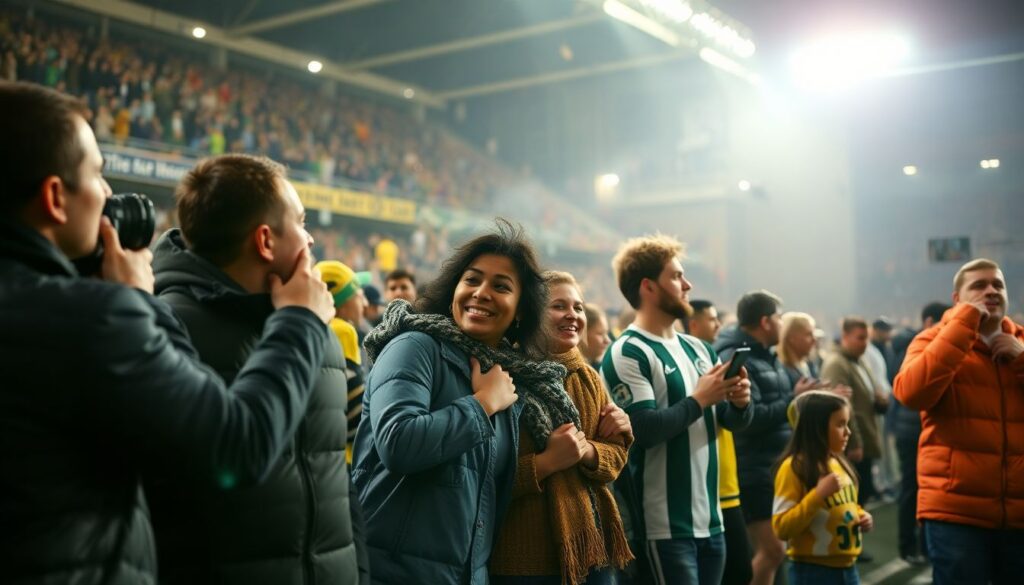
Look for reductions in serious incidents, more families and mixed groups attending, positive feedback from fan groups, and media narratives focusing on football and atmosphere rather than disorder. Consistency across several derbies is more meaningful than one quiet match.
Are educational projects around derbies actually effective?
They work best when connected to visible matchday practices. Workshops, exhibitions, or screenings should feed into concrete actions such as revised chants, shared tifos, or school visits by players speaking about respect and local pride.
How should practitioners handle offensive but legally protected chants?
Even when speech is legally allowed, clubs and leagues can set higher behavioural standards in their codes of conduct. Dialogue with fan leaders, clear stadium rules, and targeted campaigns can shift norms without relying solely on punishment.