
Globalising youth academies demands strict ethical, legal and safeguarding controls around scouting, early signings and child talent. Focus first on welfare, schooling and informed consent, then on football development and contracts. Treat international movement as exceptional, rely on strong local academies, and involve independent experts in every high‑impact decision.
Core considerations for global youth recruitment
- Prioritise the child’s safety, education and psychological wellbeing over any sporting or commercial objective.
- Align all international scouting and fichajes de niños promesas en el fútbol internacional with FIFA, national and EU child protection rules.
- Guarantee transparent communication and written, informed consent from parents or legal guardians in their own language.
- Work with trusted local academies instead of systematic long‑distance relocations of minors.
- Separate clearly the roles of club, school, family and any agencias de representación de jóvenes futbolistas talento infantil.
- Audit age and identity documentation rigorously to avoid fraud and hidden coercion.
- Document and review the impact on the player’s home community and grassroots structures.
Mapping international scouting networks and talent pipelines
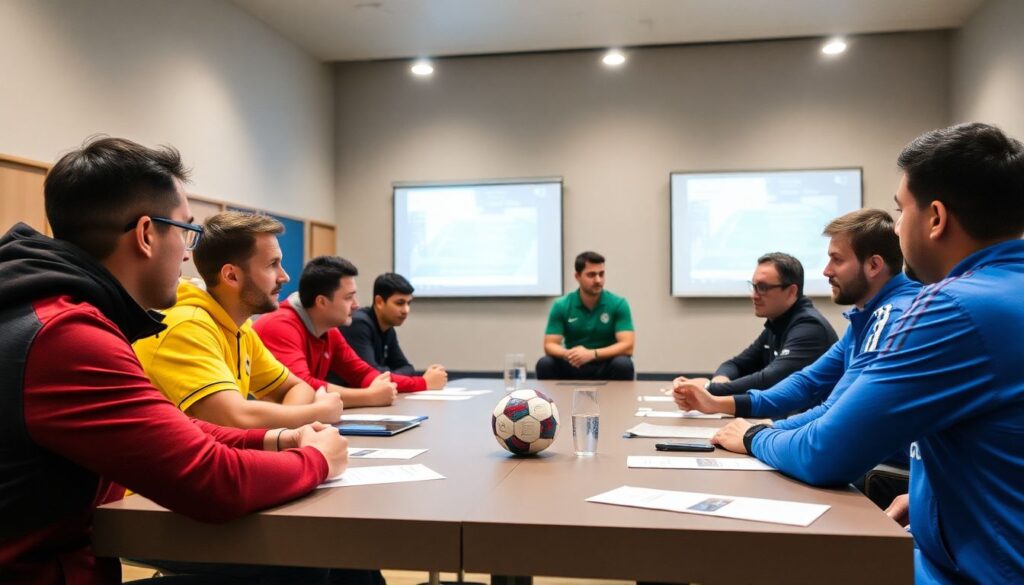
International scouting for academies should be used to complement, not replace, strong local development. It suits clubs with robust child‑safeguarding systems, education partnerships and compliance capacity. It is not recommended for small structures without legal support, nor for agents or intermediaries operating without full transparency.
When mapping programas de scouting internacional para canteras de fútbol, keep the following structure in mind:
- Define ethical recruitment zones and age ranges. Limit live scouting of minors to regions where you can ensure minimum welfare standards, safe travel and trusted local partners.
- Build partnerships with local academies, not open trials for children. Work with established escuelas de fútbol de alto rendimiento para jóvenes talentos that already protect education and health.
- Standardise reporting and decision criteria. Use common templates for technical, medical and educational assessments so that decisions are comparable and auditable.
- Separate scouting from signing. Scouts identify potential; independent multidisciplinary committees decide on any next steps for children.
Case example (Spain-West Africa): A La Liga club partners with two community academies in Senegal. Scouts visit twice a year; no child is invited to Spain before age 16. Before that, the club funds schooling, nutrition and coach education locally instead of organising direct fichajes de niños promesas en el fútbol internacional.
Navigating legal frameworks and cross-border compliance
Cross‑border recruitment of minors sits under a complex mix of FIFA rules, national labour law, migration law and child‑protection norms. Before creating or joining programas de scouting internacional para canteras de fútbol, ensure you have the following capacities and tools in place:
- Specialised legal counsel. Access to sports law, immigration and child‑protection experts in both origin and destination countries.
- Compliance procedures and record‑keeping. A central digital archive for passports, birth certificates, consent forms, study plans and housing contracts, with restricted access and audit logs.
- Safeguarding policies aligned with recognised standards. Written policies covering recruitment, travel, accommodation, education, medical care and complaint mechanisms specific to children.
- Clear migration and residence pathways. Verified routes for visas, residence permits and family reunification where necessary, never relying on «tourist» entries for football purposes.
- Independent oversight. Internal or external committees able to stop transfers that do not meet ethical or legal criteria, even if technically allowed by competition rules.
Country snapshot (Spain): Clubs collaborating with escuelas de fútbol de alto rendimiento para jóvenes talentos in Latin America must respect both Spanish migration rules and local labour and education law. Bringing a minor to Spain without a solid family, schooling and residency plan increases legal and reputational risk, and can violate child‑protection norms.
Verifying age, identity and ethical documentation practices
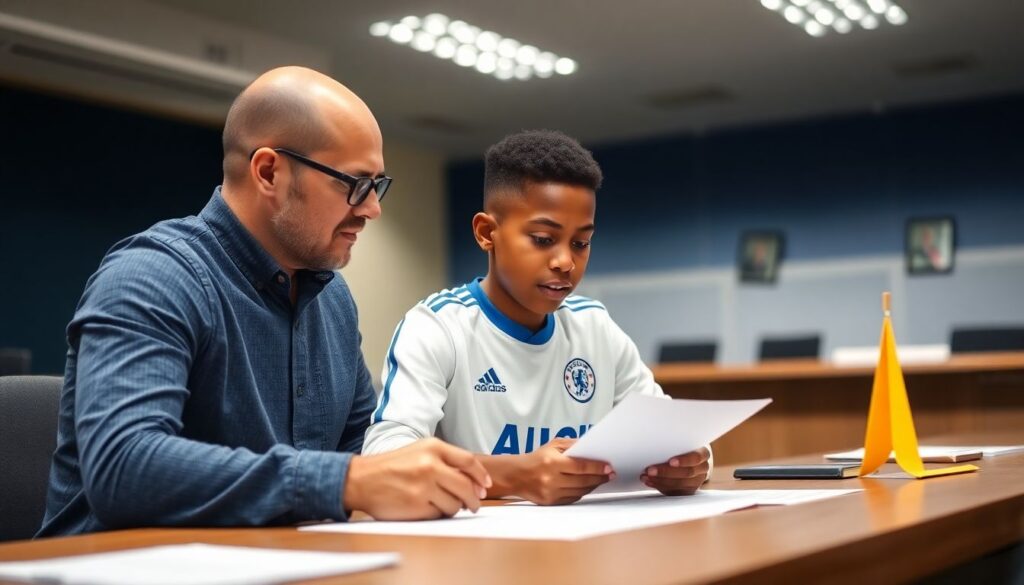
Before any cross‑border move, scholarship or representation agreement with a minor, implement a conservative, multi‑step verification process. This reduces the risk of age fraud, trafficking, coercion and future disputes between families, clubs and agencias de representación de jóvenes futbolistas talento infantil.
Key risks and limitations to acknowledge first:
- Official documents may be incomplete, unreliable or forged, especially in regions with weak civil registries.
- Medical age tests have margins of error and must never be used as the sole or punitive criterion.
- Families can feel pressured to sign documents they do not fully understand.
- Informal «street agents» may hide conflicts of interest or side payments.
- Over‑collection of sensitive data can breach privacy and data‑protection laws.
- Collect and cross‑check primary civil documents.
Obtain at minimum a passport, birth certificate and national ID (where available) directly from parents or legal guardians, never only from intermediaries.- Compare names, dates, places of birth and parental data across documents.
- Check issue dates and authorities; be cautious with very recent documents created just before trials.
- Authenticate documents with local authorities.
Where risk is higher, verify documents with registries, consulates or embassies rather than assuming authenticity.- Use official channels or accredited verification services, not informal fixers.
- Record reference numbers, contacts and dates of each verification attempt.
- Use medical and educational records as supporting evidence.
Ask for school enrolment records, vaccination cards and health reports to support the declared age and identity.- Look for consistent schooling history fitting the claimed date of birth.
- Seek medical opinions only from independent, licensed professionals.
- Conduct a guardian and family status assessment.
Confirm who has legal custody and who is signing any permission, especially in cases of separated parents or informal caregivers.- Request court or administrative documents where custody is contested.
- Speak with the child separately in a safe environment to detect possible coercion.
- Implement a transparent consent protocol.
Provide all documents in the family’s language and explain terms, risks and alternatives before any signature.- Allow time for independent legal advice and refuse signatures made under visible pressure.
- Avoid complex or long‑term contracts being signed during short trials.
- Document decision‑making and red‑flag management.
Record who checked what, what doubts appeared and why you accepted or rejected a case.- Flag inconsistencies that require extra verification or justify stopping the process.
- Share a clear summary with relevant safeguarding and compliance officers.
Case example (North Africa-Spain): A 14‑year‑old impresses in a friendly game. Instead of rushing, the Spanish club structures a remote support plan with his local team and starts documentation checks. Conflicting birth dates appear; the club stops any move until authorities clarify the case, prioritising the boy’s schooling and safety.
Crafting ethical early-recruitment policies and consent standards
Early recruitment policies are ethical only if they are clear, public, and centred on the child’s best interests. Use the following checklist to test whether your approach to early signings and talent pathways is acceptable before you even ask cómo ser fichado por un ojeador de fútbol siendo niño from a club’s perspective.
- Policy states that education, health and emotional stability override sporting progression or competition calendars.
- Minimum ages are set for any formal commitment, with stricter conditions for international moves than for local training agreements.
- Parents or guardians receive written information about all options, including staying at their current club or in their community.
- Any long‑term agreement includes review points where the family can reconsider without disproportionate penalties.
- Compensation or «signing benefits» are modest, transparent and paid through traceable channels, never in cash or gifts that create dependency.
- Scouts and coaches are forbidden from making promises about professional contracts or guaranteed careers.
- Children can access independent support (psychologist, tutor, lawyer) not employed by the recruiting entity.
- Agreements with agencias de representación de jóvenes futbolistas talento infantil are disclosed, regulated and never mandatory for joining an academy.
- Any public communication avoids marketing minors as commodities or exaggerating future value.
- The club or academy regularly reviews policies with external child‑rights organisations or safeguarding experts.
Case example (Basque Country): A club signs local children only to short, renewable training agreements until age 15. Families attend annual information sessions about rights, risks and realistic outcomes. Representation contracts are discouraged before 16, and there is a clear channel to leave the academy without stigma.
Safeguarding minors: welfare, education and monitoring protocols
Strong safeguarding goes beyond legal minimums and focuses on everyday life: housing, food, schooling, social ties and mental health. These are the most common and harmful mistakes when globalising youth pathways and organising fichajes de niños promesas en el fútbol internacional.
- Bringing children to a foreign country with no comprehensive schooling plan, language support or recognised qualifications.
- Housing players in overcrowded residences or host families without background checks, supervision or clear rules.
- Overloading training schedules and travel at the expense of sleep, study time and free, non‑football socialisation.
- Ignoring or minimising bullying, discrimination or racism within mixed‑nationality squads.
- Lacking confidential reporting channels for abuse, harassment or exploitation, especially when the abuser may be a coach or staff member.
- Failing to monitor psychological stress, homesickness and identity conflicts in relocated minors.
- Allowing informal agents to control passports, bank cards or communication with families.
- Not planning exit pathways for players who are released, leaving them without school, support or return options.
- Using scholarships as a tool of control, threatening to withdraw basic support if performance dips.
Case example (Madrid): An academy hosting African and Eastern European minors appoints an independent safeguarding officer. Every child has an individual education plan and regular psychological check‑ins. When one 15‑year‑old struggles, the club reduces his match load and arranges extra tutoring instead of threatening his place in the residence.
Transparent negotiation, compensation and community impact
Fair and transparent negotiations aim to protect the child and maintain trust with grassroots clubs and communities. Instead of aggressive international poaching, consider the following alternative models and when they make sense.
- Local development partnerships.
Support community academies in the player’s home region through coach education, facilities and education projects, without relocating minors.- Best for early phases before 16, reducing the need for long‑distance moves and complex legal arrangements.
- Education‑first scholarships.
Offer scholarships that prioritise schooling and language learning, with football as one component and clear time limits.- Useful when linking with escuelas de fútbol de alto rendimiento para jóvenes talentos that integrate formal education.
- Shared‑benefit agreements with origin clubs.
Design compensation schemes that reward the training club via transparent, documented payments and community projects.- Appropriate where early international moves are legally and ethically viable but risk weakening local football structures.
- Post‑18 recruitment focus.
When in doubt about risks, limit international transfers to players who are already legally adults, and invest more in older youth tournaments and data‑based scouting.
Case example (Andalusia-Latin America): A Spanish club signs a cooperation agreement with two South American academies. Until players turn 18, collaboration focuses on coaching methods, sports science and exchange visits. Only then does the club consider transfers, based on clear criteria and respect for the training clubs’ role.
Practical answers to recurring dilemmas in youth talent sourcing
How can a family evaluate programas de scouting internacional para canteras de fútbol safely?
Check if the programme offers schooling, safe housing, medical coverage and transparent contracts in writing. Verify that the organisers are recognised clubs or federations, not informal agents. Ask for references from other families and consult an independent lawyer before any commitment.
What is a responsible path for a child who dreams of cómo ser fichado por un ojeador de fútbol siendo niño?
Focus on local training quality, school performance and emotional wellbeing first. Join reputable local clubs or academies and play in age‑appropriate competitions. If scouts appear, parents should control all communication, avoid immediate signatures and request full written information in their language.
When do agencias de representación de jóvenes futbolistas talento infantil become a risk?
They are risky when they demand exclusive, long‑term contracts, request money upfront or isolate the child from family and club. Any agency should be licensed, transparent about commissions and secondary income, and should not pressure families with unrealistic promises.
Are international moves before 16 always unethical?
They are high‑risk and should be exceptional. Only consider them when there is a robust family plan, legal clarity, strong safeguarding and a real educational upgrade, not just football opportunity. Many clubs now prefer partnerships that keep children in their home environment longer.
How can small clubs join global pathways without exploiting children?
Negotiate cooperation agreements that bring coach education, infrastructure and educational support into the community, instead of exporting minors. Maintain clear policies on minimal ages, school attendance and informed consent, and refuse deals that bypass or weaken local grassroots structures.
What should a club do when age or identity doubts arise?
Pause any signing or travel plans immediately. Inform families openly, initiate document verification with authorities, and seek independent legal advice. If doubts cannot be resolved safely, the club should withdraw from the process while offering local football and schooling alternatives.
How can academies balance performance pressure with child welfare?
Set non‑negotiable limits on training load, rest and schooling time, and include psychologists and educators in decision‑making. Evaluate staff on their safeguarding conduct, not only on results, and give children confidential channels to talk about stress or mistreatment.