In the streaming era, many fans relate to their club as subscribers and content consumers first, hinchas second. Emotional bonds now form through apps, highlights and algorithms as much as through stadium rituals. Clubs that understand this shift can redesign journeys, offers and communities to rebuild genuine, lasting attachment.
Core emotional shifts to remember
- Fandom is increasingly defined by subscriptions, not geography or family alone.
- Ritual matchday experiences are being replaced by fragmented, on‑demand viewing.
- Monetization touches more micro‑moments, from reactions to exclusive clips.
- Personalization gives a sense of intimacy, but it is often one‑way and fragile.
- Communities scatter across platforms, weakening shared identity and chants.
- Clubs must balance revenue goals with emotional credibility and trust.
The subscriber identity: defining modern fandom
Modern fandom is increasingly shaped by the logic of subscriptions. A supporter is not only someone who sings in the stadium, but also someone whose relationship is mediated by platforms de streaming para clubes deportivos, membership apps, loyalty programs and follow buttons on social media.
This creates a new primary identity: the subscriber. The club becomes a content provider that competes in the same attention feed as series, influencers and gaming. In this context, marketing deportivo en la era del streaming turns emotional loyalty into something that must be constantly re‑earned with relevance, access and experiences.
Traditional hinchas still exist, of course, especially around local clubs in Spain’s cities and towns. But even they increasingly live their passion through mobile alerts, tactical threads on X, and instant highlights. The emotional relationship moves from a few intense offline rituals to many lighter, always‑on digital interactions.
For clubs and any agencia de marketing deportivo para clubes y franquicias, the key is understanding that a fan now has multiple, overlapping identities: season‑ticket holder, OTT subscriber, follower of players on TikTok, fantasy league user. Strategy must align these touchpoints so they reinforce one another instead of competing for the same emotional space.
Streamed access and the erosion of ritual
Streaming changes how emotions are triggered and processed because it changes the basic mechanics of how we watch and when. Several dynamics matter for clubs:
- From appointment viewing to on‑demand clipping. Fans no longer need to sit through 90 minutes; they can watch extended highlights, condensed matches or even just goals. This compresses emotion into spikes and removes the slower build‑up that used to define the matchday ritual.
- Multi‑screen distraction instead of full attention. Watching via a platform on mobile while chatting, scrolling or gaming dilutes the deep focus that once made every pass feel consequential. The match becomes one tile among many in a mosaic of stimuli.
- Time‑shifted viewing weakens shared live moments. When many fans watch with delay, the collective shout at minute 90 becomes fragmented into private reactions at different times. Chants, inside jokes and shared suffering lose some of their synchrony.
- Geo‑unbundling of local identity. A fan in Sevilla can effortlessly follow an English or Italian club via global streaming, while a neighbour might ignore the local team. Streaming democratizes access but dilutes geographically rooted, intergenerational loyalties.
- Algorithm‑driven discovery of «new» clubs. Recommendations surface big brands, star players and trending rivalries. Smaller clubs are less present unless they deliberately invest in content that fits algorithmic formats.
- Less pilgrimage, more convenience. If an excellent experience is available on the sofa, the incentive to travel to the stadium or peña weakens. Convenience is emotionally comfortable but rarely transformative.
Monetization, microtransactions and emotional stakes
Where fans used to pay mainly for a season ticket or a TV package, monetization now appears in many small, emotionally charged moments. Understanding these scenarios is central to cómo monetizar fans de fútbol en redes sociales y streaming without eroding trust.
- Tiered streaming packages. From basic access to premium feeds with extra camera angles, tactical views or locker‑room coverage. Each tier creates new forms of FOMO: fear of missing «real» closeness to the team.
- Micro‑payments for exclusive content. Paying to unlock historic matches, mini‑documentaries or live Q&As with players. Done well, this monetizes depth of connection; done poorly, it feels like paywalling tradition.
- In‑app boosters and virtual goods. Stickers, avatars, digital scarves or voting rights in minor club decisions. These purchases sit between fandom and gaming; they can increase playful engagement but also risk trivializing emotional stakes.
- Social commerce in live streams. Limited‑edition shirts or signed items sold during a live broadcast on social platforms. Urgency and emotional arousal of the match can drive impulse buys that later feel manipulative if not handled transparently.
- Paid fan memberships and loyalty tiers. Structured programas de estrategias de fidelización de hinchas para clubes de fútbol, with points, status levels and exclusive access. When the value is clear and fair, members feel seen; when the tiers feel like a cash grab, resentment grows quickly.
- Sponsored fan influence. Asking fans to create branded content, share referral links or push ticket sales in exchange for perks. This can deepen belonging, but also makes some fans feel like unpaid salespeople.
Data, personalization and the illusion of closeness
Data and personalization promise to make every fan feel like the club knows them. In practice, they deliver strong benefits but also have clear limits that are emotional, not just technical.
Benefits of data‑driven personalization
- Relevant content recommendations (e.g., historical goals of a fan’s favourite player) that keep the club emotionally top of mind.
- Timed notifications that match emotional peaks: push alerts right before kick‑off, at half‑time and just after the final whistle.
- Localized offers for fans in Spain, tailored to es_ES culture, schedules and rivalries, rather than one global message.
- Better segmentation for campañas de marketing deportivo en la era del streaming, reducing spam and focusing offers on those who truly care.
- Ability to identify at‑risk subscribers and lapsed attendees, triggering re‑engagement campaigns before emotional detachment becomes final.
Limits and risks of algorithmic intimacy
- Personalization often remains one‑way: the club «speaks smarter» but rarely listens deeper; true dialogue is still rare.
- Over‑targeting can feel creepy, especially when private data (location, late‑night viewing) seems to shape offers without consent.
- Algorithmic feeds prioritize content that performs, not what builds long‑term identity, leading to more drama and less meaning.
- Fans notice when personalization serves only sales goals; emotional credibility drops if tailored messages always end in a paywall.
- The most passionate fans, who attend in person and live in offline communities, are often the least visible in digital datasets.
Community fragmentation across platforms
Community used to revolve around the stadium, the local bar and a few shared media outlets. Today, it is fragmented across multiple networks, apps and content formats, including plataformas de streaming para clubes deportivos and players’ personal channels. This creates several recurring mistakes and myths.
- Myth: «More platforms mean more community.» In reality, fans split into micro‑groups: TikTok highlight watchers, Discord tacticians, Instagram casuals. Without a unifying narrative hub, identity weakens.
- Mistake: ignoring language and culture splits. A single global content stream rarely serves both local hinchas in Spain and international fans. Nuances of humour, chants and rivalry context get lost.
- Myth: player popularity automatically benefits the club. Star players build their own brands on social; fans may follow them more closely than the badge, shifting emotional focus away from the institution.
- Mistake: measuring community only via vanity metrics. Follower counts or view numbers say little about actual belonging. A smaller but active peña network can be more resilient than a huge but silent following.
- Myth: conflict always boosts engagement in a good way. Controversy may bring short‑term visibility but corrodes long‑term trust when fans feel their emotions are exploited for clicks.
Strategies for clubs to rebuild genuine attachment
Rebuilding deep emotional ties requires aligning stadium, digital channels and commercial offers around shared values, not just content volume. Below is a simple, repeatable approach clubs and any agencia de marketing deportivo para clubes y franquicias can use to evaluate and improve their fan relationship strategy.
Mini‑case: from content factory to relationship engine
Imagine a mid‑table LaLiga club with decent attendance but weak digital loyalty. Fans mainly watch via a general sports OTT service; the club’s own app is underused. Emotions peak only around derby days; during the rest of the year, the club feels distant and transactional.
The club decides to redesign its fan journey by combining in‑stadium experiences, owned streaming and social channels:
- Map emotional moments, not just touchpoints. List when fans feel strongest: first match attended, derby victory, promotion, relegation fear, farewell of a legend. Check which of these moments your current digital ecosystem captures or amplifies.
- Design «bridges» between offline and online. For every stadium ritual (chants, tifo, walk to the ground), create a digital echo: short docs, fan interviews, behind‑the‑scenes live streams. Use your own OTT or club channel as the primary home, amplified by social networks.
- Package value, then monetize. Instead of starting with prices, define clear emotional benefits: belonging, access, recognition. Only then structure memberships, streaming bundles and micro‑offers that feel fair. This makes estrategias de fidelización de hinchas для clubes de fútbol more sustainable.
- Invest in two‑way spaces. Support moderated forums, Discord servers or peñas online where fans talk to each other, not only to the club. Occasionally bring players, legends or staff into these spaces, without always selling something.
- Measure feeling, not just numbers. Combine standard metrics (MAUs, churn) with regular short surveys asking fans how close they feel to the club, how proud they are to show colours, and how fairly they perceive pricing.
Short algorithm to check if a new initiative works
Before launching any new streaming, social or monetization feature aimed at fans of fútbol, run this simple evaluation loop:
- Clarity check: In one sentence, describe the emotional benefit for the fan, not the revenue goal for the club. If you cannot, pause.
- Trust check: Ask: «Would a lifelong hincha feel respected or exploited by this?» If the answer is anything less than «clearly respected», redesign the offer.
- Continuity check: Ensure the initiative connects to at least one existing ritual (song, matchday, tradition) or creates a new one that can be repeated every season.
- Community check: Identify how the feature helps fans connect with one another, not only with the club’s brand and players.
- Feedback loop: Define how you will collect and act on fan feedback in the first weeks (surveys, social listening, focus groups) and decide beforehand which metrics could trigger a pivot or a stop.
Three‑item self‑check for club decision‑makers
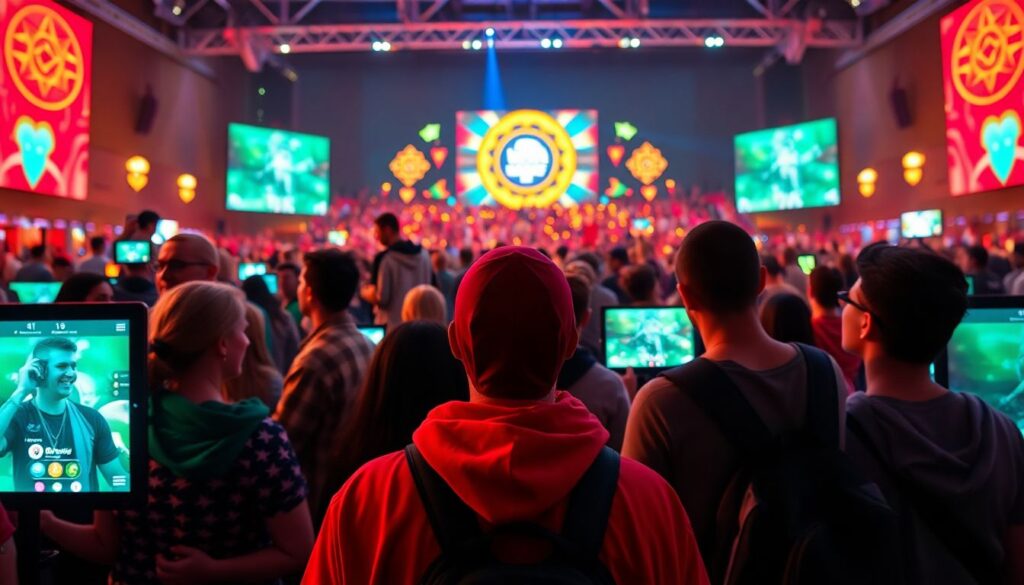
- Can we clearly explain how each major digital or streaming initiative strengthens, rather than replaces, our core rituals and stories?
- Do our key revenue streams align with moments when fans already feel proud and connected, or do they mainly exploit frustration and FOMO?
- Is there at least one space we truly host (app, forum, members’ area) where fans co‑create the culture, not just consume content?
Practical answers to common dilemmas
How can a small club compete emotionally with global giants on streaming?
Focus on hyper‑local identity and access that big brands cannot copy: community stories, local heroes, behind‑the‑scenes of grassroots programs and direct interactions with staff. Emotional specificity beats expensive production when resources are limited.
Should we prioritize our own OTT platform or third‑party services?
Use third‑party platforms for reach and discovery, but build at least one owned environment where data, community and monetization are under your control. Balance both so you are not fully dependent on changing algorithms and revenue shares.
How often is it acceptable to monetize fans during a match?
Limit direct commercial prompts to moments that do not break attention or feel manipulative. A few well‑timed offers tied to the narrative of the game are better than constant calls to buy that disrupt emotional flow.
Are loyalty tiers a good idea for long‑time hinchas?
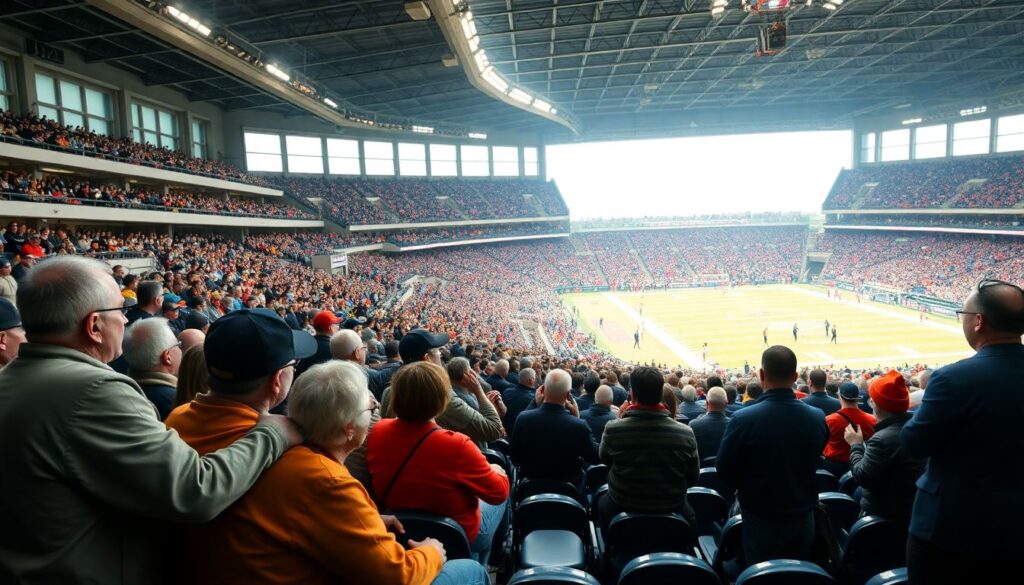
They work only if they recognize history and contribution, not just spending power. Offer non‑monetary recognition (early access, recognition in the stadium, meetings with legends) to long‑time supporters, not just discounts for big buyers.
How can we involve players without overloading them with content duties?
Plan a limited number of high‑impact appearances per season and protect players’ focus on performance. Group content shoots, communicate expectations clearly and allow some formats where players interact naturally with fans, not scripted ads.
What role should an external marketing agency play?
An agencia de marketing deportivo para clubes y franquicias should complement, not replace, the club’s own understanding of its hinchas. Use agencies for specialized skills and campaigns, but keep strategic decisions about tone, rituals and community in‑house.
How do we avoid excluding older or less digital fans?
Maintain offline channels: radio, local press, physical membership points and events in neighbourhoods. Use digital tools to enhance, not erase, traditional formats so that multi‑generational families can share the same club experience.