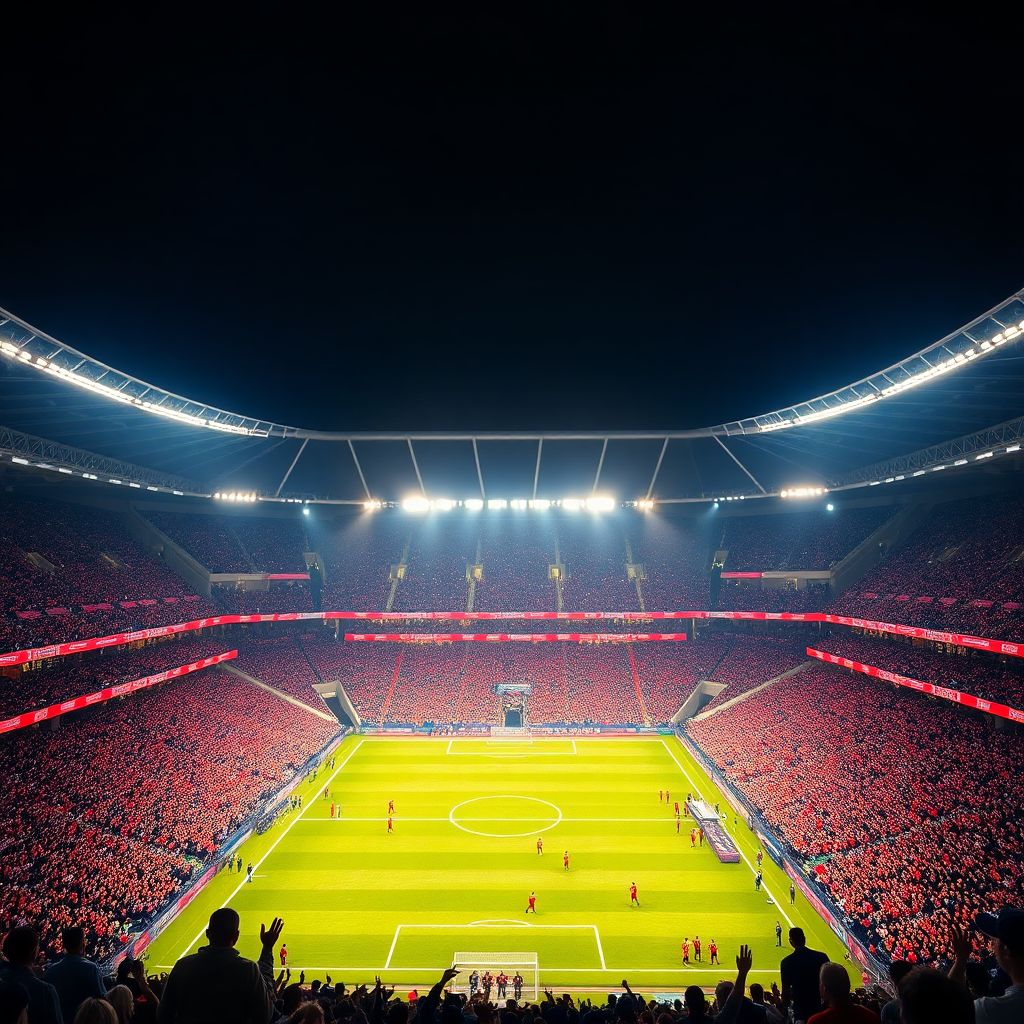
Modern football stadiums work like contemporary temples: they shape emotions, rituals, and identities. If you design or manage a venue, then you must think beyond seats and safety, and treat architecture, chants, light, and merchandising as one coordinated ritual system that turns matches into intense shared experiences.
Core Concepts: Stadiums as Modern Temples
- If a stadium is conceived as a sacred arena, then architecture, access, and acoustics must guide people into a focused, almost ceremonial state.
- If you understand pre-game and post-game routines as rituals, then you can choreograph them to support safe, positive fan behaviour.
- If symbols, flags, and jerseys function as religious icons, then merchandising and visual communication become tools to build belonging, not only to sell products.
- If emotional contagion is inevitable in crowds, then safety plans must integrate emotional «temperature» monitoring, not just physical barriers.
- If giant screens, sound systems, and lighting act like digital stained glass, then media content should reinforce meaning, not only advertising.
- If a club is a community institution, then policies on tickets, tours, and experiencias VIP en estadios de fútbol europeos must balance revenue with fairness and inclusion.
Architectural sacrality: design that evokes the sacred
Architectural sacrality means using space, form, light, and sound to create a sense of importance and transcendence, similar to religious buildings. In football, this translates into entrances, concourses, and stands that make the match feel like a once-in-a-lifetime gathering, even when it happens weekly.
If a stadium wants to feel like a modern temple, then transitions must be carefully staged: street to plaza, plaza to gates, gates to bowl. In es_ES contexts, think of how fans experience arriving at the Estadio Santiago Bernabéu or San Mamés: the façade, the height, and the first glimpse of the pitch all work as «thresholds».
If you are refurbishing an old venue, then use verticality, framing of the pitch, and controlled lighting in tunnels to build anticipation, much like the nave of a cathedral leads to the altar. Simple design moves-dark access tunnels opening suddenly to a brightly lit pitch-can create a powerful sacred effect at low cost.
For planners and managers:
- If your goal is to increase respect for the venue, then design one or two «slow zones» (wider stairs, framed views) where people naturally pause, photograph, and absorb the space.
- If you sell entradas para partidos en grandes estadios de fútbol as premium experiences, then highlight these architectural moments explicitly in marketing and tours.
- If local neighbours feel excluded, then create semi-public plazas and community-accessible areas so the stadium’s «sacredness» is shared, not imposed.
Ritual choreography: pre-game, kickoff and post-game practices
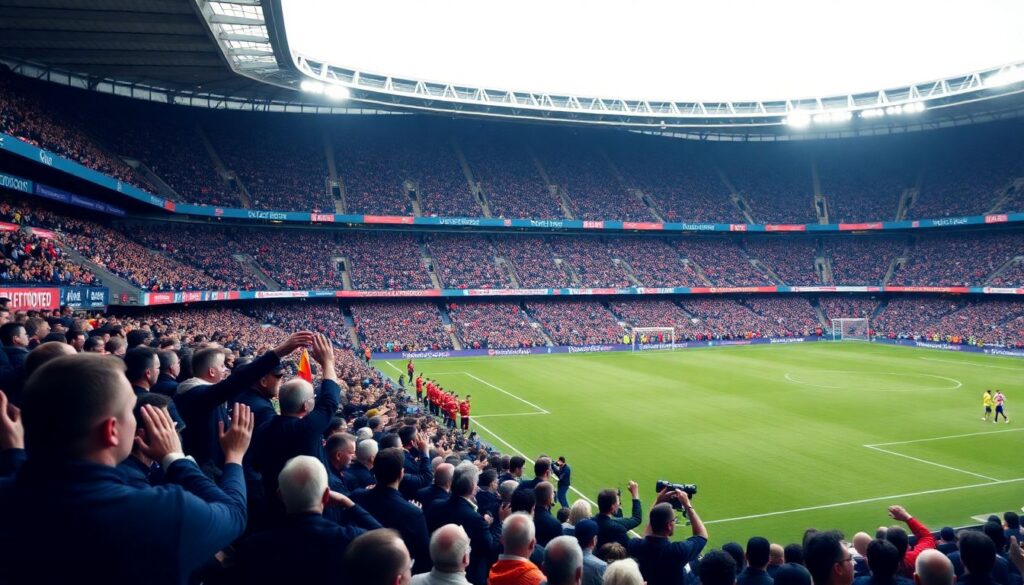
Ritual choreography is the planned sequence of actions that fans, players, and staff perform before, during, and after the match. If you treat these as rituals rather than logistics, then you can steer emotions, reduce conflict, and increase loyalty.
Key mechanisms of ritual choreography in stadiums:
- If access and arrival are staggered in time and space, then crowd stress drops and fans have more mental bandwidth for positive rituals (songs, photos, greetings).
- If you script clear pre-game «peaks» (team bus arrival, anthem, tifos), then fans can synchronise emotionally instead of improvising potentially risky behaviours.
- If you coordinate sound, light, and player entrance at kickoff, then the moment feels «sacred» and memorable, reinforcing attachment to club and place.
- If half-time and downtime include inclusive, low-conflict activities, then tension from the first half has a safe outlet.
- If post-game departure is framed as closure (music, messages, thanks), then even losing fans can process disappointment more calmly.
- If off-peak rituals (museum visits, mejores tours guiados por estadios de fútbol en España, charity matches) echo matchday patterns, then the stadium identity stays coherent all week.
Mini-scenarios:
- If you host a clásico with away fans, then define separate, dignified approach routes with their own pre-game rituals (music, banners, controlled meeting points) to avoid feeling «herded».
- If rain is expected, then prepare alternate indoor singing points and visual rituals so the atmosphere does not collapse when people seek shelter.
- If families are a priority, then schedule child-friendly ceremonies (player handshakes, mascots) early, before the stands reach maximum noise and density.
Symbols and material culture: flags, chants, and jerseys
Symbols and material culture are the visible and audible elements-scarves, colours, songs, murals-that give abstract values a tangible form. If you manage these symbols carefully, then you guide how fans narrate who «we» are and who «they» are.
Typical application scenarios:
- If you design entradas para partidos en grandes estadios de fútbol for first-time visitors, then include simple guides to key chants, hand gestures, and etiquette so they can join without feeling like intruders.
- If you operate a museum and tours, then mejores tours guiados por estadios de fútbol en España should explain why a certain flag, tifo, or corner of the stand is sacred for supporters, not just show trophies.
- If souvenirs y camisetas oficiales de equipos de fútbol en tienda online are treated as ritual objects, then product pages should tell micro-stories (historic matches, legendary players) rather than listing only technical details.
- If ultras or supporter groups create their own symbols, then establish clear, negotiated guidelines: if a symbol incites hatred, then it is not allowed; if it celebrates club identity respectfully, then you facilitate its display.
- If you welcome international tourists through paquetes de viaje para vivir clásicos del fútbol en estadios emblemáticos, then provide them with neutral, respectful symbols (event scarves, shared slogans) to avoid accidentally fuelling local rivalries.
Practically, this means:
- If you plan a new choreography, then co-create it with fan groups and test it in smaller matches before deploying it in high-risk games.
- If you redesign the club badge or colours, then treat the process like altering a religious icon: long consultation, transparent reasoning, and staged introduction.
Collective emotion: crowd dynamics and emotional contagion
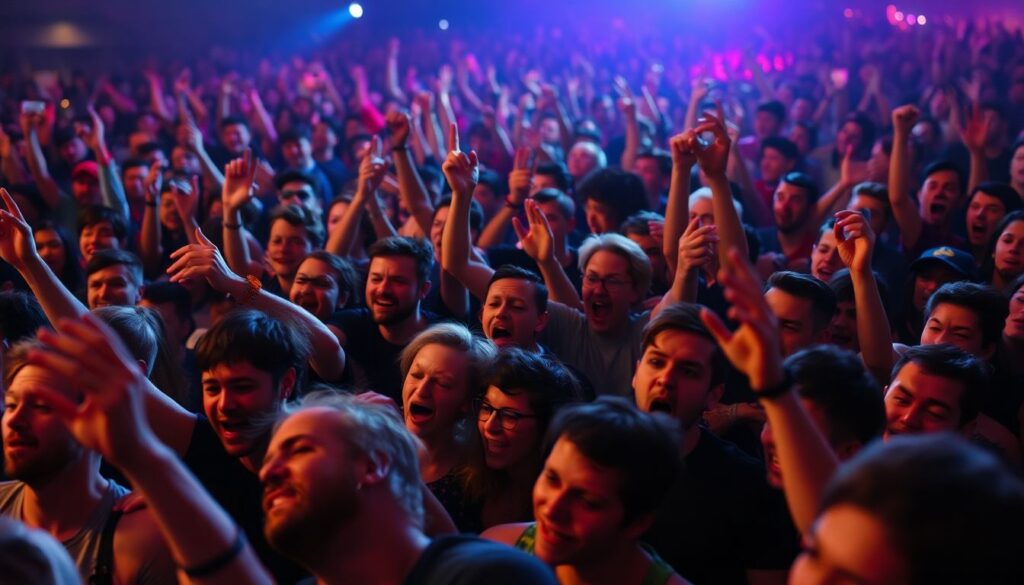
Collective emotion emerges when thousands of individuals influence each other’s feelings through sound, movement, and visual cues. Emotional contagion is the rapid spread of moods-joy, anger, fear-across a crowd. If you ignore these dynamics, then small triggers can escalate into serious incidents.
Recommended benefits when managed well:
- If you align music, lighting, and big-screen content with desired emotions (welcome, pride, respect), then positive contagion strengthens club identity.
- If stewards and security teams are trained to recognise emotional «spikes», then they can intervene early with calming messages or humour instead of force.
- If players and coaches model respectful behaviour after controversial decisions, then fans receive strong non-verbal cues to de-escalate.
- If you include moments of shared silence or applause for social causes, then the stadium becomes a space for constructive civic emotion, not only rivalry.
Inherent limitations and risks:
- If you rely only on signage and rules, then emotional contagion will override them in critical moments; rules must be embodied by visible staff behaviour.
- If you overuse hyper-aggressive content (war metaphors, enemy imagery), then you make it harder to cool down fans after defeat or refereeing errors.
- If alcohol is easily available without parallel emotional management, then frustration can spread faster than any security team can react.
- If the stadium acoustics exaggerate certain sectors (e.g., ultras) and silence others, then a small minority can dictate the emotional climate.
Spatial technology: scoreboards, lighting, and mediated presence
Spatial technology covers all devices that mediate experience in the stadium: video scoreboards, LED bands, sound systems, Wi‑Fi, and even AR apps. If you treat them as parts of the ritual architecture, then they enhance meaning instead of becoming pure distraction.
Common mistakes and myths:
- If you assume bigger screens automatically improve atmosphere, then you risk turning fans into passive viewers; screens must invite participation (chants, waves, coordinated colours).
- If you flood the bowl with constant advertising, then sacred pauses disappear and emotions cannot breathe; short, clean «ritual windows» are essential before anthems or penalties.
- If you believe bright light is always safer, then you miss that controlled darkness plus spotlights can focus attention and calm lateral conflicts.
- If you copy North American show formats without adaptation, then you may clash with traditional European fan cultures that value organic chants over scripted entertainment.
- If you push fans to use phones and apps non-stop, then you dilute collective presence; design a few key, synchronised digital moments instead of permanent second-screen pressure.
- If you treat sound as only «louder is better», then messages become noise; clarity, rhythm, and placement matter more than maximum decibels.
Management and ethics: safety, commercialization and community stewardship
Management and ethics address how clubs balance financial goals with responsibility to fans and neighbours. If you see the stadium as a modern temple, then you manage it as a community trust, not only an asset.
Mini-case scenario for Spanish context:
- If a club launches high-priced experiencias VIP en estadios de fútbol europeos while traditional season ticket holders feel squeezed, then resentment grows and rituals fracture between «elite» and «people’s» zones.
- If the club instead reserves some VIP inventory for local social projects and transparent lotteries, then premium products coexist with a narrative of shared benefit.
Concrete «if… then…» governance guidelines:
- If dynamic pricing for entradas para partidos en grandes estadios de fútbol makes certain matches unaffordable, then set ethical caps and allocate a percentage of tickets at stable prices for local fans.
- If you sell paquetes de viaje para vivir clásicos del fútbol en estadios emblemáticos to international visitors, then coordinate with supporter groups so tourist behaviour respects local rituals and memorial spaces.
- If your online shop for souvenirs y camisetas oficiales de equipos de fútbol en tienda online thrives, then reinvest a visible share into fan culture (banners, youth teams, accessible seating) and communicate this clearly.
- If nearby residents bear the cost of noise and congestion, then include them in decision-making bodies and share benefits (community tickets, local business partnerships).
- If you face incidents of discrimination inside the stadium, then treat them as violations of the «temple’s» ethical code, with swift, public responses and educational measures.
Practical Clarifications and Common Doubts
Are stadium rituals really comparable to religious practices?
They are comparable in structure, not in content. If you look at repetition, symbols, and emotional peaks, then stadium rituals work very much like religious ones, but directed toward club identity rather than spiritual beliefs.
How can smaller clubs apply these ideas with limited budgets?
If money is tight, then focus on low-cost ritual elements: coordinated entrances, simple chants, fan-created flags, and well-timed music. Architecture and technology help, but the key is consistency and co-creation with supporters.
Do VIP experiences damage the «authentic» atmosphere?
If VIP areas are isolated and respectful of core rituals, then they can coexist with authentic fan culture. Problems arise if VIP demands override traditional chants, flags, or standing sectors, or if pricing displaces long-time supporters.
What role should security play in emotional management?
If security behaves only as enforcement, then they often escalate tensions. If they are trained to read emotional cues, communicate calmly, and use ritual moments (applause, music breaks) to defuse anger, then they become guardians of the shared «temple».
How do commercial messages fit into a sacred-like environment?
If commercial content respects key ritual times and reinforces club values, then it can be integrated without breaking the atmosphere. Overlapping ads with anthems, memorials, or decisive plays, however, undermines the sense of respect and shared meaning.
Can technology replace traditional chants and flags?
Technology can amplify, but not replace, organic fan culture. If you use screens and lights to support existing songs and colours, then you strengthen identity; if you try to script everything from the control room, then fans feel manipulated and disengage.
Why are tours and museums important outside matchday?
If tours and museums extend ritual narratives all week, then the stadium functions as a living temple, not just a weekend arena. This continuity deepens attachment for locals and educates visitors about the club’s values and history.