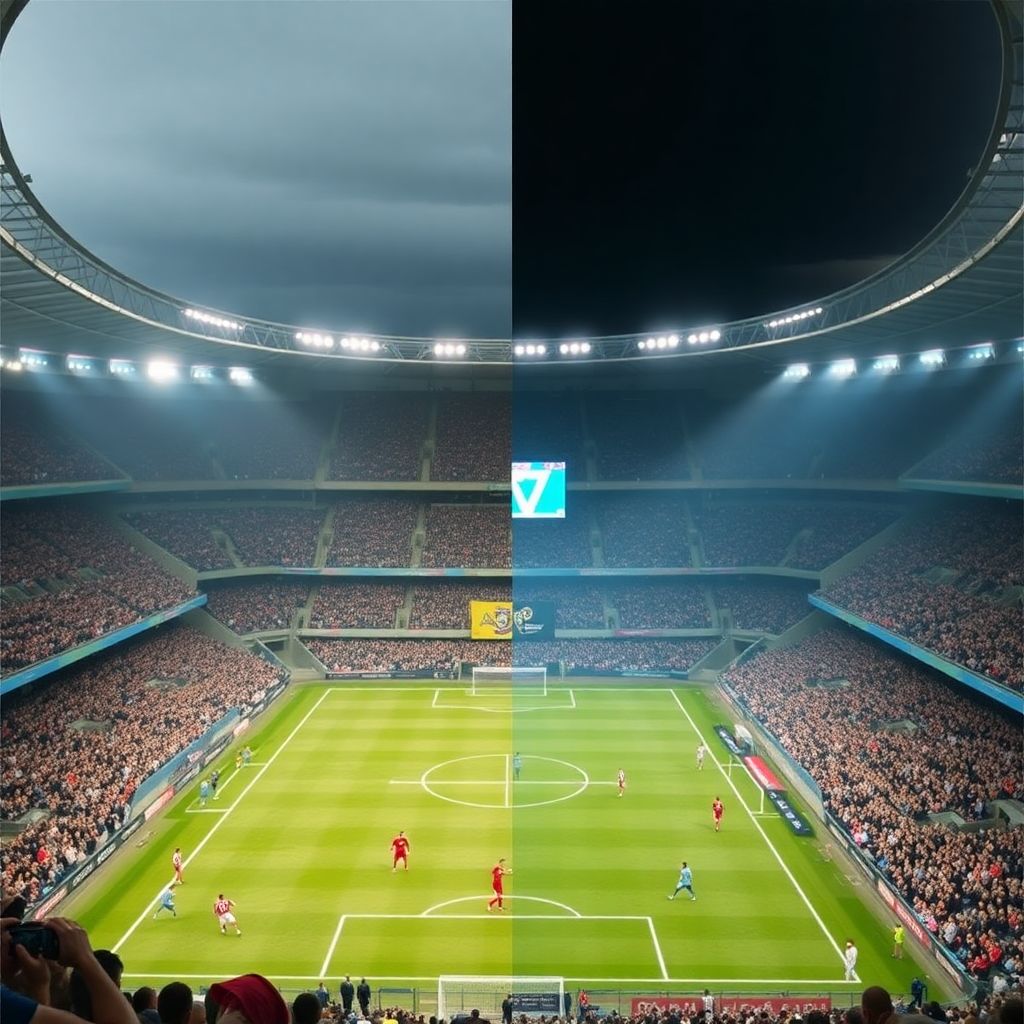
Past football was not simply better or worse; it was different along clear lines: tactics, rules, physical preparation, money and media. To navigate the debate safely, treat claims about the «mejor época del fútbol mundial» as hypotheses, compare eras with transparent criteria, and acknowledge both data limits and emotional attachment.
Core arguments on whether past football was superior
- Romanticization blends real historical differences with selective memory and cultural identity.
- Objective comparisons must separate rule changes, tactics and athletic evolution from nostalgia.
- Commercialization altered incentives and aesthetics, but also broadened access and professionalism.
- Player welfare has improved in many dimensions, even if fans miss physicality and spontaneity.
- Fan culture shifted from local, stadium-centric rituals to global, digital communities.
- The safest stance is to study eras as distinct ecosystems instead of ranking them absolutely.
Defining romanticization: myths versus measurable change
Romantización del pasado en el fútbol is the tendency to idealise earlier eras of the game, attributing to them a purity, passion or quality that supposedly does not exist today. It usually emerges when fans compare fútbol de antes vs fútbol de ahora using memories, stories and emotions rather than consistent evidence.
This romanticization feeds on several mechanisms: selective memory (we recall legendary matches and forget dull ones), narrative simplification (heroes and villains, loyalty vs money), and social context (football linked to childhood, family or community identity). The more emotionally loaded the memory, the more «true» it feels, regardless of the data.
To define its limits, it helps to distinguish between myths and measurable change. Myth-based claims are vague or absolute («players loved the shirt more», «defending was tougher»), while measurable changes involve specific, checkable elements: offside rules, allowed substitutions, training loads, pitch quality, broadcast income or number of international fixtures.
Safe interpretation starts by asking three questions before repeating a statement about fútbol de antes vs fútbol de ahora:
- Is this a concrete, observable difference or a general feeling?
- Can I point to rules, data or documents that support it?
- Am I extrapolating from the historia del fútbol clásico y sus leyendas to all matches and players of that era?
Tactical and technical evolution: what statistics reveal
Even without inventing exact numbers, we can outline how analysis usually compares past and present tactics and technique in a structured way.
- Rules and space on the pitch. Changes in offside interpretation, back-pass rules and substitutions reshaped how teams occupy space, making pressing and structured build-up far more common than in many «classic» eras.
- Physical intensity and distance covered. Modern training and scheduling have pushed overall intensity upward; teams can sustain pressing and quick transitions for longer periods than most sides from the mid-20th century.
- Positional data and pressing patterns. Tracking technologies show coordinated pressing and compactness that would be hard to maintain without today’s tactical schooling and fitness; this affects how we judge both defenders and creators.
- Passing structures and ball circulation. Modern sides often complete more passes under pressure, especially in the first and second thirds, challenging the idea that technique has declined compared to fútbol de antes.
- Set‑piece organisation. Analysis of corner and free‑kick routines suggests increasing sophistication in blocking, decoys and timing, replacing some of the more chaotic battles of earlier decades.
- Role specialisation. Player tasks are more micro‑defined (inverted full‑backs, false nines, half‑spaces), which can make old footage look «freer» but also less optimized from a tactical standpoint.
These patterns do not say the past was worse; they show that tactical and technical contexts changed. When people feel nostalgia por el fútbol antiguo, they may be responding to a different tempo, more space for dribblers, and less homogeneity between teams-elements that current metrics sometimes treat as «inefficiencies».
Applying the analytical lens in everyday football discussions
Before the next argument about the mejor época del fútbol mundial, you can use a few safe, practical steps.
- When someone claims that «defending was better before», ask which rules and tactical shapes they refer to and whether we have footage across full seasons, not only finals.
- When you compare a classic number 10 with a modern playmaker, list concrete constraints: pressing intensity, pitch conditions, allowed fouls, and pressing triggers around them.
- When analysing a classic match, rewatch it asking: How many players get back into shape after losing the ball? How compact are lines? How often do goalkeepers use their feet? This reframes nostalgia as structured observation.
- For coaches or analysts, create small video playlists: similar match scenarios from past decades and from today. Let players identify differences in spacing and decisions; this keeps respect for history while emphasising current demands.
Commercialization and media: impact on the game’s character
Debates about fútbol de antes vs fútbol de ahora often hide a deeper discomfort with commercialization and media saturation. Many fans associate the past with local radio, simple kits and limited television, while today’s game is linked to branding, sponsors, global tours and 24/7 coverage.
- Broadcast rights and scheduling. As TV and streaming income grew, kick‑off times began to reflect global markets rather than local rhythms, altering how fans in Spain experience weekend fixtures.
- Transfer market narratives. Media framing of the transfer window has shifted attention from long‑term squad building to short cycles of speculation and «blockbuster» moves, feeding the idea that loyalty has vanished.
- Social media and player image. Modern players are public brands; off‑pitch content blurs the line between sport and entertainment, which can make past idols seem more «authentic» simply because they were less exposed.
- Competition formats. The expansion of European and international competitions created more high‑profile fixtures but sometimes diluted the rarity of «big nights» that shape the historia del fútbol clásico y sus leyendas.
- Narrative control. Club‑controlled media and highlight‑driven coverage emphasise drama and controversy over tactical nuance, influencing what supporters remember and romanticise later.
Safe conclusion: commercialization has undeniably changed the ecosystem, but it is not automatically proof that football quality declined. It changed who has power and which stories dominate, not the basic potential of the game itself.
Player welfare and training: then versus now
In discussions about nostalgia por el fútbol antiguo, player welfare is often overlooked. Yet comparing eras responsibly means mapping both advantages and costs, especially around injuries, workloads and long‑term health. Below are structured upsides and limits of past and present approaches.
Main advantages of the modern era for players

- Sports medicine and recovery. Better diagnostic tools, rehab protocols and medical staff reduce some injury risks and improve post‑injury performance.
- Structured physical preparation. Periodisation, nutrition planning and individualised conditioning help players sustain higher tempo and intensity.
- Data‑informed workloads. GPS and monitoring of training loads allow staff to detect fatigue patterns earlier and adjust sessions.
- Awareness of mental health. While still imperfect, there is more open conversation about psychological support, pressure and burnout.
- Career protection mechanisms. Contracts, insurance and unions are generally stronger than in many «classic» periods.
Key limitations and new risks introduced over time
- Fixture congestion. More competitions and commercial tours can overload top players despite better recovery tools.
- Constant visibility. Social media and media pressure create permanent scrutiny, affecting concentration and long‑term motivation.
- Early professionalisation. Intense training and scouting from a very young age can limit alternative development paths and increase psychological risk if careers stall.
- Specialisation over creativity. Highly structured training may reduce the street‑football improvisation often associated with fútbol de antes, changing the profile of creative players.
When someone claims that the past was «healthier» or «more human» for players, safe analysis asks: healthier for whom, under which working conditions, with what medical knowledge, and at what hidden long‑term costs?
Fan experience and culture: authenticity or nostalgia
The feeling that «real football» belongs to the past is tightly tied to fan culture. For many, particularly in Spain and Latin America, childhood trips to local stadiums and radio broadcasts define what authentic football means, making current experiences feel artificial by comparison.
- Myth 1: Atmospheres were always better in the past. High‑profile derbies and finals support this vision, but many ordinary matches had half‑empty stands and limited songs; we mainly remember the iconic nights.
- Myth 2: Fans were more loyal and patient. Historical records show intense criticism, booing and even violence toward players and managers; social media amplifies this today but did not invent it.
- Myth 3: Tickets were universally affordable. While many could attend more easily, there were also economic barriers, social exclusions and limited access for certain groups that nostalgia often ignores.
- Myth 4: Football was free from politics and business. From club presidents linked to regimes to corporate sponsorships in the 20th century, football has long been entangled with wider power structures.
- Myth 5: Global fans cannot be «real» fans. International supporters today may lack local stadium rituals but often invest time, money and emotional energy comparable to earlier local fanbases.
Recognising these myths does not invalidate personal memories. It simply highlights that nostalgia por el fútbol antiguo is partly about life stages and social change, not just about tactics or players.
Assessing quality: criteria to compare eras objectively
If we want to discuss the mejor época del fútbol mundial without getting trapped by unexamined nostalgia, we need explicit criteria. The aim is not to crown a single winner but to see how our judgments depend on what we value.
A safe, step‑by‑step approach for comparing eras could look like this conceptual «pseudo‑algorithm»:
- Define the question clearly. Are you comparing entertainment, technical skill, tactical complexity, fairness, or player welfare? Avoid merging them into one vague «quality» label.
- Select measurable indicators where possible. For example: variety of champions, competitive balance within leagues, tactical diversity, average career length, number of international tournaments, or known rule changes that affect space and tempo.
- Gather diverse sources. Combine match footage, tactical writing, interviews with players and coaches, and contemporary media rather than relying solely on retrospective documentaries about the historia del fútbol clásico y sus leyendas.
- Separate aesthetics from effectiveness. A slower, more open game may be more enjoyable for some spectators, while a compact, high‑pressing game may score higher on tactical sophistication. Both can coexist without one invalidating the other.
- State your value choices openly. If you care most about local identity and community rituals, you may rank older eras higher; if you value peak athletic performance and tactical refinement, modern football might score better.
- Accept incomplete knowledge. Data gaps, missing footage and different contexts mean we will never achieve a fully precise comparison between fútbol de antes vs fútbol de ahora. The responsible stance is to present conclusions as informed, not definitive.
Using this method turns emotional debates about romantización del pasado en el fútbol into structured conversations. Instead of arguing whether one era was absolutely superior, you clarify what each era did best under its own constraints.
Practical clarifications on common assumptions about past football
Was football technically better in the past than today?
We lack comprehensive data to prove a global decline in technique. Modern players generally operate under higher physical and tactical pressure, which can make control and creativity less visible, but not necessarily worse. It is safer to say that technical demands changed rather than quality simply dropping.
Did players care more about their clubs in earlier eras?
There are many examples of loyalty in the past, but also of conflict, transfers and contract disputes. Today’s transfer market is more visible and global, which amplifies the impression of mercenarism. Commitment still exists; its expressions are shaped by different economic realities.
Were referees more tolerant of physical play, making defenders «tougher»?
Older footage and rule books show more permissive attitudes toward certain tackles and contact. However, medical knowledge about head injuries and long‑term damage was also weaker. It is fair to say defenders played under different incentives, not that courage or ability have disappeared.
Is modern commercialization proof that football has lost its soul?

Commercialization changes rituals, symbols and distribution of power, but it does not automatically erase passion or authenticity. Many local clubs and grassroots projects coexist with elite business models. The key is to distinguish between structural criticism and blanket statements that idealise the past.
Can we objectively choose the mejor época del fútbol mundial?
Not fully. We can propose criteria and compare specific aspects like tactics, competitive balance or player welfare, but personal values and incomplete information always influence results. Being transparent about those limits is the safest way to use such rankings.
Why do stories about classic players and matches feel more «magical»?
Distance, scarcity of footage and narrative editing all enhance the aura of past legends. The historia del fútbol clásico y sus leyendas is built from peaks-finals, decisive goals, iconic characters-while everyday matches fade away. Modern players may be judged more harshly because every action is recorded and dissected.
How can a fan enjoy nostalgia without distorting current football?
Use nostalgia as a personal pleasure: rewatch old matches, read about past teams, visit museums. At the same time, watch today’s game with curiosity about its own innovations. This balance honours history without assuming that everything new is automatically worse.