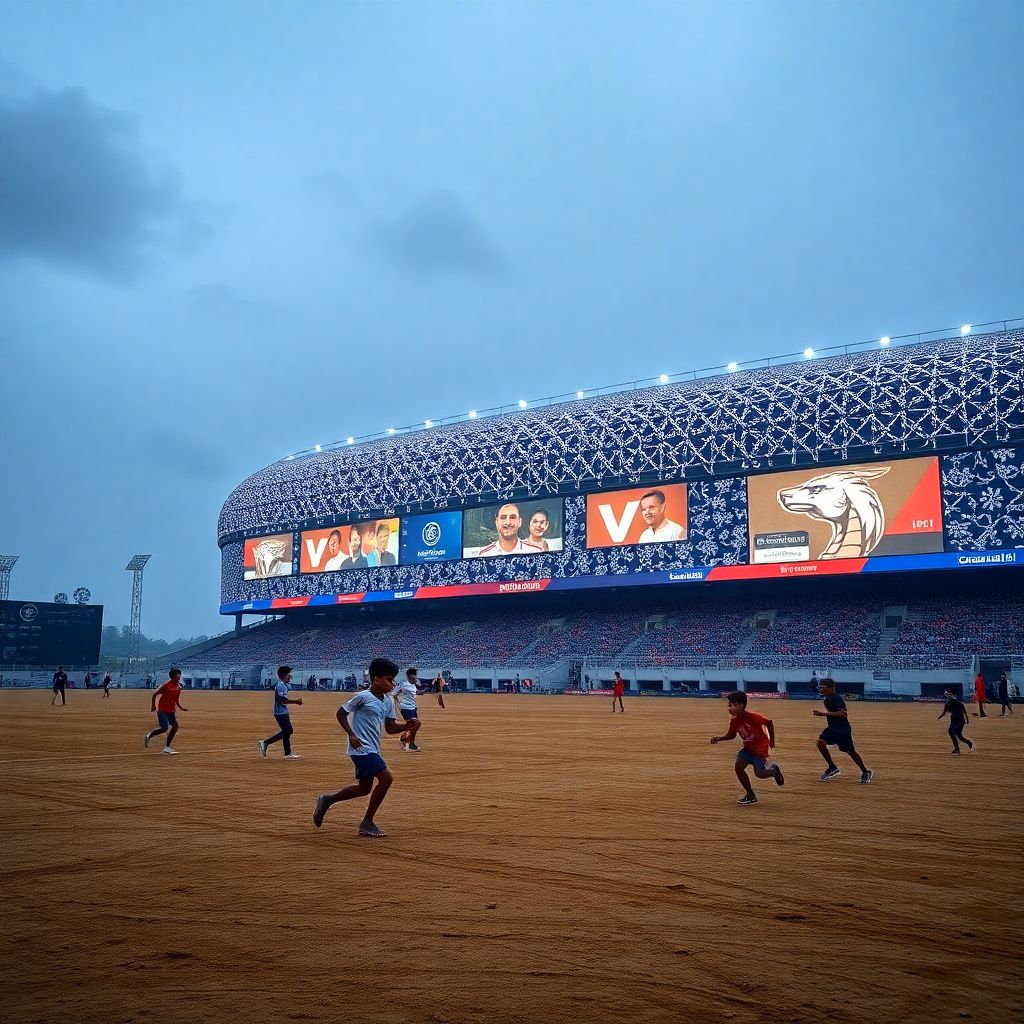
Football today is both: a simple game on the pitch and a complex entertainment product engineered to sell. Understanding where it is «just football» and where it becomes a designed product helps clubs, leagues, sponsors and fans make better decisions about schedules, prices, marketing and sporting integrity.
Thesis Snapshot: From Pitch to Commodity
- The basic rules still make football a simple, accessible sport; the complexity appears around broadcasting, data and monetisation.
- Leagues deliberately package matches as content: fixed kick-off slots, storylines, star-building and global tours.
- Elite clubs use advanced marketing deportivo en el fútbol moderno to sell memberships, shirts, experiences and digital content.
- The negocio del fútbol derechos de televisión is now the main revenue engine and strongly influences calendars and formats.
- Patrocinios y publicidad en el fútbol de élite shape kits, stadium names and even pre-season travel plans.
- Fans and local communities are a core asset; if they feel used, the product side collapses quickly.
Historical Roots: football as a local pastime
Originally, football was a local, low-cost pastime: simple rules, minimal equipment and strong community ties. People played in streets, fields or factory teams, with spectators often standing close to the touchline. Money was secondary; identity, rivalry and belonging were the real «currency».
As formal competitions emerged, the sport kept that simplicity on the pitch. Eleven versus eleven, one ball, ninety minutes: the structure was intuitive. Clubs were often member-owned associations, run by volunteers or local leaders. Decisions were made around sporting merit and neighbourhood pride, not shareholder value or global TV ratings.
Even when early professionalisation appeared, the logic was still local. Ticket sales came mainly from residents who could walk to the stadium. Media coverage was limited to newspapers and local radio. In this ecosystem, tactics evolved, but the game was not yet packaged as a global product.
A practical example is a historic Spanish Segunda club in the 1970s. Revenue came almost entirely from matchday tickets and small local sponsors like the bar on the corner. Training schedules followed workers’ shifts. There was no strategy for cómo monetizar un club de fútbol profesional beyond filling the terrace on Sunday and maybe selling a few scarves.
This «local pastime» model is still visible in many lower-division and amateur clubs across Spain. Understanding it is essential: it is the baseline against which we can measure how far elite football has moved towards being a sophisticated, multi-layered product.
Commercialisation milestones that redefined the game
Football turned into a complex product through a series of concrete commercial milestones, rather than one sudden change. Knowing these steps helps clubs and stakeholders see which mechanisms they are already part of, and which ones they can still choose to adopt or resist.
- Introduction of paid broadcasting rights. Once leagues began selling TV packages, the negocio del fútbol derechos de televisión started to outweigh ticket income. Schedules shifted to fit broadcasters, not local fans, laying the foundation for today’s prime-time «match windows».
- Stadium modernisation and hospitality. All-seater stadiums and VIP areas turned matches into layered experiences: from cheap stands to premium boxes. This transformed a single matchday ticket into multiple products with distinct price points and service levels.
- Global merchandising and brand licensing. Shirts, caps and lifestyle products pushed clubs beyond sport into fashion and culture. Marketing deportivo en el fútbol moderno began to resemble consumer-goods marketing, with segmentation, branding and seasonal launches.
- Digital media and social platforms. Clubs now act as media houses, producing daily content. Matches are the «anchor show», supported by behind-the-scenes videos, documentaries and interactive formats that keep fans engaged (and monetised) between games.
- Financial regulations and investment funds. Regulations around spending and ownership attracted new capital but also required predictable revenue. This incentivised more aggressive patrocinios y publicidad en el fútbol de élite and long-term TV contracts to secure cash flows.
A useful example is how a mid-table LaLiga club evolved across two decades: from depending mostly on ticket sales and a local bank sponsor, to structuring its budget around TV money, a global betting partner, stadium naming rights and international pre-season tours targeting Asian markets.
Tactical depth versus entertainment engineering
The game on the pitch has always had tactical depth. What is new is entertainment engineering: decisions and strategies designed primarily to increase viewership, engagement and commercial value, even if they do not always align with pure sporting logic.
- Fixture design for drama. Leagues now cluster «big» matches on key weekends and prime-time slots. This is not about tactical fairness but about maximising audiences and sponsor exposure. It turns rivalry games into designated «tentpole events» in the season calendar.
- Rules and interpretations that favour spectacle. Small regulatory shifts-from added time to VAR protocols-often have a commercial dimension: more action, more talking points, more clips to distribute. Coaches must adapt tactics not just to win, but to navigate these spectacle-oriented conditions.
- Star-centric narratives. Tactical systems are sometimes adapted to highlight one or two global stars who are easier to market. For example, a team might tolerate lower defensive work from a star forward to keep them fresher and more visible as a «hero product» for global audiences.
- Content-driven training access. Open training sessions, mic’d-up players and documentary crews can modify how teams prepare. A club may accept a small tactical disadvantage in exchange for a global content series that boosts shirt sales and sponsorship value.
- Data and betting integration. Granular live data feeds power second-screen apps and betting products. Tactical decisions (pressing intensity, substitutions) are instantly converted into live odds, statistics graphics and engagement triggers, blending sport and entertainment products.
A concrete case: a top Spanish club agrees to a documentary with a global streaming platform. Coaching staff must plan which meetings can be filmed, which tactical talks stay off-camera, and how to protect competitive secrets while still delivering an engaging «football story» that sells the club’s brand internationally.
Broadcasting, scheduling and the packaging of matches
Broadcasting and scheduling are where football most clearly becomes a designed product. Matches are no longer isolated sporting events; they are episodes in an entertainment series, carefully packaged to maximise reach, frequency and monetisation opportunities.
Commercial advantages of heavy packaging
- Expanded audience reach. Spreading kick-off times across the weekend creates more live slots, allowing fans in different time zones to watch and opening new markets for future patrocinios y publicidad en el fútbol de élite.
- Inventory for sponsors and advertisers. More matches in distinct windows mean more exclusive «billboard moments» for brands: pre-game shows, half-time segments and post-match interviews.
- Predictable rhythm for fan habits. Fixed time slots (e.g., Friday night, Sunday night) make it easier for fans to plan viewing, similar to a TV series. This is essential for long-term estrategías comerciales para clubes de fútbol and leagues.
- Stronger storytelling. Broadcasters create weekly narratives: title races, relegation battles, individual awards. This encourages continuous viewing, not just tuning in for one big derby.
Structural and ethical limitations
- Local fan inconvenience. Late-night kick-offs or frequent Monday games harm match-going supporters, especially families and workers reliant on public transport.
- Sporting integrity pressures. Compressed schedules driven by TV demands increase fatigue and injuries, potentially affecting fairness and the quality of play.
- Overexposure risk. Too many televised matches can dilute the sense of occasion. Fans may start watching highlights only, weakening the live product.
- Dependency on broadcasters. Clubs become financially vulnerable to changes in TV contracts. A drop in fees can destabilise budgets built on optimistic projections.
Consider a Spanish club moved repeatedly to late Sunday and Monday slots for TV. Global viewership grows, but local attendance drops, matchday revenue stagnates and ultras feel ignored. Management must rebalance: negotiate better slot distribution, enhance stadium experience, and diversify income so the club is not hostage to broadcasting alone.
Economic architecture: clubs, leagues and monetisation channels
Economically, football is now an ecosystem where clubs, leagues, broadcasters, sponsors and fans exchange value through multiple channels. Misunderstanding this architecture leads to strategic errors and unrealistic expectations about profitability or sustainability.
Typical misconceptions that distort decisions

- «Winning automatically solves finances.» Sporting success helps, but without clear estrategías comerciales para clubes de fútbol-pricing, data use, partnerships-clubs can still lose money despite trophies. Revenue models must be designed, not assumed.
- «TV money will always grow.» The negocio del fútbol derechos de televisión has limits: audience fragmentation, new platforms and regulatory scrutiny. Basing wage structures on endless TV growth is a high-risk bet.
- «Sponsors pay just to appear on the shirt.» Modern patrocinios y publicidad en el fútbol de élite are performance-based: brands demand measurable returns (engagement, leads, hospitality benefits). Clubs that cannot deliver data and activation opportunities will see deals stagnate.
- «Digital followers equal cash.» A large social audience is an asset only if you define pathways to revenue: ticket upselling, merchandise, memberships, streaming passes. Otherwise, it is just a vanity metric, not a strategy for cómo monetizar un club de fútbol profesional.
- «Every club can become a global lifestyle brand.» Very few have the history, symbols and on-pitch success to monetise internationally at scale. For most, smarter local and regional positioning beats unrealistic global branding dreams.
A concrete example: a mid-sized club in Spain invests heavily in star signings expecting instant commercial returns. Wages explode, results are inconsistent and sponsors hesitate. Only when the club builds a proper commercial plan-segmented ticketing, B2B events, local business packages, data-driven email campaigns-does revenue grow in a stable way.
Authenticity and fan experience in a commodified ecosystem
As football becomes a product, authenticity is the main differentiator. Fans can detect when decisions are made purely for money. Sustainable clubs design experiences where commercial logic and emotional connection reinforce each other instead of competing.
A practical way to think about it is to map every initiative on two axes: «revenue potential» and «impact on identity». High-revenue, low-identity projects (for example, a controversial foreign Super League) risk short-term cash but long-term damage. Low-revenue, high-identity projects (community days, local youth programmes) may be essential to keep the emotional core alive.
Consider this mini-case: a Spanish club wants to introduce an expensive new hospitality tier, replacing a traditional standing section behind the goal. Financial projections look attractive. However, ultras groups warn they will stop attending. The club rethinks the plan: it creates a smaller hospitality area on a lateral stand and invests in improving safe-standing infrastructure instead of eliminating it. Revenue still grows, and the unique atmosphere-which also sells the «product» on TV-is preserved.
In practical terms, the most successful marketing deportivo en el fútbol moderno is usually rooted in the club’s own story: colours, songs, neighbourhood, and iconic matches. Commercial partners are integrated into that narrative rather than pasted on top of it. This protects authenticity while making sponsorships, memberships and digital content feel like natural extensions of the sport.
Quick checklist: is this football or mainly a product?
- Does the decision primarily improve sporting quality and fan experience, or mainly maximise short-term revenue?
- Would local match-going fans support this change if there were no extra TV or sponsor money involved?
- Does it respect the club’s history, rivalries and community identity, or dilute them for generic global appeal?
- Can you explain the change transparently to supporters without hiding the commercial motive?
- Does the initiative create more people who play and engage with football, or only more ways to charge existing fans?
Clarifications on key practical doubts
Can smaller clubs avoid turning into a commercial product?
They cannot fully avoid commercial logic, but they can choose scale and style. Focusing on community sponsors, sensible ticketing and local media allows them to stay closer to the «game» side while still being sustainable.
Is heavy marketing always negative for sporting performance?
Not necessarily. Well-managed estrategías comerciales para clubes de fútbol can fund better academies, facilities and staff. Problems arise when commercial demands (tours, content, events) overload players and staff, or when money is spent badly.
How can fans influence the balance between sport and product?
Fans can support initiatives aligned with identity and openly oppose those that clearly sacrifice sporting integrity. Season-ticket renewals, membership votes, coordinated communication and dialogue with club boards all send strong signals.
What is the first step to monetise a professional club responsibly?
Start by mapping current touchpoints with fans: stadium, digital channels, retail, community events. Then design 2-3 clear, transparent paths-such as memberships or experience packages-that add value for fans instead of just raising prices.
Are television rights more important than sponsorships today?
In most top leagues, TV rights bring more revenue than individual sponsorships, but clubs need both. Patrocinios y publicidad en el fútbol de élite diversify income and reduce dependency on a single broadcaster or rights cycle.
Does global expansion always improve a club’s finances?
Global tours and international fanbases help only if they are part of a plan. Without consistent content, local partnerships and adapted products, foreign interest is superficial and rarely converts into stable revenue.
Is it still possible to watch football «like before»?
Yes, especially at grassroots and lower-division levels in Spain. Attending local matches, supporting nearby academies and amateur teams offers an experience much closer to football as a simple, community-based game.