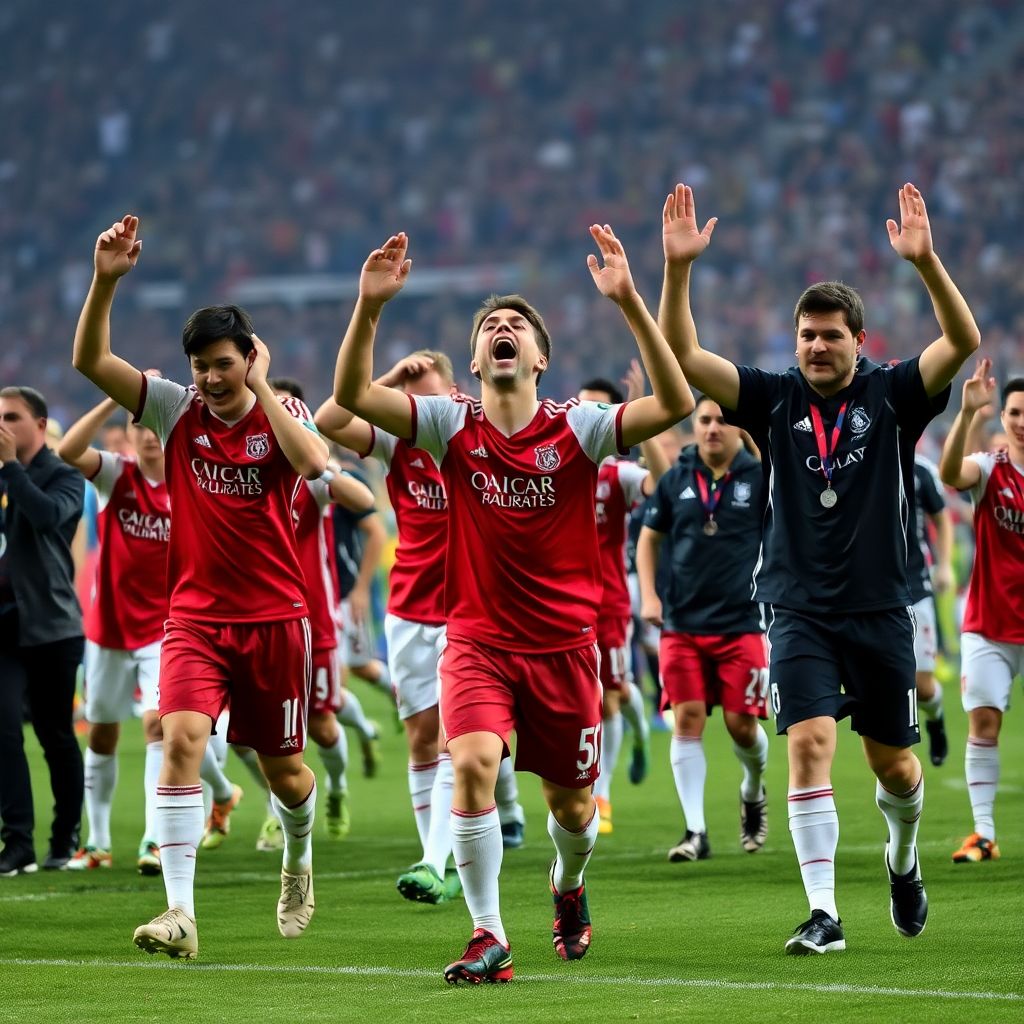
The narrative of the «beautiful loser» explains why fans admire teams that fail yet display style, courage, and identity. It values expressive play, emotional connection, and moral coherence over trophies. This narrative is powerful but risky: it can inspire resilience or, misused, become an excuse for repeated, preventable failure.
Essential concepts behind the «beautiful loser» narrative
- A «beautiful loser» is a team that loses often yet shows attractive play, clear identity, and emotional honesty.
- The fascination comes from identification: we see our own imperfect efforts mirrored in these teams.
- Media, books, and films amplify certain defeats, turning them into heroic myths.
- This story can hide structural problems (management, planning, resources) behind romantic aesthetics.
- The healthiest approach is: admire the style, but measure progress with concrete performance indicators.
- A simple review algorithm helps decide whether your team is growing or just repeating glamorous failure.
Defining the «beautiful loser»: core traits and limits

The «beautiful loser» in sport is a team or athlete who fails to win titles yet captivates audiences through style, bravery, and coherence. Think of sides that attack relentlessly, refuse cynical tactics, and maintain a strong identity, even when the scoreboard punishes them.
This narrative has three core traits: aesthetic value (how they play), ethical tone (how they behave), and emotional resonance (how they connect with fans). It is less about the final result and more about the way they inhabit the contest: attacking even when it is safer to defend, staying loyal to principles under pressure, showing vulnerability after defeat.
However, there are limits. A team is not automatically a «beautiful loser» just because it loses often. If there is no clear idea, no consistency, or if players show apathy, romantic language simply masks mediocrity. Likewise, a powerhouse club buying top stars and losing cannot claim underdog beauty by default.
In practice, treat the concept as a lens, not a shield. Use it to recognise authenticity and courage in defeat, but always pair it with sober analysis of tactics, training, management, and resources.
Why graceful failure captivates us: psychological mechanisms
The fascination with graceful failure arises from well-known psychological dynamics that shape how fans perceive sport and their own lives.
- Identification with imperfection. Most people fail more than they win. A «beautiful loser» mirrors our own imperfect efforts and makes failure feel meaningful instead of shameful.
- Narrative coherence. A stylish defeat with clear effort and visible emotion offers a better story than a dull victory. The brain loves coherent, dramatic narratives more than bare outcomes.
- Moral compensation. When a team plays «the right way», we unconsciously compensate results with moral credit: «They deserved more, so they are winners in another sense.»
- Tragedy and catharsis. Like classic tragedy, a dignified defeat allows fans to experience intense emotions safely, then release tension through tears, chants, or post‑match analysis.
- Community identity. Suffering together strengthens group bonds. A fan base built around proud suffering becomes very loyal, especially when the club’s history is full of near misses.
- Cognitive dissonance reduction. When our team loses, it hurts our identity. Reframing them as «beautiful losers» protects self-esteem without abandoning the team.
Micro-scenarios for using the narrative in real teams
Applying these mechanisms consciously can turn potentially toxic frustration into constructive culture.
- Grassroots team speech. After a narrow loss, the coach highlights brave decisions and intelligent play, framing the group as a «beautiful loser» for the day, then immediately sets a concrete training focus for the next match.
- Club media content. A small club launches short profiles of players who work part‑time jobs and still compete, connecting their everyday struggle with the team’s on‑pitch defeats and near wins.
- Fan discussion spaces. Moderators in online communities encourage threads that explore tactical progress and effort instead of only scoreboard jokes, keeping pride without denying real problems.
Use the narrative in these small, deliberate ways: acknowledge pain, recognise beauty, and then pivot to specific actions for improvement.
How media and culture craft the aesthetics of defeat
Media, art, and commerce transform simple losses into enduring myths, often deciding which teams become canonical «beautiful losers».
- Books and long-form journalism. Many aficionados search for libros sobre equipos perdedores en el deporte that dissect tactical ideas and social context. Good books show how a team’s philosophy created loyal fans despite a lack of trophies.
- Documentaries and series. Platforms increasingly produce documentales sobre equipos que pierden con estilo, focusing on dressing‑room speeches, city landscapes, and supporter rituals. Editing, soundtrack, and talking heads elevate ordinary defeats into cinematic sagas.
- Fiction and cinema. The mejores películas de perdedores hermosos en el deporte usually flatten complexity into a clear moral arc: noble effort, unfair obstacles, heartbreaking but dignified defeat. Viewers then import this simplified frame back into real competitions.
- Merchandising and nostalgia. Shops sell camisetas retro de equipos perdedores míticos, turning past failures into stylish identity symbols. Wearing them signals belonging to a tribe that values fidelity and taste over success.
- Audio analysis and podcasts. Increasingly, podcasts de análisis psicológico de equipos perdedores en el deporte explore fan pain, hope, and identity, giving language and legitimacy to the «beautiful loser» stance.
- Social media storytelling. Short clips of near-misses, consoling gestures, and fans applauding after defeats spread quickly, reinforcing the idea that losing «the right way» is admirable.
Be aware that every layer of mediation – book, film, shirt, podcast, or tweet – selects and exaggerates certain details. If you work in communication, use these tools to celebrate identity and effort, but do not erase responsibility for poor planning.
When elegance in loss conceals systemic problems
The aesthetics of defeat can be both inspiring and dangerously anesthetising. It helps people endure tough seasons, yet it can also hide issues that demand hard decisions.
Constructive functions of the «beautiful loser» story
- Protects young players from destructive shame after high‑profile losses.
- Strengthens club identity when resources are limited and trophies are unrealistic in the short term.
- Motivates bold, creative play instead of ultra‑defensive fear of failure.
- Encourages long‑term thinking around philosophy and development pathways.
Risks and hidden costs when the narrative dominates
- Chronic underinvestment in analysis, sports science, or recruitment, justified by «this is who we are».
- Leaders avoiding accountability by appealing to romance: «We lost, but we stayed faithful to our style.»
- Normalisation of losing streaks, making competitive hunger socially unacceptable within the fan base.
- Marginalisation of staff who bring uncomfortable data or propose pragmatic tactical shifts.
To keep the benefits while reducing the risks, separate aesthetics from operations in your reviews: appreciate bravery and style in one column, and examine planning, decision‑making, and learning in another.
Practical guidelines: adopt the style, avoid the trap
The goal is to use the «beautiful loser» idea as an emotional resource, not as a strategic excuse. These guidelines help keep that balance.
- Make effort visible but not sacred. Praise courage and expressive play, yet accept that effort without learning is not enough. Every brave defeat must feed specific changes.
- Distinguish identity from rigidity. Core principles (pressing, possession, youth development) are healthy; refusing any adaptation («we never change») is not an identity, it is a limitation.
- Anchor narratives in evidence. When talking to players, fans, or boards, pair emotional stories with concrete clips, data, and examples instead of vague claims about «deserving more».
- Rotate the heroes. Do not celebrate only the romantic nearly‑man. Highlight those who improve unseen details: fitness, positioning, communication. This widens the definition of beauty.
- Set time limits on romanticising failure. Decide in advance how long a project can be labelled «brave but unlucky» before you re‑evaluate roles, methods, or goals.
- Use external mirrors. Invite independent analysts, or consult quality literature and podcasts, to avoid being trapped in your own club’s mythology about losing well.
In practice, this means ending every emotional justification of defeat with a clear action sentence: «So next week, we will change X.» Without that last step, romance quietly becomes resignation.
Evaluating consequences: metrics and signals beyond outcomes
To know whether the «beautiful loser» story is helping or hurting your team, you need a short, repeatable review algorithm that complements the scoreboard.
- Define your core identity elements. For example: high pressing, short passing, and youth minutes.
- After each match, rate three dimensions from 1-5. (a) Identity expression: did we play according to our idea? (b) Process quality: decision‑making, intensity, organisation. (c) Learning evidence: what changed compared with the last similar game?
- Classify the match. Use a quick mental label:
- «Good result, good process».
- «Bad result, good process» (potentially a healthy «beautiful loser» moment).
- «Good result, bad process».
- «Bad result, bad process».
- Trigger responses based on patterns. If you see repeated «bad result, good process», keep the identity but refine details. If «bad result, bad process» appears often, stop romanticising and initiate deeper structural review.
- Revisit every quarter. Every few months, check whether your identity ratings are improving and whether narrative («we lose with style») still matches observable behaviour.
This light algorithm fits any level, from youth teams to semi‑professional clubs. Use it after emotionally charged defeats to ground the «beautiful loser» narrative in concrete learning instead of comfortable myths.
Clarifications readers commonly seek
Is a «beautiful loser» always an underdog team?
Not necessarily. Many are underdogs, but a big club can also become a «beautiful loser» during a period of expressive play and frequent near misses. The key factor is how they lose, not only budget size.
How is a «beautiful loser» different from just a bad team?
A bad team shows confusion, lack of effort, or incoherent tactics. A «beautiful loser» has clear ideas, visible commitment, and an identifiable style, even when results are poor. Beauty without competence is self‑deception, not this narrative.
Can adopting this narrative harm young athletes?
It can, if it turns into permanent justification for losing. With young athletes, use the concept briefly to protect confidence after tough games, then guide them toward specific technical and tactical improvements.
Why do fans buy retro shirts from famous losing teams?
Retro shirts symbolise shared memories and identity. Wearing jerseys from mythic losing teams allows fans to express loyalty, taste, and a preference for authenticity over pure success, especially when the team’s style was admired worldwide.
Are films and documentaries about «beautiful losers» trustworthy sources?

They are good for understanding emotions and atmosphere, but they compress reality into neat plots. Complement them with deeper analyses, books, and tactical breakdowns to avoid copying simplified myths into real decision‑making.
How can a coach know when it is time to abandon the narrative?
When repeated defeats show no learning, no tactical evolution, and growing cynicism in the group, it is time to stop romanticising. At that point, more honest is to question methods, roles, or even the whole project.
Is it possible to keep the «beautiful loser» identity after starting to win?
Yes. Many teams preserve their expressive style and emotional openness while becoming more effective. The key is to treat beauty as a way of playing and relating to fans, not as a permanent state of losing.