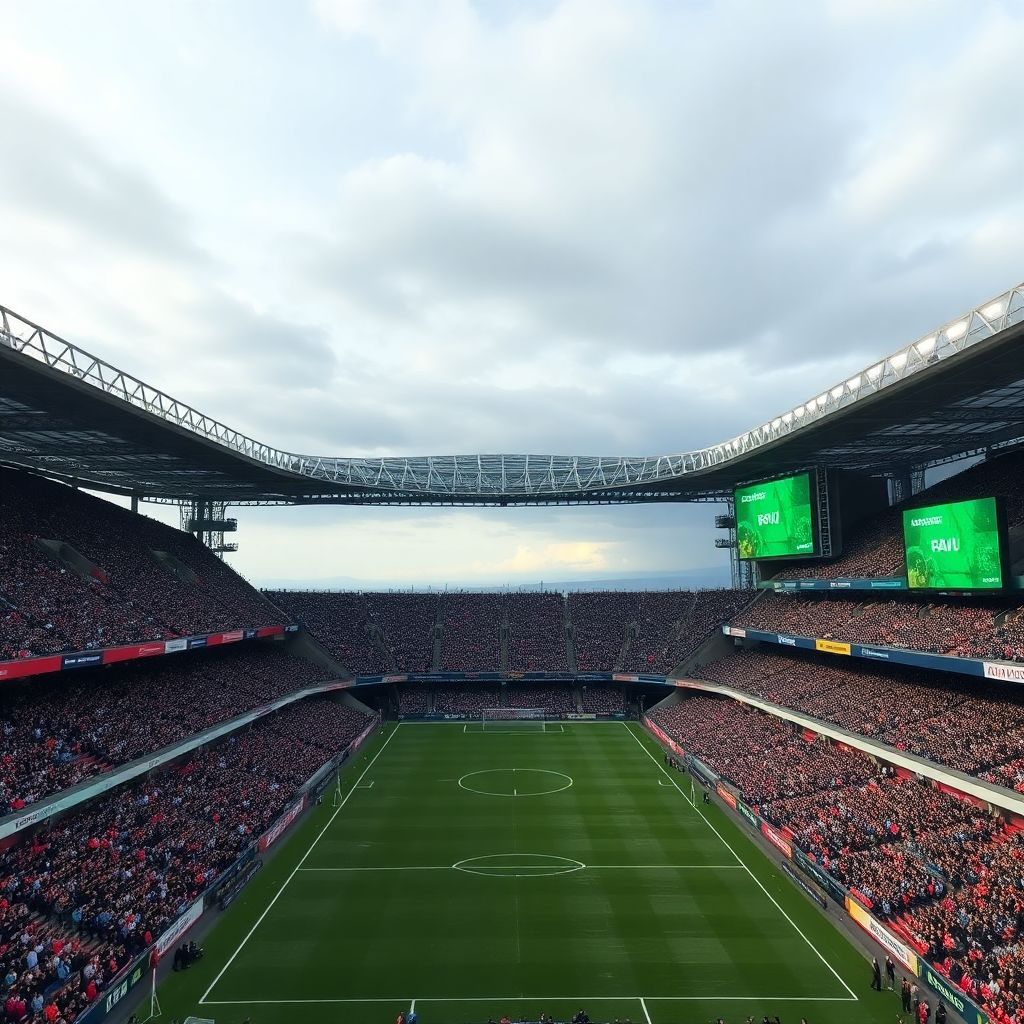
Football’s social class story runs from workers’ leisure game to premium pay‑TV product. Once rooted in industrial barrios and cheap terraces, it is now structured by subscription bundles, exclusive rights and rising costs. Class still shapes who plays, who watches in stadiums, who pays for broadcasts and who profits from the sport.
Core shifts: football and class in brief
- Origins in working‑class clubs and factory teams contrasted with today’s elite corporate management and global branding.
- Revenues migrated from match‑day tickets to advertising, sponsorship and, crucially, pay‑TV and digital streaming rights.
- Class divides moved from the stands to the living room: who can afford premium subscriptions and devices.
- Players became high‑earning workers, yet still negotiate with powerful club owners, leagues and broadcasters.
- Media narratives present football as universal, while pricing and access increasingly exclude lower‑income fans.
- Community clubs, fan ownership and regulation offer partial counter‑weights to full commercialisation.
Myths vs reality: football’s working‑class origins
A common myth says football was simply «invented by the people» and has always been a working‑class sport. Historically, modern rules came from elite schools and universities; only later did industrial workers in England and elsewhere appropriate the game and turn it into a mass, low‑cost spectacle.
In Spain, Britain and much of Latin America, early professional clubs quickly became tied to factories, docks and railway companies. Terraces were cheap, stadiums basic and travel informal. Class lines were visible: workers stood on the terraces, middle classes preferred seats, and owners watched from the directors’ box.
Another myth claims that because football is cheap to play-just a ball and some space-it is automatically socially equal. In practice, access to pitches, coaching, safe environments and scouting networks is strongly classed. Urban planning, club fees and time schedules all filter who can participate regularly and progress.
When people say football has «lost its soul», they often idealise a past that was already structured by class hierarchies, gender exclusion and precarious working conditions for players. What changed is not the existence of class, but the mechanisms: from local gate receipts and factory sponsorships to heavily financialised, global broadcast deals.
Commercialisation timeline: from terraces to broadcast deals
Another widespread idea is that everything changed overnight with one big TV contract. In reality, the turn from workers’ sport to premium product was gradual and layered. Understanding the mechanics helps to see where policy and fan action can still intervene.
- Local professionalism and early sponsors
Clubs first commercialised by paying players, charging entrance and attracting local sponsors. Class divisions widened between professional urban clubs and semi‑professional or amateur neighbourhood teams, but stadium tickets were still relatively accessible to many workers. - National leagues and standardised schedules
Leagues fixed match days and calendars to attract larger crowds and newspapers. Regularity increased media value and made football more attractive for advertisers, while also disciplining players and fans into predictable consumption patterns. - Free‑to‑air television and mass audiences
With the arrival of television, many countries broadcast big matches free‑to‑air. This expanded national audiences, turned players into celebrities and accustomed viewers to watching at home, preparing the ground for later pay models. - Pay‑TV expansion and exclusive rights
Step by step, key matches moved behind paywalls. Leagues sold exclusive packages to cable and satellite operators, linking football televisión de pago precios directly to club budgets and wage inflation. Access became dependent on household income and willingness to subscribe. - Streaming platforms and fragmented rights
Now rights are split across multiple services. Fans are pushed to compare mejores plataformas para ver fútbol en streaming while juggling apps, devices and different contracts. Fragmentation increases total spend and complexity, especially for lower‑income households. - Globalised pre‑season tours and brand partnerships
Clubs tour Asia, North America or the Middle East, building international fan bases that may never attend a live match. Local stadium crowds matter less financially; broadcasters, sponsors and global online audiences matter more.
Each layer added new revenue streams and new barriers. Effective regulation and coordinated fan demands can still shape issues like match scheduling, free‑to‑air quotas or caps on the most aggressive subscription practices.
Labor and ownership: players, clubs and class power
The romantic myth here is that big‑money football has «liberated» players from exploitation. It is true that top professionals now earn very high salaries, but that does not erase power imbalances with club owners, intermediaries and leagues, nor does it reflect conditions in lower divisions and women’s football.
- Top‑tier male professionals
These players enjoy high pay and visibility, yet their careers are short, contracts complex and dependence on agents, sponsors and clubs intense. Collective bargaining and players’ unions are crucial to balance class power between labour and capital. - Lower divisions and semi‑professional tiers
In many countries, players outside the top division combine football with other jobs or unstable contracts. They experience classic working‑class problems: unpaid wages, poor social protection and limited bargaining power. - Women’s football and intersecting inequalities
Women players often face lower pay, less media coverage and weaker sponsorship. Class and gender intersect: many need family or partner support to sustain their careers, and small changes in broadcast income can transform or collapse an entire league. - Club ownership models
Public limited companies, private investors, fan cooperatives and municipal clubs distribute power very differently. An investor‑owned club may be more aggressive in maximising pay‑TV revenues, while fan‑owned clubs often prioritise ticket affordability and community access. - Leagues, federations and broadcasters
These institutions negotiate rights, schedules and disciplinary rules. They sit at the top of the economic pyramid and strongly influence how class power is exercised over both players and fans, including how much must be paid to ver fútbol online legal suscripción.
Policy tools-such as stronger unions, transparency rules for club ownership and minimum standards in all professional tiers-make class relations in football more visible and more open to democratic control.
Audience stratification: who pays for premium football
A reassuring myth says football on TV is «for everyone» because almost every household has a screen. The reality is that premium access depends on income, time, housing conditions and digital literacy, creating distinct audience classes within the same society.
Advantages for clubs, broadcasters and affluent fans
- Stable and predictable income from long‑term rights deals, helping clubs plan squads and infrastructure with less dependence on match‑day receipts.
- High‑quality production (multiple cameras, analysis, commentary) that can genuinely improve the viewing experience for those who can afford it.
- Flexible consumption via multi‑device access, replays and on‑demand content, especially in packages that bundle football with films or series.
- Targeted offers like ofertas paquetes fútbol y tv de pago for new customers with stable incomes and bank accounts, often excluding precarious workers.
- Geographic reach to rural or international fans who could never attend live matches but can follow their club through subscriptions.
Limitations and class‑based barriers for many viewers
- Rising cumulative costs when rights are split, forcing fans to contract several services; fútbol televisión de pago precios can outpace wage growth.
- Digital divide affecting older people, migrants or low‑income households with unstable internet or outdated devices.
- Time constraints for shift workers and carers who pay for packages but miss live matches due to rigid schedules.
- Crowding out free spaces as bars and community centres also face rising subscription fees and licensing controls.
- Social fragmentation when only some friends or relatives can access premium matches at home, turning a shared ritual into a segmented experience.
Designing inclusive public viewing spaces, protecting some free‑to‑air matches and supporting community broadband initiatives can mitigate these divides.
Media framing: how pay‑TV elevates football’s cultural status
It is often said that pay‑TV simply «shows the same football with better cameras». In practice, media framing upgrades the cultural status of certain competitions and clubs, while lowering that of others, and invites viewers to see themselves as consumers rather than participants.
- Myth: expensive equals better sport
High production values encourage the idea that competitions behind higher paywalls are inherently superior. This devalues grassroots and lower‑division football, even when the sporting intensity is comparable. - Myth: subscribers are the «real fans»
Marketing often suggests that those who ver fútbol online legal suscripción are more loyal. This ignores fans who listen on the radio, follow text updates, or watch delayed highlights because live access is unaffordable. - Myth: fragmentation offers pure «choice»
Industry discourse frames the comparativa canales de fútbol en televisión de pago as a world of freedom. For many households it is a puzzle of overlapping contracts, hidden fees and incompatible devices. - Myth: global reach dissolves class
Images of fans from different continents celebrating the same goal promote a sense of unity, while obscuring how income still determines whether someone watches on an official stream, a bar TV or not at all. - Myth: football coverage is apolitical
Commentary avoids discussing labour disputes, ticket pricing or ownership conflicts, presenting them as «off‑pitch issues». This keeps the class politics of the sport invisible to many viewers.
Media literacy-reading broadcasts critically, comparing platforms and supporting independent journalism-helps fans see how narratives shape who is recognised and who is marginalised in football culture.
Policy and resistance: community clubs, regulation and alternatives
A comforting myth claims that nothing can be done because «the market decides». In reality, laws, public funding, fan organisations and everyday viewing choices constantly reshape what is sustainable in football, from local pitches to global competitions.
Below are short scenarios showing how different actors in Spain can respond to premiumisation while still enjoying the game:
- Scenario 1: neighbourhood club in a working‑class barrio of Madrid
The club keeps youth membership fees low and negotiates with the municipality for pitch access. Parents organise a rota to stream one top‑division match a week in the clubhouse using a shared subscription to one of the mejores plataformas para ver fútbol en streaming, turning it into a supervised community event instead of individual paywalls. - Scenario 2: family budgeting in Sevilla
A family reviews ofertas paquetes fútbol y tv de pago each season. Instead of maximising channels, they choose one mid‑priced service, combine it with free‑to‑air matches and occasional bar visits, and set a clear limit on monthly sport spending in relation to rent and food, treating football as one item in the household budget. - Scenario 3: fan collective in Bilbao
Supporters push their club to publish a transparent breakdown of broadcast income and ticket pricing. They lobby local politicians to reserve some public money for free youth tournaments and demand that at least a few key matches remain on free‑to‑air TV to guarantee broad social access. - Scenario 4: university group in Barcelona
Students set up a seminar series on sport and class, analysing the comparativa canales de fútbol en televisión de pago and their social effects. They invite union representatives, community coaches and media experts, using football as a gateway to discuss broader issues of labour rights, housing and digital inequality.
None of these actions reverse commercialisation alone, but together they show that football’s class dynamics are not fixed; they can be reshaped through policy, organisation and conscious everyday choices.
Practical questions readers ask about class and football
Is football still a working‑class sport today?
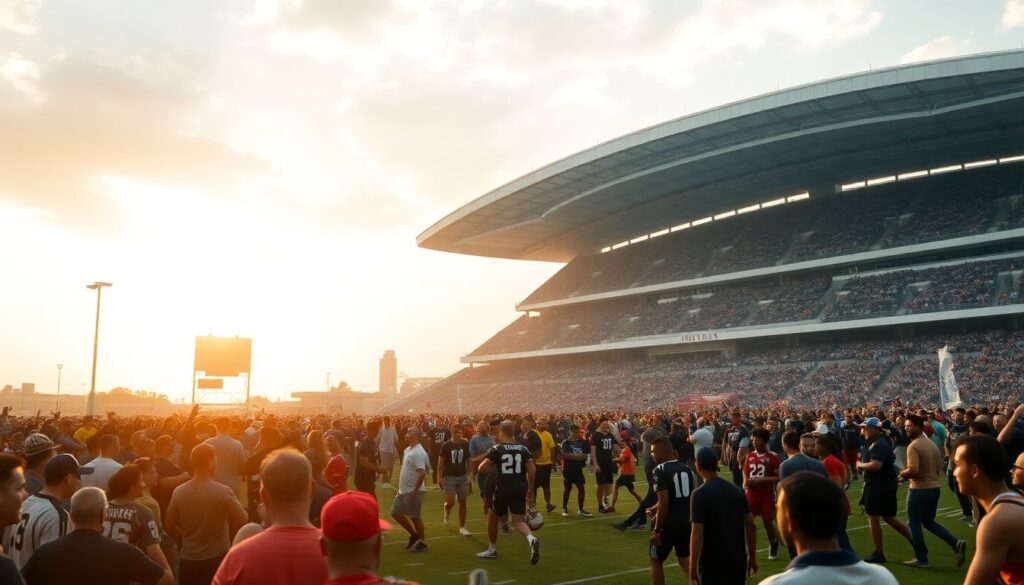
It remains working‑class in participation-street games, amateur teams, many semi‑professionals-but access to elite stadiums, premium TV and top academies is increasingly middle‑ and upper‑class. The label depends on which part of the football ecosystem you look at.
Why has pay‑TV become so central to club finances?
Broadcast deals offer large, predictable income and are easier to scale globally than match‑day tickets. As clubs depend more on this money, they align schedules, competitions and marketing with broadcaster interests, which reinforces the centrality of pay‑TV and streaming.
How do paywalls affect local stadium atmospheres?
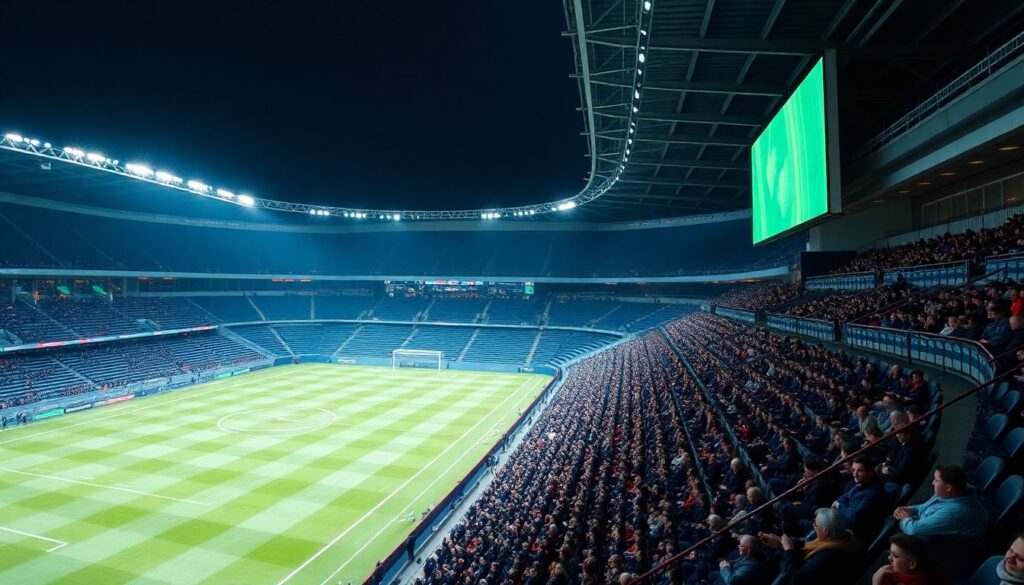
When more revenue comes from screens than seats, clubs can tolerate pricing out traditional fans. This can change singing styles, demographics and even match timings, sometimes reducing the intensity that originally made the product attractive to broadcasters.
Are streaming platforms better or worse than classic pay‑TV for class equality?
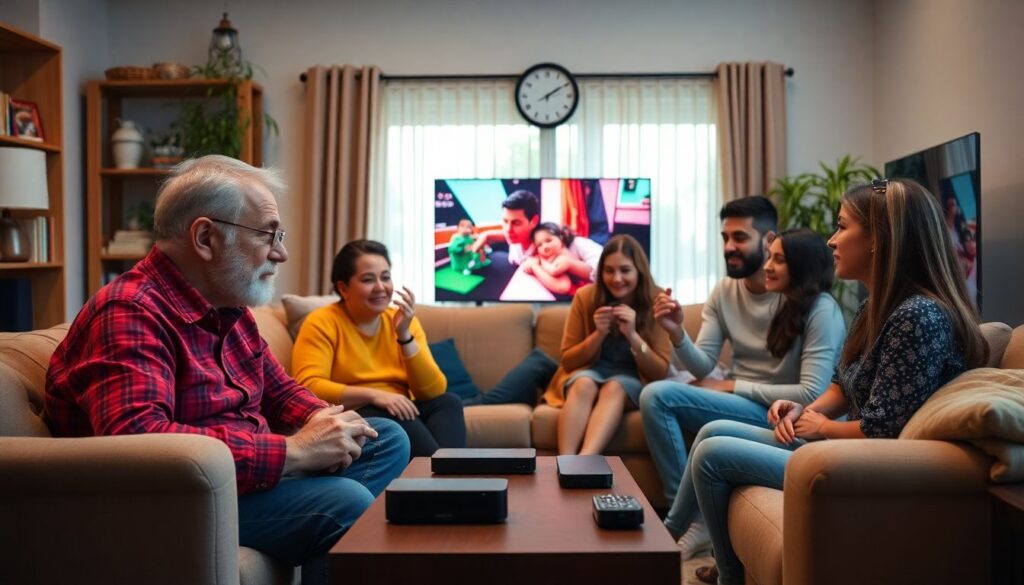
Streaming can be cheaper and more flexible, but requires stable internet, devices and digital skills. For some low‑income or older fans, this is an extra barrier; for others, careful platform choices can lower total costs compared to traditional cable bundles.
What can individual fans do if they dislike hyper‑commercialisation?
Fans can support local clubs, share information about fairer subscription options, back fan organisations and demand transparency from clubs and leagues. Small decisions-where you watch, what you pay for, who you follow-accumulate into meaningful pressure.
Do free‑to‑air matches really matter if highlights are online?
Live free‑to‑air matches let people with limited income participate in the shared real‑time experience that defines modern football culture. Highlights are useful, but they rarely create the same sense of collective presence across social classes.
Is regulation of football broadcasting compatible with a market economy?
Many countries already regulate aspects of sports broadcasting, such as event lists that must stay free‑to‑air or rules on competition between platforms. These measures do not abolish markets; they set boundaries to protect broader social interests.