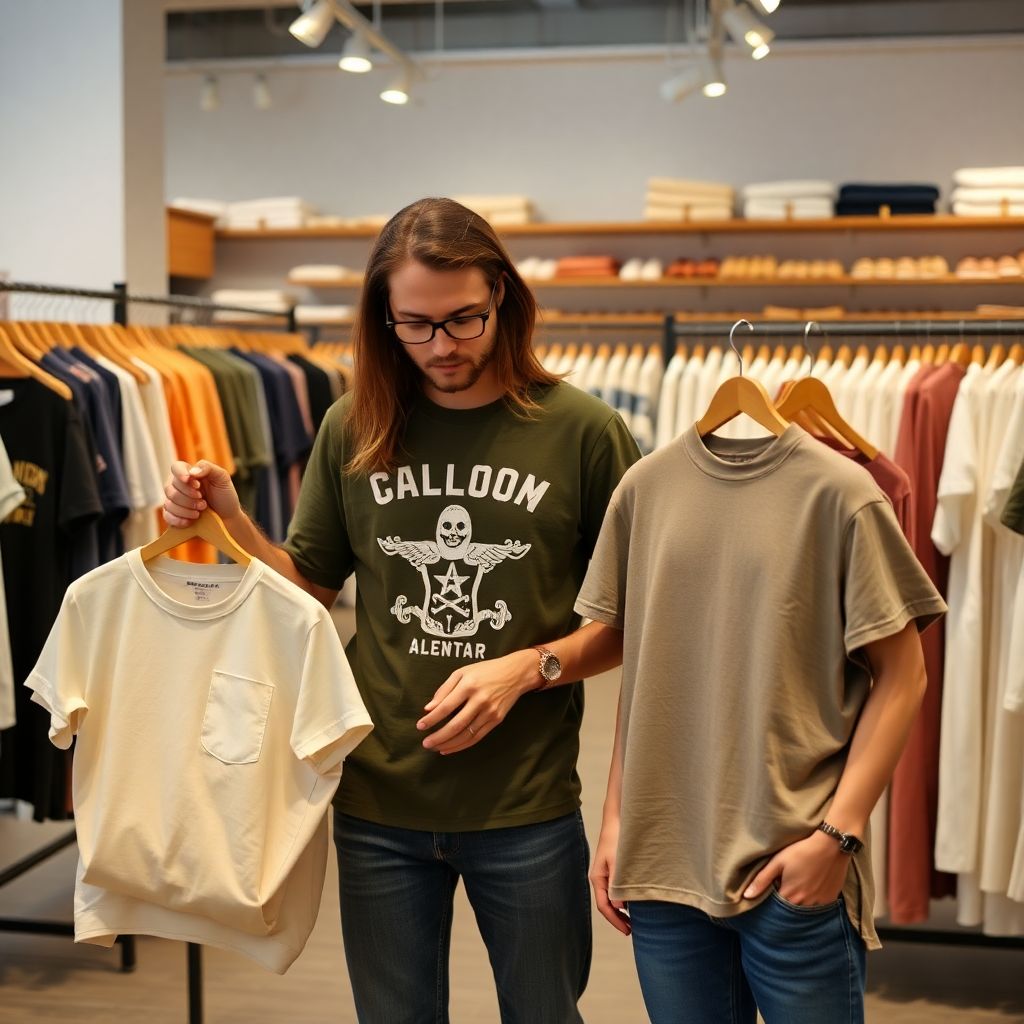
The T‑shirt began as a 19th‑century undergarment, became standard military workwear in the early 20th century, then turned into a pop‑culture icon and global commodity. Knowing this timeline helps you choose better: from camisetas personalizadas online to camisetas de coleccion edición limitada and ethically sourced basics.
Pivotal moments that shaped the T‑shirt
- Late 19th century: cotton undershirts split and reshaped into the early T‑form.
- Early 1900s: navies in the US and Europe adopt short‑sleeve cotton shirts as workwear.
- Mid‑20th century: cinema stars wear plain white tees as outerwear, normalising the look.
- 1950s-1960s: printed slogans turn T‑shirts into political and advertising surfaces.
- 1980s-1990s: logos and designer tees transform shirts into visible status symbols.
- 2000s onwards: globalised supply chains and fast fashion flood the market with ultra‑cheap tees.
Origins: from 19th‑century undergarment to everyday wear
In historical terms, a T‑shirt is a lightweight, usually cotton, knitted top with short sleeves, no buttons and a clearly T‑shaped body‑and‑sleeve silhouette. It differs from shirts in woven fabric and from vests or singlets by its sleeves and higher neckline.
The story starts in the 19th century with one‑piece union suits and long johns used as underwear by workers and soldiers. As hygiene ideas evolved and laundry became easier, manufacturers began to cut these garments into separate tops and bottoms. The tops simplified into short‑sleeved, collarless pieces that looked recognisably T‑shaped.
By the early 20th century, navies and armies in the US and Europe issued these cotton undershirts as standard workwear under uniforms. Sailors and dock workers in Spanish ports also adopted them in hot conditions, wearing them alone during physical labour. Their comfort, ease of washing and low price pushed the garment from military and industrial settings into everyday life.
After the Second World War, returning soldiers kept wearing T‑shirts as casual clothing. At the same time, the growth of the leisure industry, sports clubs and tourism across Europe – including Spain’s coastal resorts – normalised the T‑shirt as an outer garment. From this point on, the tee stopped being just underwear and started to carry messages, logos and identity.
Myths and misconceptions about the T‑shirt’s beginnings
- Myth: The T‑shirt was invented in a single country on a specific date. In reality, similar undershirts evolved in parallel in the US, the UK, Germany and naval forces elsewhere. The T‑shape emerged gradually as makers simplified existing undergarments rather than through one inventor.
- Myth: T‑shirts were always fashion items. For decades they were invisible underwear or workwear, associated with low status and manual labour. Only mid‑20th‑century cinema and youth culture turned them into visible fashion pieces that people wanted to show off.
- Myth: Printed T‑shirts appeared with digital design. Long before camisetas personalizadas online, early printing methods like screen printing, stencilling and flocking allowed sports teams, tourist shops and political groups to add text and symbols by hand or in small runs.
- Myth: Vintage equals old. When you want to comprar camisetas vintage originales, age alone is not enough. Authentic vintage tees reflect specific production details (fabric weight, label style, stitching) and historical graphic styles from a given decade, not just any faded shirt.
- Myth: Brand logo always means quality. The rise of camisetas de marca en oferta in outlets and online discounters shows that branded tees can be produced at many quality levels. The logo tells you about marketing, not automatically about long‑lasting fabric or ethical production.
- Myth: All limited editions are rare collectibles. Many camisetas de coleccion edición limitada are produced in large runs and marketed as scarce. Authentic collectability depends on verifiable production numbers, context (tour, event, collaboration) and demand from specific fan communities.
- Myth: Wholesale suppliers all work the same way. In practice, proveedores mayoristas de camisetas para merchandising vary widely in fabric sourcing, print methods and labour standards. The historical shift to globalised production means you must ask directly about origin, certifications and minimum order quantities instead of assuming uniform practices.
Industrialization, fabrics and the mechanics of mass production
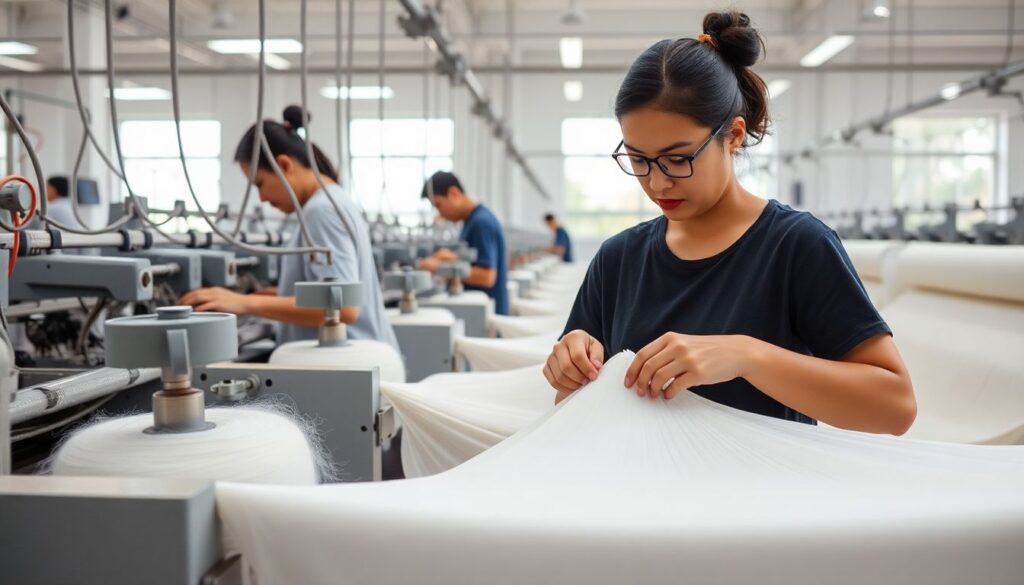
Once the T‑shirt moved beyond underwear, industrial production scaled quickly. Understanding the basic mechanics helps you make concrete decisions when ordering or buying, instead of relying only on brand names or marketing terms.
- Spinning and knitting the fabric. Cotton or cotton‑blend yarns are spun, then knitted into jersey. Historically, ring‑spun yarn created softer fabric, while open‑end spinning made cheaper, coarser tees. When comparing camisetas personalizadas online, checking whether the fabric is ring‑spun or open‑end gives a fast quality clue.
- Dyeing and finishing. Fabric is dyed in bulk, then treated for softness, shrink control and colourfastness. Dark colours and intense neons usually require more finishing steps. For merchandising, pre‑shrunk and reactive‑dyed fabrics reduce complaints about shrinking logos or fading prints after the first washes.
- Cutting the panels. Large layers of fabric are stacked and cut using patterns. Mass production favours standard fits and limited size ranges to reduce waste. If you want a specific silhouette – slim, boxy, oversized – it is often easier to start from a known blank brand than to expect a generic wholesale tee to match your ideal fit.
- Sewing and assembly. Factories sew sleeves, collars and hems using specialised machines. Historically, this work shifted from Europe and North America to Asia, North Africa and Eastern Europe to lower labour costs. For European projects, asking proveedores mayoristas de camisetas para merchandising about factory locations and audits is one of the most practical due‑diligence steps.
- Printing and embellishment. Screen printing remains the workhorse for large runs, while digital direct‑to‑garment is common for short runs and complex images. Embroidery, patches and appliqués add texture and perceived value. When planning a capsule run of camisetas de coleccion edición limitada, your choice of print method strongly affects both feel and durability.
- Packing and distribution. Individually folded and bagged tees fit global container shipping and e‑commerce logistics. This infrastructure is what makes it possible to find camisetas de marca en oferta in Spanish outlet malls that were produced weeks earlier in another continent.
The T‑shirt as a political and cultural billboard
Once print technology met mass‑produced cotton tees, the garment became a moving surface for messages, slogans and symbols. That function has clear strengths, but also real limits that matter if you use tees for communication or branding.
- Advantages of message T‑shirts
- High visibility in daily life. Tees travel through streets, offices, gyms and stadiums, making them efficient carriers of logos, causes and inside jokes.
- Low entry barrier. Small collectives or clubs can order short runs from camisetas personalizadas online services without needing big budgets.
- Emotional attachment. People often keep shirts tied to concerts, protests, tournaments or travels, turning them into long‑term reminders of events and communities.
- Cultural archiving. Historic campaign tees, football supporter shirts or local fiesta designs become documents of social and political moods in a given year.
- Limitations and risks
- Message dilution. Overused slogans, generic graphics and mass‑produced charity tees can blend into background noise, reducing impact.
- Context misreading. Symbols that are clear in one country may be misunderstood elsewhere; this is relevant for international merchandising and tourism markets like Spain’s.
- Greenwashing via apparel. Environmental or social messages printed on tees made with opaque supply chains can undermine credibility.
- Short trend cycles. Memes, political moments and football transfers change quickly; overproducing one design can leave you with unsellable stock.
Fashionization and brand strategies that turned shirts into status symbols
Turning a basic garment into a cult object depended less on design complexity and more on careful branding. Knowing the common traps helps you evaluate offers and build more coherent collections.
- Confusing logo size with brand strength. Oversized chest logos helped some brands in the 1980s and 1990s, but repeating that formula today does not automatically create status. For a modern line, consider subtler placements and focus on fit and fabric first.
- Using "limited edition" as the only selling point. For camisetas de coleccion edición limitada, scarcity needs a reason: collaboration, event, player milestone, tour or artwork. Without a story and quality, "limited" becomes an empty label that savvy buyers ignore.
- Ignoring product hierarchy. Successful brands build tiers: basic blanks, seasonal graphics, collaborations and true collector pieces. Mixing all categories at similar prices confuses customers, whether they come for camisetas de marca en oferta or for premium drops.
- Underestimating local taste. Designs that sell in the US or Asia may not connect with Spanish or wider European audiences. For example, football‑centric graphics, local language slogans or region‑specific humour often outperform generic global designs in Spain.
- Neglecting after‑care communication. A tee that twists or fades badly quickly damages perception. Clear washing instructions and realistic expectations are simple, action‑oriented tools to keep customers satisfied, especially in online‑only operations.
- Copying instead of curating vintage. If your strategy is to comprar camisetas vintage originales for resale or inspiration, copying famous graphics without rights or context carries legal and reputational risks. Curating authentic pieces and collaborating with artists or estates is a safer, more sustainable route.
Global supply chains, labor realities and the T‑shirt economy
Today’s T‑shirt market connects cotton fields, spinning mills, sewing factories, printers, logistics hubs and e‑commerce platforms across continents. Understanding this chain lets you take specific, practical steps toward better choices as a buyer, reseller or brand.
Consider a simplified mini‑case for a Spanish football fan shop launching a small line of tees:
- Define purpose and audience. Decide whether the main goal is low‑cost mass sales, premium fan pieces or a mix. This choice shapes everything: fabric, print method, price and ethical standards.
- Select a base product. Compare several proveedores mayoristas de camisetas para merchandising with clear data on fabric weight, origin and certifications. Request physical samples instead of relying only on photos or PDFs.
- Choose production geography. A supplier using factories in neighbouring countries may cost more than distant Asia but reduce lead times, minimums and transport impact. For small Spanish projects, this can be more manageable and flexible.
- Plan designs in layers. Create a stable base of club‑coloured tees, add seasonal graphics, then reserve special drops as camisetas de coleccion edición limitada for derbies or title celebrations. This layered approach balances steady income and hype moments.
- Use e‑commerce tools smartly. Offer standard designs through camisetas personalizadas online platforms for on‑demand printing, while keeping stricter quality control for in‑store premium pieces. That way, experiments carry less stock risk.
- Monitor feedback and adjust. Track returns, complaints about fit or fading, and which designs resell on secondary markets. Use this real‑world data to refine future fabric choices, print methods and price points.
This step‑by‑step thinking turns the abstract history of the T‑shirt into daily operational decisions: what to stock, how to market it and which compromises on price, ethics and durability you are actually willing to make.
Clarifying common questions about the T‑shirt’s past
When did the T‑shirt stop being just underwear?
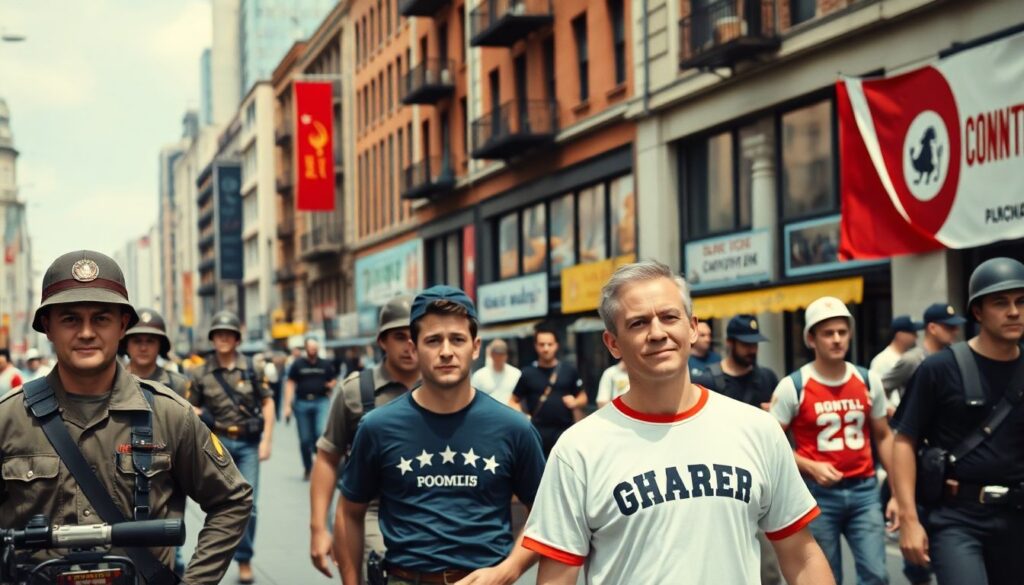
The transition happened gradually between the early and mid‑20th century, once soldiers, workers and athletes started wearing tees in public. Cinema made the look aspirational, and post‑war casual culture in Europe and North America normalised the T‑shirt as outerwear.
Why did cotton become the standard fabric for T‑shirts?
Cotton is breathable, absorbent and relatively easy to knit and dye at scale. As industrial spinning and knitting improved, cotton knits offered a good balance of comfort, cost and ease of washing, which made them ideal for workwear and later for everyday fashion.
Are all vintage T‑shirts valuable collectibles?
No. Most old tees have mainly sentimental or recycling value. Only a fraction – linked to iconic bands, sports moments, designers or subcultures – gain collector interest. Authenticity, condition, rarity and demand all matter when you aim to comprar camisetas vintage originales.
How did printing technologies change the role of T‑shirts?
Screen printing and later digital printing turned blank garments into surfaces for messages, logos and art. This shifted tees from anonymous basics to tools for identity, politics and marketing, which is why they are central to merchandising and fan culture today.
What is the connection between fast fashion and cheap T‑shirts?
Fast fashion uses global supply chains, low production costs and rapid trend cycles to sell very inexpensive tees in huge volumes. This model depends on tight margins and can create pressure on labour conditions and the environment, especially when garments are treated as disposable.
Do branded T‑shirts guarantee ethical production?
Not automatically. Some brands invest heavily in audits and certifications, others rely on the same factories and opaque chains as budget labels. To judge ethics, look for transparent information about sourcing, factory locations and independent standards, not just logos.
Why are T‑shirts so central to merchandising in sports and music?
Tees are relatively cheap to produce, easy to size and highly visible. Fans can wear them in daily life, effectively turning themselves into mobile billboards, while clubs, festivals and bands gain both revenue and constant exposure.