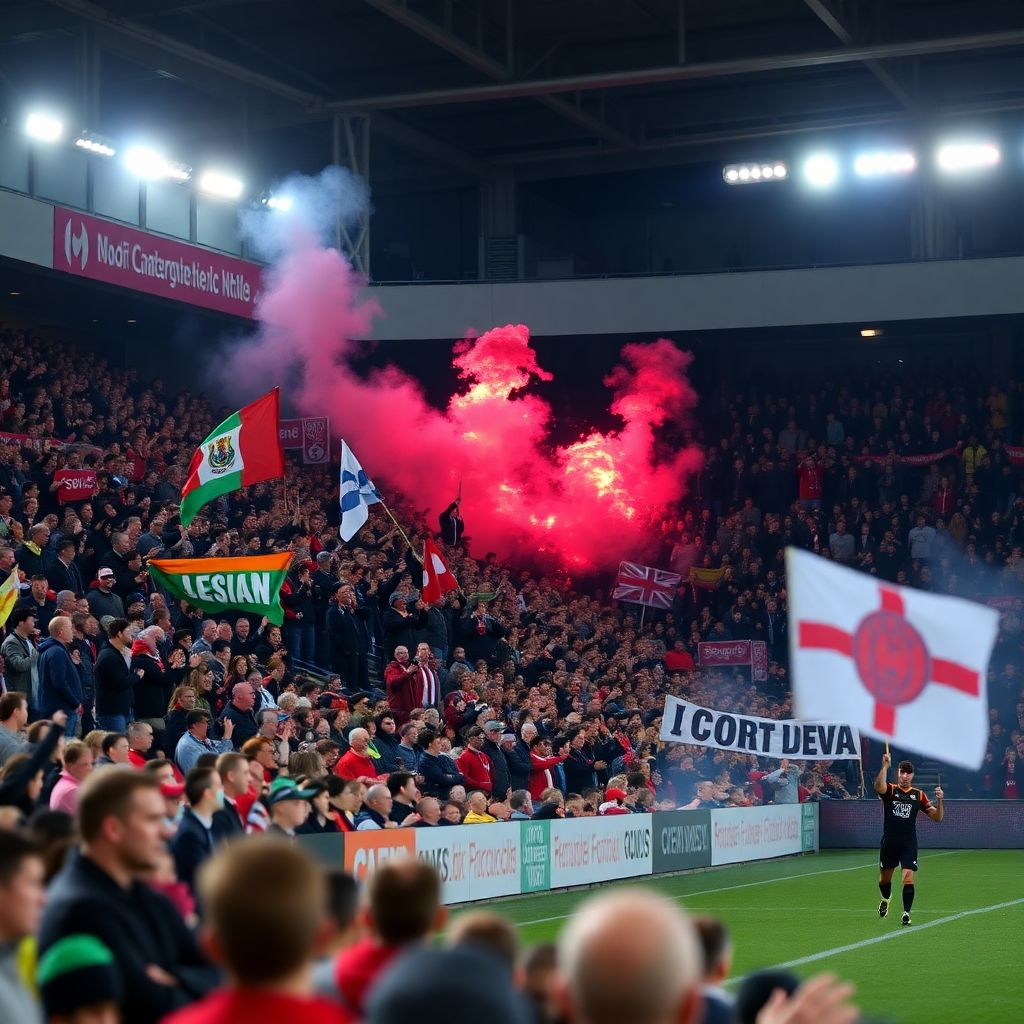
Ultras, barras and tifos sit on a spectrum: they can be grassroots resistance to club owners, police and TV logics, but they can also become extensions of the spectacle market. The key is how groups are funded, governed and policed, and whether money, safety and legality are managed transparently and collectively.
Core distinctions between grassroots resistance and spectacle-market dynamics
- Grassroots resistance is based on voluntary participation, internal democracy and transparent, small-scale funding rather than opaque patronage.
- Spectacle-market dynamics appear when groups depend on club subsidies, sponsors or political patrons more than on their own members.
- Symbols, chants and tifos signal resistance when they confront power; they signal commodification when they mainly advertise products or brands.
- Safe and autonomous groups separate travel, ticketing and merchandising from criminal economies and violence.
- In Europe, regulation tends to domesticate ultras; in Latin America, barras often negotiate directly with directors, parties or criminal actors.
- For supporters, the safest choices are legal travel, non-violent participation and buying transparent, officially licensed material.
Origins and identities of ultras, barras and tifos
Ultras and barras bravas are organized groups of football supporters known for intense, permanent vocal support, coordinated visual displays and strong group identity. Their practices overlap, but their historical roots and relationships with clubs, states and markets differ between European and Latin American contexts.
In Western and Southern Europe, ultras emerged as youth subcultures influenced by political militancy, punk, skinhead and terrace cultures. They usually occupy specific stands, manage their own banners and run their own internal rules. Many members see themselves as guardians of club identity against commercialization and sanitized stadium experiences.
In much of Latin America, barras bravas crystallised around informal clientelist ties with club directors and local politicians. They may receive tickets, transport, even jobs in exchange for mobilization and control. In this environment, the line between passionate support, everyday survival and organized violence can blur.
Tifos are large coordinated choreographies using flags, cards, pyrotechnics and giant banners. They are a technique rather than a type of group. A tifo can express anti-racist resistance or simply decorate a TV product, depending on who designs it, who pays for it and which messages are allowed or censored.
Organizational structures, funding channels and informal economies
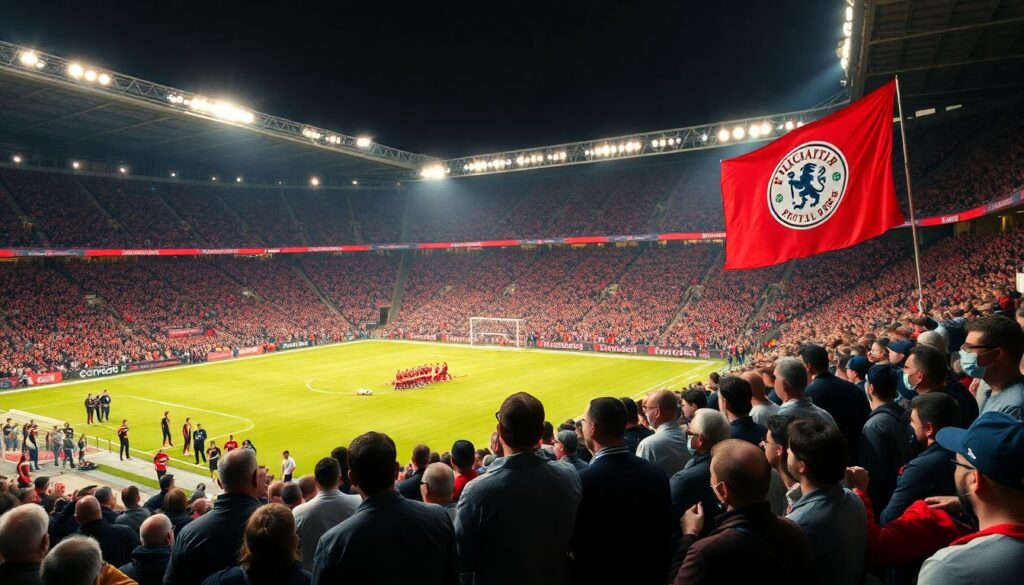
Behind every noisy stand there is an organizational structure. Understanding it is essential to assess whether a group operates as a form of resistance or as a subcontractor of the football spectacle or even of local power brokers.
- Leadership and internal democracy: Some groups elect leaders and rotate responsibilities; others are controlled by long-term bosses surrounded by loyal enforcers.
- Funding sources: Membership fees, sale of scarves and self-managed bars are very different from direct cash from club boards, politicians or criminal networks.
- Ticket and travel allocation: Handling entradas ultras fútbol europeo or away allocations in Latin America can generate power and rent-seeking; transparent distribution reduces corruption and favoritism.
- Merchandising sales: Informal stalls, online shops and street vendors can sustain autonomy, but also create disputes, counterfeits and dependence on volume.
- Relationships with local economies: Links to parking control, street vending, drugs or protection rackets tilt a group away from grassroots culture and into violent informal economies.
- Communication and conflict resolution: Clear rules, assemblies and non-violent sanctions reduce the need for physical enforcement and lower risks for ordinary members.
For researchers and organizers, safe engagement means mapping who controls money, who decides on travel and who speaks to the club. Avoid romanticizing; instead, identify practical levers for transparency, such as public price lists for buses or visible accounting for flag and drum purchases.
Choreography as contention: symbols, chants, banners and political messaging
Choreography is where resistance and market logics become visible. Banners, chants, drums and tifos can challenge owners, denounce police violence or oppose racism, but they can also be co-opted into branded entertainment for television and sponsors.
In many cities, supporters now commission diseño e impresión de tifos personalizados para hinchadas through professional studios. This raises quality and safety but also increases costs and dependence on sponsors or club authorizations. The creative process itself becomes a negotiation between expression, censorship and commercial visibility.
Typical scenarios where choreographies operate include:
- Anti-board or anti-owner messages: Large banners calling for presidents to resign or opposing stadium relocations can protect community identity but also attract sanctions or partial stadium closures.
- Territorial and neighborhood pride: Flags and chants that anchor the club in working-class districts can resist gentrification and touristification, while still being easily packaged into city marketing.
- Anti-racist and anti-fascist expressions: In both Europe and Latin America, some groups deploy clear symbols against discrimination, facing repression from authorities or hostility from rival fans.
- Political parties and electoral campaigns: In parts of Latin America, barras bravas sometimes display partisan flags in exchange for favors, showing how resistance aesthetics can serve clientelist aims.
- Corporate and betting sponsors: When choreographies prominently carry logos, supporter creativity reinforces spectacle-market dynamics, normalizing gambling or consumption among younger fans.
For safe practice, groups should avoid hate symbols and direct incitement to violence, and coordinate with stadium safety teams regarding fire risks, evacuation routes and material regulations while defending their autonomy in message selection.
Mini-scenarios: applying the mechanics in real supporter journeys
Consider a young fan in Spain invited to join away trips. Safe steps include checking who organizes the bus, how money is handled and whether there is a clear plan for tickets, rest stops and emergency contacts. This is especially relevant when viajes organizados para partidos de barras bravas y ultras combine official club packages with independent group logistics.
Another scenario involves merchandising. A supporter wondering about camisetas y banderas ultras barra brava comprar faces practical questions: will this purchase fund pyrotechnics and legal banners, or weapons and illicit activities? Choosing transparent stalls, published prices and items without hate symbols reduces risk while sustaining culture.
Commercialization pathways: merchandising, sponsorships and media packaging
Commercialization can finance impressive choreography and continuity, but it also creates dependency, internal conflicts and pressure to prioritize spectacle over safety or authenticity. Understanding both advantages and limitations helps groups, clubs and municipalities design healthier frameworks.
Potential benefits of controlled commercialization
- Stable funding for materials: Organized sale of scarves, legal flares, drums and flags, or even merchandising oficial de hinchadas ultras y barras bravas, can reduce reliance on opaque donors.
- Professionalization of design and logistics: Working with graphic designers and printers improves tifo readability and safety, especially in large stadiums with strict fire codes.
- Negotiated sponsorships: Limited, collectively approved sponsorships can pay for travel and materials without surrendering political independence, if contracts are transparent.
- Media visibility for positive messages: Anti-racist or community-based displays gain reach when broadcasters showcase them, influencing broader football culture.
- Legal travel and ticketing partnerships: Collaboration with trusted travel agencies for viajes organizados para partidos de barras bravas y ultras can bring insurance, safer buses and clear conditions.
Risks and constraints of spectacle-market integration
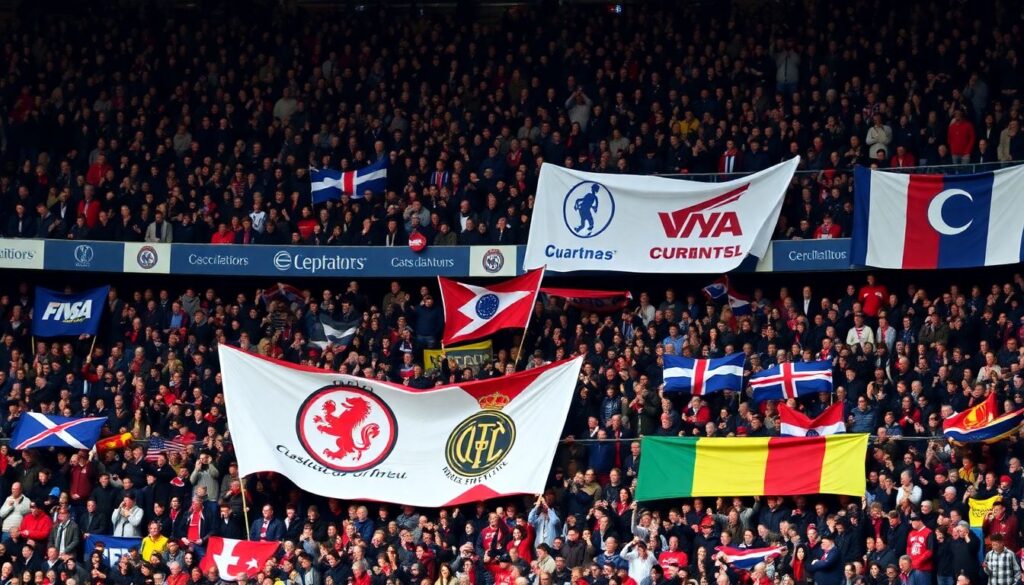
- Loss of autonomy over content: Sponsors or club communications departments may veto political messages or require brand placement in tifos and chants.
- Internal inequality: Control over merchandising income and entradas ultras fútbol europeo access may concentrate in a small clique, undermining internal democracy.
- Normalization of risky behaviors: When pyrotechnic-heavy performances are marketed as brand assets, pressure increases to escalate displays beyond safe limits.
- Legal and tax exposure: Informal merchandising operations risk fines, confiscation and conflicts with official club shops, particularly in tightly regulated European leagues.
- Co-optation of resistance aesthetics: Anti-system slogans can be emptied of meaning once turned into collectible t-shirts or limited-edition drops for tourists.
Responses from clubs, states and policing: repression, negotiation and co-optation
Authorities and club boards often misunderstand both risks and opportunities in supporter cultures. Several recurring errors and myths make stadiums more dangerous and cultures more easily co-opted.
- Myth: all ultras and barras are inherently criminal. Blanket bans push groups underground, fragment dialogue and often increase the role of harder factions instead of moderating them.
- Error: over-reliance on police repression. Heavy-handed tactics around stadiums escalate tensions; proportionate, predictable enforcement and clear communication reduce confrontation.
- Myth: official fan clubs fully replace informal groups. Club-managed fan programs can be safer but rarely recreate the same intensity, leaving a gap that informal groups continue to fill.
- Error: exchanging favors for "security". Letting barras manage parking, tickets or internal order often embeds them more deeply into informal economies and local clientelism.
- Myth: merchandising solves everything. Opening club shops and pushing official jerseys without engaging existing group identities can deepen resentment and boost counterfeit markets.
- Error: ignoring regional specificities. Applying European-style all-seater and ID-card solutions directly to Latin American contexts, or vice versa, neglects different legal systems, stadium infrastructures and social inequalities.
Evaluating outcomes: when supporter culture resists and when it becomes commodified
Assessing whether a group functions as resistance or as market extension requires looking at practices over time, not labels. A group can begin as anti-board opposition, then sign sponsorship deals, then slide into clientelist or criminal dynamics, or return to more autonomous, community-rooted practices.
A simple evaluative "pseudo-code" for researchers and organizers might look like this:
{
  if (funding.isTransparent && decisions.areCollective && violence.isRejected) {
    culture = "mostly grassroots resistance";
  } else if (clubControls.tickets && sponsors.shapeMessages) {
    culture = "extension of spectacle market";
  } else {
    culture = "hybrid, needs closer, case-by-case analysis";
  }
}
On the ground, this translates into concrete checkpoints: are travel lists public, are sanctions for misbehavior non-violent, are banners stored collectively, are kids and families present in the stand, and can ordinary members question how money from merchandising oficial de hinchadas ultras y barras bravas is spent without fear. These everyday details tell more than any public statement.
Practical answers on legality, safety and authenticity of supporter practices
Are ultras and barras bravas illegal by definition in Europe or Latin America?
No. Being an ultra or barra member is generally not illegal in itself. Specific actions, such as violence, racist speech or use of banned pyrotechnics, may be criminalized. Legality depends on national laws, local regulations and how groups behave in and around stadiums.
How can a supporter safely join away trips with organized groups?
Ask who organizes the buses, how payment works and whether there is a clear plan for tickets, meeting times and emergency contacts. Prefer trips run through transparent arrangements with clubs or reputable agencies, even when traveling alongside barras bravas or ultras.
Is it safe and ethical to buy shirts and flags from ultra or barra vendors?
Buying camisetas y banderas ultras barra brava comprar supports specific groups financially. To reduce risks, avoid hate symbols, ask how profits are used and prefer stalls or online shops that publish prices and basic information rather than operating through intimidation.
What should groups consider when designing tifos to avoid sanctions?
For diseño e impresión de tifos personalizados para hinchadas, check club and league rules on materials, fire safety and prohibited content. Avoid racist or violent imagery, respect escape routes and coordinate with stadium safety officers while defending creative autonomy in message selection.
Are organized trips offered by clubs safer than informal ones?
Official viajes organizados para partidos de barras bravas y ultras usually include better buses, insurance and closer coordination with police and host clubs. However, supporters should still read conditions, know who leads each bus and avoid following unofficial plans that encourage confrontations.
How can clubs promote official merchandising without erasing supporter culture?
Clubs can co-create lines of merchandising oficial de hinchadas ultras y barras bravas with group input, sharing revenue transparently and allowing non-violent, critical messages. Recognizing existing symbols and histories reduces counterfeits and resentment while improving safety and quality.
What are basic personal safety tips for new fans entering intense stands?
Arrive early, identify exits, follow local chants without provoking rivals and avoid alcohol or drugs that impair judgment. Stay away from the front line in high-tension matches and leave if you see weapons, coordinated aggression or conflicts over tickets or merchandising money.