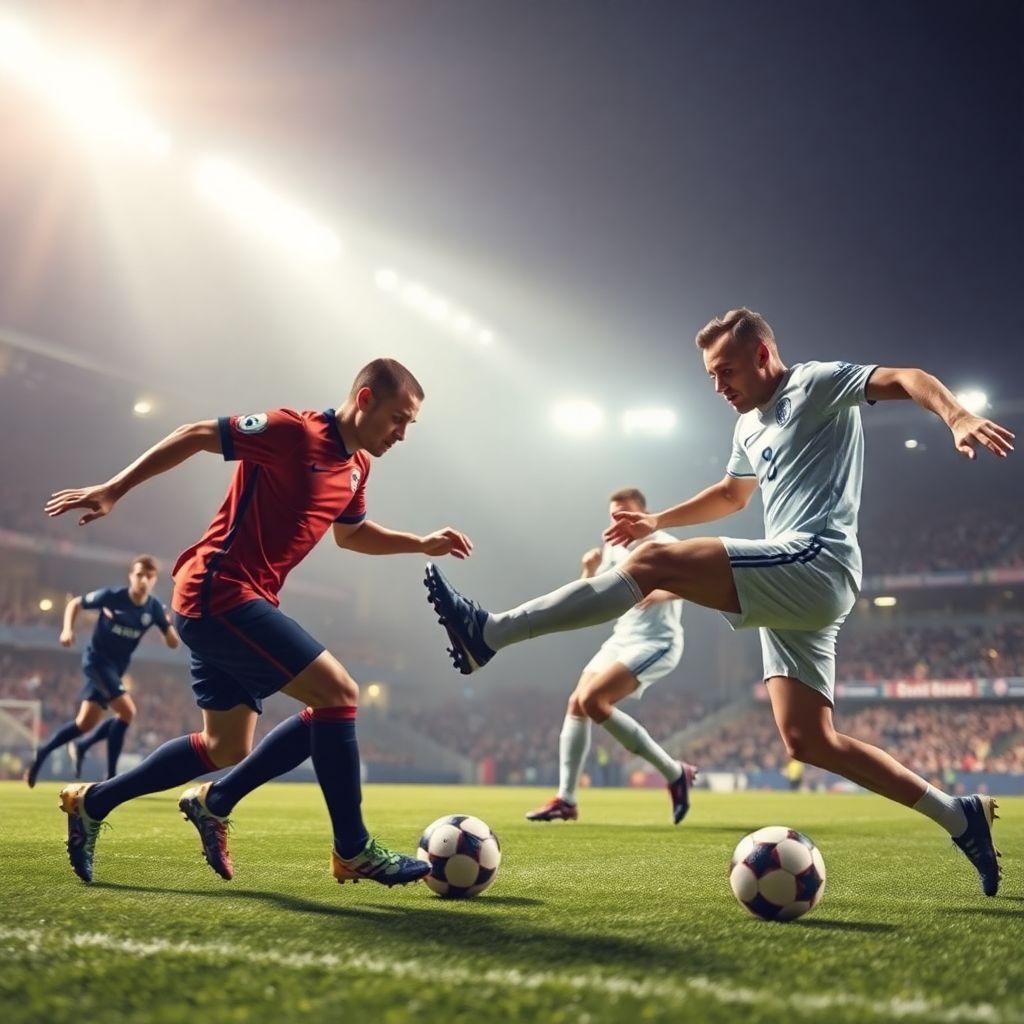
«Juego bonito» exists more as a moving target than a fixed system: it is football played with fluency, imagination and respect for the ball, but reinterpreted by every era. Modern beauty mixes technique and pressing, risk and control. Some matches look ugly yet are brilliant; others look pretty but solve nothing.
Core concepts for assessing football aesthetics
- If you judge beauty only by results, then you will miss most of what makes fútbol aesthetically rich: rhythm, risk, creativity and emotional impact.
- If you ignore defensive work and pressing, then you reduce «juego bonito» to a highlight show instead of a complete game model.
- If you compare eras, then you must consider rules, pitches, fitness and tactics, not just nostalgia or retro videos.
- If you are a coach, then your training content, not your motivational speeches, decides whether your team can actually play attractive football under pressure.
- If you are a fan in Spain, then your idea of beauty is shaped daily by La Liga, social media clips and even the fútbol bonito mejores equipos actuales promoted on TV.
Historical origins and evolution of ‘juego bonito’
«Juego bonito» is a broad term for a style that values elegance, creativity and collective harmony with the ball. Historically it is linked to Brazilian football from the mid‑20th century: dribbling, short passing, improvisation, risk and joy. That style contrasted with more physical and direct approaches popular in parts of Europe.
Over time, the idea migrated and blended with positional play. Johan Cruyff’s Ajax and later FC Barcelona, Pep Guardiola’s Barcelona and Manchester City, and some South American national teams are often cited when fans debate fútbol bonito mejores equipos actuales. These teams combine short passing, rotations and pressing with technical excellence.
Yet the meaning of «juego bonito» in the modern game is contested. For some, it is about touches, nutmegs and dribbles. For others, it is about orchestrated team movements that dismantle pressure. If you watch different eras, then you realise that what looks «beautiful» usually matches what a generation was taught to admire.
In Spain, the tiki‑taka period shifted local expectations: long possession sequences became the standard of beauty. Now, aggressive high pressing and quick vertical attacks are also admired. If we ask whether «juego bonito» really exists, then the honest answer is: it exists as an evolving agreement between players, coaches and spectators about what is worth celebrating.
What makes play beautiful: technical, tactical and sensual criteria
Beauty in football can be broken into several dimensions that you can actually observe on the pitch. These dimensions help move the discussion from «I like it» to «here is why this looks and feels beautiful».
- Technical mastery in real speed
If players control the ball cleanly under pressure, then even simple passes look elegant. If you want to «play pretty», then your training must prioritise first touch, oriented control, weak‑foot use and passing quality. The mejores botas de fútbol para jugar bonito help only if technique and decision‑making are already trained daily. - Tactical harmony and spacing
If a team keeps good distances between lines, then combinations appear naturally. Beauty emerges from triangles, third‑man runs and constant options for the ball‑carrier. If your team looks chaotic in possession, then work first on spacing, not on tricks. - Creativity and risk‑taking
If nobody takes risks, then football becomes sterile. Nutmegs, chipped passes and unexpected switches of play bring surprise and delight. If you punish every lost ball the same way, then your players will stop trying creative actions and your «juego bonito» will die. - Rhythm and acceleration
If the tempo varies intelligently, then the game feels like music: slow-slow-fast, then sudden breaks. Long, flat possession without acceleration soon feels boring. If your team never speeds up near the box, then it will look tidy but dull. - Collective pressing and counter‑pressing
If a team regains the ball immediately after losing it, then attacks can chain together into beautiful waves. Aggressive, synchronised pressing is visually impressive and tactically efficient. If you think «juego bonito» is only about the ball, then you ignore half the show. - Sensory impact: sound, movement and emotion
If a move makes the stadium gasp or fall silent, then you are close to the core of football beauty. The noise of quick combinations, the crowd reaction and the body language of players are part of the aesthetic experience, just like colours and design are in camisetas de fútbol retro estilo jogo bonito comprar.
When tactics trump aesthetics: pressing, pragmatism and functional football
Not every context rewards style. Sometimes «ugly» football is a rational, even admirable, response to constraints. Understanding those scenarios helps avoid lazy judgments about beauty and fealdad.
- Underdog vs. superior rival
If you face a technically superior side, then a low block, long balls and set‑pieces may be your best chance. That style looks ugly on TV, but it can be tactically brilliant. If we judge only by visual flair, then we ignore the intelligence of survival strategies. - Knock‑out matches and away legs
If away goals, fatigue or injuries are in play, then coaches may trade aesthetics for control. In Champions League ties, many «boring» first legs are in fact risk‑management exercises. If your objective is to qualify, then you may accept a feo partido today for a beautiful celebration later. - Extreme weather and poor pitches
If the pitch is heavy or the wind brutal, then combination play becomes dangerous. Long clearances and second‑ball battles become logical. Criticising lack of jogo bonito in those settings ignores reality: the environment dictates how much technical risk is possible. - Relegation battles and survival football
If losing means relegation, then coaches often simplify: compact block, direct play, minimal risk in build‑up. Fans may complain about style but celebrate survival. If the club stabilises financially, then more ambitious, aesthetic projects become possible later. - Pressing‑heavy game plans
If your team relies on pressing to create chances, then possessions may be short and chaotic. The beauty is in the synchronised movements, not in long passing chains. If you only appreciate calm, slow build‑up, then you will miss the aesthetic value of modern high‑intensity pressing football.
| Priority | Typical choices | How it looks from the stands |
|---|---|---|
| Aesthetics first | Short build‑up, many players involved, risk near own box | Fluent, expressive, sometimes naive if badly executed |
| Function first | Direct play, strong pressing triggers, fast transitions | Intense, fragmented, sometimes labelled as «ugly» |
Can beauty be measured? Metrics, data and subjective judgement
Analysts try to capture beauty with data, but numbers always miss something. Still, they help structure the debate and test perceptions against evidence.
Potentially useful indicators
- If you want to quantify attacking fluency, then track sequences with at least five passes ending in a shot or entry into the box.
- If you value collective play, then measure how many different players touch the ball before a chance is created.
- If quick combinations excite you, then analyse one‑touch passes and third‑man runs leading directly to progressive actions.
- If you see pressing as part of aesthetic play, then monitor high turnovers that produce immediate shots: regaining and attacking in one continuous wave.
- If you care about risk and imagination, then complement statistics with curated videos de jugadas de fútbol bonitas en alta definición, so you can connect what data suggests with what the eye loves.
Limitations and blind spots
- If you rely only on metrics, then you ignore dribbles that fail but change the emotional tone of a match and stretch defenders.
- If you try to assign a single «beauty score» to a team, then you flatten different dimensions: efficiency, creativity, structure and chaos.
- If you compare current data to old eras, then rule changes, ball quality and physical preparation distort the numbers.
- If you think neutral observers agree on beauty, then you forget cultural taste: a Spanish fan used to positional play reads the same sequence very differently from a fan raised on direct transitions.
Society, media and money: cultural forces reshaping style
What fans call «beautiful» is not neutral; it is influenced daily by marketing, nostalgia and broadcast angles. Recognising these pressures helps you think more critically about juego bonito.
- Nostalgia and retro branding
If you love camisetas de fútbol retro estilo jogo bonito comprar, then you probably associate specific teams and eras with purity and flair. Brands sell this nostalgia, and it colours how you judge today’s football. Past teams had flaws too; we just do not see them in curated highlight packages. - Highlight culture and short clips
If your main contact with football is through 30‑second videos de jugadas de fútbol bonitas en alta definición, then you will overvalue individual brilliance and undervalue off‑ball movement, pressing and structure. Full‑match context is essential to appreciate collective beauty. - Media narratives and star systems
If media repeatedly call a team «the new jogo bonito reference», then many fans adopt that label without analysing games. Narratives sell, but they also trap: a pragmatic win by a so‑called beautiful team is excused; a risky, creative display by an unfashionable club is ignored. - Commercial pressure and coach job security
If a club’s survival depends on European qualification or TV money, then coaches have less patience for long aesthetic «projects». They choose functional systems that give immediate points. Calling that «cowardly» ignores the economic context in which they work. - Youth football and parental expectations
If parents demand results in weekend leagues, then escuelas de fútbol estilo juego bonito para niños feel forced to prioritise winning over development. This kills risk‑taking and creativity just when children should explore and enjoy the ball most.
Coaching choices and player development for aesthetic play
For coaches and educators, «juego bonito» becomes real only through daily training choices. A simple youth case from Spain illustrates this.
Imagine a U12 team in Madrid. The coach wants to play from the back and attack with combinations. At the start of the season, the team loses several matches trying to build from their goalkeeper. Parents complain and ask for more long balls.
If the coach panics and changes style, then players learn that results are everything and that risk is punished. If the coach explains the long‑term plan to families, then he gains time to train first touch, orientation and positional understanding. By mid‑season, the team still loses some games but creates sequences of 10-15 passes ending in chances.
Training design is the key tool:
- If you want defenders comfortable on the ball, then use rondos and positional games where they must receive, turn and find the free man.
- If you want creative attackers, then include 1v1 and 2v2 drills with space to try feints, roulettes and chips without immediate punishment.
- If you want attractive, fast circulation, then design constraints (two‑touch zones, mandatory third‑man actions) instead of sterile possession for possession’s sake.
- If you want players to feel the ball, then equipment matters: good surfaces and appropriate footwear are more important than chasing the «mejores botas de fútbol para jugar bonito» advertised online.
In Spain, many coaches sell their methodology referencing famous teams and even offering branded kits similar to historical jogo bonito sides. But content beats image: if your «academy» spends more time on marketing than on ball mastery and decision‑making, then your promise of beautiful football is empty.
Self‑checklist for aligning aesthetics and effectiveness
- If I claim to like «juego bonito», then can I describe in detail which behaviours (on and off the ball) I mean?
- If I coach, then do at least half of my exercises directly train the type of football I say I want to play?
- If I evaluate teams, then do I watch full matches, not only highlights, before judging their style?
- If I support a youth player, then do I encourage risk and learning, not only safe, result‑oriented decisions?
- If I discuss beauty in football, then do I recognise that culture, context and tactics shape what I see as «pretty» or «ugly»?
Concise clarifications on the estética vs. effectiveness debate
Is «juego bonito» compatible with winning titles in modern football?
Yes, but only if aesthetic principles are integrated into a complete game model. If a team focuses solely on pretty passing and ignores pressing, transitions and set‑pieces, then it will struggle at elite level. The most admired modern sides combine beauty with ruthless efficiency.
Does defensive, pragmatic football have any aesthetic value?
It can. If a team defends in perfect synchrony, closes spaces intelligently and counterattacks with precision, then there is a form of beauty in that organisation. If you only look at ball possession, then you will miss the artistry in collective defending.
Are youth academies right to insist on playing out from the back?
Often yes, if the goal is long‑term development. If children learn to solve problems under pressure, then they gain skills for any future style. However, if coaches force risky build‑up with no technical base or clear structure, then it becomes irresponsible rather than beautiful.
Do individual dribblers define «juego bonito» more than collective patterns?
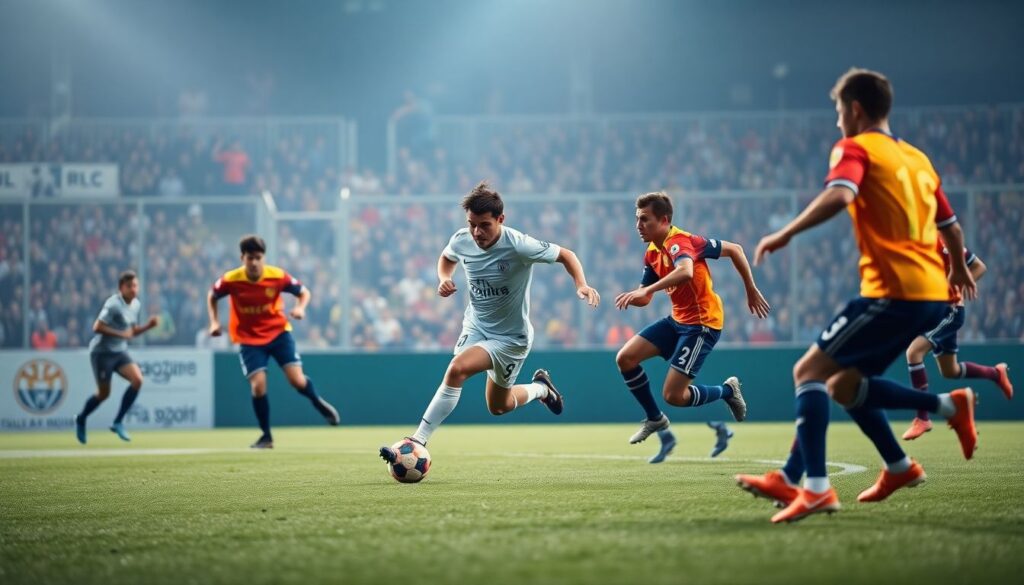
Both matter. If dribblers attack without reading teammates, then you get isolated tricks and lost balls. If a team has no players able to beat rivals 1v1, then possession becomes predictable. The most attractive football usually fuses individual genius with coordinated movement.
Can statistics tell me which teams play the most beautiful football?

They can offer clues, not final verdicts. If you look at passes, progressions and chance creation, then you can shortlist attractive sides. But if you ignore context, risk, emotion and cultural taste, then numbers alone will not capture what feels truly beautiful.
Should amateur teams try to copy elite «juego bonito» models?
Only with adaptation. If an amateur side blindly copies elite positional play, then fatigue, poor pitches and limited training time will expose the gaps. If coaches keep the principles but simplify structures, then they can create enjoyable, expressive football suited to their reality.
Do equipment and kits really influence how beautifully a team plays?
Indirectly at best. If boots and pitch quality are poor, then technical actions look worse. But if a team buys stylish kits and imitates famous designs without training content, then nothing changes. Aesthetic football is built in training sessions, not in the shop for camisetas de fútbol retro estilo jogo bonito comprar.