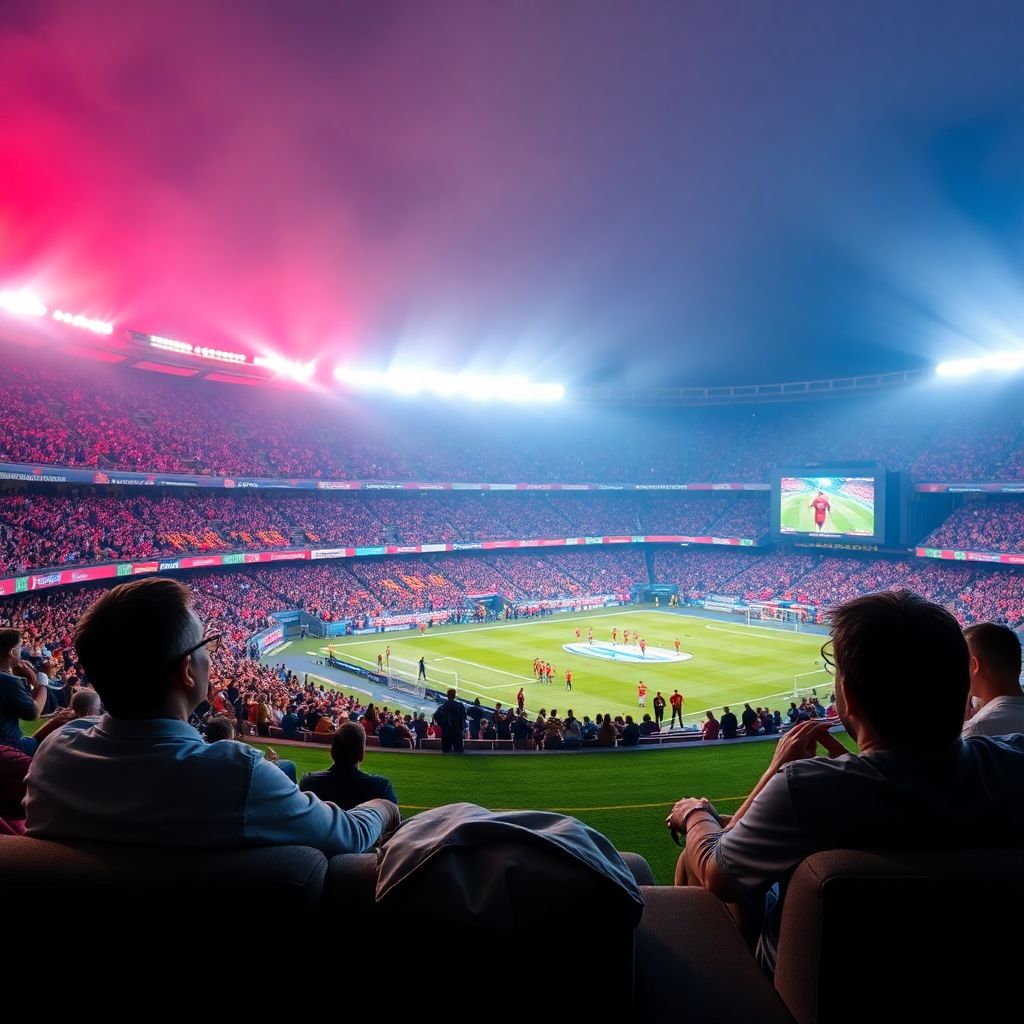
Ultras, barras bravas and couch spectators are different ways of living football: organised, highly committed groups in stands; often more hierarchical, risk‑prone groups in Latin America; and fans who mainly watch through a suscripción canales fútbol para ver partidos en casa. Each type shapes stadium atmosphere, local economies and broader sociocultural dynamics.
Debunking Common Myths and Core Insights
- Not every ultra or barra is violent; most focus on support, choreography and identity, not fights.
- Couch spectators are not automatically «less real» fans; they sustain TV deals, streaming and club income.
- Buying camisetas ultras fútbol comprar or other gear does not turn someone into a hooligan; behaviour and group norms do.
- Organised groups change over time; many in Southern Europe and the UK have moved toward more political or social causes and away from constant confrontation.
- Stadium policies that only repress often backfire; combining dialogue, safe‑standing and clear sanctions usually works better.
- Local context matters: barras bravas in Latin America operate in very different economic and security environments compared with Spanish or Italian ultras.
Typologies of Support: Ultras, Barras, and Couch Spectators
The common myth says there are only two types of fans: violent «hooligans» and peaceful «normal people». In reality, support forms a spectrum, and ultras, barras and couch spectators occupy different roles with overlapping, not fixed, borders.
Ultras (Southern Europe and beyond). Ultras are highly organised groups focused on intense, visual and vocal support: flags, tifos, chants, away travel. In Spain and Italy they usually position themselves behind the goal. Internal rules are strict, but violence is not their only or even main function, especially in clubs that encourage positive support.
Barras bravas (Latin America). Barras are also organised, but often more tightly connected to neighbourhood networks, informal economies and sometimes club politics. Control of entradas partidos barra brava experiencia estadio, travel and merchandising around the stadium gives some leaders power. Some barras bravas have a track record of serious violence; others are trying to rebrand around social projects.
Couch spectators / armchair fans. These fans mostly experience football via TV or streaming at home or in bars. In Spain, a suscripción canales fútbol para ver partidos en casa shapes schedules, routines and even family life. They may still travel occasionally, buy merchandising oficial aficionados fútbol online, and engage intensely on social media, building a different but real form of community.
Hybrid and changing identities. Many people mix roles: ultras who now work weekends and watch more at home, ex‑travelers who join viajes organizados para hinchas de fútbol once a season, or foreign fans whose only direct contact with the club is through online communities and purchases like camisetas ultras fútbol comprar.
| Type | Typical setting | Organisation level | Main contributions | Main risks |
|---|---|---|---|---|
| Ultras | Curva / fondo in stadiums (e.g., Spain, Italy) | High: groups, leaders, codes | Atmosphere, tifos, songs, away support | Occasional clashes, pyrotechnics, internal exclusion |
| Barras bravas | Terraces in Latin American stadiums | High: strong hierarchy, neighbourhood ties | Noise, colour, local identity, social assistance in some cases | Violence, extortion, political manipulation |
| Couch spectators | Home, bars, digital spaces | Low: informal online groups, fan clubs | TV audiences, digital engagement, merchandising income | Commercial over‑influence on schedules, passive consumption |
Historical Emergence and Evolution of Organized Fan Groups
The myth says ultras and barras appeared suddenly as «problem groups». In reality they evolved over decades, influenced by social change, media and club policies, from informal youth clusters to structured actors with negotiating power.
- Post‑war youth cultures. In the UK, early hooligan firms emerged from youth subcultures around music and fashion. In Southern Europe, early ultras groups appeared in the 1960s-70s, inspired by both local politics and foreign terraces.
- Local identity and territoriality. Groups became guardians of local neighbourhoods and city pride. Stadiums were one of the few legal spaces where intense emotion, flags and chants were not only allowed but encouraged.
- Media attention and moral panics. Violent episodes were amplified by TV and newspapers, building the stereotype of the «dangerous fan». This publicity sometimes gave groups more symbolic power than their actual numbers justified.
- Commercialisation and all‑seater reforms. In the UK and later in Spain, new stadium models, high ticket prices and TV‑centred schedules pushed some groups out or forced them to reorganise. Some turned to legal fan associations; others to underground networks.
- Digital era and global fandom. Social media allowed ultras and barras to show tifos and chants worldwide, while couch spectators from other countries join online, buy merchandising oficial aficionados fútbol online and sometimes fly in through viajes organizados para hinchas de fútbol.
- Institutionalisation and regulation. Leagues, clubs and states created liaison programmes, registries and sanction systems, pushing some groups to professionalise their interactions and others to fragment or disappear.
Identity, Motivation and Socialization Processes among Hooligans and Loyalists
It is often assumed that hooligans are simply «bad individuals». In practice, identity and behaviour grow through group processes, gradual involvement and everyday routines that can be redirected as much as repressed.
- Search for belonging and recognition. Young people join groups to have a name, colours and a «family» that recognises them. Singing with thousands, preparing tifos or even managing entradas partidos barra brava experiencia estadio gives a sense of importance missing elsewhere.
- Ritualised conflict and bravery codes. Some subgroups of hooligans and barras use fights or confrontations as tests of courage. This is not random aggression but semi‑structured, with internal rules about when and against whom violence is «acceptable».
- Everyday socialisation. Most time is not spent fighting but organising away trips, viajes organizados para hinchas de fútbol, banners, or online discussions. New members learn songs, taboos and unwritten laws in these mundane moments.
- Political and moral projects. Certain ultras in Southern Europe connect support with anti‑racist, anti‑fascist or nationalist messages. Others defend a «pure football» ideal against what they see as the excesses of TV scheduling and commercialisation.
- Pathways in and out. People rarely jump from neutral fan to hardcore hooligan in one step. Careers pass through stages: curiosity, hanging around, tasks, leadership or burnout. Work, family and legal sanctions are frequent exit triggers.
Rituals, Symbols and Performance: How Fans Construct Meaning
A widespread myth is that fan rituals are irrational noise. In fact, displays, songs and colours are tools to tell stories about «us», «them» and what the club means in everyday life.
Constructive and empowering dimensions
- Shared time and space. Meeting before a match, marching, entering the curva together and singing for 90 minutes create a powerful sense of synchronised community that few other urban experiences offer.
- Visual storytelling. Banners, tifos and even specific camisetas ultras fútbol comprar express histories of resistance, local heroes or key dates in the club’s memory, turning stadiums into open‑air museums.
- Emotional regulation. Chants help manage anxiety and anger. Singing after conceding a goal can transform frustration into collective resilience, especially in stadiums where barras or ultras lead the reaction.
- Inclusion through simple roles. Learning a chant, waving a flag or joining a drum line is an accessible entry point for shy or marginalised youth.
Constraints, dark sides and limits
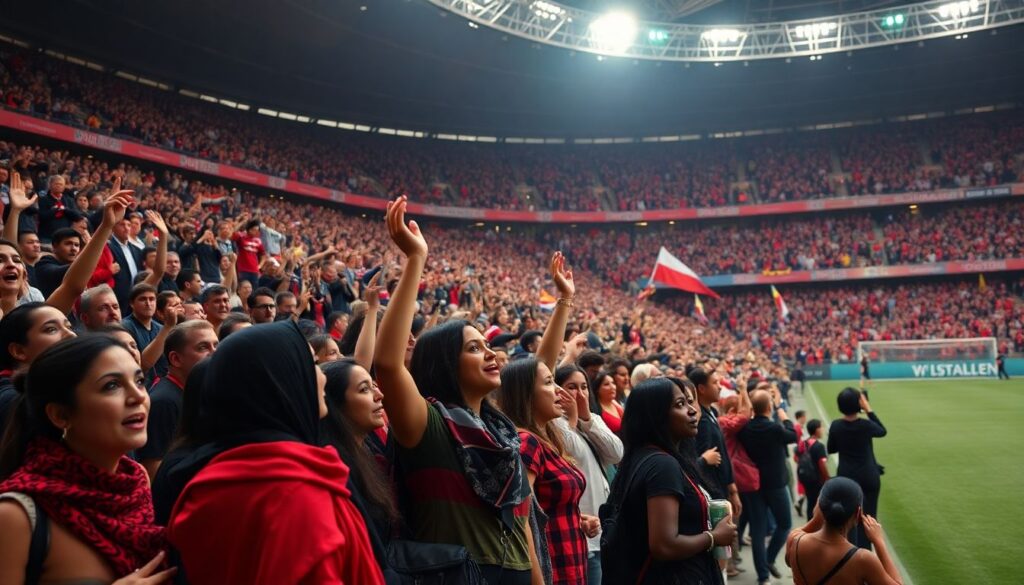
- Exclusion and gatekeeping. Strict codes around clothing, accents or «proper» knowledge can push women, migrants or older supporters to the margins.
- Normalisation of insults and hate. Some rituals include racist, homophobic or sexist songs. Tradition is often used to justify words that would be unacceptable outside the stadium.
- Commercial capture. Clubs can turn organic symbols into products, using merchandising oficial aficionados fútbol online to sell «authenticity» back to fans, while the original creators may not benefit.
- Safety and health issues. Flares, overcrowded marches and long away trips without rest can create real physical risks, even when no violence occurs.
Local Economies, Politics and the Wider Sociocultural Footprint of Fandom
Another myth is that fan culture is «just a hobby» with no serious economic or political impact. In reality, money, jobs and local power often flow through organised fandom, especially around big clubs.
- Underestimating economic circulation. Matchdays move money: bars, street vendors, transport, viajes organizados para hinchas de fútbol, and online sales. Decisions about kick‑off times or TV rights, and how fans use a suscripción canales fútbol para ver partidos en casa, redistribute this income between neighbourhoods and corporations.
- Ignoring informal ticket and travel networks. In some Latin American contexts, barras control blocks of tickets and buses. This affects who can attend, how entradas partidos barra brava experiencia estadio are lived, and who earns from the event.
- Simplifying political influence. Fans are not a single voting bloc, but organised groups can support or oppose club presidents, pressure city councils for stadium reforms and influence security policies.
- Romanticising «authentic» violence. Some media and even tourists treat violent groups as colourful folklore, which can indirectly legitimise dangerous practices and attract thrill‑seekers.
- Overlooking digital power. Couch spectators and international followers shape club brands through social media, streaming figures and what they buy as merchandising oficial aficionados fútbol online, pushing clubs to prioritise global image over local concerns.
Management, Policing and Club Strategies: Reducing Harm while Preserving Culture
The easy narrative says there are only two options: tolerate everything or ban ultras and barras completely. In practice, balanced strategies can protect atmosphere, limit harm and keep dialogue open.
Practical action pattern for clubs and authorities (mini «pseudocode»).
- Map actors and risks. Identify groups (ultras, barras, family stands, visitor sectors, couch fans using suscripción canales fútbol para ver partidos en casa) and their behaviours: positive contributions, past incidents, leadership structures.
- Set clear, realistic rules. Define which actions are non‑negotiable (e.g., racist chants, weapons, certain pyros) and which can be negotiated (flags size, drums, choreographies). Publish these rules and enforce them consistently.
- Create stable communication channels. Appoint supporter liaison officers, hold regular meetings with group representatives and independent fan associations, and share data about sanctions and incidents transparently.
- Design stadiums for safe passion. Where law allows, introduce safe‑standing zones, clear sectors for organised support, and secure paths for away fans, instead of dispersing groups chaotically.
- Combine sanctions with incentives. Use bans and fines for serious offences, but also recognise positive initiatives, co‑create tifos, or support social projects led by groups that reduce violence or discrimination.
- Coordinate around travel and events. When planning viajes organizados para hinchas de fútbol or high‑risk games, involve clubs, police, transport operators and fan groups early, so logistics reduce tension rather than create it.
- Monitor commercial relationships. Ensure that deals around tickets, merchandising oficial aficionados fútbol online or local sponsorships do not give any one group unhealthy power over access, especially in barra‑dominated contexts.
Mini‑case sketch (Southern Europe). A club facing repeated incidents with its ultra group stopped blanket bans and instead: (1) recognised the group in a formal agreement; (2) created a dedicated safe‑standing section; (3) co‑designed rules on flags and pyros; (4) set automatic sanctions for racist or violent acts. Over several seasons, serious incidents fell, while the curva’s atmosphere improved and media coverage shifted from «problem fans» to «model support sector».
Concise Clarifications on Frequently Raised Doubts
Are ultras and barras bravas always violent by definition?
No. Both categories describe organised, passionate supporters, not automatic criminals. Some subgroups use violence; others actively reject it and focus on singing, tifos and social projects. The key is behaviour and norms, not the label.
Is a couch spectator a less authentic fan?
Not necessarily. Many armchair fans watch every match, analyse tactics and support the club financially through TV packages and merchandising. Authenticity depends on engagement and care, not only on physical presence at the stadium.
Does buying ultras‑style shirts or flags make someone a hooligan?
No. Products found when people search camisetas ultras fútbol comprar are symbols; the line is crossed only when someone joins or imitates violent practices. Clubs and brands should, however, be careful not to glamorise serious violence.
Why do some clubs negotiate with ultras and barras instead of banning them?
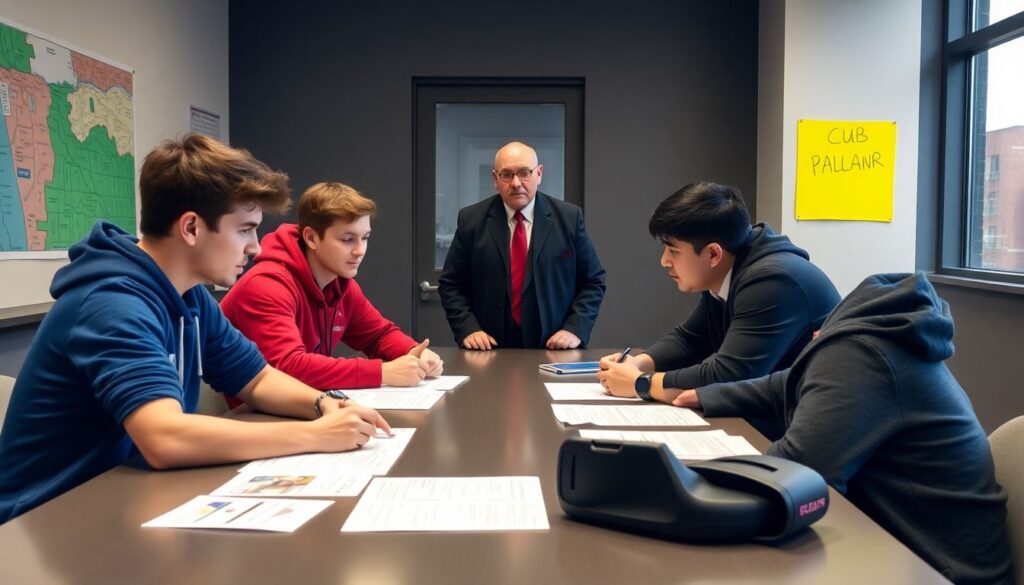
Because these groups can both create problems and solve them. Negotiation allows clubs to channel energy into positive support, agree on limits and reduce conflict more effectively than relying only on repression.
How do organised fans affect local businesses?
They boost income for bars, restaurants, transport and street vendors on matchdays. When large groups travel through viajes organizados para hinchas de fútbol, entire neighbourhoods can feel the effect, positively or negatively, depending on management.
Are digital and international fans really important for clubs?
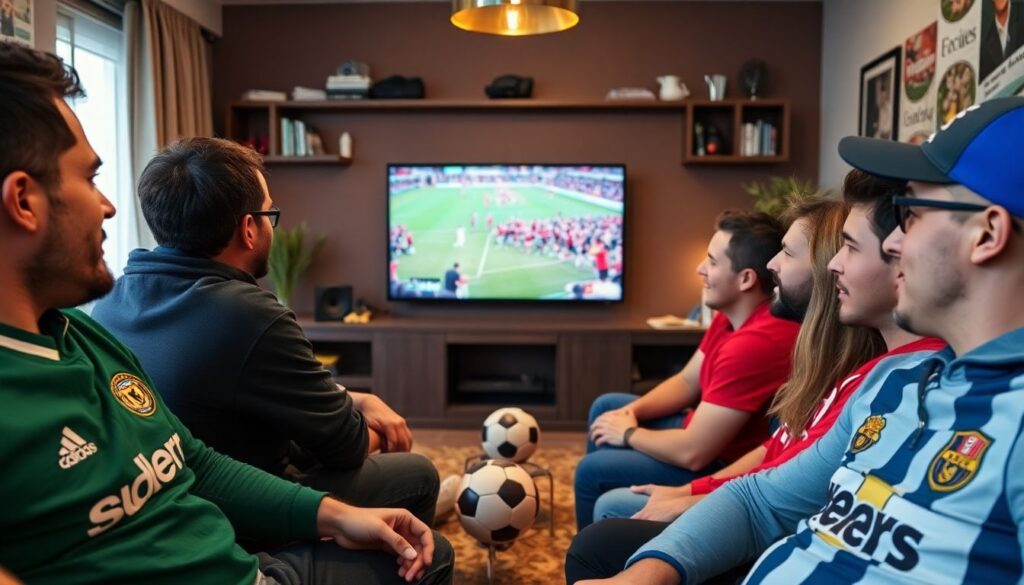
Yes. Streaming audiences and online followers influence sponsorship deals and brand value. Fans who only engage through a suscripción canales fútbol para ver partidos en casa or merchandising oficial aficionados fútbol online still matter for club finances and image.
Can hooliganism ever be completely eliminated?
Serious violence can be greatly reduced but not fully eliminated. The most effective approach mixes consistent sanctions, smart stadium design, fan dialogue, social policies and media responsibility in how incidents are reported.
Комментарии