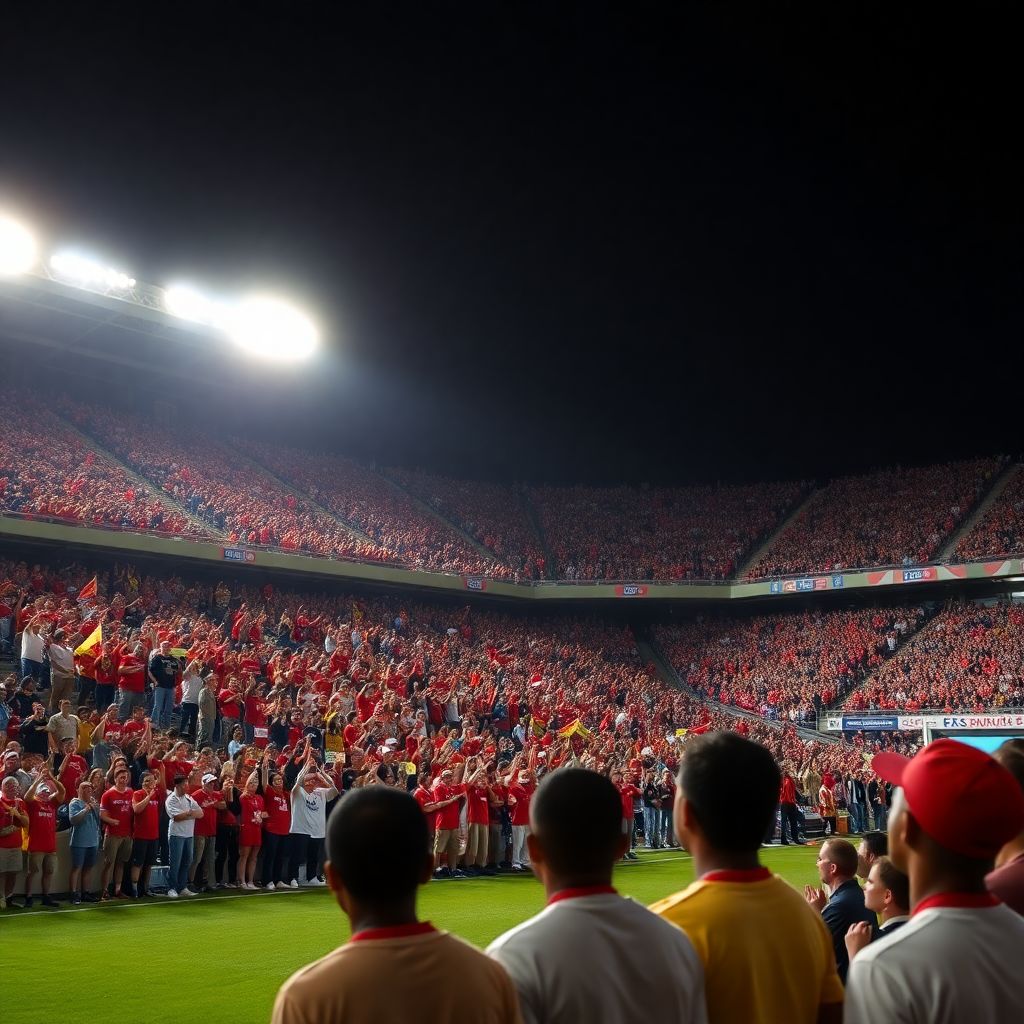
Football shapes national identity less by magically uniting everyone and more by offering regular, emotional «rehearsals» of belonging. National teams, rituals and media stories give people simple, repeatable ways to feel part of a collective. The effect is real but uneven, often excluding minorities and reinforcing existing power rather than transforming it.
Core propositions on football and nationhood
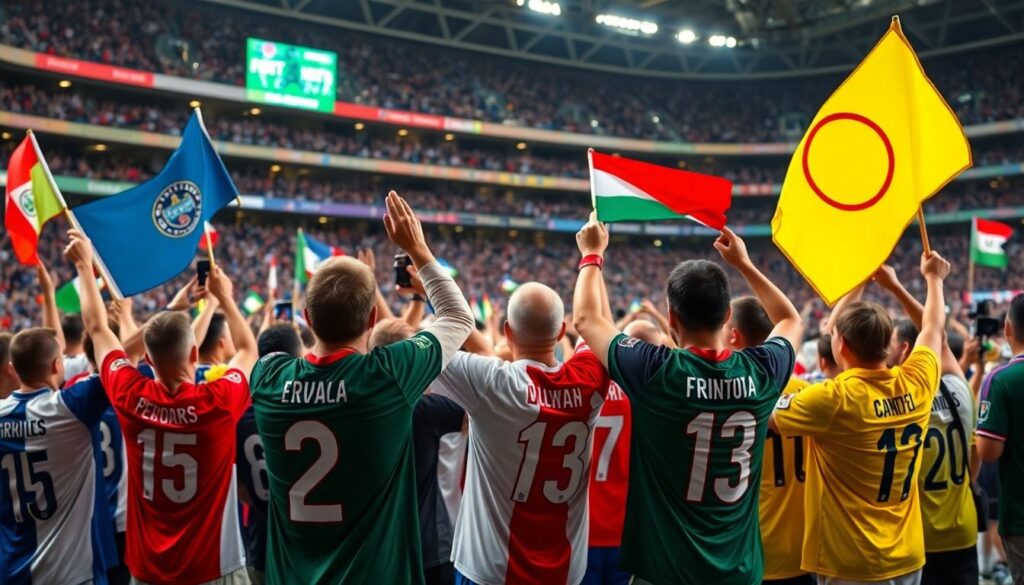
- National teams turn abstract nations into visible, recurring dramas that people can emotionally join.
- Unity around a team is powerful but temporary; deep political conflicts rarely disappear after a big win.
- Symbols (shirt, flag, anthem) work as low-effort daily tools for performing identity.
- Media, migration and diasporas constantly renegotiate who is «really» part of the nation.
- States use football for international legitimacy, while players and fans sometimes turn it into a protest stage.
- Clubs and supporter cultures maintain belonging between tournaments, giving national identity a routine, everyday base.
Persistent myths: does the national team actually create unity
The common belief that the national team creates lasting unity is overstated. Matches offer intense but short-lived togetherness; the feeling usually fades when normal politics, inequalities and regional tensions return. Temporary emotional peaks should not be confused with structural change.
A second myth says that everyone experiences the team in the same way. In reality, some groups feel excluded by chants, flags or political associations attached to the team. For example, in Spain, identification with the selección has historically varied between regions, and not all fans feel represented equally when buying a scarf or a camiseta oficial selección española comprar online.
Another myth presents football as a neutral space, «just sport». National federations, sponsors and governments shape almost every detail: kickoff times, anthem rules, stadium security, even which flags are allowed. These decisions guide how the idea of patria appears on TV, in the stands and around everyday products like entradas selección española de fútbol or paquetes hospitality partidos selección nacional.
Finally, many assume that more success always means stronger nationalism. Cross-national evidence suggests something subtler: sustained success can normalise pride and reduce insecurity, while constant failure may fuel anger against elites. The same 90 minutes can reinforce different narratives in different countries depending on history, media framing and existing political conflicts.
Historical pathways: how early internationals shaped national narratives
Football has helped build national narratives through repeated, concrete mechanisms rather than abstract «spirit». The following historical pathways show how:
- Creating clear «us vs them» scripts. Early internationals in Europe turned neighbours into sporting rivals with simple storylines: Spain vs France, England vs Scotland, Argentina vs Brazil. Newspapers described matches as symbolic battles, teaching readers who «we» are and who «they» are.
- Standardising national symbols. Early 20th-century tournaments helped fix colours, badges and anthems. Brazil’s yellow shirt, Italy’s azzurro or Spain’s rojo y gualda on the shirt became normal through repetition on radio and in stadiums long before many people held passports or voted.
- Building heroic canons and shared memories. Iconic matches (World Cups, continental finals, clásicos between national rivals) created simple historical «chapters»: glorious victories, painful defeats, famous injustices. In Spain, for example, generations talk about specific tournaments in the same way people reference major political events.
- Providing post-conflict rituals of return. After wars or dictatorships, national teams often served as low-risk spaces to re-enter international society. West Germany’s 1954 World Cup win, Spain’s 1964 European Championship or South Africa’s 1996 AFCON title all helped rebrand nations on the world stage.
- Offering inclusion to new citizens and diasporas. As migration increased, players with dual heritage appeared in national teams (for instance, in France, Germany or Belgium). Each selection decision signalled a particular national story about who belongs and on what terms.
- Normalising mass media rituals. Regular broadcasts turned finals into quasi-public holidays. Today, people plan suscripción plataformas para ver fútbol en directo around tournament schedules, repeating viewing rituals at home or in bars that make the nation feel present in daily life.
Rituals and symbols: flags, anthems and stadium choreography as identity work
National identity becomes visible through small, repeated actions around matches. These rituals are easy to copy and require little explanation, which is why they spread so effectively.
Matchday objects. Fans buy shirts, scarves and flags to «wear» the nation. Choosing a camiseta oficial selección española comprar in a shop or online is not just commerce: it is a small, visible decision to be counted as part of «Spain» in that moment.
Anthems and collective singing. Standing for the anthem in the stadium or living room is a simple but loaded act. People decide whether to sing, stay silent, whistle or turn away. Each option expresses a stance toward the patria without needing a speech.
Stadium choreography. Tifos, mosaics and banners coordinate thousands of strangers into a single visual message. In Spain, massive flags or choreographies in red and yellow do practical ideological work: they show that a certain idea of Spain occupies public space, at least for the duration of the match.
Travel rituals. Organised viajes para ver partidos de la selección española turn away games into mobile patriotic festivals: charter flights, bus convoys, planned meetups in squares. Singing in another country’s streets under your flag makes national identity feel both portable and collective.
Home-viewing routines. Even fans who never see a stadium participate. Decorating a living room, inviting the same friends, cooking «traditional» snacks and synchronising kickoff with neighbours through a suscripción plataformas para ver fútbol en directo create micro-rituals that attach nationhood to ordinary domestic life.
Media, migration and diasporas: contesting who counts as national
Modern football constantly renegotiates the boundaries of the nation; who counts as «us» is never fully settled. Media narratives, migration patterns and diasporic fan communities push these borders in different directions.
Practical advantages of this renegotiation
- Wider talent pool for national teams. Allowing dual nationals and children of migrants to represent the country improves sporting performance and signals an open, civic understanding of belonging.
- Transnational fan bases. Diaspora communities who follow the selección from abroad, often via suscripción plataformas для ver fútbol en directo, give the nation visibility in new markets and keep emotional ties alive across generations.
- Richer public debate. Media disputes over player selection, racism or anthem behaviour force societies to talk concretely about inclusion, discrimination and what patriotism means in practice.
- Flexible identities for individuals. Players and fans with mixed backgrounds can legitimately support more than one national team, reflecting how real lives cross borders.
Limits and tensions around inclusion
- Persistent racial and cultural stereotypes. Media and some fans may accept «foreign-born» players only if they perform well, questioning their loyalty when results dip.
- Instrumental acceptance. States and federations sometimes embrace diasporic players for trophies and marketing while neglecting the everyday rights of similar communities at home.
- Exclusionary chants and symbols. Certain flags, songs or slogans used in stadiums can make minorities or dissenting regions feel that the «national» space is not for them.
- Commercial capture. Corporate campaigns turn complex identity issues into simple, feel-good slogans that avoid structural problems like inequality or discrimination.
Politics on the pitch: statecraft, protest and international legitimacy
National teams are tools of soft power, but their political impact is often misunderstood. Several common errors repeat across countries.
- Believing success guarantees regime stability. Governments sometimes assume that trophies erase economic hardship or corruption scandals. History shows the effect is temporary; frustration often returns stronger once the euphoria fades.
- Forcing unity through bans and censorship. Trying to outlaw certain flags, songs or gestures in stadiums usually pushes conflict elsewhere instead of resolving it. Fans find alternative symbols or digital spaces to express the same tensions.
- Confusing visibility with legitimacy. Hosting tournaments or selling high-end paquetes hospitality partidos selección nacional may impress foreign guests, but genuine legitimacy depends on consistent rights and freedoms, not VIP boxes and ceremonies.
- Using players as automatic ambassadors. Assuming that every footballer must act as a loyal spokesperson for state policies ignores their personal backgrounds and beliefs. When players are punished for mild criticism or social activism, it can backfire internationally.
- Ignoring international audiences. Domestic political gestures-whether nationalist, regionalist or activist-are now broadcast worldwide. States that react harshly to peaceful protest on the pitch often lose more reputation abroad than they gain at home.
Everyday structures: clubs, supporters and the maintenance of belonging
National identity is not built only during tournaments; it is maintained year-round through clubs, supporter groups and routine consumption. A short example from the Spanish context shows how this works in practice.
Imagine a fan from a medium-sized Spanish city. During the year, their main loyalty is to the local club. They attend league matches, follow transfer rumours, and argue with friends in a bar that streams games via suscripción plataformas para ver fútbol en directo. Politics enters quietly: debates about regional flags in the stadium, songs that mention the nation, jokes about rivals from other regions.
When the selección plays, the same fan joins a WhatsApp group to coordinate viajes para ver partidos de la selección española or, if travel is impossible, to meet at a bar already decorated in red and yellow. In the days before the match, they search entradas selección española de fútbol, consider paquetes hospitality partidos selección nacional for a special occasion, and maybe order a new shirt-typing camiseta oficial selección española comprar into a search engine. Each small action reinforces a sense that «being Spanish» is something lived through concrete choices: which team to follow, where to go, what to wear, what songs to sing.
Across thousands of similar routines, clubs provide the weekly rhythm, while the national team supplies intense peaks. Together they keep the idea of patria active, not as a theory but as a set of habits, purchases, routes through the city and shared memories that people can easily repeat and adjust over time.
Common misunderstandings and concise clarifications
Does supporting the national team mean I must agree with my government?
No. Supporting the team is support for a group of players and a shared symbol, not automatic approval of any specific government. Many fans use matches precisely to express alternative or critical views through banners, songs or silence.
Can football really change deep political divisions in a country?
Football can soften tensions temporarily by creating moments of shared joy, but it rarely resolves underlying conflicts on its own. Without changes in policy and everyday life, the old divisions usually reappear once the tournament ends.
Is buying national team merchandise a strong nationalist statement?
Not necessarily. For most people, buying a shirt or scarf is a light, situational way to participate in an event. The meaning depends on context: the same shirt can feel festive at a match, neutral at home and provocative in a tense political setting.
Do players with migrant backgrounds feel less patriotic?
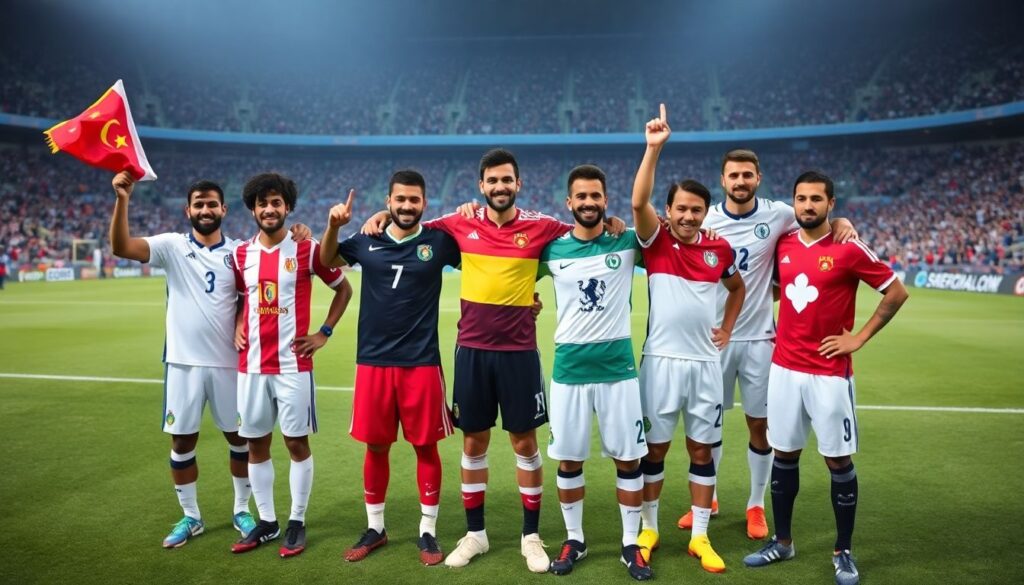
Patriotism cannot be measured by birthplace alone. Many players with migrant or dual-heritage backgrounds express strong attachment to the country they represent, while some «native-born» players feel more distant. What matters is lived experience, not stereotypes.
Is it a problem if I support both a national team and a regional team?
No. Multiple loyalties are common. Many fans in Spain and elsewhere support a club with strong regional identity and also the national team, switching emphasis depending on the competition and personal history.
Does refusing to sing the anthem mean someone is anti-national?
Silence can express many things: political disagreement, personal discomfort, respect, shyness or simply habit. Judging someone’s whole position on the nation from one televised moment is unreliable and often unfair.
Are football-based campaigns against racism or exclusion actually useful?
They can help by raising visibility and shifting norms in stadiums, but only when backed by consistent sanctions, education and inclusion policies. Without follow-up, slogans and armbands have limited practical impact.