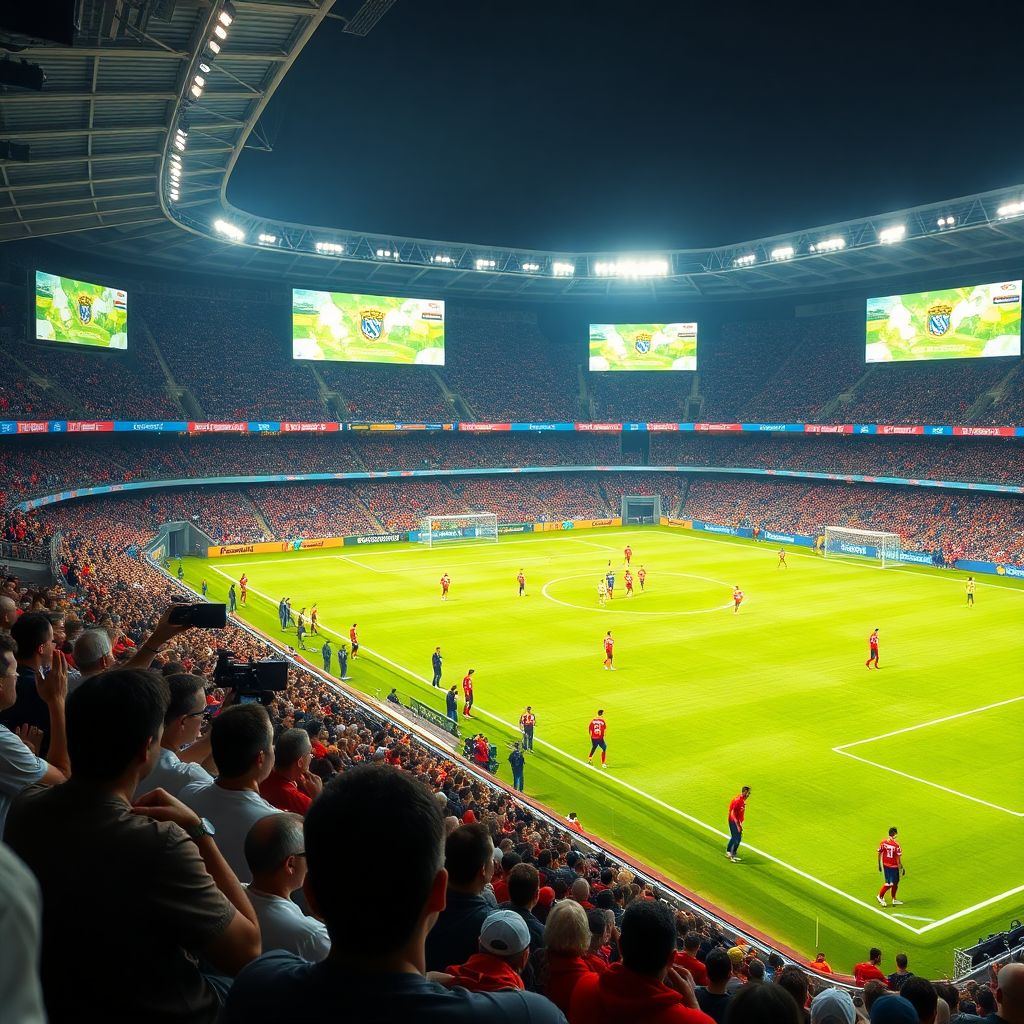
Football shifted from pure sport to marketable spectacle when clubs, leagues and broadcasters began structuring the game around television, sponsorship and global audiences rather than only local competition. This gradual change, accelerated from the 1980s onwards, turned matches, players and even fan attention into products to be packaged, priced and sold.
Pivotal shifts that transformed football into a marketable product
- The rise of centralized broadcasting rights that monetized spectatorship at scale and amplified the impacto de la televisión en el fútbol profesional.
- Front‑of‑shirt sponsors and stadium naming rights that converted club identity into advertising inventory.
- League restructurings that maximized TV slots, international appeal and predictable content for broadcasters.
- Transfer market inflation, player branding and agents turning athletes into appreciating assets.
- New stadiums designed as retail and leisure hubs, not just sporting venues.
- Global tours, digital platforms and narratives that converted local clubs into global entertainment brands.
- The normalization of fútbol negocio del espectáculo as a business model guiding strategic choices.
Broadcasting rights and the commodification of spectatorship
The clearest turning point in the historia de la mercantilización del fútbol is the shift from tickets as the main income source to broadcasting rights as the financial engine. When leagues began selling TV rights collectively and for multiple seasons, the match became a media product first, a local event second.
This transformed spectatorship into a commodity. Broadcasters paid for access to attention; leagues rearranged kick‑off times for prime time; calendars were stretched to deliver content every day of the week. The impacto de la televisión en el fútbol profesional redefined who the primary customer was: the viewer on the sofa rather than the fan in the stand.
In practical terms, TV‑driven commercialization is relatively easy to implement for leagues: negotiate once, distribute centrally, and share revenues. The main risk is strategic dependency. Clubs adapt styles, schedules and even competition formats to keep ratings high, sometimes sacrificing sporting integrity or stadium atmosphere for broadcast requirements.
Quick implications checklist: recognize TV as primary client; expect schedule fragmentation; monitor risks of overexposure and fan alienation.
Sponsorship, branding and the monetization of club identity
If broadcasting sells access to matches, sponsorship sells association with meanings. This is where marketing deportivo en el fútbol actual turns colours, crests and even nicknames into brand assets that can be leased to companies.
- Shirt sponsorships. The club jersey becomes moving advertising space. Implementation is easy once regulations allow it, but the risk is saturation and loss of traditional identity if designs change too often or clash with club heritage.
- Technical and lifestyle partners. From kit manufacturers to airlines and betting companies, partners buy visibility across all touchpoints. Convenient financially, yet risky when partners operate in controversial sectors that may damage reputation.
- Naming rights for stadiums and competitions. High revenue and relatively low operational complexity, but fans may resist replacing historic names, which can erode emotional connection.
- Brand architecture and sub‑brands. Academies, women’s teams and esports squads are presented under one global brand. Efficient for cross‑selling, though it can blur the club’s sporting priorities.
- Content and storytelling. Documentaries, social media series and behind‑the‑scenes formats turn the club into a constant content source. Easy to scale once media teams are in place, but risks overexposing players and simplifying complex issues into shallow narratives.
- Merchandising ecosystems. Online and physical stores extend monetization well beyond matchday. They are convenient but can shift focus from local supporters to tourists, especially in big European cities.
Quick implications checklist: align sponsors with club values; limit logo clutter; weigh short‑term revenue against long‑term brand credibility.
League structures, commercialization and competitive engineering
League formats quietly define how far fútbol negocio del espectáculo can go. When organizers design competitions for maximum broadcast appeal, they engage in what can be called competitive engineering: rules and calendars built around product attractiveness as much as sporting merit.
- Closed or semi‑closed competitions. Playoff systems, reduced relegation or franchise models offer stability for investors and broadcasters, making implementation attractive. The risk is predictable outcomes, reduced drama for neutral fans and a sense that money, not performance, decides who participates.
- Expanded continental tournaments. More group games mean more guaranteed dates to sell in advance. Easy to pitch to sponsors, but fixture congestion can harm player health and domestic leagues, creating a perception that elite clubs receive privileged treatment.
- Staggered kick‑off times. Splitting matchdays into multiple TV windows maximizes audience but fragments the communal experience. Implementation is straightforward; the real risk lies in extreme time slots that upset local fans and players.
- Financial regulations with commercial logic. Rules like salary caps or revenue‑based spending aim to make leagues sustainable products. They are complex to design and enforce, and may lock in advantages for clubs already rich in commercial income.
- Global match distribution. Super cups or selected league games played abroad are simple to market, but politically sensitive and perceived as prioritizing overseas fans over season‑ticket holders.
Quick implications checklist: evaluate each format change by two criteria: does it protect competitive balance and does it respect core local supporters.
Player market dynamics: transfers, agents and the valuation of athletes
The professionalization of transfers and representation is central to cómo se ha comercializado el fútbol moderno. Players moved from being employees of a local club to mobile assets in a global entertainment industry, with their image, data and contracts all contributing to a financial valuation.
Benefits of a commercialized player market
- More mobility for players, allowing careers across leagues and continents, which improves sporting quality and global narratives.
- Professional agents and lawyers who can secure better working conditions, image rights management and post‑career planning.
- Transparent contract structures that make clubs more disciplined in planning wages and amortizing transfer fees.
- Enhanced global visibility that turns top players into powerful brands, beneficial for league marketing and sponsor attraction.
Limitations and risks of turning players into assets
- Inflationary transfer chains that push smaller clubs out of the elite talent market and increase financial fragility.
- Short‑termism, with presidents and sporting directors prioritizing high‑impact signings over sustainable squad building.
- Potential conflicts of interest when agents represent multiple parties or influence club strategies beyond individual contracts.
- Pressure on young players treated as investments from early adolescence, with mental health and educational risks.
Quick implications checklist: treat players as long‑term partners, cap dependence on transfer trading and ensure governance around agent relations.
Stadiums, matchday experience and the retailization of attendance
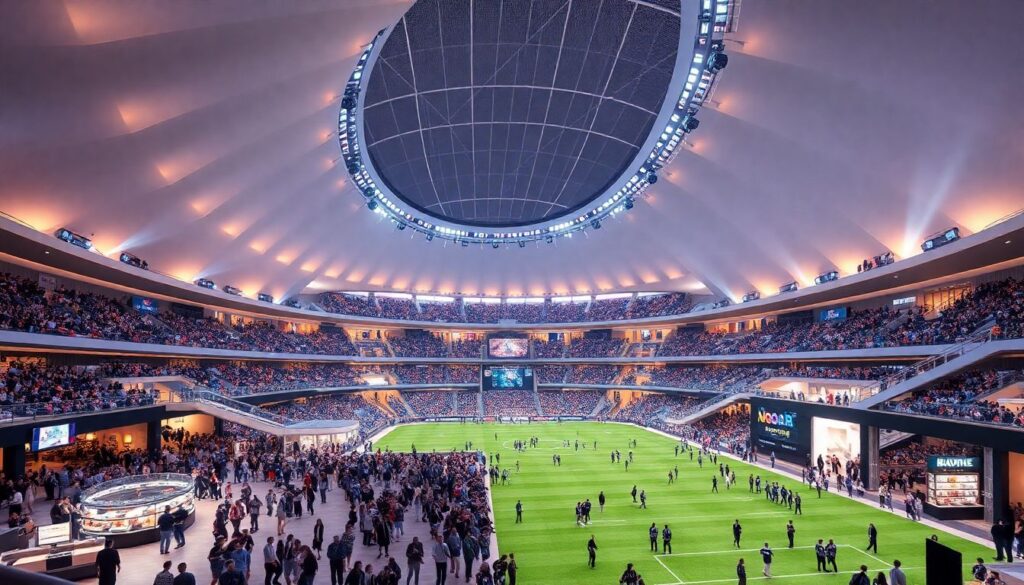
New stadium models embody the shift from game to product. Venues are no longer just places to watch football but multi‑purpose arenas, shopping centers and hospitality hubs. Implementation is capital‑intensive but conceptually simple: monetize every square meter and every minute fans spend on site.
This retail logic brings frequent errors and myths.
- Myth: more VIP equals more success. Adding corporate boxes is tempting, yet over‑focusing on hospitality can sideline traditional fan groups that actually generate atmosphere and identity.
- Mistake: generic shopping experience. Filling concourses with the same global chains may be operationally easy but disconnects the club from its local culture and price realities.
- Myth: tourists can replace season‑ticket holders. Tourist spend is attractive in the short term, especially in big cities in Spain, but it is unstable and can hollow out long‑term loyalty.
- Mistake: ignoring matchday logistics. Investing in high‑end interiors while neglecting public transport, access and security generates frustration that damages the overall product.
- Myth: louder music equals better atmosphere. Over‑programmed entertainment can drown out organic chants and rituals that make each club unique.
Quick implications checklist: design stadiums around local fans first, integrate retail carefully and preserve spaces for authentic culture.
Globalization, media narratives and the creation of a global fanbase
Globalization is where all previous elements converge. Broadcasting deals, branding and player stars enable clubs to reach fans who will never visit the stadium. The product is no longer only the ninety minutes but a continuous story told across languages and platforms, from Spain to Asia and the Americas.
Consider a mid‑table European club that repositions itself as a modern, attacking side. It invests in English‑language social media, summer tours abroad and a streaming‑friendly kickoff schedule. Within a few seasons it signs a high‑profile Latin American player, launches e‑commerce for shirts worldwide and secures a global sponsor attracted by its digital metrics.
This global strategy is relatively easy to roll out in marketing terms but risky strategically. The club can become dependent on volatile international attention, neglect its local base and adapt its identity to what algorithms reward rather than to community history. Yet when managed carefully, it diversifies revenue and cushions local economic shocks.
Quick implications checklist: balance global content with local roots, choose narratives that reflect real values and avoid overpromising success to attract distant supporters.
Self‑assessment checklist: is football still game or mostly product?
- Can you explain how your club earns most of its money: tickets, TV, sponsors or transfers?
- Have schedules, formats or kickoff times clearly shifted towards TV rather than stadium logic?
- Do marketing stories reflect the club’s sporting reality, or mainly serve sponsors and platforms?
- Is local fan experience improving alongside global reach, or being quietly sacrificed?
- Are key decisions justified in sporting terms first and commercial terms second, or the opposite?
Practical clarifications on commercialization and its implications
When did football start becoming a commercial product rather than just a sport?
The process began early with ticket sales and local sponsors, but it accelerated strongly from the late twentieth century with mass television, global broadcasting rights and modern sponsorship. The key change was treating matches as media content and clubs as brands rather than only community institutions.
Is commercialization always negative for traditional supporters?
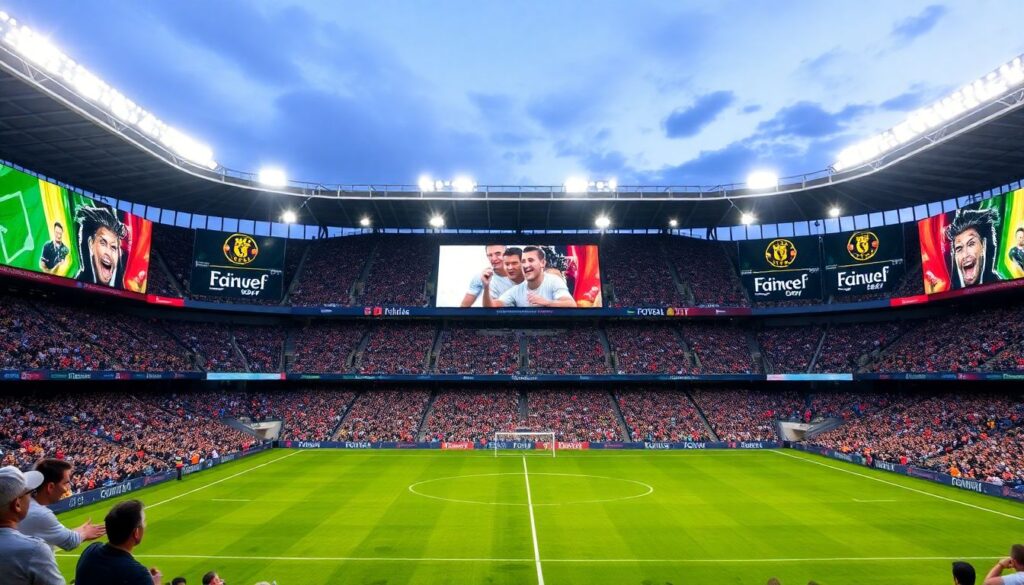
Not necessarily. Higher revenues can finance better facilities, safer stadiums and stronger squads. Problems arise when decisions are driven solely by short‑term commercial metrics, ignoring ticket affordability, tradition and the collective experience that makes fandom meaningful.
How does television specifically shape modern football competitions?
Broadcasters influence kickoff times, fixture distribution and sometimes even competition formats to maximize audience. This often leads to fragmented matchdays, expanded tournaments and global time‑zone considerations, which may clash with the habits of local fans and players.
Why do clubs pursue global fans instead of focusing only on their local base?
Global fans expand the potential market for merchandise, sponsors and digital content far beyond stadium capacity. The challenge is to grow internationally without diluting identity or sidelining local supporters who sustain the club in difficult periods.
Can a club resist commercialization and stay competitive?
A club can prioritize member ownership, fair pricing and cultural continuity, but complete resistance is difficult in professional systems reliant on media and sponsorship money. The realistic approach is selective commercialization aligned with clear values and transparent communication.
How does merchandising fit into the shift from sport to spectacle business?
Merchandising turns symbols like crests and colours into everyday products, extending the relationship beyond matchdays. It is easy to scale, especially online, yet it risks reducing identity to a logo if not supported by genuine sporting and community engagement.
What role does sports marketing play in shaping modern football narratives?
Marketing departments craft the stories that connect clubs, players and sponsors, heavily influencing perceptions of success and identity. In marketing deportivo en el fútbol actual, these narratives are continuous and global, which can deepen engagement but also oversimplify complex realities.