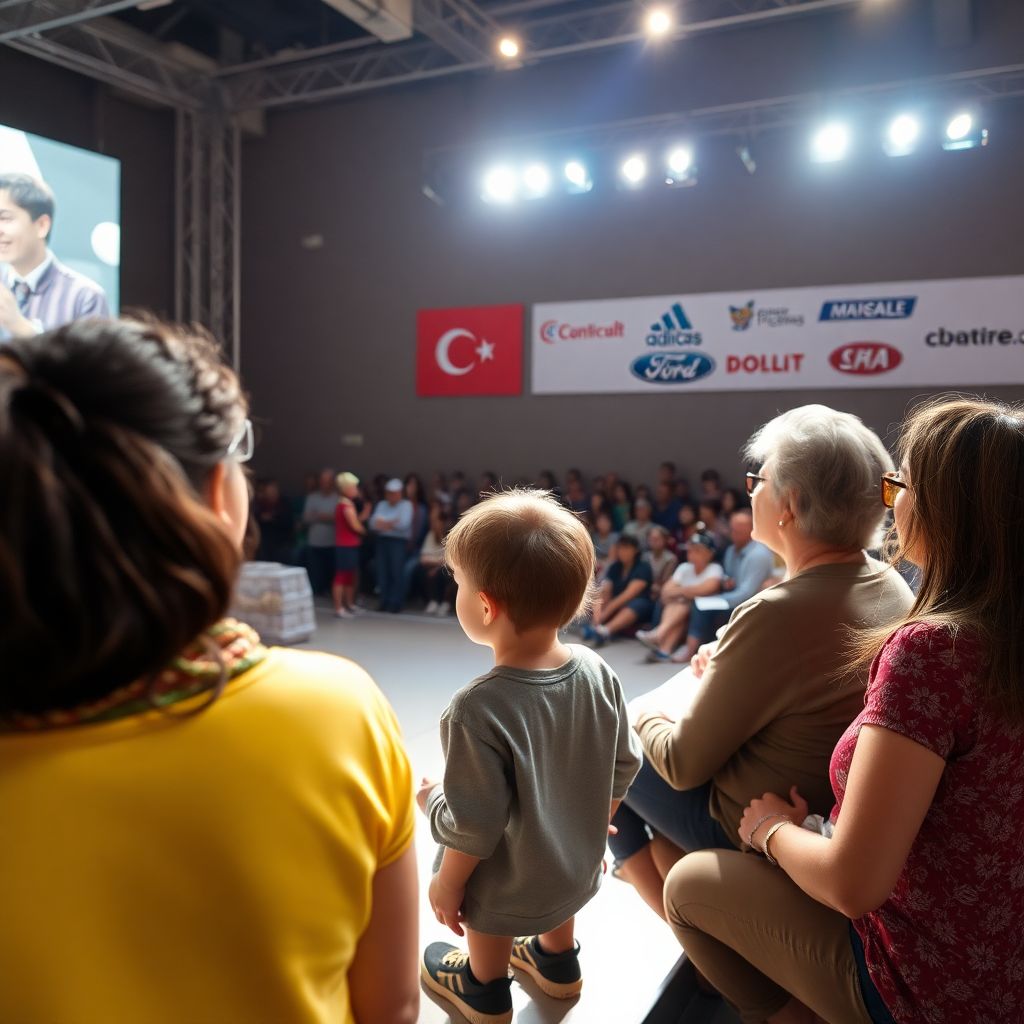
Youth-talent commodification is the process by which children’s abilities in sport, music or STEM are turned into market products through academies, representatives and competitions. To navigate it safely, treat your child first as a person, then as a project: audit offers, cap time and money invested, and demand transparency in contracts and workloads.
Foundations: how the youth-talent market is structured
- The market is built around three hubs: academies, representatives and event/media organizers.
- Value is created by concentrating talent, standardizing training and packaging children as future «assets».
- Parents are both clients (paying fees) and suppliers (providing the child’s work and image rights).
- Returns are highly unequal: a tiny minority sign elite contracts, most families only incur costs.
- Risk management (health, education, psychological safety) is rarely aligned with commercial incentives.
- In Spain, football structures are especially dense, from grassroots clubs to private academias de fútbol para jóvenes talentos precios muy variables.
Debunking myths about child prodigies and market demand
«Mercantilisation of youth talent» means turning a child’s potential into tradable value: fees, sponsorships, clicks, transfer rights or prize money. It is not only about elite football: it runs through music conservatories, esports academies, chess schools and programming bootcamps for gifted teenagers.
Myth 1: «Talent sells itself.» In reality, demand is shaped by marketing, narratives and scouting networks. A nine-year-old in one of the escuelas de alto rendimiento deportivo para niños prodigio might receive weekly visits from scouts, while an equally gifted child in a small town never appears on the radar.
Myth 2: «More exposure is always better.» Extra tournaments, showcases and social media can increase opportunities, but also fatigue, anxiety and injuries. Each new stage should be evaluated as a project: objective, cost (time, money, health), and clear stop-loss point if signals turn negative.
Myth 3: «If we do not invest aggressively now, the window will close forever.» Early specialization brings speed but also fragility. The practical rule: push enough to open options (technical base, languages, psychological skills), but keep at least one solid alternative path in education and broader life skills.
Myth 4: «Professionals always know what is best for the child.» Coaches and representatives depend on results and visibility. Their incentives may conflict with long-term wellbeing. Parents and practitioners in Spain need the confidence to say no, even when speaking with prestigious representantes de futbolistas juveniles en España or renowned academy directors.
How academies shape, package and monetize early talent
Academies are the visible engine of youth-talent commodification. They transform raw potential into a market-ready product through several steps.
-
Selection and filtering.
Open trials, tests and auditions identify children with above-average potential. In football this might involve multiple trial days; in music, graded auditions; in STEM, competitive entrance exams. -
Standardized training programs.
Once inside, children follow structured curricula: weekly sessions, periodized workloads, performance testing and video analysis. High-end academias de fútbol para jóvenes talentos precios medios o altos often bundle physical conditioning, nutrition advice and psychology sessions into their packages. -
Branding of the academy and the child.
Academies build reputations: «proven pathway to La Liga», «pipeline to top conservatories», «Olympiad-level math results». Children become part of this story, appearing in media posts, highlight videos and internal rankings that increase their perceived market value. -
Competition and showcase events.
Internal leagues, friendlies, concerts or hackathons are used to showcase talent to scouts, sponsors and universities. In sport, academies often negotiate slots in tournaments where scouts from big clubs or federations are present. -
Monetisation via tuition and add-ons.
Income comes first from fees: core training, equipment, extra clinics, international tours. Some escuelas de alto rendimiento deportivo para niños prodigio create «elite» groups with higher fees for more exposure, intensifying pressure on families to upgrade. -
Pipeline to external deals.
The most advanced academies align with professional clubs, agencies or brands. Even when they claim not to act as agents, they can influence which servicios de representación para jóvenes talentos deportivos approach which families. -
Data and content exploitation.
Video, statistics, biometric data and social media content are all potential assets. Before agreeing, parents should ask: who owns the footage? How can it be used? Is there revenue sharing if content goes viral?
The role of representatives: contracts, commissions and power asymmetries
Representatives and intermediaries coordinate interests between families, clubs, sponsors and media. They can add real value, but the power imbalance with minors is strong.
-
Negotiating with clubs and institutions.
In football, representantes de futbolistas juveniles en España negotiate scholarships, training conditions, image rights and future transfer clauses with clubs and academies. In music, agents secure places in orchestras, festivals or masterclasses. -
Managing sponsorships and personal brand.
Agents look for sportswear deals, instrument endorsements, tech sponsorships or online course partnerships. They control what is posted, where the child appears and how their story is framed, which can both open doors and lock them into a single identity. -
Legal and administrative navigation.
Visa processes, schooling arrangements, residence permits, competition licenses and federation rules are complex. Good services de representación para jóvenes talentos deportivos simplify this, but may also use legal jargon to hide one-sided clauses. -
Commission structures and hidden incentives.
Commissions are typically a percentage of income (salaries, bonuses, sponsorships). The risk: an agent pushing a move or a sponsorship that is bad for development but high in short-term commission. -
Exclusive vs. non-exclusive agreements.
Exclusive contracts give one representative full control over negotiations. For minors, this can be dangerous if expectations are not met. Non-exclusive or short-duration agreements increase flexibility but may reduce agent motivation. -
Informal influence before formal contracts.
Even before signing, families can feel morally bound to the first agent who «discovered» their child. Practically, you should treat any early promise as a business proposal, not a moral obligation, and always compare at least two or three offers.
Economic models: sponsorships, competitions, media and licensing

Once talent is visible and somewhat structured, different economic models emerge around the child. Each has benefits and clear limits.
Upsides and opportunities for families and practitioners
- Access to higher-level training, often subsidised by clubs, sponsors or scholarships.
- In-kind support such as equipment, travel costs and specialist coaching that families could not afford alone.
- Early familiarity with professional standards: punctuality, feedback, competition pressure and teamwork.
- In some cases, early contracts that give financial stability, especially in contexts with limited socioeconomic mobility.
- Networking with coaches, scouts, producers and mentors that can help even if the first career choice fails.
- Opportunities in adjacent fields: coaching, analysis, content creation or teaching, even if the top-player dream does not materialise.
Constraints, risks and structural limits

- Dependence on unpredictable factors: injuries, voice changes, technological shifts or simple preference changes in the market.
- Legal and tax complexity, especially when international deals or online incomes are involved.
- Overexposure of minors in media, including social platforms where content is permanent and hard to control.
- Pressure to accept short-term money (for example, an early contract in a smaller league) that reduces long-term options.
- Confusion between investment and consumption: parents treating expensive tours as «necessary for career» when they are mostly lifestyle choices.
- Information asymmetry: clubs, brands and agencies know the market; families often do not, which distorts negotiation power.
Regulation and ethics: safeguarding minors in a commercial system
Rules exist, but they are not a full shield. Ethical habits on the ground matter as much as formal regulation.
-
Confusing «signed contract» with «protected child».
Many assume that if a federation or club signs, everything is safe. Parents must still read clauses on training volume, school time, image rights and termination. -
Ignoring conflict-of-interest situations.
A coach who is also an agent, or an academy that forces you to use a specific representative, creates structural bias. You should insist on clear separation of roles or refuse the arrangement. -
Normalising excessive load as «sacrifice».
Too many weekly hours, lack of sleep and permanent competition mode are framed as dedication. Long-term health indicators and school performance are better guides than heroic narratives. -
Not documenting verbal promises.
Parents hear «scholarship next year» or «trial with a big club» and change schools or jobs based on that. Any serious commitment must be written and signed; otherwise, treat it as aspirational, not guaranteed. -
Underestimating online reputation risks.
Posting every medal, every training clip and every contract photo can later limit the young adult’s choices. Create internal archives for scouts and universities, and share only carefully selected public content. -
Overlooking local legal protections.
In Spain and the EU there are specific norms for minors’ work, image rights and data protection. Even when dealing with international partners, insist on contracts that comply with your local jurisdiction and consult an independent lawyer if in doubt.
Long-term impact: career sustainability, burnout and socioeconomic mobility
Long-term outcomes depend less on the size of early opportunities and more on how families and practitioners manage risk, education and identity over time. The crucial question is not «How far can we go?» but «How can we leave doors open if this path stops working?»
A practical way to think about cómo invertir en formación de talentos juveniles deporte is to divide your actions into three parallel tracks:
- Sport/Music/STEM-specific skills. Invest in good coaching, but keep a cap on distance, fees and time per week. Review annually whether the child is progressing and enjoying it.
- General education and life skills. Languages, basic financial literacy, digital skills, emotional regulation. These help whether or not the prodigy path works.
- Health and identity protection. Regular medical checks, structured rest, social life outside the talent bubble and psychological support when needed.
Mini-case (football, Spain): A 10-year-old joins a prestigious academy with strong links to La Liga. The family pays medium-range academias de fútbol para jóvenes talentos precios and receives a partial scholarship after two years. An agent appears offering servicios de representación para jóvenes talentos deportivos, promising future contracts.
The parents apply three simple tests: (1) they ask for all terms in writing and have them reviewed by an independent advisor; (2) they check that school grades stay stable and that the child still plays for fun on some days; (3) they agree on a «review point» at 14 years old to decide whether to continue at elite intensity or scale back. The child may or may not become professional, but the process itself protects health, dignity and alternative futures.
Practical answers to recurring dilemmas for practitioners and parents
How much is «too much» training for a talented child?
If training disrupts sleep, school performance or mood for more than a few weeks, it is too much. Adjust intensity, add rest days and monitor again. Use regular health and school reports as objective indicators rather than emotional impressions.
Are expensive academies always better than local clubs or schools?
No. Compare not only prestige but also coaching quality, injury record, travel time, and how they integrate schooling. Sometimes a local club or public conservatory gives healthier development than high-fee private academies.
When should we consider hiring a representative or agent?
Only when there are concrete offers or competitions that you cannot navigate alone. Before signing, interview at least two or three candidates, ask for references from other families, and seek clarity on commission, contract length and exit conditions.
What red flags should we look for in youth contracts?
Red flags include: very long duration, exclusivity without clear benefits, vague promises of exposure, clauses giving away broad image rights, and penalties for leaving. When in doubt, negotiate or walk away; serious partners accept questions and adjustments.
How can we balance school and elite-level training?
Create a weekly timetable where sleep and school hours are non-negotiable blocks, then fit training around them. Coordinate with teachers and coaches so exam periods and peak competitions do not constantly collide.
Should we promote our child heavily on social media?
Use social media strategically, not compulsively. Share selected highlights, avoid daily posting, and never publish sensitive data (school, address, routine locations). Remember that a small, curated digital footprint is easier to manage later.
How do we protect our child’s motivation from burnout?
Preserve some unstructured play and non-competitive time within the same activity. Allow off-seasons, encourage interests outside the main talent, and normalise changing goals over time instead of framing any withdrawal as failure.