
The transformation from fan to consumer describes how emotional support for a club becomes structured, repeatable spending on tickets, merchandise, content, and experiences. The key is to convert love of the team into sustainable revenue without breaking trust, turning everyday fandom into predictable income through data-informed offers, fair pricing, and authentic storytelling.
Core shifts in fan-to-consumer behavior
- From spontaneous, emotional support to planned, trackable spending across multiple club products.
- From generic mass communication to personalized offers based on behavior and context.
- From one-way club messaging to continuous, two-way interaction on digital channels.
- From stadium-only experiences to year-round ecosystems of content, community, and commerce.
- From blind loyalty to more demanding, value-conscious fans who compare offers and experiences.
- From purely local fanbases to global audiences with different needs and purchasing power.
Market forces reshaping modern fandom
Modern fandom is no longer limited to 90 minutes in the stadium. Fans interact with clubs through streaming, social media, gaming, and ecommerce, often daily. Each touchpoint can create or destroy value. The fan is the same person, but their expectations are closer to digital retail customers than to traditional supporters.
Clubs feel pressure from several forces: global entertainment competition, player wage inflation, and fragmented media rights. At the same time, technology platforms make it easier for a small club to reach global audiences, but also easier for fans to switch attention to other sports, streamers, or creators.
In this context, marketing deportivo para fidelizar hinchas is not only about emotional content; it is about designing journeys where that emotion leads to registrations, paid experiences, and recurring revenue. The transformation of the hincha into a consumer is about structuring this journey while respecting the culture of the club.
In Spain, many clubs rely on local communities and volunteers, so resources are limited. Here the question is not whether to commercialize, but how to do it in a way that feels natural: simple membership tiers, basic CRM tools, and clear benefits that directly improve the matchday and digital experience.
Emotional economics: brand love versus club loyalty
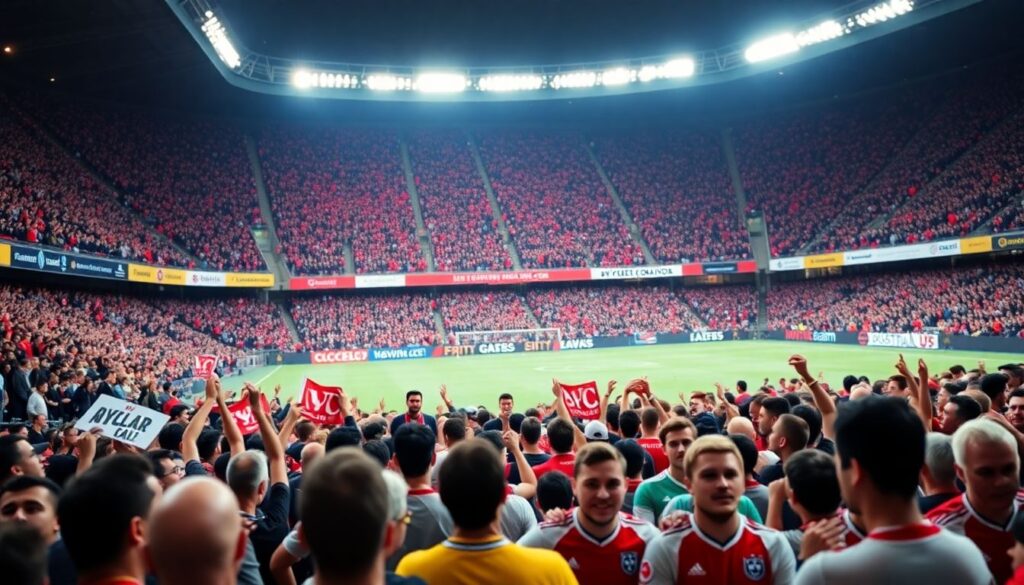
Emotional economics explains how deep feelings (love for a club) translate into willingness to spend and advocate. For clubs, the critical difference is between generic brand love (for a league, a sponsor, or a lifestyle brand) and specific, identity-based loyalty to one crest and its story.
- Identity alignment: Fans connect when the club story mirrors their community and values. This increases tolerance for price, travel, or inconvenience, as long as they feel represented.
- Rituals and habits: Chants, matchday routines, and content rituals (pre-match shows, podcasts) create predictable emotional peaks, which are prime moments for fair, relevant offers.
- Social proof and belonging: Fans act as micro-ambassadors; seeing peers buy a new kit or travel to away games normalizes spending and strengthens the sense of belonging.
- Perceived reciprocity: When the club reinvests in the academy, women’s team, or community, fans feel their money has meaning beyond the transaction.
- Trust and fairness: Transparent pricing, honest communication, and respect in bad sporting moments protect loyalty even when results are poor.
- Scarcity and exclusivity: Limited editions, member-only access, or early windows leverage emotional urgency, but must not feel manipulative or speculative.
For smaller clubs without a global brand, estrategias de branding para clubes de fútbol should focus on this identity-emotion link: local history, neighborhood pride, and visible support of grassroots football, rather than expensive campaigns copied from elite clubs.
The supporter’s customer journey: touchpoints and triggers
The supporter’s customer journey maps how a person moves from awareness to active supporter, then to loyal consumer and advocate. For the fan-to-consumer shift, clubs must identify key touchpoints and emotional triggers where they can offer value, not just push products.
- Discovery and first connection: A viral goal clip or a friend’s invite to a match leads to first contact. Trigger: curiosity and novelty. Low-resource clubs can use organic social and local media instead of paid campaigns.
- First live or digital experience: The first stadium visit or live stream shapes long-term perception. Trigger: surprise and atmosphere. Minimal investment options: simple fan welcome emails and post-match thank-you messages.
- Data capture and permission: Email subscription, app download, or membership registration turn an anonymous fan into a reachable contact. Trigger: desire for information or benefits, such as early ticket alerts or fixture calendars.
- Routine building: Regular content, match attendance, or fantasy games create habits. Trigger: anticipation and fear of missing out. Even a small content calendar (weekly behind-the-scenes video and newsletter) can maintain the rhythm.
- Monetized engagement: Ticket bundles, memberships, merchandising, and paid digital content. Trigger: pride, belonging, gifting, and the wish to support the club. Clear, simple offers work better than complex packages.
- Advocacy and co-creation: Fans create content, bring friends, and participate in club decisions (surveys, fan forums). Trigger: feeling heard and influential. This stage amplifies both revenue and resilience in crises.
At each stage, a club can choose between building capabilities in-house or using an agencia de marketing deportivo para gestión de fans. Clubs with tight budgets can still map this journey on paper or a spreadsheet and use basic tools like email, WhatsApp groups, and social media lists instead of advanced CRM systems.
Monetization models that preserve fan identity
Monetization models are ways to structure and package the value fans receive and the money they pay. The challenge is cómo monetizar la afición de un club deportivo without making fans feel like customers of a generic entertainment brand. Sustainable models respect traditions, prices, and local realities.
Advantages of structured fan monetization
- More predictable revenue across the season, reducing dependence on one-off transfers or results.
- Better planning of matchday operations, staffing, and logistics thanks to pre-sold tickets or memberships.
- Richer data on who your fans are, how often they attend, and what they buy.
- Ability to create tiered experiences for different budgets, from basic standing tickets to premium hospitality.
- Improved sponsor value, as you can prove real engagement, not just theoretical reach.
Risks and limitations to watch
- Over-commercialization can alienate traditional hinchas who feel priced out or ignored.
- Copying big club pricing models can damage attendance in smaller markets with lower purchasing power.
- Too many membership levels or products confuse fans and increase administrative costs.
- Poor service (ticketing crashes, long queues, broken promises) erodes the trust that drives spending.
- Short-term revenue tactics (excessive fees, sudden price hikes) weaken long-term loyalty.
Clubs without resources for full consultoría en marketing para clubes deportivos can still test simple monetization pilots: one affordable season card, a family-friendly stand, or a basic paid membership that bundles ticket discounts, early access to news, and one exclusive event per year.
Using data and personalization without eroding trust
Data and personalization turn anonymous crowds into known audiences. Used well, they help a club find the right message for the right fan at the right moment. Used badly, they feel intrusive or manipulative and can seriously damage loyalty.
- Myth: More data is always better. Reality: Many clubs gather data they never use, complicating compliance and adding risk. Focus on a few key fields: contact details, ticket history, and basic preferences.
- Myth: Personalization requires expensive software. Reality: Even a low-budget club can segment email lists by age group, location, or membership status and adapt subject lines and offers accordingly.
- Error: Spamming every fan with every product. Fans who only buy match tickets do not need weekly merchandising emails. Track simple KPIs like open rate, click rate, and opt-out rate to adjust frequency.
- Error: Hiding commercial intent. Pretending that an offer is pure fan service when it is clearly a sale undermines credibility. Be honest: explain how buying supports the academy or facilities.
- Myth: Data equals surveillance. If the club explains clearly what data is collected, how it is used, and how fans can opt out, many will see it as a fair exchange for better experiences.
- Error: Ignoring legal basics. Even small clubs must respect GDPR: consent, secure storage, and the ability to delete data on request.
Operational steps to embed commerce into club culture
Embedding commerce into club culture means that coaches, staff, and fans see revenue activities as part of protecting the future of the club, not as something separate. This can start small and grow over time, even without big budgets or external agencies.
Here is a simple staged approach that a semi-professional club in Spain could follow over one season:
- Month 1-2: Map and listen. Identify main fan groups (ultras, families, youth academy parents) and run short interviews or surveys to understand what they value and what they would be willing to pay for.
- Month 3-4: Design two or three test offers. For example: a low-cost membership with early ticket access, a family ticket bundle, and a basic merchandise pack for kids.
- Month 5-6: Implement with simple tools. Use online forms managed via email, manual season ticket lists in spreadsheets, and basic social media promotion instead of custom apps.
- Month 7-8: Measure and adjust. Track a small set of KPIs: number of members, average spend per fan, matchday attendance, and satisfaction feedback.
- Month 9-10: Involve fan leaders. Invite representatives of supporter groups to co-design next season’s offers, giving them visibility and a sense of ownership.
- Month 11-12: Prepare for scale. Once the basic model works, consider light external support from an agencia de marketing deportivo para gestión de fans or freelance experts to professionalize ticketing, CRM, and sponsorship proposals.
This approach aligns the emotional side (identity, rituals, community) with structured commercial logic. It also shows that a club can move from love of the brand to deeper love of the club itself by proving, year after year, that every euro spent by fans is reinvested into football.
Practical questions on converting fans into consumers
How is a fan different from a sports consumer?
A fan has a strong emotional bond with a club, often shaped by identity and community. A sports consumer behaves more like a customer: they compare prices, experiences, and alternatives. The transformation happens when the emotional fan relationship is organized into predictable, value-based spending.
Can small clubs apply these ideas without big budgets?
Yes. Start with mapping the supporter journey, collecting basic contact data, and launching one or two simple paid products: a membership and a family ticket bundle. Use free or low-cost tools like email marketing platforms and spreadsheets instead of full CRM systems.
Does monetizing fandom always damage authenticity?
No, problems appear when clubs ignore local realities or push overpriced products. If the club explains how revenue supports the academy, women’s teams, or facilities, many fans see spending as a form of direct contribution to the club’s mission.
What KPIs should a club track when professionalizing fan revenue?

Useful indicators include number of registered fans, membership uptake, average revenue per fan, renewal rate, matchday attendance trends, and basic engagement metrics on digital channels. Start small, track consistently, and use results to refine offers.
When should a club look for external marketing support?

External support, such as consultoría en marketing para clubes deportivos, is helpful when internal staff lack time or expertise to design fan journeys, segment databases, or create sponsorship packages. Ideally, seek help after running at least one internal pilot so objectives and needs are clear.
How can clubs avoid overloading fans with commercial messages?
Segment communications by interest and purchase history, define a reasonable maximum frequency per week, and mix commercial offers with non-commercial content like stories, behind-the-scenes material, and community news. Monitor unsubscribe rates and negative feedback as early warning signals.
Is it necessary to copy big club strategies to grow revenue?
No. Many elite tactics are too complex or expensive. Focus instead on local strengths: community ties, stadium intimacy, and direct access to players. Adapt only what fits your scale and fan expectations, and test changes gradually.